Shop on Lazada
Subor products
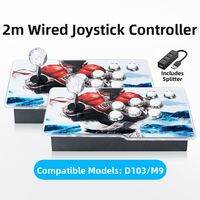
Subor | Latest Dual-player Arcade Game Console TV Connection Home Use
₱4,811.68₱8,495.59
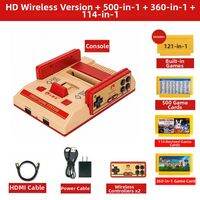
Subor | Retro FC Gaming Console For Home Use Card Slot Suitable As Gift
₱4,646.79₱9,152.71
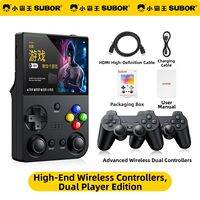
Subor | Retro Portable Handheld Game Console Gift for Kids
₱4,826.96₱9,414.05
Subor | TV Connected Retro Dual-Player Home Game Console
₱4,988.52₱9,823.57
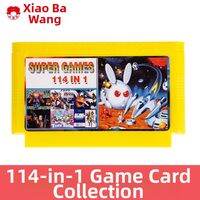
Subor | Retro Household Classic 8-bit Game Cartridges
₱350.29₱672.35
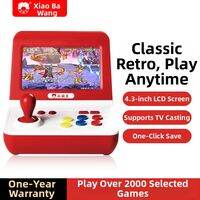
Subor | Portable Home Arcade Joystick Mini Game Console
₱3,881.72
Buy on Lazada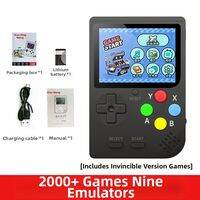
Subor | Portable Nostalgic Mini Game Console
₱2,853.00₱5,572.00
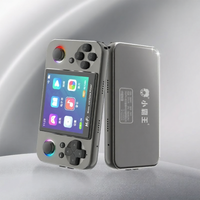
Subor | New Retro Handheld Game Console Gift for Children and Students
₱3,477.00₱6,849.00
About Subor
Company Overview
| Item | Details |
|---|---|
| Brand | Subor |
| Chinese Name | 小霸王 (Xiǎo Bàwáng) |
| Founded | 1987 |
| Headquarters | Zhongshan, Guangdong, China |
| Industry | Consumer Electronics |
| Parent Company | Yihua Group |
| Products | Game consoles, educational computers, learning machines, tablets, dictionaries, home electronics |
| Known For | Famicom clones and educational computers |
Subor (Chinese: 小霸王, Xiǎo Bàwáng, meaning “Little Conqueror”) is a Chinese consumer electronics brand best known for its Famicom-compatible game consoles, educational computers, and learning machines. Outside China, the company is commonly known by its English brand name, Subor. [1]
Founded in 1987 in Zhongshan, Guangdong, China, Subor became one of the most influential electronics brands in China during the late 1980s and 1990s. The company helped introduce an entire generation of Chinese children to home computing and video games by selling inexpensive Nintendo Famicom-compatible systems marketed as educational computers. [1]
History
Origins (1987–1989)
Subor began life in 1987 as the Nihwa Electronics Factory, a struggling arcade machine manufacturer owned by the Yihua Group. [2]
In 1989, businessman Duan Yongping was appointed factory director. Under his leadership, the company abandoned arcade hardware and developed a low-cost Nintendo Famicom-compatible console called the D25. Since imported Nintendo systems were expensive and difficult to obtain in China, the D25 became an affordable alternative and quickly gained popularity. [2]
Rise to Success
The company officially adopted the name Xiaobawang (Subor) in 1991. [2]
Rather than marketing the machines primarily as game consoles, Subor promoted them as educational computers, helping reassure parents that the devices supported learning as well as entertainment. [3]
Many models included:
-
Built-in BASIC programming
-
Full keyboard
-
Educational software
-
Chinese and English learning programs
-
Famicom-compatible gaming hardware
This marketing strategy became one of the company’s greatest successes.
The Learning Machine Revolution
Perhaps Subor’s most famous products were its Learning Machines (学习机). These looked like personal computers but internally were based on Nintendo Famicom hardware. [3]
Popular models included:
-
SB-218
-
SB-286
-
SB-486
-
SB-926
-
SB-2000
Students could:
-
Learn typing
-
Practice English
-
Study mathematics
-
Write simple BASIC programs
-
Play NES/Famicom games
For many Chinese children during the 1990s, these machines served as both their first computer and first video game system. [3]
Jackie Chan Advertising
One of Subor’s most famous marketing campaigns featured Jackie Chan. His television commercials became iconic in China and significantly boosted the brand’s popularity during the early 1990s. [4]
Market Dominance
By the early 1990s, millions of Subor systems had been sold and the brand became almost synonymous with home gaming in China. [5] Some historical sources estimate that Subor controlled a very large share of China’s home game console market during its peak. [5]
Unlike Nintendo, which had limited official presence in mainland China at the time, Subor’s low prices and educational positioning made it widely accessible.
Relationship with Nintendo
Subor did not manufacture officially licensed Nintendo hardware. Instead, its early systems were Famiclones—hardware compatible with Nintendo’s Famicom/NES architecture but produced without Nintendo authorization. [6]
These systems could run:
-
NES cartridges
-
Famicom cartridges
-
Chinese-developed educational software
-
Locally produced games
This compatibility helped spread Nintendo-style gaming throughout China despite the lack of official Nintendo distribution. [6]
Famous Products
Educational Computers
-
SB-218
-
SB-286
-
SB-486
-
SB-926
-
SB-2000
Home Consoles
-
Subor Video Game System
-
Various Famicom-compatible consoles
-
Plug-and-play TV game systems
-
Motion-sensing consoles
Later Electronics
-
Electronic dictionaries
-
Learning tablets
-
Educational robots
-
DVD players
-
Kitchen appliances
-
Smart home products
Subor SB-2000
Released in 1998, the SB-2000 represented the most advanced evolution of the classic Subor learning computer. [8]
Features included:
-
Enhanced memory
-
Keyboard and mouse support
-
Floppy disk drive
-
DOS-like command interface
-
BASIC programming environment
-
Graphical user interface
Although still based on 8-bit Famicom-compatible hardware, it offered a more computer-like experience. [8]
Chinese Console Ban
China imposed restrictions on home game consoles between 2000 and 2015, which significantly affected companies like Subor. During this period, Subor shifted its focus toward educational electronics, electronic dictionaries, language learning devices, and consumer appliances. The company survived by expanding beyond gaming. [9]
Return to Gaming
Following the easing of China’s console restrictions, Subor attempted to re-enter the gaming market. [10]
Subor Z+
Announced in 2018, the Subor Z+ was a Windows-based gaming PC/console hybrid featuring a custom AMD Ryzen and Radeon Vega processor. It was intended as a domestically developed alternative to mainstream consoles, but the project saw only limited release and did not achieve broad commercial success. [10]
Company Difficulties
In 2020, Subor Culture Development, a subsidiary focused on virtual reality and newer gaming initiatives, entered bankruptcy proceedings. Reports clarified that this did not necessarily mean the entire Subor brand had ceased operations, and various Subor-branded products have continued to appear through other affiliated companies. [11]
Legacy
Subor is remembered as:
-
China’s most famous Famicom-compatible brand
-
A pioneer of educational computing in China
-
A symbol of 1990s childhood for many Chinese gamers
-
One of the country’s earliest mass-market home electronics success stories
For many people who grew up in China during the 1990s, the Subor learning machine occupies a nostalgic place similar to the Nintendo Entertainment System or Sega Genesis in other regions. [12]
Cultural Impact
Subor had a lasting influence by:
-
Making computer education affordable.
-
Introducing millions of children to programming through BASIC.
-
Popularizing home gaming in mainland China.
-
Helping establish the domestic educational electronics industry.
Its learning computers became common fixtures in homes and schools, and the brand remains strongly associated with the early era of personal computing in China. [13]
Timeline
| Year | Event |
|---|---|
| 1987 | Founded as Nihwa Electronics Factory |
| 1989 | Duan Yongping became director; first Famiclone released |
| 1991 | Company renamed Xiaobawang (Subor) |
| 1993 | Educational computer line launched |
| 1995 | Duan Yongping left to found BBK Electronics |
| 1998 | SB-2000 released |
| 2000–2015 | Shifted focus during China’s console restrictions |
| 2018 | Subor Z+ announced |
| 2020 | Subor Culture Development entered bankruptcy proceedings; brand continued through other entities |
Summary
Subor is one of China’s most historically significant consumer electronics brands. While internationally known for its Famicom-compatible consoles, its greatest contribution was making computing and gaming accessible to millions of Chinese families through affordable “learning machines.” Its blend of education and entertainment, memorable advertising, and widespread availability cemented its status as an iconic brand in China’s electronics history. [14]