Shop on Lazada
Sulwhasoo products
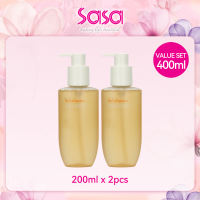
SULWHASOO Gentle Cleansing Foam Facial Cleanser Gentle Cleansing Moisturizing Radiant (50ml / 50ml x 2 / 200ml / 200ml x 2)
₱2,545.00₱5,599.00
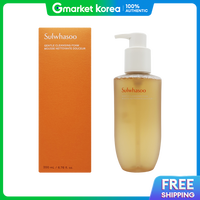
Sulwhasoo | Gentle Cleansing Foam 200Ml
₱1,088.64₱1,638.38
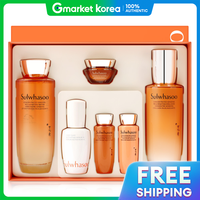
Sulwhasoo | Concentrated Ginseng Renewing 2-Piece Gift Set for Mid-Autumn Festival
₱7,519.14₱11,235.51
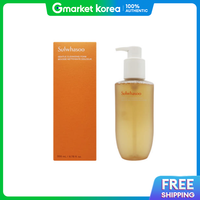
Sulwhasoo | Sulwhasoo Gentle Cleansing Foam 200ml 1Pc
₱1,078.86₱1,623.64
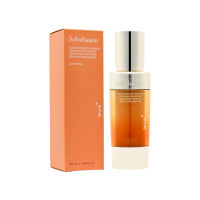
SULWHASOO Concentrated Ginseng Rejuvenating Serum (30ml / 8ml / 5ml / 8ml x 2 / 8ml x 4)
₱8,471.00₱18,636.00
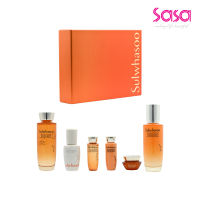
SULWHASOO Concentrated Ginseng Rejuvenating Set (6pcs)
₱8,738.00₱19,223.00
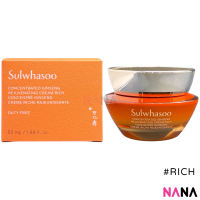
Sulwhasoo Concentrated Ginseng Rejuvenating Cream Rich 50ml
₱7,550.00₱8,890.00
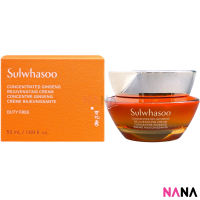
Sulwhasoo Concentrated Ginseng Rejuvenating Cream 50ml
₱7,120.00₱8,890.00
About Sulwhasoo
Sulwhasoo (설화수; 雪花秀) is a South Korean luxury skincare and beauty brand owned by Amorepacific Corporation. Established as a distinct brand in 1997, Sulwhasoo is founded on the integration of Korean herbal medicine traditions—particularly ginseng—with modern cosmetic science, holistic skincare principles, and Korean aesthetics. It has emerged as one of the flagship prestige brands driving the global development of K-Beauty.1
The name Sulwhasoo evokes the imagery of a flower blooming through snow, symbolising the brand’s philosophy of beauty, resilience, and vitality. Rather than treating traditional ingredients merely as marketing elements, the brand’s identity is deeply rooted in Korean heritage. Sulwhasoo positions its products as the culmination of traditional Korean wisdom combined with contemporary research and formulation technology.
Basic information
| Category | Information |
|---|---|
| Brand | Sulwhasoo (설화수 / 雪花秀) |
| Country of origin | South Korea |
| Parent company | Amorepacific Corporation |
| Brand established | 1997 |
| Industry | Cosmetics / skincare / beauty |
| Positioning | Luxury / prestige skincare |
| Core heritage | Korean herbal medicine and traditional Korean beauty |
| Signature ingredient | Korean ginseng |
| Major product category | Anti-aging / rejuvenating skincare |
| Notable products | First Care Activating Serum, Concentrated Ginseng Renewing/Rejuvenating Cream |
| Flagship cultural location | The House of Sulwhasoo, Bukchon, Seoul |
While the 1997 launch marks the formal beginning of the Sulwhasoo brand, its history intentionally extends much further back, encompassing a family tradition of camellia oil, Amorepacific’s early cosmetic research, and decades of dedicated ginseng studies.2
Historical origins from 1932
Sulwhasoo possesses a unique historical narrative, as the brand does not consider 1997 to be its absolute starting point. Its roots trace back to 1932, when Yun Dok-jeong, a camellia oil maker in Korea, began producing camellia oil. Her son, Suh Sung-whan, who later founded what is now Amorepacific, grew up surrounded by Korean botanical ingredients, an experience that shaped his interest in utilising traditional natural materials in cosmetics.3 This background eventually evolved into Amorepacific’s systematic research into Korean ingredients.
Timeline
- 1932 — Camellia oil: Yun Dok-jeong’s camellia oil tradition is cited by Sulwhasoo as the earliest origin of its heritage.4
- 1954 — Cosmetic research: Amorepacific established Korea’s first cosmetic research centre, laying a scientific foundation for future ingredient research.5
- 1964 — Ginseng research begins: Amorepacific commenced dedicated research into ginseng for cosmetic applications.6
- 1973 — Ginseng SAMMI: Ginseng SAMMI was introduced using ginseng saponin as a key ingredient and was subsequently exported overseas. Sulwhasoo regards this as a significant early chapter in the internationalisation of Korean beauty.7
- 1987 — Sulwha: The company developed Sulwha (설화), a skincare line based on research into Korean herbal ingredients beyond ginseng.8
- 1997 — Sulwhasoo: Sulwha evolved into Sulwhasoo (설화수), establishing the modern luxury skincare brand.9
- 2000 — Concentrated Ginseng Renewing Cream: The introduction of this cream further cemented ginseng as a central pillar of the brand.10
- 2021 — The House of Sulwhasoo: Sulwhasoo opened its flagship heritage space in Bukchon, Seoul, integrating skincare, architecture, Korean culture, and brand heritage.11
The importance of ginseng
Korean ginseng is widely regarded as the defining ingredient of Sulwhasoo. However, the brand’s approach extends beyond simply incorporating ginseng extract into formulations. Amorepacific has spent decades studying various parts of the ginseng plant and their associated compounds. The company describes its research as covering everything from the roots to the aerial parts of the plant, investigating their potential cosmetic benefits and developing technologies to utilise them effectively in skincare.12
This extensive research explains why ginseng features so prominently across the Sulwhasoo portfolio. The brand has built its identity on the proposition that traditional Korean ingredients can be scientifically investigated and transformed into sophisticated modern skincare. This distinction separates Sulwhasoo from conventional “natural cosmetics” brands.
Traditional Korean medicine and modern science
Sulwhasoo’s philosophy is often described as Asian wisdom, Korean herbal wisdom, or holistic beauty. Its approach synthesises two distinct domains:
Traditional side
- Korean herbal ingredients
- Ginseng
- Traditional herbal knowledge
- Korean beauty traditions
- Korean aesthetics
- Concepts of balance and harmony
Modern side
- Cosmetic chemistry
- Ingredient extraction
- Bioconversion
- Skin research
- Formulation technology
- Anti-aging research
- Product testing
The objective is not to create “traditional medicine in a bottle” but to translate traditional knowledge into modern luxury skincare products. The company explicitly characterises its creations as a fusion of Korean aesthetics and modern sensibilities.13
Holistic beauty concept
A core tenet of the brand is holistic skincare. Sulwhasoo does not view skin ageing merely as a collection of isolated issues such as wrinkles, dryness, or loss of firmness. Instead, its philosophy focuses broadly on supporting the skin’s inherent vitality and self-renewing capabilities.14 The approach prioritises helping the skin maintain resilience rather than simply masking signs of ageing.
This philosophy is reflected in the brand’s terminology, which frequently includes concepts such as vitality, radiance, balance, rejuvenation, self-renewing power, longevity, and holistic beauty. In recent years, Sulwhasoo’s positioning has shifted from traditional “anti-aging” towards concepts like skin longevity, with Korean brand materials citing over six decades of ginseng research as part of this evolution.
Signature technology and ingredients
Ginseng
Ginseng remains Sulwhasoo’s most recognisable ingredient and the foundation of its heritage. The company has conducted research on ginseng since the 1960s and continues to investigate different components of the plant.12
JAUM Balancing Complex™
Another key proprietary concept is JAUM Balancing Complex™, developed through research into Korean herbal ingredients and the causes of skin ageing. This complex is particularly associated with the brand’s First Care Activating Serum.
Korean herbal ingredients
While ginseng is the primary focus, Sulwhasoo’s philosophy encompasses a broader range of Korean botanical and herbal ingredients. The underlying principle is synergy rather than reliance on a single miracle ingredient, combining multiple components and traditional knowledge with contemporary formulation science.
Key products
First Care Activating Serum
The First Care Activating Serum is arguably Sulwhasoo’s signature icon. Introduced in 1997 alongside the brand’s launch, it is described as the first “first essence” product, helping to establish the concept of using a treatment product at the very beginning of a skincare routine. Unlike conventional serums marketed around a single active ingredient, Sulwhasoo positions this product as a preparatory and activating step designed to support the skin and enhance the efficacy of subsequent skincare. This helped popularise the “first essence” or “pre-serum” category within Korean skincare culture.
Concentrated Ginseng Cream
The ginseng cream franchise is another major pillar of the Sulwhasoo portfolio. Its lineage dates back to the ABC Ginseng Cream of 1966, with later generations translating decades of research into luxury anti-aging products.15 The current Concentrated Ginseng Rejuvenating Cream focuses on firmness, hydration, visible signs of ageing, skin vitality, and supporting the skin’s natural self-renewing power. This product line serves as the clearest link between Sulwhasoo’s historical ginseng research and its contemporary luxury positioning.16
Major product categories
Sulwhasoo’s portfolio is primarily focused on skincare rather than colour cosmetics.
- Cleansing: Cleansers and makeup removers designed as the initial step in a routine.
- First essences / treatment essences: The First Care Activating Serum is the most prominent example.
- Serums: Products targeting specific concerns including firmness, hydration, radiance, and visible signs of ageing.
- Creams: A core strength of the brand, particularly the Concentrated Ginseng and high-end treatment ranges.
- Eye care: Specialised products formulated for the delicate eye area.
- Masks: Treatment products intended for intensive skincare.
- Body care: Products extending the brand’s philosophy to body care.
- Makeup: Selected makeup products, though skincare remains central to the brand’s identity.
Luxury positioning and Korean aesthetics
Sulwhasoo occupies the prestige and luxury segment of Korean beauty. This positioning is derived from several factors: ingredient heritage presenting ginseng and Korean herbs as valuable cultural assets; long-term R&D emphasising decades of research over fleeting trends; packaging drawing from Korean artistic traditions such as ceramics and lacquerware; storytelling that conveys a broader cultural narrative; and retail environments designed as cultural spaces rather than standard stores.
A significant aspect of the brand’s identity is Korean visual culture. Sulwhasoo avoids presenting Korean heritage as antiquated, instead translating traditional forms into contemporary luxury design. For instance, the brand has referenced Goryeo celadon and Joseon-era white porcelain in product packaging and special editions. This creates a design language where traditional Korean culture is simplified into modern luxury objects, making the packaging itself an integral part of the brand experience. Sulwhasoo explicitly states that its products are influenced by the combination of Korean aesthetics and modern sensibilities.
The House of Sulwhasoo
In 2021, Sulwhasoo opened The House of Sulwhasoo in Bukchon, Seoul. Located in a historically significant neighbourhood known for traditional Korean architecture, this flagship space represents the brand as more than a cosmetics company. It functions as a physical expression of the brand’s cultural identity, connecting Korean heritage, architecture, beauty, art, and skincare. The venue serves partly as a retail store and partly as a cultural hub.17
Role in K-Beauty and global expansion
Sulwhasoo is a pivotal part of K-Beauty history. Unlike newer Korean beauty brands known for inexpensive sheet masks, playful packaging, and viral social media trends, Sulwhasoo represents an older, luxury-oriented Korean beauty model. Its internationalisation predates the modern K-Beauty boom; Ginseng SAMMI was exported overseas as early as 1973, decades before Korean skincare became a global mainstream phenomenon. Sulwhasoo helped establish the premise that Korean ingredients and beauty traditions could be successfully exported as premium global beauty products.18
The brand has expanded into major international markets across Asia, North America, Europe, and other regions. Its international strategy retains its Korean identity, using Korean heritage as the primary differentiator in the global luxury market. This approach is a defining characteristic of modern K-Beauty branding.
Brand ambassadors
Celebrity ambassadors have significantly influenced Sulwhasoo’s international image. The brand has collaborated with notable Korean and international figures, including Song Hye-kyo, Tilda Swinton, Rosé of BLACKPINK, and Taeyeon.19 The appointment of Tilda Swinton was particularly significant in positioning Sulwhasoo within the global luxury-beauty conversation beyond the conventional image of a Korean cosmetics brand. Additionally, the “Sulwhasoo Rebloom” campaign launched with Rosé in 2022 connected the company’s heritage with a younger global audience.
Comparative identity
Sulwhasoo’s identity can be understood by comparing it with other beauty brand categories:
| Type | Main selling idea |
|---|---|
| Mass beauty | Affordable and accessible |
| K-Beauty trend brands | Innovation, novelty, ingredients, social media |
| Western luxury skincare | Technology, clinical positioning, exclusivity |
| Sulwhasoo | Korean heritage + herbal wisdom + science + luxury |
The brand’s competitive advantage lies not solely in ginseng, but in the system built around ginseng and Korean heritage: heritage leads to research, which informs proprietary ingredients and formulations, expressed through Korean aesthetics and delivered via a luxury experience.
Brand philosophy and architecture
Sulwhasoo’s philosophy can be summarised as transforming Korean herbal wisdom and centuries-old beauty traditions into modern luxury skincare through contemporary science and technology. This represents a bridge between Korean tradition and modern global beauty.20
At a structural level, the brand architecture flows from Heritage (traditional herbal knowledge and ginseng) to Research (decades of study), Science (extraction and proprietary technologies), Product (serums and creams), Aesthetics (Korean art and packaging), and finally Luxury Experience (flagship stores and cultural storytelling), culminating in a Global Brand that presents Korean beauty heritage to an international audience.
Strengths and challenges
Strengths
- Strong heritage: Unlike brands that fabricate history, Sulwhasoo traces its story through actual decades of ingredient research.
- Ownable ingredient territory: “Ginseng” is intrinsically linked to the brand.
- Cultural differentiation: Korean heritage provides a distinct visual and philosophical vocabulary without needing to imitate Western or Japanese luxury aesthetics.
- Scientific credibility: The brand’s history is anchored in long-term R&D.
- Premium storytelling: The synthesis of history, science, design, and ritual creates a compelling luxury narrative.
Challenges
- High price point: Sulwhasoo is significantly more expensive than many mainstream Korean skincare brands, limiting accessibility.
- Mature luxury image: Historically associated with mature consumers, attracting younger demographics while maintaining prestige remains a challenge.
- Complexity of heritage: Traditional Korean medicine and Asian beauty concepts can be difficult to communicate to unfamiliar consumers.
- Global competition: The brand competes with both other Korean luxury brands and major global prestige skincare houses.
- Ingredient expectations: Due to the prominence of ginseng, consumers may expect robust scientific evidence and visible results.
Relationship with Amorepacific
Sulwhasoo is part of Amorepacific, one of South Korea’s largest beauty groups. This relationship is fundamental, as Amorepacific provided the infrastructure for Sulwhasoo’s cosmetic research, ginseng studies, formulation technology, manufacturing, international expansion, and brand development. Sulwhasoo is not an independent startup but the luxury expression of decades of research and development within a major Korean beauty conglomerate.
Evolution summary
The brand’s evolution can be traced through key milestones:
- 1932: Traditional camellia oil heritage
- 1954: Scientific cosmetics research
- 1964–1966: Ginseng research leading to ABC Ginseng Cream
- 1973: Ginseng SAMMI and international export
- 1987: Sulwha and broader Korean herbal skincare
- 1997: Launch of Sulwhasoo as a luxury Korean herbal skincare brand
- 2000s: Expansion of ginseng-based anti-aging skincare
- 2010s: Global luxury positioning
- 2021: Opening of The House of Sulwhasoo in Bukchon
- 2022 onward: “Rebloom” campaign reinterpreting heritage for a new generation
Significance in beauty history
Sulwhasoo is significant for demonstrating that Korean beauty could occupy the luxury category, rather than being confined to affordable or trendy segments. Its story represents a process of cultural translation: moving from Korean traditional knowledge to scientific research, then to modern cosmetics, luxury branding, and finally global beauty culture. This trajectory makes Sulwhasoo a critical case study in brand strategy, luxury marketing, cosmetics history, and K-Beauty.
Summary
Sulwhasoo is a Korean luxury skincare brand whose modern identity began in 1997 but whose heritage stretches back to 1932. Its development was driven by Amorepacific’s long-term research into Korean botanical ingredients, particularly ginseng. The launches of ABC Ginseng Cream in 1966, Ginseng SAMMI in 1973, Sulwha in 1987, and Sulwhasoo in 1997 form the backbone of its history.
Today, the brand’s core proposition is the fusion of Korean herbal wisdom, ginseng research, modern skincare science, holistic beauty, and Korean aesthetics. Its most recognisable products include the First Care Activating Serum and Concentrated Ginseng skincare lines, while its Bukchon flagship represents the broader cultural world Sulwhasoo has built around beauty. Ultimately, it is this combination—rather than ginseng alone—that establishes Sulwhasoo as one of the most distinctive luxury brands in K-Beauty.
References
- Origin | Sulwhasoo
- Brand Belief | Sulwhasoo Thailand
- BRAND STORY | Sulwhasoo International
- About Us | Sulwhasoo
- FROM 1932TO OUR FUTURE2023 SUSTAINABILITY REPORT
- 설화수 브랜드 스토리, 진정한 아름다움을 향한 설화수의 여정 | 설화수
- BRAND BELIEF | Sulwhasoo International
- Brand Story | Journey to True Beauty – Sulwhasoo Singapore
- SULWHASOO REBLOOM with ROSÉ | Sulwhasoo International
- Sulwhasoo
- The story of Sulwhasoo began in 1932 : Sulwhasoo Dosan Flagship Store- VISITKOREA :: LuxuryKorea
- 브랜드 빌리프 | 설화수
- Sulwhasoo Rebloom Introduction | Sulwhasoo International
- From the Origin of the Brand to Its Completion, Sulwhasoo Launches a Brand Campaign to Declare Its Reinterpreted Identity and Universe | Amorepacific
- Sulwhasoo to nourish your skin : Korea.net : The official website of the Republic of Korea
- Brand Story | Sulwhasoo Thailand
- Brand Belief
- Brand Manifesto – Sulwhasoo Rebloom | Sulwhasoo Malaysia
- 品牌使命 | 雪花秀中国
- 雪花秀 _ 百科