Shop on Lazada
Targus products
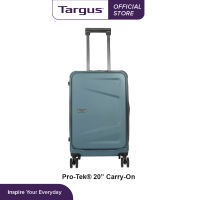
Targus TBR043GL ProTek 20” Carry-On | Made with impact resistant material | Double TSA locks | AirTag pocket | Black | Blue
₱12,601.23₱12,999.00
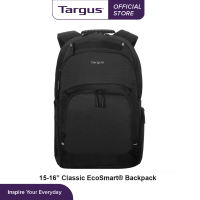
Targus CN600GL 15 to 16 in Classic EcoSmart Backpack | Made from durable water-resistant fabric | Adjustable shoulder straps | Black
₱4,256.50₱4,499.00
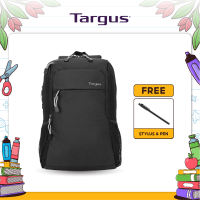
Targus TSB968GL 15.6″ Intellect Advanced Backpack with Dedicated laptop compartment and comfortable Air mesh back panel - Black
₱1,796.64₱1,899.00
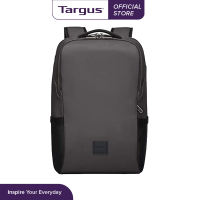
Targus TBB594GL 15.6″ Urban Essential Backpack | Padded laptop pocket | Spacious main compartment | Black | Gray
₱3,783.45₱3,999.00
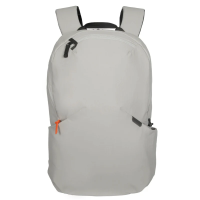
Targus 16” Terra Compact Backpack | Durable Lightweight and water-resistant | Blue Gray | WITH PLUSH TOY
₱4,067.28₱4,299.00
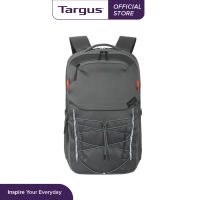
Targus TBB65802GL 15-16” Work+ Play® Trio Backpack | Gray
₱5,959.48₱6,299.00
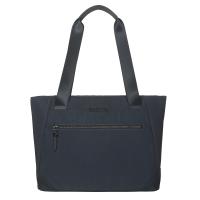
Targus Avila Tote | Water-resistant memory fabric | Protective laptop compartment with magnetic closure | WITH PLUSH TOY
₱5,330.73₱5,499.00
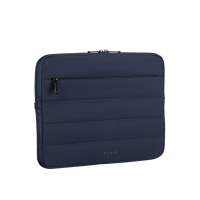
Targus TBS976GL Puffer 13-14″ Sleeve
₱1,453.13₱1,499.00
About Targus
Targus is a global technology accessories company best known for its laptop bags, protective cases, docking stations, hubs, and mobile computing peripherals. Founded in 1983 in Barnes, London, it is one of the longest-established brands in the laptop accessory industry 1. The company has evolved from a specialist manufacturer of laptop bags into a comprehensive provider of products designed to carry, protect, connect, and power personal technology 7.
Headquartered in Anaheim, California, Targus operates through more than 24 offices worldwide and distributes products in over 100 countries 114. Its current president and CEO is Mikel Williams 2.
Company profile
| Category | Information |
|---|---|
| Company name | Targus |
| Industry | Computer & mobile technology accessories |
| Founded | 1983 |
| Founder | Neil Bruce-Copp |
| Original location | Barnes, London, United Kingdom |
| Current headquarters | Anaheim, California, United States |
| CEO / President | Mikel Williams |
| Business type | Privately held |
| Main markets | Consumer, business, education, and enterprise |
| Products | Laptop bags, backpacks, cases, docking stations, hubs, keyboards, mice, privacy screens, chargers, cables, conferencing products, and other accessories |
| Global presence | 24+ offices; distribution in 100+ countries |
| Major acquisition | Hyper / Sanho, 2021 |
| Current focus | Mobile work, device protection, connectivity, productivity, and sustainability |
The company defines its mission as helping people “carry, protect, and connect” their technology across home, work, and mobile environments 7.
History
Founding and early years
Targus was founded in Barnes, London, in 1983 by Neil Bruce-Copp 15. The company initially focused on the emerging personal computer market and began working directly with manufacturers such as IBM 3. Its first recorded invoice was for £2,098.25 3. At the time, personal computers were becoming increasingly common, yet there was no mature ecosystem of purpose-built carrying solutions. Targus identified a specific need for users to transport and protect computers outside traditional office settings 3. In 1983, the company introduced what it describes as the original laptop and personal computer carrying case, establishing the product category that would become its signature business 3.
International expansion (1985–1989)
Targus rapidly expanded its customer base and geographic footprint during the late 1980s:
- 1985: Added major customers including Canon and Apple 46.
- 1986: Received a significant 250-unit order from Toshiba for cases designed for the Toshiba T3100L 2.
- 1987: Opened offices in the United States and Canada 5.
- 1988: Established operations in Australia 5.
- 1989: Expanded into South Africa and entered the U.S. retail consumer market 6.
In 1989, Targus received the Queen’s Award for Export Achievement, reflecting its growing international business volume 6.
Global growth and diversification (1990s)
Throughout the 1990s, Targus expanded its international infrastructure by establishing offices or operations in markets including Taiwan, Germany, France, the Netherlands, and Hong Kong 5. In 1995, the company became known as Targus Group International, Inc. 8. A pivotal development occurred in 1998 when Targus acquired PORT, significantly expanding its product portfolio 8. During this period, it also introduced technologies such as the SafePort Sling protection system and DEFCON security products 8. This era marked a transition from being solely a laptop bag manufacturer to becoming a broader mobile computing accessory company.
Expansion beyond laptop bags (2000s)
As laptops became essential for both business and consumers, Targus continued to diversify. A major milestone occurred in 2004 with the launch of its first docking station, alongside entry into peripheral categories such as Bluetooth mice 9. Docking stations eventually became one of the company’s most critical technology categories. In 2005, Targus expanded into mobile device accessories, including products for Apple’s iPod, while launching the CityGear range and new protection technologies 8. Over subsequent years, the portfolio grew to include tablet cases, laptop backpacks, sleeves, keyboards, USB accessories, chargers, adapters, privacy screens, security products, conferencing equipment, and travel accessories 10. This strategy allowed the company to follow the evolution of mobile computing rather than remaining dependent on a single product category.
Hyper acquisition
In 2021, Targus acquired Sanho Corporation and its Hyper brand 12. Hyper specializes in technology accessories aimed at Apple users and mobile professionals, focusing on connectivity, portable power, and data storage. Major Hyper product families include HyperDrive (USB-C hubs and docking stations), HyperJuice (chargers and portable power), and HyperThin (cables and connectivity) 12. This acquisition strengthened Targus’s position in connectivity and power solutions, particularly within the creative professional and Apple ecosystems.
Ownership
In October 2022, Targus announced it had been acquired by B. Riley Financial, a diversified financial services company. The transaction was intended to support further global expansion and business development. Targus continues to operate as a private company rather than a publicly traded standalone corporation.
Products and technologies
Targus organizes its product portfolio into several key categories relevant to modern hybrid work and mobile computing.
Laptop bags and protection
This remains the category most strongly associated with the Targus name. Products include laptop backpacks, briefcases, messenger bags, sleeves, attaché cases, and fashion-oriented laptop bags. The company utilizes proprietary protection technologies such as SafePort and the Dome Protection System to cushion devices against impact 13. Targus states that its tablet cases undergo military-grade drop testing, while laptop products incorporate dedicated protective compartments.
Docking stations and connectivity
Docking stations are a primary technology category for Targus, enabling laptops to connect to multiple peripherals—including monitors, Ethernet, USB devices, and power—through a single connection. The company reports having deployed more than 3 million universal docking stations across over 12,000 organizations, with usage in more than 90% of Fortune 1000 companies 4. The product lineup includes USB-C and USB4 docks supporting high-speed data transfer, multi-display configurations, and high-power charging 13. Additionally, Targus offers USB-C hubs, display adapters, Ethernet adapters, and video connectivity products.
Peripherals and security
The accessories portfolio includes keyboards, mice, presentation devices, privacy screens, webcams, headsets, and conferencing accessories. For physical security, Targus develops the DEFCON product family, which provides locking solutions for laptops in offices, public spaces, and hybrid work environments.
Key technology platforms
- SafePort: A family of protective technologies designed to cushion and protect devices inside bags and cases.
- EcoSmart: A sustainability-focused platform incorporating recycled materials, including plastics derived from recycled bottles 12.
- DEFCON: Physical security products for computers and devices.
- MiraLogic: A smart workplace management platform for connected docking and workspace intelligence. MiraLogic Connect technology has received a CES Innovation Award for sustainability 11.
Sustainability
Sustainability is a central component of Targus’s corporate strategy. The company released its first global sustainability report in 2022, aligning its roadmap with selected United Nations Sustainable Development Goals (SDGs). Initiatives include the use of recycled materials in EcoSmart products, supply chain environmental impact reduction, greenhouse gas emission measurement, circular product design, sustainable packaging, and renewable energy initiatives. In 2026, Targus released an updated Global Sustainability Report outlining progress toward long-term carbon reduction goals, with a stated ambition to achieve net-zero carbon emissions by 2050.
Market position and brand identity
Targus occupies a distinct position in the technology market by sitting between the computer manufacturer and the end user. While manufacturers like Dell, HP, Lenovo, and Apple produce the devices, Targus provides the infrastructure for carrying, protecting, connecting, and powering them. This makes the brand particularly relevant to business professionals, enterprise IT departments, students, commuters, and hybrid workers.
Historically, the brand has emphasized four core attributes:
- Protection: Safeguarding expensive electronic devices during transport and daily use.
- Functionality: Designing products around practical workplace problems rather than purely aesthetic considerations.
- Mobility: Building on the premise that computing increasingly occurs away from traditional desks.
- Professionalism: Focusing on durability, organization, ergonomics, and device compatibility for professional users.
While historically defined by laptop bags, the modern Targus competes across overlapping markets including USB-C connectivity, docking stations, workplace IT equipment, portable power, and sustainable accessories. The company’s evolution reflects a shift from a “laptop bag company” to a broader “mobile technology infrastructure and accessories company.”
Major milestones
| Year | Milestone |
|---|---|
| 1983 | Targus founded in Barnes, London; original computer carrying case introduced |
| 1985 | Expands relationships with Canon and Apple |
| 1986 | First major Toshiba laptop case order |
| 1987 | U.S. and Canadian offices established |
| 1989 | Receives Queen’s Award for Export Achievement |
| 1995 | Becomes Targus Group International |
| 1998 | Acquires PORT; expands protection and security products |
| 2004 | Launches first Targus docking station |
| 2005 | Expands into mobile device accessories |
| 2021 | Acquires Sanho and Hyper; releases first EcoSmart collection |
| 2022 | Acquired by B. Riley Financial; publishes first Global Sustainability Report |
| 2023 | Celebrates 40th anniversary |
| 2025 | Expands smart docking, sustainability, and workplace technology |
| 2026 | Launches new generation of travel, docking, connectivity, and sustainable products |
Brands and technologies
| Brand / Technology | Main Purpose |
|---|---|
| Targus | Main brand: bags, cases, docks, and accessories |
| Hyper | Power, connectivity, and Apple-oriented accessories |
| HyperDrive | Hubs and docking stations |
| HyperJuice | Chargers and portable power |
| EcoSmart | Products emphasizing recycled and sustainable materials |
| SafePort | Device protection systems |
| DEFCON | Computer physical security |
| MiraLogic | Smart and managed workplace connectivity |
References
- Targus (company) – Wikipedia
- Targus (company) – Wikipedia
- Targus (company) – Wikipedia
- About Targus | Innovating Laptop Bags & Tech Accessories
- Targus (company) – Wikipedia
- About Targus | Innovating Laptop Bags & Tech Accessories
- Company Information – Targus
- Targus (company) – Wikipedia
- About Targus | Innovating Laptop Bags & Tech Accessories
- About Targus | Innovating Laptop Bags & Tech Accessories
- About Targus | Innovating Laptop Bags & Tech Accessories
- About Targus | Innovating Laptop Bags & Tech Accessories
- Company Information – Targus
- Targus Story