Shop on Lazada
Thinkpad products
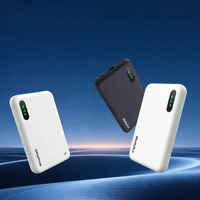
Thinkpad | Portable Stable Multi-Mode 4G Card-Free WiFi
₱1,203.54
Buy on Lazada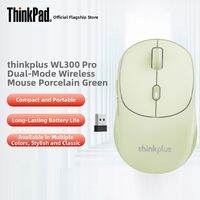
Thinkpad | Wireless Quiet Portable Classic Red Dot Mouse
₱1,461.67
Buy on Lazada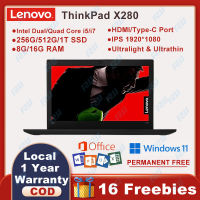
Lenovo ThinkPad X280 laptop Intel Dual/Quad-Core i5/i7 8G/16G DDR4 RAM 256G/512G/1T SSD IPS 1920*1080 Backlit keyboard(option) Built In Camera/WEBCAM Business Ms office 2019 windows 11 PRO 12.5-inch Screen Online WIFI Bluetooth notebook computer
₱20,500.22₱50,000.00
![[Brand New]Lenovo ThinkPad X240 Laptop Intel Quad/Dual-Core i7/i5 8GB RAM 128G SSD+500GB/1T HDD ROM Built-in WEBCAM/Camera Online class/learning Wifi Bluetooth Ms office 365 Windows11 Pro Portable Business Notebook Computer Ultra-thin 12.5 inch Screen](https://ph-live.slatic.net/p/2460fe22bd6482e1895015418b52de28.jpg_200x200q80.jpg)
[Brand New]Lenovo ThinkPad X240 Laptop Intel Quad/Dual-Core i7/i5 8GB RAM 128G SSD+500GB/1T HDD ROM Built-in WEBCAM/Camera Online class/learning Wifi Bluetooth Ms office 365 Windows11 Pro Portable Business Notebook Computer Ultra-thin 12.5 inch Screen
₱12,340.18₱23,800.00
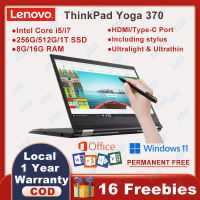
Lenovo ThinkPad Yoga 370 /X380 2-in-1 laptop original Tablet computer Intel Dual-Core i7/i5 DDR4 8G/16G RAM 256G/512G/1T SSD IPS 1920×1080 brilliant 13.3 touch screen Backlit keyboard Windows11 Pro Ms office Online Class WiFi/Bluetooth/Notebook/Business
₱18,100.22₱50,000.00
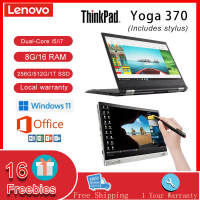
Lenovo ThinkPad Yoga 370 / X380 Yoga 2-in-1 laptop Tablet computer Intel Quad/Dual-Core i7/i5 DDR4 8G/16G RAM 256G/512G/1T SSD IPS 1920×1080 brilliant 13.3 touch screen Windows11 Pro Ms office Online Class Learning WiFi/Bluetooth/Notebook/Business
₱22,420.24₱48,880.00
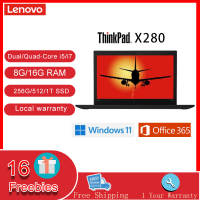
Lenovo ThinkPad X280 laptop Intel Quad-Core i5/i7 8G/16G DDR4 RAM 256G/512G/1T SSD Built In Camera/WEBCAM Business Ms office windows 11 PRO Ultra-thin 12.5 inch Screen Online class/learning WIFI Bluetooth Business notebook computer
₱14,260.18₱32,000.00
![Lenovo [Brand New]ThinkPad X260 laptop Intel Quad/Dual-Core i7/i5-6600u/6300u 8G/16G DDR4 RAM 256G/512G/1T SSD ROM Built In Camera/WEBCAM Ms office windows 11 PRO Ultra-thin 12.5 inch Screen Online class/learning WIFI Bluetooth Business notebook computer](https://ph-live.slatic.net/p/7a5a629ba47d2da6f9370dd449404f62.jpg_200x200q80.jpg)
Lenovo [Brand New]ThinkPad X260 laptop Intel Quad/Dual-Core i7/i5-6600u/6300u 8G/16G DDR4 RAM 256G/512G/1T SSD ROM Built In Camera/WEBCAM Ms office windows 11 PRO Ultra-thin 12.5 inch Screen Online class/learning WIFI Bluetooth Business notebook computer
₱10,854.41₱28,880.00
About Thinkpad
ThinkPad is a premium line of business-oriented laptop computers and mobile workstations developed and marketed by Lenovo. Originally created and manufactured by IBM (International Business Machines), the ThinkPad brand was introduced in 1992 and quickly became one of the most influential laptop series in the world. In 2005, Lenovo acquired IBM’s Personal Computer Division, including the ThinkPad brand, and has continued its development ever since. ThinkPad laptops are widely recognized for their durability, reliability, security features, and distinctive industrial design, making them a popular choice among businesses, governments, universities, engineers, developers, and power users. [1]
History
Origins (1990–1992)
The ThinkPad project began at IBM’s Yamato Facility in Japan during the early 1990s. The original industrial design was led by German designer Richard Sapper, whose inspiration came from the traditional Japanese bento box—a simple black rectangular lunch box. When closed, the laptop appeared as a clean black rectangle; when opened, it revealed the keyboard and display.
The name “ThinkPad” was inspired by IBM’s long-standing corporate motto, “THINK”, which had appeared on employee notebooks and promotional materials for decades. Engineers used notebooks labeled “Think” during development, eventually leading to the product name “ThinkPad.” [2]
IBM Era (1992–2005)
IBM officially introduced the first ThinkPad models in October 1992, including the ThinkPad 700C, which became famous for its vibrant color TFT display—a significant innovation at the time.
Throughout the 1990s and early 2000s, ThinkPads earned a reputation for:
-
Exceptional build quality
-
Innovative engineering
-
Comfortable keyboards
-
Excellent reliability
-
Enterprise-focused security
IBM introduced many features that later became industry standards, including:
-
Active Matrix TFT color displays
-
Built-in recovery systems
-
Integrated fingerprint readers
-
Embedded security chips
-
Docking stations
-
Advanced battery management
During this period, ThinkPads won hundreds of design and engineering awards and became common equipment in Fortune 500 companies, research laboratories, and government agencies. [2]
Lenovo Acquisition (2005–Present)
In 2005, Lenovo acquired IBM’s Personal Computer Division, including the ThinkPad brand. While ownership changed, Lenovo retained many of the original engineering teams, including the Yamato Lab in Japan, preserving the ThinkPad design philosophy.
Since then, Lenovo has expanded the ThinkPad lineup while maintaining its focus on professional users. New generations introduced:
-
Ultralight designs
-
2-in-1 convertible models
-
OLED displays
-
AI-enhanced features
-
USB-C and Thunderbolt connectivity
-
Wi-Fi 6/6E/7
-
Advanced security technologies
-
Modern AMD and Intel processors
Despite modernization, Lenovo has deliberately preserved many classic ThinkPad characteristics. [1]
Design Philosophy
ThinkPads are known for their minimalist, functional design rather than flashy aesthetics.
Signature Features
Matte Black Chassis
Most ThinkPads feature a matte black finish that minimizes reflections and fingerprints while emphasizing a professional appearance.
TrackPoint
Perhaps the most recognizable ThinkPad feature is the red TrackPoint, a small pointing stick located between the G, H, and B keys.
Advantages include:
-
Cursor movement without lifting hands from the keyboard
-
Precision control
-
Reduced wrist movement
Many long-time ThinkPad users consider it indispensable.
Keyboard
ThinkPad keyboards are widely regarded as among the best laptop keyboards ever produced because of:
-
Deep key travel
-
Tactile feedback
-
Logical key layout
-
Spill resistance
Earlier ThinkPads featured a classic 7-row keyboard, while modern models use a redesigned 6-row layout.
Durability
ThinkPads are designed to survive demanding environments.
Many models undergo military-inspired durability testing for resistance to:
-
Extreme temperatures
-
Dust
-
Humidity
-
Vibration
-
Mechanical shock
-
High altitude
Business users often choose ThinkPads because of their reputation for longevity. [3]
Major ThinkPad Series
X Series
Portable ultrabooks designed for mobility.
Examples:
-
X1 Carbon
-
X13
-
X1 Nano
Ideal for:
-
Business travelers
-
Executives
-
Students
-
Consultants
T Series
The flagship business lineup.
Known for balancing:
-
Performance
-
Durability
-
Battery life
-
Upgradeability
Popular examples:
-
T14
-
T14s
-
T16
P Series
Mobile workstations for professionals.
Typical users include:
-
Engineers
-
Architects
-
CAD designers
-
Video editors
-
Data scientists
These systems often include:
-
Intel Core Ultra or Xeon processors (depending on generation)
-
AMD Ryzen Pro options
-
NVIDIA RTX professional GPUs
-
ECC memory support on select models
E Series
Affordable business laptops designed for:
-
Small businesses
-
Home offices
-
Students
L Series
Mid-range business systems offering enterprise features at lower prices.
X1 Series
ThinkPad’s premium flagship family.
Includes:
-
X1 Carbon
-
X1 Yoga
-
X1 Fold
These combine lightweight construction with premium materials and advanced features.
Typical Features
Depending on the model, ThinkPads may include:
-
Fingerprint readers
-
Smart card readers
-
TPM security chips
-
IR facial recognition
-
Privacy shutters for webcams
-
PrivacyGuard displays
-
Thunderbolt ports
-
USB-C charging
-
HDMI
-
Ethernet (on many models)
-
Long battery life
-
Rapid charging
Software and Security
ThinkPads are designed with enterprise security in mind.
Security technologies commonly include:
-
Trusted Platform Module (TPM)
-
BIOS protection
-
Secure Boot
-
Fingerprint authentication
-
Windows Hello facial recognition
-
Self-healing BIOS
-
Device encryption
-
Remote management support
Professional Usage
ThinkPads are widely used in:
-
Fortune 500 companies
-
Government agencies
-
Universities
-
Scientific research
-
Software development
-
Cybersecurity
-
Financial institutions
-
Aerospace and engineering firms
Their emphasis on reliability and maintainability has made them a long-standing standard in enterprise IT.
Space Exploration
ThinkPads have been used aboard the International Space Station (ISS) and in other space missions due to their proven reliability. NASA and other organizations have adapted ThinkPad systems for use in microgravity, demonstrating the platform’s robustness in demanding environments. [2]
Awards and Recognition
Since their introduction, ThinkPads have received hundreds of design and engineering awards. The original ThinkPad 700C was especially acclaimed for its innovative design, display quality, and usability, helping establish the ThinkPad as a benchmark for business laptops. [2]
Legacy
ThinkPad is widely regarded as one of the most iconic laptop brands in computing history. Its combination of understated design, durable construction, comfortable keyboards, and enterprise-grade features has earned it a loyal following among professionals and enthusiasts. More than three decades after its debut, the ThinkPad line remains one of Lenovo’s flagship product families, with modern models continuing to evolve while preserving many of the design principles established by IBM in 1992. [2]