Shop on Lazada
Toyota products
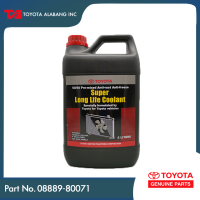
Toyota Genuine Super Long Life Coolant (2L)
₱523.83₱529.12
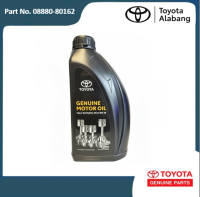
Toyota Genuine Motor Oil Fully Synthetic SP/C2 5W-30 1L (08880-80162)
₱861.34₱870.04
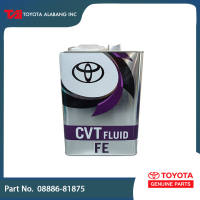
Toyota Genuine CVT Fluid FE 4L (08886-81875)
₱2,924.33₱2,953.87
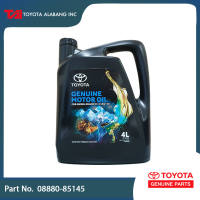
Toyota Genuine Motor Oil for Diesel Engine CI-4 15W-40 4L (08880-85145)
₱1,250.17₱1,262.80
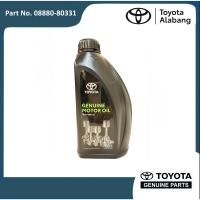
Toyota Genuine Motor Oil SP/CF 10W-30 1L (08880-80331) New Packaging
₱398.62₱402.65
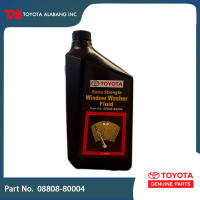
Toyota Genuine Extra Strength Window Washer Fluid (1L)
₱131.88₱133.21
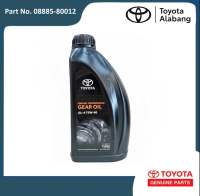
Toyota Genuine Manual Transmission Gear Oil GL-4 75W-90 1L (08885-80012)
₱456.68₱461.29
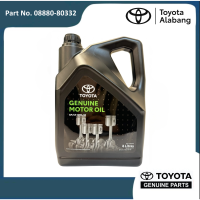
Toyota Genuine Motor Oil SP/CF 10W-30 6L (08880-80332) New Packaging
₱2,338.61₱2,362.23
About Toyota
Toyota is a Japanese multinational automotive manufacturer and one of the largest and most influential automobile companies in the world. Founded on August 28, 1937, by Kiichiro Toyoda, the company has built a global reputation for producing reliable, durable, fuel-efficient, and innovative vehicles. Toyota’s headquarters are located in Toyota City, and it operates manufacturing plants, research centers, and sales networks in more than 170 countries and regions. Toyota’s primary business is the design, manufacture, marketing, and sale of automobiles, while also expanding into mobility services, robotics, artificial intelligence, and sustainable transportation technologies. [1]
History
Toyota originated from the industrial innovations of the Toyoda family. Before manufacturing automobiles, the family business focused on automatic textile looms through Toyota Industries. Recognizing the growing demand for automobiles, Kiichiro Toyoda established Toyota Motor Corporation in 1937.
Toyota introduced its first passenger car, the Toyota AA, in 1936. Following World War II, the company expanded rapidly, becoming Japan’s leading automaker. During the 1950s and 1960s, Toyota began exporting vehicles internationally, first entering the United States and later Europe, Southeast Asia, Australia, and many other global markets.
Today, Toyota is consistently among the world’s highest-selling automobile manufacturers, producing millions of vehicles annually and maintaining a strong presence across every major automotive market. [2]
Brand Philosophy
Toyota’s corporate philosophy emphasizes:
-
Quality and continuous improvement (_Kaizen_)
-
Respect for people
-
Customer satisfaction
-
Long-term sustainability
-
Innovation through technology
These principles are reflected in the renowned Toyota Production System (TPS), a manufacturing approach focused on eliminating waste, improving efficiency, and maintaining high product quality. TPS has become one of the world’s most studied manufacturing systems and has influenced industries far beyond automotive production.
Products
Toyota manufactures a broad range of vehicles, including:
-
Sedans
-
Hatchbacks
-
SUVs
-
Pickup trucks
-
MPVs
-
Sports cars
-
Hybrid vehicles
-
Battery electric vehicles (BEVs)
-
Hydrogen fuel-cell vehicles
-
Commercial vehicles
Some of Toyota’s most recognized models include:
-
Toyota Corolla
-
Toyota Camry
-
Toyota RAV4
-
Toyota Hilux
-
Toyota Land Cruiser
-
Toyota Prius
-
Toyota Fortuner
-
Toyota Innova
-
Toyota Supra
-
Toyota GR86
These vehicles are known for reliability, fuel efficiency, resale value, and low maintenance costs.
Hybrid and Electric Technology
Toyota revolutionized the automotive industry with the introduction of the Toyota Prius in 1997, the world’s first mass-produced hybrid passenger car. Since then, Toyota has become a global leader in hybrid technology, selling millions of hybrid vehicles worldwide.
In recent years, Toyota has expanded its electrification strategy to include:
-
Hybrid Electric Vehicles (HEVs)
-
Plug-in Hybrid Electric Vehicles (PHEVs)
-
Battery Electric Vehicles (BEVs)
-
Hydrogen Fuel Cell Electric Vehicles (FCEVs)
The company promotes its environmental strategy under the “Beyond Zero” vision, aiming to reduce carbon emissions while providing diverse mobility solutions. [3]
Manufacturing Excellence
Toyota is widely recognized for its advanced manufacturing methods.
Key concepts include:
-
Just-in-Time production
-
Jidoka (automation with a human touch)
-
Continuous improvement (Kaizen)
-
Lean manufacturing
-
Waste reduction
-
Employee involvement
These practices have become global benchmarks in manufacturing and supply-chain management.
Global Presence
Toyota operates:
-
Manufacturing plants across Asia, North America, Europe, Africa, and South America
-
Research and development centers
-
Design studios
-
Sales and service networks worldwide
The company employs hundreds of thousands of people globally and produces millions of vehicles each year. [4]
Luxury and Performance Brands
Toyota also owns or manages several well-known automotive brands and divisions:
-
Lexus – luxury automobiles
-
Gazoo Racing – high-performance and racing vehicles
-
Daihatsu – compact vehicles
-
Hino Motors – trucks and buses
Sustainability
Toyota invests heavily in:
-
Renewable energy
-
Carbon-neutral manufacturing
-
Battery technology
-
Hydrogen fuel-cell systems
-
Autonomous driving
-
Artificial intelligence
-
Smart mobility
Its long-term goal is to reduce environmental impact while supporting safer and more sustainable transportation. [5]
Corporate Facts
-
Company Name: Toyota Motor Corporation
-
Founded: August 28, 1937
-
Founder: Kiichiro Toyoda
-
Headquarters: Toyota City
-
Industry: Automotive
-
Products: Passenger vehicles, commercial vehicles, engines, mobility solutions
-
Operations: More than 170 countries and regions
-
Employees: Approximately 390,000 worldwide (consolidated, as of 2026) [6]
Reputation
Toyota is widely regarded as one of the most trusted automotive brands in the world. The company is recognized for:
-
Exceptional vehicle reliability
-
Strong resale value
-
Fuel-efficient technologies
-
Advanced hybrid systems
-
High manufacturing quality
-
Global customer satisfaction
-
Continuous innovation
Its emphasis on quality, engineering excellence, and long-term value has made Toyota one of the most successful automobile manufacturers in history.
References
-
Overview | Profile | Company | Toyota Motor Corporation Official Global Website
-
Toyota starts pilot production of new Hilux pickup model at South African plant
-
Overview | Profile | Company | Toyota Motor Corporation Official Global Website
-
Overview | Profile | Company | Toyota Motor Corporation Official Global Website