Shop on Lazada
Tushi products
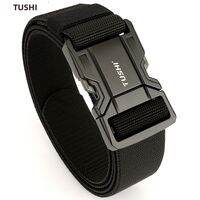
Tushi | Alloy Auto Buckle Nylon Webbing Tactical Belt
₱470.00₱1,310.00
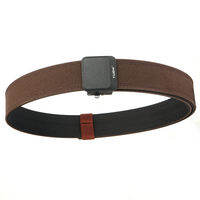
Tushi | TUSHI Nylon Hard Tactical Belt for Men Metal Automatic Buckle Outdoor EDC IPSC Accessories Big Size 120-150CM Military Belt
₱1,504.55₱1,955.92
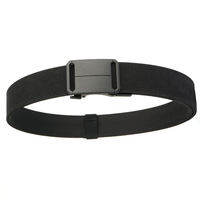
TUSHI Black Metal Automatic Buckle Hard Tactical Belt Thickened Hanging Belt For Men Outdoor IPSC Shooting Training Waistband
₱1,522.23₱1,978.90
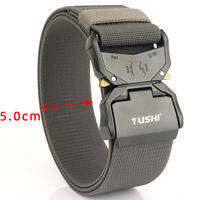
Tushi | TUSHI New 5.0cm Mens Elastic Tactical Belt Strong Nylon Quick Release Buckle Unisex Stretch Military Belt Outdoor Tool Belt
₱1,053.10₱1,718.01
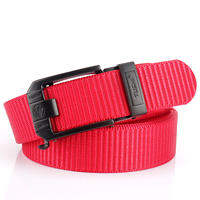
TUSHI New Belt Ratchet Belt for Men Tactical Belts for Men Nylon Groove Belt Strap with Adjustable Buckle Military Belts Casual
₱1,500.57₱1,950.74
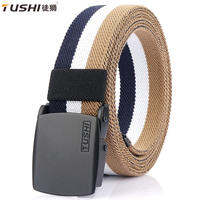
Tushi | Elastic Casual Belt Automatic Buckle
₱403.00₱826.00
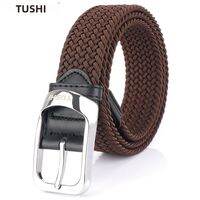
Tushi | Elastic Casual Belt
₱509.00₱1,139.00
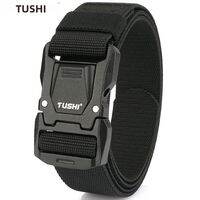
Tushi | Tactical Quick-release Nylon Elastic Aluminum Buckle Belt
₱445.00
Buy on LazadaAbout Tushi
Tushi is an American direct-to-consumer bathroom and lifestyle brand best known for its bidet attachments and electric bidet seats. Founded in 2015 by entrepreneur Miki Agrawal, the company was established to modernise the American bathroom experience and encourage consumers to replace or reduce toilet paper usage through water-based cleansing.
The brand distinguishes itself by combining functional bathroom products with deliberately humorous and informal marketing. Rather than positioning bidets as luxury items or unfamiliar fixtures from Europe or Asia, Tushi presents them as accessible, modern household essentials. Its branding strategy centres on humour, sustainability, personal hygiene, and challenging cultural taboos surrounding discussions of toilets and bowel movements.
Company profile
| Category | Information |
|---|---|
| Brand name | Tushi |
| Founded | 2015 |
| Founder | Miki Agrawal |
| Industry | Bathroom products / consumer goods / wellness |
| Main product category | Bidets and bidet toilet seats |
| Other products | Bathroom accessories, towels and toilet-related products |
| Business model | Primarily direct-to-consumer |
| Headquarters | New York City, United States |
| Website | hellotushy.com |
Tushi describes its employees as “toilet crusaders” and frames its corporate mission around improving personal hygiene standards and reducing environmental waste.
History
Tushi was established in 2015 by Miki Agrawal, who had previously co-founded THINX. The company’s inception was influenced by Agrawal’s exposure to bidets abroad and her observation that they were relatively uncommon in American households despite their widespread use globally.
The initial concept was straightforward: adapt the traditional bidet into an attachment compatible with existing American toilets, eliminating the need for consumers to replace entire fixtures. Tushi subsequently built its identity around three core pillars:
- Hygiene: Promoting cleaning with water rather than relying exclusively on dry toilet paper.
- Sustainability: Reducing dependence on toilet paper and the associated resource consumption.
- Design and accessibility: Making bidets affordable, easy to install, and visually appealing.
Trademark records indicate that the company’s early core business was specifically centred on bidet attachments designed for standard toilets.1
Products
Tushi is best known for its bidet attachments, which connect to existing toilets and utilise a controlled stream of water for post-toilet cleansing. While the company initially offered basic non-electric models in cold-water and warm-water configurations, its portfolio has since expanded to include sophisticated electric bidet seats.
The product ecosystem includes:
- Tushi bidet attachments: The signature product category.
- Tushi Spa: A warm-water bidet attachment.
- Tushi Ace: An electric bidet seat featuring additional comfort functions.
- Tushi Aura: A premium electric bidet seat positioned as a high-end bathroom upgrade.
- Bathroom accessories: Including towels and other toilet-related items.
The brand has evolved from selling inexpensive toilet attachments into a broader bathroom lifestyle brand offering both non-electric attachments and premium electric seats.
Brand philosophy
A significant aspect of Tushi’s identity is its effort to make the uncomfortable subject of going to the bathroom easier to discuss. Traditional bathroom product advertising often employs clinical or family-oriented imagery; Tushi adopts the opposite approach. Its advertising frequently uses colloquial terms such as “butt,” “poop,” and “bum,” integrating toilet humour as a recognisable brand component. The company has even registered humorous trademarks and slogans, demonstrating how deeply humour is embedded in its branding strategy.1
This approach allows Tushi to differentiate itself within a conservative product category. Instead of merely selling plumbing devices, it promotes a cleaner, more modern bathroom lifestyle.
Marketing
Tushi is notable for its direct-to-consumer marketing strategy, which typically combines:
- Humour and irreverence
- Bold copywriting
- Modern product design
- Sustainability messaging
- Educational content regarding bidet usage
- Social-media-oriented advertising
- Lifestyle branding
A central marketing argument is that Americans consume excessive quantities of toilet paper and that bidets can significantly reduce this dependence. The company website places considerable emphasis on toilet paper consumption and environmental waste. This strategy has helped transform the bidet from an unusual item into a recognisable consumer product category in the United States.
The COVID-19 period
The COVID-19 pandemic marked a pivotal moment for Tushi and the wider bidet industry. During the early stages of the pandemic, widespread toilet paper shortages and panic buying drove consumer interest towards alternatives. Tushi experienced a substantial surge in demand during this period, with sales increasing dramatically.
This event was significant because it connected Tushi’s existing environmental and hygiene messaging with an immediate practical problem, as consumers suddenly sought ways to reduce their reliance on toilet paper.
Sustainability
Sustainability is a major theme for Tushi. The company argues that using water for cleansing reduces the amount of toilet paper required, presenting the bidet as both a personal hygiene tool and an environmental product.
However, environmental comparisons between bidets and toilet paper are complex, as overall footprints depend on factors including water consumption, electricity use, manufacturing, transportation, and local infrastructure. Consequently, Tushi’s sustainability claims are best understood as part of its brand positioning rather than a universal guarantee that every configuration offers a lower environmental impact.
Brand positioning
Tushi occupies a unique position intersecting bathroom hardware, wellness, sustainability, lifestyle, and humour. Rather than competing solely on plumbing specifications, the brand incorporates the experience and identity surrounding the bathroom into the product itself. This represents one of Tushi’s most significant innovations: while the company did not invent the bidet, it successfully repackaged it for a modern American consumer audience.
Business model
Tushi primarily follows a direct-to-consumer (DTC) model, selling products through its online presence and building the brand via digital marketing. Industry coverage identifies it as a DTC company specialising in bidet attachments.
This model affords the company considerable control over:
- Product presentation
- Brand voice
- Customer education
- Online purchasing
- Advertising
- Customer relationships
Such control is particularly valuable for bidets, where consumer education is essential because many potential customers may not understand the product’s function or benefits.
Funding and growth
Tushi has attracted outside investment throughout its development. In 2017, the company announced a $500,000 seed funding round intended for manufacturing, marketing, online growth, and hiring. Subsequent company histories report additional investment as Tushi expanded its product line and market presence.
Corporate leadership
Miki Agrawal is the founder most closely associated with Tushi’s creation and original brand vision. According to company histories, Jason Ojalvo later joined as CEO. Agrawal’s background in consumer brands and her experience building businesses around culturally sensitive subjects—such as menstruation and bathroom habits—influenced Tushi’s deliberately provocative marketing style.
Cultural impact
Tushi’s significance extends beyond physical products. The company participates in a broader trend of normalising bidets in the United States. Historically, bidets have been far more common in European and Asian markets than in American bathrooms. Tushi’s strategy presents the bidet not as an exotic fixture but as a simple upgrade to a standard toilet.
Its branding also reflects a larger shift in consumer marketing, where companies utilise humour, social media, and unconventional language to transform mundane products into lifestyle brands. In this sense, Tushi simultaneously sells a bathroom product and a change in bathroom behaviour.
Brand identity
Tushi’s identity is characterised by five key attributes:
- Humorous: Deliberately embraces toilet and bodily-function humour.
- Modern: Presents the bidet as contemporary bathroom technology.
- Accessible: Emphasises attachments installable on existing toilets.
- Sustainable: Promotes reducing reliance on toilet paper.
- Lifestyle-oriented: Markets bathroom hygiene as part of everyday wellness rather than merely plumbing.
Name
The word “tushy” is an informal American English term referring to a person’s buttocks. The choice is intentionally playful and immediately communicates the brand’s connection to personal hygiene. This contrasts with the technical terminology commonly associated with bathroom fixture manufacturers. The name itself supports Tushi’s strategy of making an otherwise awkward subject approachable.
Tushi today
Today, Tushi is understood not simply as a bidet manufacturer but as a consumer bathroom and lifestyle brand. Its product range has expanded from basic toilet attachments to electric bidet seats and accessories, while its central proposition remains consistent: clean with water, use less toilet paper, and improve the bathroom experience.
It is important to note that Tushi, the bidet brand, should not be confused with Tushy, a separate adult entertainment brand operated within Vixen Media Group.2 These are unrelated businesses that share the same name.