Shop on Lazada
UBiQUiTi products
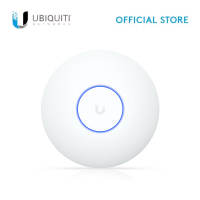
Ubiquiti U7 Lite Wi-Fi 7 4 Spatial Streams Ceiling Mounted 2.5 GbE Uplink PoE Wi-Fi Access Point
₱9,319.00₱10,415.00
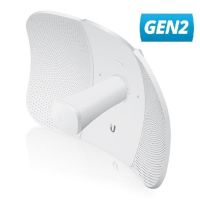
Ubiquiti LBE-5AC-Gen2 LiteBeam AC Gen2 Wireless Access Point (LBE 5AC GEN2)
₱5,850.00
Buy on Lazada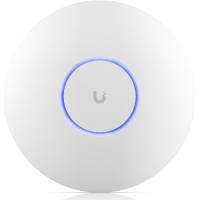
Ubiquiti U7-Pro UniFi 7 Pro 802.11be 2.4 / 5 / 6 GHz 2x2 MIMO WiFi 7 Access Point (U7-Pro)
₱16,850.00
Buy on Lazada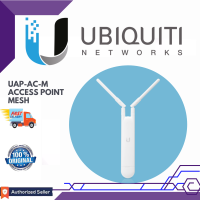
Ubiquiti Networks UAP-AC-M UniFi 802.11AC AP with Plug & Play Mesh Indoor/Outdoor 2.4/5GHz AP
₱8,475.00₱14,127.00
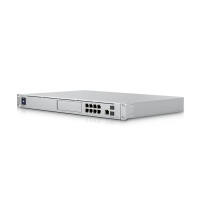
Ubiquiti UDM-SE Unifi Dream Machine Special Edition Security Gateway (UDM SE)
₱45,900.00
Buy on Lazada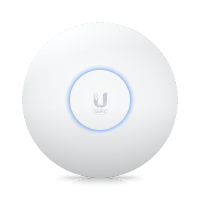
Ubiquiti U7-Lite UniFi 7 Lite 2x2 MIMO 2.5Gbe WiFi 7 Access Point (U7-Lite)
₱9,100.00
Buy on Lazada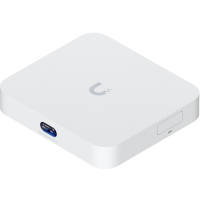
Ubiquiti UCG-Max Cloud Gateway Max (UCG-Max)
₱21,000.00
Buy on Lazada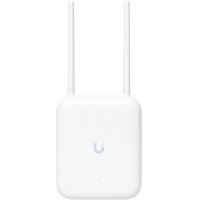
Ubiquiti U7-Outdoor UniFi All-Weather WiFi 7 Access Point (U7-Outdoor)
₱16,550.00
Buy on LazadaAbout UBiQUiTi
Overview
UBiQUiTi Inc., commonly branded as UBiQUiTi and frequently associated with the UI ticker symbol, is an American technology company that develops networking hardware, network management software, and physical security products 1. Its most prominent ecosystem is UniFi, which integrates Wi-Fi access points, switches, gateways, cameras, door access systems, and other IT infrastructure under a single management platform 3. The company is widely recognized for pursuing a high-performance yet cost-effective approach to professional networking, serving markets that range from home users and small businesses to large enterprises and Internet service providers (ISPs) 2. UBiQUiTi describes its broader mission as “democratizing network technology” and states that its equipment supports networking infrastructure in more than 200 countries and territories 1.
| Category | Information |
|---|---|
| Company name | UBiQUiTi Inc. |
| Former name | Ubiquiti Networks, Inc. |
| Industry | Networking technology, telecommunications, physical security |
| Founded | October 2003; operations began in 2005 |
| Founder | Robert J. Pera |
| Headquarters | New York City, United States |
| Stock ticker | NYSE: UI |
| Principal products | Networking hardware, Wi-Fi, routing, switching, fiber, wireless ISP equipment, cameras, access-control systems and software |
| Major ecosystem | UniFi |
| ISP platform | UISP |
| Consumer networking | AmpliFi |
| Other product families | airMAX, airFiber, EdgeMAX, UFiber and related platforms |
| Global reach | More than 200 countries and territories |
| CEO & Chairman | Robert J. Pera |
| Website | ui.com |
While SEC filings identify Robert Pera as the founder and list 2005 as the founding year, investor-relations materials cite October 2003 as the establishment date, noting that current operations commenced in 2005 411.
History
Foundation
UBiQUiTi was founded by Robert J. Pera, an engineer who previously worked in wireless engineering at Apple 4. Pera established the company in October 2003, with active business operations beginning in 2005 11. His background in electrical engineering and digital communications shaped the company’s early focus on wireless networking technologies 4. The initial objective was to make sophisticated wireless networking more affordable and accessible. Rather than adopting the traditional industry model of expensive enterprise hardware and large sales teams, UBiQUiTi emphasized engineering excellence, online distribution, community-driven marketing, and superior price-to-performance ratios 11. Early products included wireless radio cards and equipment designed for long-range connectivity, eventually expanding to serve wireless ISPs and organizations requiring connections over substantial distances 8.
Ubiquiti Networks era
For much of its early history, the company operated as Ubiquiti Networks, Inc. It became a publicly traded entity on October 13, 2011 1. Unlike many established networking vendors, UBiQUiTi historically relied less on a conventional sales force and more on distributors, online retailers, independent reviews, and its user community 2. This strategy helped build a significant following among wireless ISPs, network engineers, system integrators, small and medium-sized businesses, technology enthusiasts, home users, and enterprises 5.
Business model
A defining characteristic of UBiQUiTi is its emphasis on price-to-performance. While traditional enterprise vendors often bundle hardware with recurring software, support, or licensing fees, UBiQUiTi emphasizes hardware ownership, centralized management, and straightforward deployment 3. Current brand messaging highlights “No licenses. No subscriptions.” alongside native cloud management without associated fees for its core approach 3. Distribution channels include distributors, online retailers, direct web stores, value-added resellers, integrators, and its own online ecosystem 2. SEC filings indicate global sales through more than 100 distributors and retail partners. The company also places significant importance on its user and professional community, which has historically contributed product knowledge, deployment experiences, troubleshooting information, and informal technical support 5.
Major product ecosystems
UBiQUiTi has developed several distinct product families. Today, UniFi is the most recognizable ecosystem, while UISP serves ISPs and wireless/fiber network operators 7.
UniFi
UniFi is the company’s integrated networking and IT platform 3. Originally a centrally managed wireless networking system, it has expanded into a comprehensive infrastructure ecosystem comprising Wi-Fi access points, cloud gateways, routers, Ethernet switches, network security appliances, cameras, video surveillance systems, door access controls, intercoms, VoIP phones, sensors, power management products, storage solutions, and network management software 7. The central concept is a unified ecosystem rather than disparate devices; for example, a business can deploy gateways, switches, and access points, then add cameras or access control without introducing separate management platforms 5.
UniFi Network
UniFi Network serves as the management component for routers, gateways, switches, Wi-Fi access points, clients, VLANs, firewall policies, VPNs, traffic statistics, network topology, and wireless configuration 10. Documentation describes it as combining internet gateways, Wi-Fi, and switching with traffic dashboards, topology visualization, and optimization tools.
UniFi Protect
UniFi Protect is the video surveillance platform that integrates cameras with UBiQUiTi hardware and software 6. This allows users to manage cameras, recordings, and security functions within the same ecosystem, marking an evolution from a pure networking manufacturer to a broader IT and physical security platform provider 5.
UniFi Access
UniFi Access provides physical access control technology, including door controllers, card readers, doorbells, intercoms, electronic locks, credentials, and entry management software 6. The objective is integrating physical access with the same infrastructure used for networking and surveillance.
UniFi Talk
UniFi Talk is a VoIP platform designed to integrate telephony with the broader UniFi environment, reflecting the strategy of moving toward an integrated organizational technology platform 7.
UISP
UISP is the platform designed specifically for Internet service providers and network operators 2. Evolving from earlier management systems, it supports wireless broadband, point-to-point links, point-to-multipoint networks, routing, switching, fiber infrastructure, customer-premises equipment, power systems, and network management. The distinction between ecosystems is generally defined as UniFi for enterprise/business/consumer IT and UISP for ISPs and network operators 8.
airMAX
airMAX is a historically significant product family designed for long-range wireless networking, particularly for ISPs connecting locations without wired infrastructure 9. Applications include wireless broadband, rural internet, point-to-point and point-to-multipoint links, backhaul, campus connectivity, and remote site connections. This line helped establish UBiQUiTi’s reputation among wireless ISPs 8.
airFiber
airFiber focuses on high-capacity point-to-point wireless links intended to connect separate locations over longer distances 8. Unlike standard Wi-Fi for local areas, airFiber provides high-throughput wireless backhaul and has historically served as an alternative to fiber or leased lines for service providers.
UFiber
UFiber is the fiber-optic networking ecosystem targeting ISPs deploying fiber-to-the-home infrastructure 2. It applies the company’s cost-conscious networking philosophy to fiber access networks.
AmpliFi
AmpliFi represents consumer-oriented wireless networking efforts, including mesh routers, mesh access points, and consumer Wi-Fi systems 2. Unlike the professional UniFi line, AmpliFi is designed for user-friendly home networking rather than professional IT infrastructure.
EdgeMAX
EdgeMAX was a networking family popular with technically sophisticated users, comprising routers, switches, routing platforms, and management tools 2. Known for advanced capabilities at lower price points, it remains an important part of the company’s historical development despite the portfolio’s shift toward UniFi and UISP.
Technology and software philosophy
A key differentiator for UBiQUiTi is hardware and software integration. Devices are treated as components of a larger ecosystem rather than isolated products. A typical deployment flows from an internet connection to a UniFi Gateway, then to switches and Wi-Fi access points, finally reaching end devices 10. This infrastructure extends to UniFi Protect for cameras, UniFi Access for doors, UniFi Talk for telephones, and centralized applications for management. This integration drives adoption among home-lab enthusiasts, IT professionals, and small businesses 5.
Design philosophy
UBiQUiTi products share several defining characteristics:
- Centralized management: Emphasis on controlling multiple devices through a common interface 10.
- Industrial/minimalist design: Particularly in UniFi, hardware features clean aesthetics suitable for visible installation in modern environments 5.
- Price-to-performance: Offering enterprise-associated capabilities at lower hardware prices, described as “disruptive price-performance characteristics” 3.
- Integrated ecosystem: Networking, surveillance, and access control function as unified systems rather than silos 7.
- Community-driven adoption: Significant visibility gained through online communities, reviews, tutorials, and enthusiasts 5.
Current UniFi product structure
As of 2026, the UniFi ecosystem includes:
| Area | Examples |
|---|---|
| Cloud Gateways | Dream Machine, Dream Router, Cloud Gateway |
| Switching | PoE, aggregation and enterprise switches |
| Wi-Fi | Wi-Fi 6, 6E and Wi-Fi 7 access points |
| Cameras | UniFi Protect cameras |
| Door Access | UniFi Access |
| VoIP | UniFi Talk |
| Storage | UniFi/UNAS storage products |
| Sensors | Environmental and security sensors |
| Management | UniFi Network, Protect, Access and related applications |
The catalog includes Wi-Fi 7 products such as U7-series access points and enterprise-oriented E7 models 3.
UBiQUiTi and Wi-Fi
Wi-Fi is the technology most closely associated with UBiQUiTi, with access points ranging from home units to high-density enterprise hardware. Current products support Wi-Fi 6, 6E, and 7, along with 2.5 GbE, 10 GbE, 6 GHz spectrum, mesh networking, PoE, centralized RF management, and wireless intrusion/security features 3. The portfolio covers homes, businesses, outdoor installations, and high-density enterprise environments.
Corporate structure
UBiQUiTi Inc. is a publicly traded American corporation listed on the New York Stock Exchange under the ticker UI 1. Principal executive offices are located in New York City. Founder Robert J. Pera serves as Chief Executive Officer and Chairman of the Board, having led the company since its inception 4.
Financial development
From its origins as a wireless specialist bootstrapped with $30,000 in 2005, UBiQUiTi has grown substantially 11. For fiscal year 2025, SEC filings reported approximately $2.57 billion in revenue, with operating income of roughly $836 million and net income of approximately $712 million. By fiscal 2026, the company continued reporting quarterly results, representing a significantly larger business than its early iteration 1.
Global presence
UBiQUiTi maintains a strong presence in markets requiring cost-effective networking infrastructure. Devices contribute to infrastructure in more than 200 countries and territories, with aggregate shipments approaching 85 million units 1. Customers span homes, small businesses, hotels, schools, universities, warehouses, retail stores, offices, large enterprises, wireless ISPs, fiber operators, and municipal networks 2.
Comparison with traditional enterprise networking
Unlike vendors such as Cisco, Aruba, or Juniper that emphasize large enterprise contracts and extensive support organizations, UBiQUiTi combines professional capabilities with relatively inexpensive hardware, centralized software, and community support 5. This appeals to smaller organizations seeking enterprise-style networking without traditional costs and complexity. However, its distinct philosophy, ecosystem, and support model make it a unique category rather than simply a low-cost alternative 7.
Community
The UBiQUiTi Community is integral to the ecosystem, with users sharing network designs, configuration guides, troubleshooting data, reviews, deployment experiences, home-lab projects, and enterprise implementations 5. This community-driven approach has provided visibility beyond conventional IT procurement channels and connects customers, providers, and professionals with the company.
Brand identity
The name UBiQUiTi derives from “ubiquity,” reflecting the historical mission of expanding connectivity everywhere 4. While earlier messaging focused on connecting people and things, current messaging emphasizes building an integrated IT infrastructure platform. The modern brand represents an ecosystem of infrastructure rather than individual devices 3. Note that UBiQUiTi is an informal stylization; the standard corporate capitalization is Ubiquiti.
Major strengths
Key strengths include strong price-to-performance, a broad networking portfolio, attractive hardware design, unified management, a large user community, an extensive product ecosystem, strong Wi-Fi offerings, long-range wireless expertise, ISP-focused technologies, and integration between networking and physical security 35.
Criticism and limitations
UBiQUiTi is not universally considered a replacement for traditional enterprise vendors. Limitations include support models differing from enterprise standards, specialized requirements favoring niche vendors, potential vendor lock-in, firmware changes affecting deployments, confusing product positioning due to portfolio breadth, and preferences among some professionals for open architectures 7. These issues are most relevant when comparing against high-end enterprise vendors rather than consumer brands.
Evolution of the brand
- 2003: Robert Pera establishes UBiQUiTi 4.
- 2005: Current business operations begin 11.
- Mid-2000s: Focus on wireless networking and radio technology.
- Late 2000s: Growth in wireless ISP and long-range networking markets 8.
- 2011: Company becomes publicly traded 1.
- 2010s: Expansion into UniFi, EdgeMAX, airMAX, airFiber, and AmpliFi ecosystems 2.
- Late 2010s–2020s: UniFi evolves from Wi-Fi/networking to a broader IT ecosystem 6.
- 2020s: Expansion into cameras, access control, communications, storage, sensors, and enterprise networking 7.
- 2026: Positioned as a unified provider of networking and physical-security infrastructure with UniFi and UISP as major software ecosystems 3.
References
- Ubiquiti – Wikipedia
- Ubiquiti Inc. – shopping guide | Part 1 | gateways, switches, access points. – Batna24.com
- Ubiquiti: UniFi – Rethinking IT
- A history of Ubiquiti – News at NetworkTigers
- What is Ubiquiti: the brand, the UniFi ecosystem and who it suits | TIPTECH
- History of Ubiquiti Networks UniFi: From DIY Controllers to AI Security (2013–2025)
- What is Ubiquiti: the brand, the UniFi ecosystem and who it suits | TIPTECH
- Ubiquiti – Wikipedia
- Ubiquiti – Wikipedia
- Ubiquiti – Wikipedia
- A history of Ubiquiti – News at NetworkTigers