Shop on Lazada
Uniqlo products
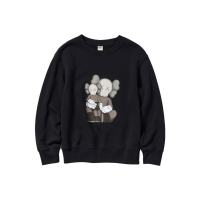
UNIQLO x KAWS SS23 Sweatshirt Unisex Black 467773-09
₱15,581.00
Buy on Lazada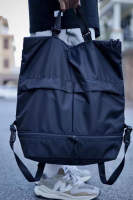
UNIqlo trendy brand backpacks for men and women commuting bags shoulder handbags backpacks large-capacity nylon bags
₱399.00₱900.00
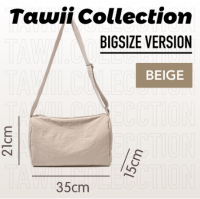
New UNIQLO Nylon bag waterproof bag Large capacity fitness bag Solid Color Messenger Bags Korea fashion
₱298.00₱890.00
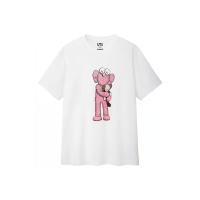
UNIQLO X KAWS UNIQLO KAWS T Shirts Unisex Crew Neck Moderate Straight Fit UQ422017000
₱23,878.00
Buy on Lazada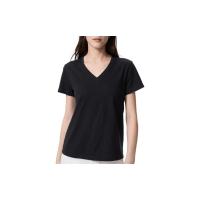
UNIQLO SS26 T Shirts Womens Black V Neck Moderate 483460-09
₱7,281.00
Buy on Lazada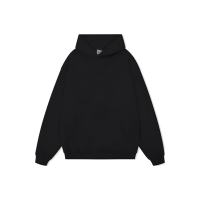
UNIQLO x Clare Waight Keller C Collection FW24 Sweatshirt Unisex Black 471808-09
₱13,414.00
Buy on Lazada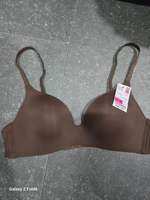
UNI QLO SEAMLESS BRA NON-WIRED
₱269.00
Buy on Lazada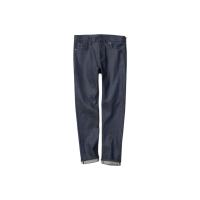
UNIQLO Jeans Mens Navy Blue Moderate Slim Fit Pants
₱10,704.00
Buy on LazadaAbout Uniqlo
UNIQLO is a Japanese global apparel company known for designing, manufacturing, and retailing high-quality everyday clothing. Rather than focusing on rapidly changing fashion trends, UNIQLO emphasizes timeless, functional, and affordable clothing that combines simplicity, comfort, and innovation. The company is a subsidiary of Fast Retailing Co., Ltd., one of the world’s largest fashion retail groups. [1]
Overview
-
Brand Name: UNIQLO
-
Parent Company: Fast Retailing Co., Ltd.
-
Founded: June 2, 1984
-
Headquarters: Yamaguchi, Japan
-
Industry: Apparel and Fashion Retail
-
Products: Casual clothing, activewear, accessories, innerwear, outerwear, and children’s clothing
-
Business Model: Specialty retailer with end-to-end control over design, sourcing, production, and retail operations. [2]
History
UNIQLO’s roots trace back to 1949, when the business began as a textile manufacturer in Yamaguchi, Japan. The first store under the name “Unique Clothing Warehouse” opened in Hiroshima in 1984.
The brand name “UNIQLO” resulted from a registration error. The intended abbreviation was “UNICLO”, but during registration in Hong Kong, the letter “C” was mistakenly recorded as “Q”. The company adopted the new spelling, which became its globally recognized brand identity. [3]
Philosophy: LifeWear
UNIQLO’s core concept is LifeWear, a philosophy centered on creating clothing that is:
-
Simple and timeless
-
Comfortable for everyday use
-
Functional and innovative
-
High quality at accessible prices
Rather than producing trend-driven collections every few weeks, UNIQLO develops wardrobe essentials designed for long-term use. This approach distinguishes the brand from many traditional fast-fashion retailers. [4]
Product Categories
UNIQLO offers clothing for men, women, children, and babies, including:
-
T-shirts and polo shirts
-
Jeans and trousers
-
Dresses and skirts
-
Shirts and blouses
-
Jackets and coats
-
Sweaters and knitwear
-
Sportswear
-
Innerwear
-
Loungewear
-
Accessories
-
Seasonal collections
Many products are designed to be versatile and easy to mix and match.
Signature Technologies
One of UNIQLO’s strengths is its investment in fabric innovation. Popular proprietary technologies include:
HEATTECH
A lightweight fabric that captures body heat while remaining breathable, providing warmth without bulky layers.
AIRism
Designed for warm weather, AIRism fabric is breathable, moisture-wicking, quick-drying, and soft against the skin.
Ultra Light Down
Lightweight insulated jackets that provide warmth while remaining compact and easy to pack.
DRY-EX
High-performance sports fabric that dries quickly and helps regulate body temperature during physical activity. [5]
Design Philosophy
UNIQLO follows a minimalist design approach characterized by:
-
Neutral color palettes
-
Clean silhouettes
-
Limited logos
-
Functional details
-
High versatility
Its collections are intended to suit a wide range of ages, lifestyles, and body types.
Global Expansion
From a single store in Japan, UNIQLO has grown into one of the world’s largest clothing retailers, operating thousands of stores across Asia, Europe, North America, and Oceania. The company has a particularly strong presence in Japan, Mainland China, South Korea, Southeast Asia, the United States, Canada, and several European countries. [6]
Collaborations
UNIQLO frequently partners with designers, artists, brands, and cultural organizations, including collaborations with:
-
KAWS
-
Alexander Wang
-
JW Anderson
-
Marimekko
-
MARNI
-
Studio Ghibli
-
Disney
-
Pokémon
-
The Museum of Modern Art (MoMA)
These collaborations often produce limited-edition collections while maintaining the brand’s focus on accessible pricing. [7]
Sustainability
UNIQLO has expanded its sustainability efforts by focusing on:
-
Recycling and clothing collection programs
-
Increased use of recycled materials
-
Reducing greenhouse gas emissions
-
Responsible sourcing
-
Improving supply chain transparency
-
Producing durable garments intended for longer use
The company positions durability and longevity as important components of reducing clothing waste. [8]
Brand Positioning
UNIQLO occupies a market position between budget fast-fashion retailers and premium fashion brands. It competes through:
-
Consistent product quality
-
Functional fabrics
-
Reasonable pricing
-
Minimalist aesthetics
-
Reliable sizing
-
Everyday essentials rather than rapidly changing trends
This strategy has helped the company build a broad customer base across different age groups and markets. [9]
Brand Identity
UNIQLO’s brand is commonly associated with:
-
Japanese craftsmanship
-
Simplicity
-
Innovation
-
Quality basics
-
Everyday comfort
-
Functional design
-
Value for money
Its signature red-and-white logo and neatly organized retail stores reinforce a clean, modern, and accessible brand image.
Summary
UNIQLO has evolved from a Japanese apparel retailer into a global fashion brand recognized for its LifeWear philosophy—creating simple, functional, and durable clothing for everyday life. Through textile innovation, minimalist design, and a focus on quality at affordable prices, the company has established itself as one of the world’s leading apparel retailers, offering wardrobe essentials that prioritize comfort, practicality, and longevity over short-lived fashion trends. [10]