Shop on Lazada
Vernel products
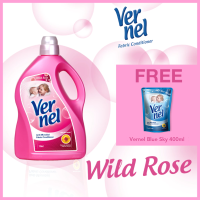
Vernel Wild Rose Fabric Conditioner 1 Gallon (Promo)
₱738.00
Buy on Lazada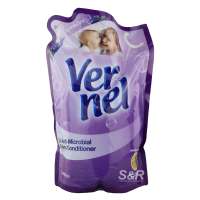
Vernel Lavender Anti-Microbial Fabric Conditioner 1.8L
₱308.00
Buy on Lazada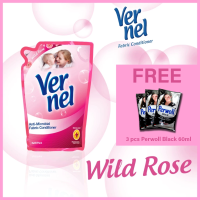
Vernel Wild Rose Fabric Conditioner 1.8 Liter (Promo)
₱317.00
Buy on Lazada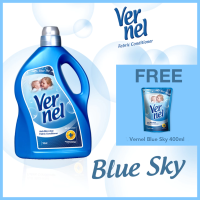
Vernel Blue Sky Fabric Conditioner 1 Gallon (Promo)
₱738.00
Buy on Lazada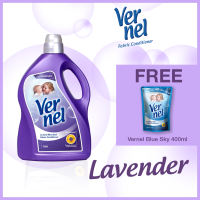
Vernel Lavender Fabric Conditioner 1 Gallon (Promo)
₱738.00
Buy on Lazada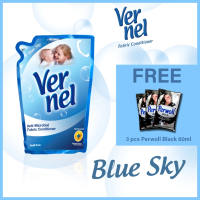
Vernel Blue Sky Fabric Conditioner 1.8 Liter (Promo)
₱317.00
Buy on Lazada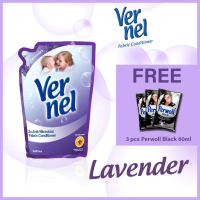
Vernel Lavender Fabric Conditioner 1.8 Liter (Promo)
₱317.00
Buy on Lazada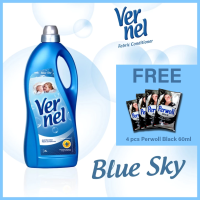
Vernel Blue Sky Fabric Conditioner 2 Liter (Promo)
₱443.00
Buy on LazadaAbout Vernel
Vernel is a German-origin fabric softener and laundry care brand owned by Henkel. It is primarily recognised for products that soften clothes while imparting a lasting fragrance. Vernel has been part of Henkel’s Laundry & Home Care business for more than five decades and is marketed in numerous countries, particularly across Europe and other international markets.1
Brand overview
| Attribute | Information |
|---|---|
| Brand | Vernel |
| Industry | Laundry & Home Care |
| Main category | Fabric softeners / fabric conditioners |
| Owner | Henkel |
| Origin | Germany |
| First introduced | 1969 |
| Core proposition | Softness + fragrance |
| Major product themes | Classic, Sensitive, Aromatherapy, Freshness and Naturals |
| Major markets | Europe and selected international markets |
| Brand positioning | Everyday laundry care with a sensory/fragrance experience |
Vernel traces its origins to 1969, when it was introduced in Germany with a campaign focused on combating the stiffness and roughness of dried laundry. A successful test launch had taken place in Bavaria in 1968 before the brand was rolled out nationally the following year.2
History
1968–1969: The beginning
Vernel emerged at a time when dried laundry often became noticeably rough and stiff. Following a test introduction in Bavaria in 1968, Vernel was launched nationally in Germany in 1969.2
Its original marketing centred on the problem of Trockenstarre, or the stiffness associated with dried clothing. The brand presented fabric softening as a way of making laundry more pleasant and comfortable to wear.2 The early proposition was straightforward: laundry should not merely be clean but should also feel soft. This concept became the foundation for Vernel’s later identity.
1970s: From softness to fragrance
During the 1970s, consumers began associating Vernel not only with softness but also with pleasantly scented laundry. This shift moved the product from being purely functional towards a more sensory experience.1 Vernel gradually developed a dual promise of softness combined with fragrance, a combination that has remained central to the brand.
1980s: Product and fragrance innovation
In the 1980s, Vernel expanded its range with new fragrance variants and laundry-related innovations. Henkel’s historical accounts describe this period as an era of innovation, including developments such as dryer sheets, concentrates, refill packs and new fragrances.2 The visual identity of the brand also evolved as Vernel increasingly presented itself as a modern laundry care brand rather than simply a functional softener.
1990s: The family softener
By the 1990s, Vernel had developed an image as a family-oriented fabric softener, emphasising the pleasant experience of wearing soft, freshly scented clothes. Fragrance became increasingly important, with different scents helping Vernel appeal to varying consumer preferences.3
2000s: Sensory positioning
The 2000s marked an expansion of Vernel’s positioning towards well-being and sensory experiences. In 2004, Henkel introduced Vernel Skin Sensitive in response to growing consumer interest in products designed for sensitive skin. The product was developed with a particularly mild formulation suitable for delicate baby skin.1
Vernel subsequently developed its Aromatherapy concept, incorporating selected essential oils and positioning fabric softening as an experience involving touch, smell and personal well-being. Sources place the launch of the Aromatherapy range in the mid-2000s, with individual markets using slightly different launch dates.1
2010s: Long-lasting fragrance
During the 2010s, Vernel increasingly emphasised long-lasting fragrance. One notable innovation was Vernel Crystals, a fragrance-focused laundry product designed to release scent progressively. Historical material describes the crystals as an innovation intended to provide a longer-lasting fragrance experience.1
Vernel also developed products such as Soft & Oils, which combined fabric softening with essential oils and additional fabric care positioning. Henkel highlighted this innovation in its 2014 annual report.1
2020s: Sustainability and new technology
Recent development has included increasing attention to packaging sustainability. Henkel introduced Vernel Naturals products using a vegan formula and ingredients described as 99% nature-based, with bottles made from recycled plastic.1
Henkel also used Vernel as a pilot brand for digital watermark technology intended to improve the sorting and recycling of plastic packaging.1 More recently, Henkel introduced an updated Vernel formula and positioning in Germany in February 2026, presenting it as a fabric softener designed for a broader range of textiles, including conventional fabrics and certain functional garments. The relaunch included updated packaging and fragrance technology.4
Products
Vernel’s exact portfolio differs by country, but the brand generally revolves around several major product concepts.
Fabric softeners
The core Vernel product is the liquid fabric softener. Added during the rinse stage of washing, it is designed to make fabrics feel softer, reduce the rough feeling associated with drying, provide fragrance and improve the sensory experience of freshly washed clothing. Some formulations also reduce static electricity and make ironing easier. The German brand site describes the product’s central appeal as soft laundry combined with a fragrance experience.1
Sensitive
Vernel has developed sensitive-skin-oriented variants for consumers seeking a milder laundry care experience. The Sensitive concept dates back to 2004.1
Aromatherapy
The Aromatherapy range is one of Vernel’s most distinctive extensions. It uses fragrance and, in relevant formulations, essential oils to create a more luxurious and sensory positioning. Rather than selling fabric softener purely as a cleaning accessory, the concept presents it as a small personal indulgence or well-being ritual.1
Naturals
Vernel Naturals represents the brand’s move towards formulations and packaging with stronger sustainability credentials. Naturals products use vegan formulations, 99% nature-based ingredients in the cited range, and bottles made from recycled plastic.1
Freshness and fragrance products
Vernel offers products centred on freshness, fragrance intensity and longer-lasting scent. Precise names and formulations vary substantially by market. For example, the Turkish portfolio includes Vernel Max, Max Naturals, Max Suprême, Max Fresh Control and Max Sensitive.5
Brand identity
Vernel’s identity can be summarised through three major concepts.
Softness
Softness is the historical foundation of Vernel. The brand was originally introduced specifically to address the stiffness and roughness of dried laundry.2
Fragrance
Over time, fragrance became almost as important as softness. Vernel transformed fabric softener from a purely functional laundry product into something associated with how clothes smell and feel after washing. Henkel describes Vernel as delivering both softness and a pleasant, long-lasting fragrance.1
Emotional experience
Vernel’s marketing increasingly connects laundry with feelings such as comfort, freshness, pleasure and personal well-being. This is particularly visible in the Aromatherapy and premium fragrance concepts. Consequently, the brand is positioned not simply as a chemical product that softens fabric, but as an easy everyday luxury that makes freshly washed clothes feel and smell better.
Vernel and Henkel
Vernel belongs to Henkel, the German multinational company behind a large portfolio of consumer and industrial brands. Within Henkel, Vernel has historically been part of the Laundry & Home Care business.1 While Henkel’s portfolio includes other major laundry brands, Vernel occupies a distinct position focused heavily on fabric softness and fragrance.
Henkel’s international operations mean that Vernel does not have exactly the same portfolio everywhere. Fragrances, product names, packaging, formulations and communication can differ according to local markets. This is partly because fragrance preferences differ geographically; Henkel notes, for example, that floral fragrances tend to be more popular in Southern Europe, while preferences can differ in other regions.1
International presence
Vernel is particularly established in European markets, although the brand has also been introduced in other regions. An interesting example is Turkey, where Vernel entered the market in 1976. Henkel describes it as Turkey’s first fabric softener brand and notes that the brand became so culturally familiar that the verb-like expression Vernellemek developed around the idea of softening laundry with Vernel.6
Vernel has also been marketed in countries including Germany, Spain, Italy, France, Switzerland, Mexico and others, with local websites and locally adapted product portfolios.1
Sustainability
Sustainability has become increasingly visible in Vernel’s recent development. Vernel Naturals features vegan formulations, a high proportion of nature-based ingredients and bottles made from recycled plastic.1
Another development is Henkel’s EcoFloat packaging technology. This uses a floatable sleeve that can be separated from PET bottle material during recycling. Relevant European fabric finisher bottles use 100% recycled plastic and are recyclable with the sleeve remaining on the bottle.1
Vernel was also used in Henkel’s HolyGrail 2.0 pilot project, investigating digital watermarks as a way of improving the sorting of packaging for recycling.1
Marketing strategy
Vernel’s marketing has evolved considerably since 1969. Original advertising concentrated on the functional problem of rough, stiff laundry. Later advertising expanded towards softness, freshness, fragrance, family comfort, personal well-being, premium fragrance experiences, long-lasting scent, sensitive skin care and sustainability.
This represents a classic evolution from functional branding to emotional branding. While the physical benefit of softening fabric remains important, Vernel has increasingly used fragrance as a way of differentiating itself from competing fabric conditioners.
Brand positioning
A simplified positioning map places laundry detergent as primarily associated with cleanliness, while fabric softener is associated with softness and fragrance. Vernel specifically targets softness combined with long-lasting fragrance and sensory enjoyment. This positioning explains why Vernel has invested heavily in fragrance technology and fragrance-based product variants. Henkel’s fragrance specialists work with regional preferences when developing fragrances for products sold in different markets.1
Key milestones
| Year | Milestone |
|---|---|
| 1968 | Successful Vernel test introduction in Bavaria |
| 1969 | Vernel launched nationally in Germany |
| 1970s | Fragrance becomes an increasingly important part of the proposition |
| 1976 | Vernel enters Turkey |
| 1980s | New fragrances, concentrates, dryer-related products and packaging innovations |
| 1990s | Vernel strengthens its family-oriented positioning |
| 2004 | Vernel Sensitive introduced |
| 2000s | Aromatherapy concept developed |
| 2010s | Crystals and other long-lasting fragrance innovations |
| 2014 | Vernel Soft & Oils highlighted as a major fabric softener innovation |
| 2020 | Naturals and packaging/recycling initiatives gain prominence |
| 2023 | EcoFloat sleeve technology recognized for packaging innovation |
| 2026 | New German Vernel formula positioned for a wider range of textiles |
The dates above combine Henkel’s global history with country-specific Vernel histories, so individual product launches can occur in different years depending on the market.1
References
- Vernel – Laundry Softener Products – Henkel
- Geschichte und Produkte: Alles über Vernel | Vernel
- Suavizante Vernel | Historia y Productos
- Vernel setzt Maßstäbe mit neuer Dufttechnologie – und jetzt für alle Textilien
- Vernel – Çamaşır Yumuşatıcısı Ürünleri – Henkel
- Vernel çamaşır yumuşatıcı | Tarihçesi ve Ürünler