Shop on Lazada
Westinghouse products
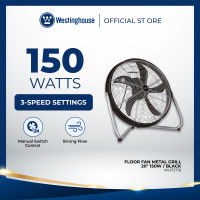
Westinghouse Floor Fan Metal Grill 20 150W Black/Silver - WH72716
₱5,200.00
Buy on Lazada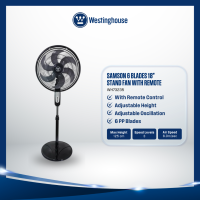
Westinghouse Samson 18″ Stand Fan With Remote - WH73235
₱3,600.00
Buy on Lazada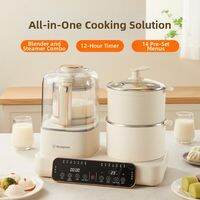
Westinghouse | Steam & Multifunctional Baby Food Processor
₱10,709.60₱12,208.61
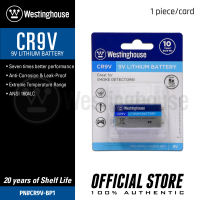
Westinghouse CR9V-BP1 Lithium 9V Rectangle Battery ANSI 1604LC for Smoke Alarms Smoke Detectors Walkie-Talkies Transistor Radios Medical Batteries LCD displays and Other Small Portable Items 1 Piece
₱750.00
Buy on Lazada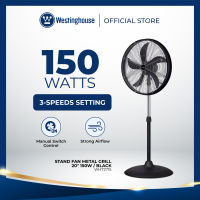
Westinghouse Stand Fan Metal Grill 20 150W Black/Silver - WH72715
₱8,000.00
Buy on Lazada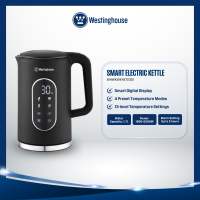
Westinghouse Smart Electric Kettle WHWKWKY8723D1
₱2,400.00
Buy on Lazada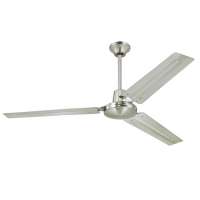
Westinghouse Industrial Ceiling Fan 3-Blade 56″ Brushed Nickel - WHI56BN
₱7,300.00
Buy on Lazada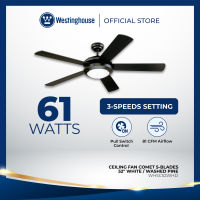
Westinghouse Ceiling Fan Comet 5-Blade 52″ Matte Black - WH5C52BKD
₱9,100.00
Buy on LazadaAbout Westinghouse
Overview
| Attribute | Details |
|---|---|
| Brand Name | Westinghouse |
| Founded | 1886 |
| Founder | George Westinghouse |
| Original Headquarters | Pittsburgh, Pennsylvania, USA |
| Industry (Originally) | Electrical engineering, power generation, industrial equipment |
| Current Business Model | Global trademark licensing and technology businesses |
| Known For | AC electrical systems, household appliances, TVs, lighting, generators, nuclear technology |
Westinghouse is one of the oldest and most influential industrial brands in the United States. Founded in 1886 by inventor and entrepreneur George Westinghouse, the company played a central role in the development of modern electrical power systems, particularly the adoption of alternating current (AC) electricity. Over more than 140 years, the Westinghouse name has expanded from heavy electrical engineering into household appliances, consumer electronics, nuclear energy, lighting, and many other product categories. Today, the Westinghouse trademark is primarily managed through brand licensing, with products manufactured by various independent companies under license. [2]
History
Foundation (1886)
George Westinghouse established Westinghouse Electric Corporation after already becoming famous for inventing the air brake used on railroads.
His vision was to commercialize alternating current (AC) electricity, which could transmit power efficiently over long distances.
At the time, Thomas Edison strongly promoted direct current (DC) systems. The rivalry between AC and DC became known as the “War of Currents.”
Westinghouse partnered with Nikola Tesla, purchasing Tesla’s AC patents and developing the first practical AC power distribution system. Their success helped establish AC as the global standard for electricity transmission. [2]
Major Achievements
Niagara Falls Power Project (1895–1896)
One of Westinghouse’s greatest accomplishments was building the hydroelectric power system at Niagara Falls.
This project demonstrated that electricity could be transmitted many miles from the generating station to cities like Buffalo, New York, proving the superiority of AC technology. It became one of the defining engineering achievements of the 19th century. [3]
Electrification of America
Westinghouse manufactured:
-
Generators
-
Transformers
-
Circuit breakers
-
Switchgear
-
Electric motors
-
Industrial controls
Its technology became foundational to electrical grids across North America and later around the world. [3]
Industrial Expansion
During the 20th century, Westinghouse diversified into:
-
Home appliances
-
Consumer electronics
-
Radio broadcasting
-
Television
-
Military technology
-
Aerospace
-
Elevators
-
Nuclear reactors
-
Lighting
-
Railway systems
For decades it ranked among the world’s largest industrial corporations. [4]
Innovation
Westinghouse engineers contributed to numerous technologies, including:
-
Alternating current (AC) power systems
-
Large power transformers
-
Steam turbines
-
Electric locomotives
-
Nuclear power plants
-
Household electrical appliances
-
Television technology
-
Microwave ovens
-
Industrial automation
George Westinghouse himself received more than 360 patents. [2]
Nuclear Energy
Westinghouse became one of the pioneers of commercial nuclear power.
Notable milestones include:
-
Development of the world’s first commercial pressurized water reactor (PWR).
-
Design of nuclear reactors used across dozens of countries.
-
The modern AP1000® Generation III+ nuclear reactor.
-
Development of the eVinci™ microreactor for future energy systems.
Today, the nuclear business continues independently as Westinghouse Electric Company, a global supplier of nuclear technologies and services. [5]
Consumer Products
Over many decades, Westinghouse became a household name through products such as:
Home Appliances
-
Refrigerators
-
Washing machines
-
Dryers
-
Dishwashers
-
Air conditioners
-
Ovens
-
Microwaves
Electronics
-
Televisions
-
Computer monitors
-
Audio equipment
-
Smart TVs
Electrical Products
-
Generators
-
Portable power stations
-
Batteries
-
Lighting
-
Ceiling fans
-
Smart home devices
The exact manufacturer varies by product category because the trademark is licensed to different companies. [2]
What Happened to the Original Company?
During the 1990s, the original Westinghouse Electric Corporation shifted away from industrial manufacturing.
Key events included:
-
Sale of many industrial divisions.
-
Acquisition of CBS Inc.
-
Renaming of the corporation as CBS Corporation in 1997.
-
Separation of the remaining industrial businesses.
-
Creation of a licensing organization to manage the famous Westinghouse trademark.
As a result, the original manufacturing conglomerate no longer exists as a single company. Instead, the Westinghouse brand lives on through multiple businesses and licensed products. [4]
Brand Licensing Today
Unlike brands that manufacture everything themselves, Westinghouse now operates largely as a licensed brand.
Different companies receive permission to produce products carrying the Westinghouse name, including categories such as:
-
Televisions
-
Kitchen appliances
-
Lighting products
-
Power equipment
-
Batteries
-
HVAC products
-
Electrical accessories
This means two Westinghouse products may come from entirely different manufacturers while sharing the same trademark and quality standards defined by the brand owner. [4]
Brand Identity
Westinghouse is widely associated with:
-
Engineering excellence
-
American industrial heritage
-
Reliability
-
Innovation
-
Energy
-
Electrical technology
-
Durability
Its iconic logo, redesigned by Paul Rand in 1959, remains one of the most recognizable corporate symbols in industrial design.
Global Presence
Today, Westinghouse-branded products are sold in more than 100 countries through licensed partners and distributors. Product categories include:
-
Smart TVs
-
Home appliances
-
Portable generators
-
Outdoor power equipment
-
Lighting
-
Ceiling fans
-
Batteries
-
Industrial solutions
-
Nuclear technologies
Interesting Facts
-
Founded in 1886, making it one of America’s oldest industrial brands.
-
Helped make AC electricity the worldwide standard.
-
Worked closely with Nikola Tesla during the electrification era.
-
Built the electrical system for the Niagara Falls hydroelectric project.
-
Once employed hundreds of thousands of people worldwide across numerous industries.
-
The Westinghouse name today represents both a historic engineering legacy and a modern licensing brand used across a wide range of consumer and industrial products. [3]