Shop on Lazada
wkuk products
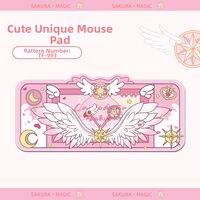
wkuk | Extra Large Magical Girl Sakura Mouse Pad Cute Office Desk Mat
₱474.00₱817.00
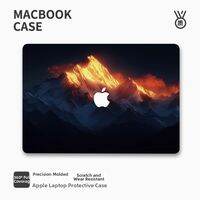
wkuk | All-around Soft Shockproof Laptop Shell
₱834.00₱1,174.00
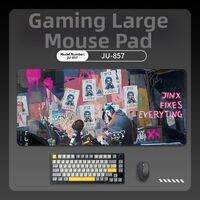
wkuk | Gaming Oversized Mouse Pad for LoL Jinx Desk Mat
₱999.00₱1,342.00

wkuk | Cute and Stylish Small Wrist Rest Mouse Pad
₱695.00₱1,038.00

wkuk | Ergonomic Mouse Pad Wrist Rest Elbow Pad Keyboard Support Small
₱242.00₱581.00
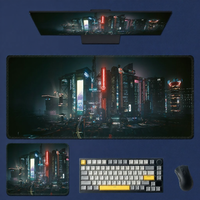
wkuk | Cyberpunk Style Gaming Mouse Pad
₱550.00₱893.00
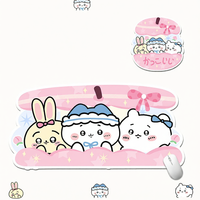
wkuk | Extra Large Unusual Cute Cartoon Aesthetic Mouse Pad
₱477.00₱817.00
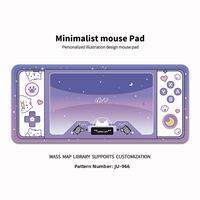
wkuk | Extra Large Cartoon Desk Mat for Gaming and Computer High Beauty Womens Thickening Lock Edge
₱844.00₱1,187.00
About wkuk
The Whitest Kids U’ Know (WKUK) is an American comedy troupe and entertainment brand recognized for its surreal, provocative, and deliberately absurd sketch comedy. The group gained significant influence during the early internet video era before launching its own television series, The Whitest Kids U’ Know, which aired from 2007 to 2011 on Fuse and IFC.1 The original lineup comprised Trevor Moore, Zach Cregger, Sam Brown, Timmy Williams, and Darren Trumeter, who developed a distinctive style blending dark humor, historical references, parody, and unexpected punchlines.1
Quick facts
| Category | Information |
|---|---|
| Name | The Whitest Kids U’ Know |
| Abbreviation | WKUK |
| Type | Comedy troupe / entertainment brand |
| Origin | New York City, United States |
| Founded | 1999 |
| Core members | Trevor Moore, Zach Cregger, Sam Brown, Timmy Williams, Darren Trumeter |
| Primary genre | Sketch comedy |
| Television series | The Whitest Kids U’ Know |
| TV run | 2007–2011 |
| Networks | Fuse, IFC |
| Original series | 5 seasons, 60 episodes |
| Notable later project | Mars |
| Official merchandise | Clothing, hoodies, shirts, accessories and other WKUK products |
Formed in 1999, the members initially built their reputation through live performances and independently produced comedy before transitioning to digital and television platforms.1
History
Formation
WKUK originated in New York City around the turn of the millennium. Trevor Moore relocated to New York from Charlottesville, Virginia, to attend the School of Visual Arts, where he became involved in filmmaking and comedy and eventually emerged as a central creative force within the group.1
The name “The Whitest Kids U’ Know” was adopted somewhat accidentally. According to Moore, Sam Brown was rapping during a skit when an observer commented that the performers were “the whitest kids” they knew. The phrase stuck and became the group’s official name. Although the members reportedly disliked the name almost immediately, changing it after achieving internet popularity was deemed impractical as the moniker was already firmly associated with their work.
Rise through the internet
A defining aspect of WKUK’s history is its relationship with the early internet. Before YouTube became the dominant video platform, WKUK sketches circulated via the group’s website and were subsequently uploaded by fans. Some of these fan-uploaded videos accumulated millions of views, helping the group establish a substantial audience without traditional studio promotion.
This success placed WKUK at the forefront of a transitional period in American comedy, marking a shift from traditional live performance and television toward internet-native entertainment. Moore described the group’s online success as largely fan-generated, noting that the audience’s distribution efforts created sufficient attention to attract television executives.
Television series
The troupe’s online following led to the creation of The Whitest Kids U’ Know, a television sketch-comedy series. The program premiered on Fuse in 2007 before moving to IFC, ultimately running for five seasons and 60 episodes until its conclusion in 2011.1
The television show retained the troupe’s characteristic style, featuring:
- Absurdist comedy
- Dark humor
- Satire
- Historical references
- Physical comedy
- Surreal situations
- Deliberately offensive or provocative jokes
- Recurring characters and concepts
- Extremely short sketches mixed with longer comedic pieces
Rather than adhering to a conventional sitcom format, WKUK was structured around a succession of sketches, allowing the group to transition rapidly between unrelated premises.
Comedy style
WKUK’s identity resists simple categorization. While broadly described as absurdist sketch comedy, the troupe frequently blended multiple forms of humor within a single sketch. A typical concept might begin with an ordinary situation before escalating into ridiculousness, violence, surrealism, or historical bizarreness.
Historical comedy
History was a significant element of Trevor Moore’s writing. The group deliberately avoided relying heavily on contemporary pop-culture references to ensure their material remained understandable over time. Consequently, historical subjects became a recurring source of content, with the troupe combining absurd comedy with figures and events from wars, politics, religion, and American history.
Internet-era sensibility
Developing during the formative years of online video culture, WKUK produced sketches that were short, quotable, and visually simple. This made their material particularly suited to early YouTube and other video-sharing platforms. In retrospect, WKUK is viewed as one of the comedy groups that demonstrated how internet audiences could facilitate mainstream entertainment careers.
Members
Trevor Moore
Trevor Moore was a founder and the most prominent creative figure in WKUK, serving as a performer, writer, filmmaker, and musician. He was instrumental in shaping the group’s distinctive comedic style. Moore died in 2021 at the age of 41, an event that significantly impacted the WKUK community and influenced subsequent projects.1
Zach Cregger
Zach Cregger was an original performer and writer. Following his time with WKUK, he continued working in film and television, gaining prominence as a filmmaker.1
Sam Brown
Sam Brown was an original member and a key performer and writer. He has also been involved in maintaining and developing the group’s post-television projects.1
Timmy Williams
Timmy Williams was one of the original five members, becoming recognizable for his unusual characters and eccentric comedic performances.1
Darren Trumeter
Darren Trumeter completed the original five-person lineup and appeared extensively in the group’s television series and subsequent work.1
Merchandising and brand identity
WKUK expanded beyond filmed comedy into official merchandise. The group’s official store offers items including T-shirts, women’s shirts, hoodies, sweatshirts, tanks, long-sleeve shirts, stickers, phone cases, and accessories.2 Designs are frequently based on recognizable WKUK sketches, characters, jokes, and imagery.2
Examples of official designs include:
- WKUK Logo
- WKUK Abe Lincoln
- WKUK Forest Whitaker
- WKUK Sex Robot
- WKUK Doug
- WKUK Cubicle Boss
- WKUK PCP
- Saturday Night Timmy
- Yellow Mustarded
- Trevor Moore: Local Sexpot
- WKUK TV Show Production Card Logo2
This merchandise effectively transforms individual jokes and sketches into recognizable components of the WKUK visual identity.
Post-television era
Although the television series ended in 2011, WKUK maintained its presence. Existing sketches continued to circulate online, and the fan community remained active, allowing the series to gain new viewers long after its original broadcast. Streaming and online content further introduced WKUK to younger audiences unfamiliar with the original IFC broadcasts.
Mars
A major later project was Mars, an animated feature-length comedy.3 The film represents an evolution of the group’s sketch-comedy concept into a larger narrative work. Having completed its theatrical run, the film is available through streaming and physical releases.3 The Blu-ray edition includes extensive bonus material such as animatics, deleted scenes, recording sessions, design galleries, interviews, and commentary.3
Cultural significance
WKUK is notable for illustrating the transition from traditional comedy to internet-driven entertainment. The group progressed from live performance and independent production to an online following, television success, and sustained relevance through digital distribution and fan communities.
Rather than being the largest television comedy of its era, WKUK became a cult comedy property with a durable fan base. Its sketches continue to be quoted, reposted, discussed, and merchandised years after the series concluded.
Brand characteristics
Analyzed as a modern entertainment brand, WKUK’s identity includes:
- Core identity: Absurd, irreverent, dark, and unpredictable comedy.
- Visual identity: Simple logos, sketch-derived graphics, recognizable characters, historical imagery, and deliberately crude or retro designs.
- Audience: Primarily fans of alternative comedy, internet comedy, sketch comedy, dark humor, and cult television.
- Brand voice: Irreverent, chaotic, intentionally immature, provocative, and highly self-aware.
- Main intellectual property: The five original performers, the television series, sketches, characters, and later projects such as Mars.
- Community: A highly engaged online fan base that facilitated the group’s original rise and continues to preserve its work.
Legacy
WKUK is best understood as a cult comedy universe rather than merely a defunct television show. Although the original TV run lasted only four years, the combination of reruns, internet distribution, fan communities, merchandise, streaming exposure, and subsequent projects has kept the property culturally relevant.
The group’s early reliance on fans uploading and distributing sketches is particularly significant. Years before creators routinely built businesses around YouTube, WKUK demonstrated that an online audience could function as a distribution network capable of pushing an underground comedy act into mainstream television.
The Whitest Kids U’ Know is an American sketch-comedy troupe whose influence stems from its fusion of absurdist comedy, early internet culture, television, and a dedicated cult following. The name WKUK now encompasses the original 1999 troupe, the 2007–2011 television show, and the wider collection of characters, sketches, merchandise, fans, and creative projects associated with the group.1