Shop on Lazada
YSL products
![YVES SAINT LAURENT Le Cushion Encre De Peau SPF23 PA++ (sample 5g / 14g) [YSL]](https://sg-test-11.slatic.net/p/23403976d056169afeb714fb55091830.jpg_200x200q80.jpg)
YVES SAINT LAURENT Le Cushion Encre De Peau SPF23 PA++ (sample 5g / 14g) [YSL]
₱3,724.00₱7,448.00
![Yves Saint Laurent Touche Eclat Glow-Pact Cushion (#BR20/#B20)(1pc) [YSL]](https://ph-live.slatic.net/p/0cc6eeebc8ba0aed2a5eaa359d473521.jpg_200x200q80.jpg)
Yves Saint Laurent Touche Eclat Glow-Pact Cushion (#BR20/#B20)(1pc) [YSL]
₱3,846.05₱8,723.00
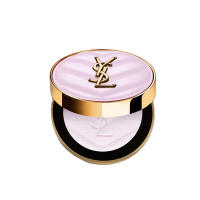
Yves Saint Laurent Haute Couture Leather Blush 6g #57-#93
₱3,340.83₱4,939.66
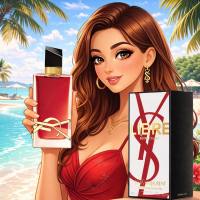
Ysl Libre Berry Crush Eau de Parfum Fruitee For Women 90ml
₱7,500.00₱11,500.00
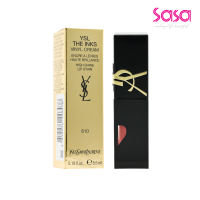
YSL The Inks Vinyl Cream (1pc)
₱2,770.00₱5,539.00
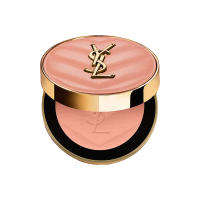
Yves Saint Laurent Haute Couture Leather Blush 6g #06-#42
₱3,340.83₱4,939.66
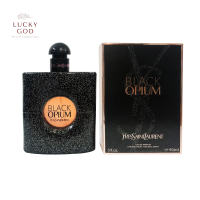
YSL BLACK OPLUM for ladies 100ML (the original super perfume is imported and manufactured by the original factory)
₱388.00₱6,999.00
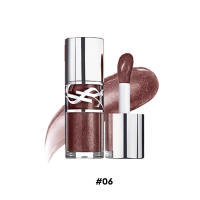
Yves Saint Laurent Volupte Plump-in-Care 6ml
₱1,998.00₱4,170.20
About YSL
Overview
Saint Laurent, commonly referred to as YSL, is a French luxury fashion house established in Paris in 1961 by Yves Saint Laurent and Pierre Bergé. The brand is recognized as one of the most influential fashion houses of the 20th and 21st centuries. It is particularly noted for introducing traditionally masculine elements into women’s fashion, pioneering luxury ready-to-wear collections, and combining Parisian elegance with a rebellious, sensual attitude.
Today, Saint Laurent operates under the French luxury group Kering. Anthony Vaccarello serves as the Creative Director, while Cédric Charbit holds the position of CEO 1.
Basic Information
| Category | Detail |
|---|---|
| Official Name | Saint Laurent |
| Common Abbreviation | YSL |
| Founder | Yves Saint Laurent |
| Co-founder/Business Partner | Pierre Bergé |
| Founded | 1961 |
| Place of Foundation | Paris, France |
| Industry | Luxury Fashion |
| Parent Company | Kering |
| Creative Director | Anthony Vaccarello |
| CEO | Cédric Charbit |
| Headquarters | Paris, France |
| Main Categories | Ready-to-wear, handbags, shoes, accessories, jewelry, leather goods |
| Famous Historical Line | Saint Laurent Rive Gauche |
| Iconic Logo | YSL monogram by Cassandre |
The brand currently maintains more than 300 stores worldwide and functions as a major fashion and leather-goods house within the Kering group.
Meaning of “YSL”
The acronym YSL stands for Yves Saint Laurent, the name of the designer who founded the house. There are distinct usages for these terms:
- Yves Saint Laurent: The founder’s full name and the historical designation of the fashion house.
- YSL: The famous three-letter monogram.
- Saint Laurent: The primary name under which the modern fashion house operates.
The YSL monogram was designed in 1961 by French graphic designer Adolphe Jean-Marie Mouron, better known as Cassandre. The design features three intertwined letters forming a highly recognizable vertical logo. This original design remains a core component of the house’s visual identity today 2. Consequently, when referring to “YSL,” one may be referencing the fashion house generally or specifically the iconic logo.
The Founder: Yves Saint Laurent
Yves Saint Laurent was a defining figure in modern fashion. Born in 1936 in Oran, French Algeria, he displayed an early interest in fashion. He moved to Paris as a teenager and entered the industry rapidly.
His breakthrough occurred when he joined Christian Dior. Following Dior’s unexpected death in 1957, the young Yves Saint Laurent assumed the role of artistic director at the age of 21. This appointment established him as a significant creative talent. After leaving Dior, he and Pierre Bergé founded their own couture house in 1961. The Musée Yves Saint Laurent Paris records the opening of the new haute couture house on December 4, 1961, initially operating from temporary premises before relocating to 30 bis rue Spontini.
Pierre Bergé and Business Creation
While Yves Saint Laurent provided the creative vision, Pierre Bergé was crucial to the business’s creation and development. Bergé secured financing and established the commercial infrastructure that enabled Saint Laurent to operate as an independent couture house. The partnership can be summarized as:
Yves Saint Laurent = Creative Vision
Pierre Bergé = Business, Strategy, and Organization
Together, they created a fashion house that was notably modern for its time. The official foundation date of the house is 1961.
Early Years
The first Saint Laurent collection was presented on January 29, 1962. According to the brand’s heritage archive, the first piece produced by the new ateliers was a little black dress. The debut collection immediately garnered international attention 3.
From the outset, Saint Laurent’s design philosophy diverged from conventional haute couture. Traditional couture emphasized formal elegance, femininity, elaborate construction, exclusivity, and ornamental clothing. In contrast, Saint Laurent explored youth, modernity, androgyny, practicality, sexuality, street culture, and menswear influences. These became defining characteristics of the brand.
The Revolution of 1966: Rive Gauche
A pivotal moment in YSL history occurred in 1966 with the introduction of Saint Laurent Rive Gauche, a luxury ready-to-wear line. This move was revolutionary because luxury fashion had previously been strongly associated with haute couture—exclusive, custom-made garments for individual clients.
Rive Gauche applied the creative standards and aesthetic authority of couture to a more accessible ready-to-wear format. Saint Laurent’s official history describes it as the first ready-to-wear line to receive the same creative attention as haute couture. The boutique was located on Paris’s Left Bank (Rive Gauche), an area associated with intellectuals, artists, students, and avant-garde culture. The name connected the brand with a younger, more intellectual, and rebellious Paris.
Transformation of Women’s Fashion
Saint Laurent’s greatest historical contribution was likely his transformation of the relationship between masculinity and femininity. He believed women could wear clothing traditionally associated with men without losing their femininity.
Le Smoking
The women’s tuxedo, known as Le Smoking, became a defining YSL creation. Instead of restricting women to dresses and skirts, Saint Laurent presented the tuxedo as an elegant, powerful alternative. This concept was provocative in the 1960s due to strict gender divisions in clothing. YSL essentially argued that a woman can wear traditionally masculine clothing and remain completely feminine.
The Mondrian Dress
Another legendary creation is the Mondrian dress, introduced in the Autumn/Winter 1965 collection. Inspired by the abstract paintings of Dutch artist Piet Mondrian, the design featured geometric compositions using white, black, red, yellow, blue, straight lines, and rectangular blocks. This demonstrated that fashion could interact directly with modern art. The Mondrian collection remains one of the most recognizable examples of the relationship between fashion and art in the 20th century.
Other Iconic Designs
Saint Laurent’s legacy extends beyond the tuxedo. Influential ideas include:
- Safari Jacket: Inspired by military and utilitarian clothing, transformed into a glamorous fashion garment.
- Sheer Clothing: An important figure in making transparent and revealing clothing part of sophisticated high fashion.
- Pantsuits: Helped normalize trousers and tailored suits as powerful components of women’s wardrobes.
- Peasant and Ethnic-Inspired Designs: Frequent exploration of cultures, historical clothing, and non-Western visual references.
- Haute Couture: Maintained importance despite the shift toward ready-to-wear.
Design Philosophy
Key recurring concepts in YSL’s design philosophy include:
- Freedom: Offering women more freedom in how they dressed.
- Power: Creating authoritative silhouettes.
- Androgyny: Mutual influence of men’s and women’s clothing.
- Sexuality: Embracing sensuality, transparency, bare skin, and provocative silhouettes.
- Youth: Representing a younger generation through Rive Gauche.
- Art: Incorporating references to painters and visual culture.
- Paris: Remaining deeply connected to Parisian fashion culture despite international influences.
The YSL Aesthetic
The classic YSL aesthetic can be summarized as Parisian + sensual + sophisticated + rebellious + masculine/feminine + dramatic. Compared to other French luxury houses, YSL traditionally feels less “proper” and more provocative. While Chanel represents refined heritage and Dior romanticism, Saint Laurent emphasizes sexuality, rock ‘n’ roll, tailoring, nightlife, and attitude.
The Famous YSL Logo
Created by Cassandre in 1961, the YSL logo is one of the most recognizable symbols in fashion. The vertically intertwined letters Y, S, and L form a simple, elegant, and highly reproducible design. Its importance lies in its ability to communicate the brand instantly, serving as a luxury symbol independent of the garments themselves.
Evolution of Leadership
After Yves Saint Laurent retired from fashion in 2002 and passed away in 2008, the house evolved under various creative directors.
Tom Ford Era
Tom Ford became creative director of YSL’s ready-to-wear in the late 1990s. His tenure redefined the brand with a more overtly sensual, glamorous, minimalist, and commercial aesthetic, heavily influenced by nightlife.
Stefano Pilati
Stefano Pilati succeeded Tom Ford and led the house through much of the 2000s. His work focused on sharp silhouettes, classic tailoring, glamour, and Parisian elegance, maintaining connections to the house archives.
Hedi Slimane
Hedi Slimane became creative director in 2012. He significantly influenced the modern identity of Saint Laurent by emphasizing skinny silhouettes, leather jackets, rock music, youth culture, and strong visual branding. This explains why modern products often say “SAINT LAURENT” while featuring the “YSL” logo.
Anthony Vaccarello
Anthony Vaccarello became Creative Director in 2016 and continues in the role as of 2026. His approach combines sensuality, sharp tailoring, elongated silhouettes, black leather, eveningwear, and dramatic glamour. He successfully connects Yves Saint Laurent’s tailoring, Slimane’s rock attitude, and modern Parisian sexuality. Current 2026 collections are credited to Vaccarello 1.
Saint Laurent Under Kering
Saint Laurent became part of Kering in 1999. Today, it operates not just as an atelier but as a major global luxury business encompassing boutiques, e-commerce, ready-to-wear, leather goods, footwear, accessories, jewelry, marketing, and cultural projects. As of 2026, Cédric Charbit serves as CEO, having officially taken the position on January 2, 2025 4.
Product Portfolio
Modern Saint Laurent offers a broad luxury portfolio:
- Fashion: Women’s and Men’s ready-to-wear, dresses, tailoring, jackets, shirts, knitwear, denim, outerwear.
- Leather Goods: Handbags, shoulder bags, crossbody bags, totes, clutches, wallets, cardholders.
- Shoes: Pumps, boots, sandals, sneakers, loafers, heels.
- Accessories: Belts, sunglasses, jewelry, scarves, hats, small leather goods.
Famous Handbags
Handbags are a major part of the brand’s identity. Notable models include:
- Sac de Jour: Structured, minimalist handbag.
- Kate: Known for chain strap and prominent YSL hardware.
- Lou: Casual, recognizable YSL-logo bag.
- Sunset: Structured shoulder bag with evening character.
- Le 5 à 7: Newer signature family with distinctive silhouette.
These bags utilize the YSL logo as a key design element. Recognizability stems from the monogram, strong architectural silhouettes, gold hardware, black leather, and a balance between minimalism and sexiness.
Color Palette and Identity
Black is central to the modern Saint Laurent identity. Although the founder worked with color, contemporary collections often use black, charcoal, white, cream, burgundy, deep red, and metallics. Black aligns with themes of nightlife, tailoring, sexuality, rock, and Paris.
Advertising and Cultural Projects
Visual communication is vital to Saint Laurent. Historically, the house collaborated with photographers like Helmut Newton and Robert Mapplethorpe. Modern advertising emphasizes cinematic photography, monochrome imagery, sensual poses, and celebrity culture.
Music is also integral to the brand’s universe, overlapping with rock, punk, alternative, electronic, and pop genres. In 2023, the house launched Saint Laurent Productions, expanding into cinema and positioning itself as a broader cultural house rather than just a clothing company.
YSL Beauty
It is important to distinguish between the fashion house and the beauty division. YSL Beauty includes perfumes, makeup, and skincare. The beauty business was sold/licensed to L’Oréal in 2008. Therefore, Saint Laurent fashion is owned by Kering, while YSL Beauty is operated by L’Oréal. They share the name and heritage but function under different corporate structures.
Famous Fragrances
YSL Beauty has produced recognizable fragrances such as YSL Y, Libre, Black Opium, La Nuit de L’Homme, Mon Paris, and Opium. These have helped make the YSL name recognizable far beyond the fashion industry.
Timeline of Key Events
| Year | Event |
|---|---|
| 1936 | Yves Saint Laurent born |
| 1955 | Begins working with Christian Dior |
| 1957 | Becomes Dior’s artistic director |
| 1961 | House established by Yves Saint Laurent and Pierre Bergé |
| 1962 | First Saint Laurent collection |
| 1965 | Mondrian dress collection |
| 1966 | Saint Laurent Rive Gauche launches; Le Smoking becomes defining idea |
| 1971 | Libération-inspired collection presented |
| 1983 | First living designer honored by Metropolitan Museum of Art solo exhibition |
| 2002 | Yves Saint Laurent retires |
| 2008 | Yves Saint Laurent dies |
| 2012 | Hedi Slimane becomes creative director |
| 2016 | Anthony Vaccarello becomes creative director |
| 2023 | Saint Laurent Productions launches |
| 2024/25 | Cédric Charbit appointed CEO |
| 2026 | Anthony Vaccarello continues creative direction |
Brand Codes and Personality
Recognizable brand codes include Black, Tailoring, Sexuality, Leather, the YSL Monogram, Parisian Nightlife, Rock ‘n’ Roll, Cinema, and Masculine/Feminine Contrast.
If personified, the YSL brand personality would be confident, sexy, intelligent, rebellious, elegant, independent, artistic, urban, sophisticated, and slightly dangerous.
Conclusion
As of 2026, Saint Laurent remains a global luxury fashion house under Kering. It combines layers of history—from Yves Saint Laurent’s freedom and tailoring, to Tom Ford’s glamour, Stefano Pilati’s sophistication, Hedi Slimane’s rock attitude, and Anthony Vaccarello’s cinematic sensuality. The result is a brand that simultaneously embodies heritage luxury and contemporary fashion, expressing a distinctly sensual, rebellious, and sophisticated aesthetic.