Shop on Lazada
YUMA products
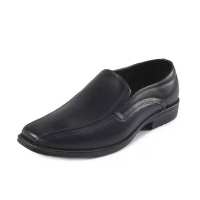
size 24-41 kids black shoes #603 school shoes for boys flat low heel
₱145.00₱199.00
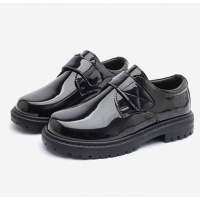
SIZE24-41 black shoes #602A school shoes for men (Rubber-weighty)
₱138.00₱199.00
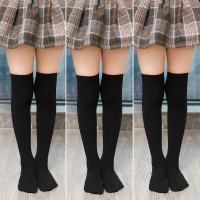
Girls high socks COD Knee High Socks Ladies Long Tube School Socks
₱38.00₱99.00
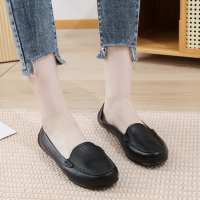
Womens Flat Black Shoes Fashion School Shoes Office Shoes Rubber Soft Sole (ADD 1 SIZE)#215A
₱109.00₱199.00
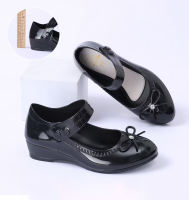
SIZE 24-35 Girls black shoes #565 school shoes for Kids high heels shoes (Rubber-weighty)
₱129.00₱199.00
About YUMA
Overview
YUMA is an e-commerce focused fashion label that primarily serves the Philippine market through its storefront on Lazada. The brand specializes in affordable clothing and accessories for infants, toddlers, and young children. Its public identity is centered on digital marketplace presence rather than traditional brick-and-mortar retail or extensive corporate branding.
| Attribute | Information |
|---|---|
| Brand Name | YUMA |
| Industry | Children’s Apparel |
| Category | Kids’ Fashion |
| Primary Market | Philippines |
| Main Sales Channel | Lazada Philippines |
| Target Audience | Babies, toddlers, and children; parents and caregivers |
| Product Positioning | Affordable everyday children’s fashion |
History
Publicly available documentation regarding YUMA’s founding, ownership structure, headquarters location, or corporate history is minimal. Unlike established international fashion houses, YUMA does not maintain a published official brand profile, detailed company history, or “About Us” page outlining its origins.
Based on its operational footprint, YUMA functions primarily as an online-only clothing brand. It lacks a significant physical retail presence or a substantial public corporate identity outside of e-commerce platforms.
Products
The YUMA catalog consists mainly of essential children’s wear designed for daily use. Key product categories include:
- Casual T-shirts
- Shorts and pants
- Dresses
- Matching outfit sets
- Baby clothing
- Seasonal apparel
- Everyday wear
- Children’s fashion accessories
The inventory emphasizes comfort, colorful designs, and price points suitable for the local market. Stock levels and specific items often fluctuate based on seasonal demand and marketplace trends. 1
Design Philosophy
YUMA’s approach to design aligns with common characteristics found among online-first children’s fashion brands targeting tropical climates. Core elements include:
- Fabrics chosen for breathability and comfort in warm weather
- Use of bright colors and playful prints
- Practical cuts suited for active daily wear
- Budget-friendly pricing structures
- Styles catering to age groups from infancy through early childhood
The brand aims to balance aesthetic appeal, physical comfort, and affordability for parents shopping online. 2
Sales Channels
Distribution is concentrated almost exclusively within the digital sphere. The primary sales channel is:
- Lazada Philippines
Visibility is driven by search rankings and promotional features within the marketplace ecosystem rather than standalone retail outlets or independent websites.
Target Market
YUMA primarily appeals to:
- Parents seeking practical clothing for their children
- Families looking for budget-conscious fashion options
- Gift buyers purchasing apparel for kids
- Online shoppers prioritizing value-oriented products
Its pricing strategy positions the brand within the accessible segment of the Philippine kids’ fashion market.
Brand Positioning
Within the competitive landscape of Lazada, YUMA operates alongside numerous local and international sellers. The brand distinguishes itself through:
- Low-cost offerings
- Participation in frequent online promotions
- A wide variety of basic children’s clothing
- Convenience associated with e-commerce transactions
Like many marketplace-native entities, YUMA relies on product listings, customer reviews, flash sales, and seasonal campaigns for visibility, avoiding large-scale traditional advertising.
Public Information
As of current records, there are no verified public details available regarding:
- Founder identities
- Parent company ownership
- Headquarters locations
- Year of establishment
- Official standalone websites
- Sustainability initiatives
- Corporate social responsibility programs
- Physical retail store locations
This lack of transparency contrasts with larger apparel corporations that maintain extensive public documentation.
Notes
Due to YUMA’s reliance on third-party online marketplaces, most available information pertains to its product catalog rather than its corporate structure. Claims regarding manufacturing processes, business history, or ownership cannot be independently verified from publicly accessible sources at this time.