Shop on Lazada
Yuzhaolin products
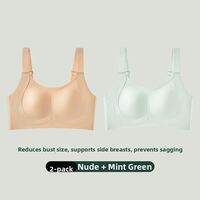
Yuzhaolin | Full Figure Minimizing Bra With Under Bust Support Lifting Anti-Sagging Seamless Antibacterial Plus Size
₱1,142.57
Buy on Lazada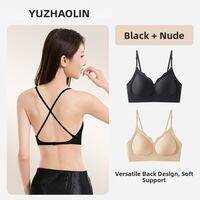
Yuzhaolin | Slim Straps Seamless Invisible Backless Bra
₱1,097.92₱1,208.43
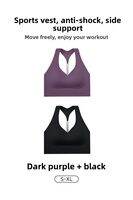
Yuzhaolin | High Support Anti-slip Bra Sports No Trace
₱1,427.19₱1,537.74
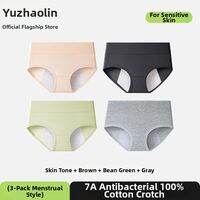
Yuzhaolin | Antibacterial Leak-Prevention Underwear for Menstrual Periods
₱746.24₱860.30
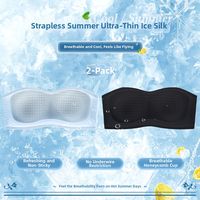
Yuzhaolin | Invisible Strapless Prenatal Nursing Bra Summer Thin Gathering
₱1,337.54₱1,447.96
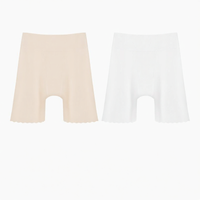
Yuzhaolin | Plus Size No Roll-up Anti See-Through and Chafing Safety Shorts
₱479.42₱581.22
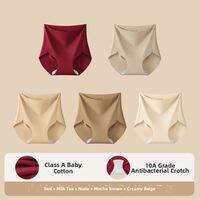
Yuzhaolin | Red Tummy Control Panties Seamless High Waist Antibacterial Plus Size
₱751.83₱863.43
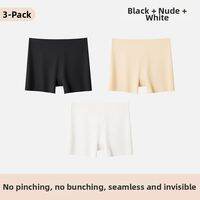
Yuzhaolin | Seamless Anti-See-through Ice Silk Safety Shorts
₱641.23₱751.74
About Yuzhaolin
Overview
Yuzhaolin (Chinese: 俞兆林; pinyin: Yú Zhàolín) is a Chinese apparel and lifestyle brand established in Shanghai in 1996 by Professor Yu Zhaolin. Historically recognized for its thermal underwear and cold-weather garments, the brand has since diversified into a wide array of categories including clothing, home textiles, household goods, and sports and outdoor products 1. Unlike many contemporary fashion labels, Yuzhaolin derives its name directly from its founder rather than adopting an invented Western-style moniker. The official corporate entity behind the brand is Shanghai Zhaolin Industrial Co., Ltd. 6.
Origins and Early Development
Yuzhaolin emerged during the rapid expansion of China’s thermal underwear industry in the 1990s. Professor Yu Zhaolin sought to address a practical consumer need: traditional winter undergarments were often bulky, creating demand for warmer, lighter, and more comfortable alternatives. The company credits Yu with developing a proprietary material described as a moisture-wicking, heat-retaining composite fleece, which became the foundation of the brand 1. This functional origin distinguishes Yuzhaolin from modern Chinese brands that launched primarily with a fashion aesthetic.
Following its establishment, the brand experienced significant growth. Historical company accounts report sales of approximately 280,000 sets in 1997, rising to one million sets in 1998 and three million sets in 1999. By 2000, reported sales exceeded RMB 300 million 1. Brand recognition was further amplified through mass-market advertising, notably the appointment of Hong Kong actor Adam Cheng as spokesperson in 2000. These early milestones cemented Yuzhaolin as a prominent name in China’s thermal underwear sector during that era.
Product Philosophy and Positioning
The original value proposition of Yuzhaolin centered on warmth, comfort, practicality, and affordability. Rather than positioning thermal wear as a luxury item, the company focused on making functional clothing accessible to everyday consumers. This philosophy has evolved into the current brand concept, “My Comfortable Life,” which extends the original emphasis on comfort to a broader range of daily essentials 3. Consequently, the product portfolio remains heavily weighted toward practical items rather than high-fashion pieces.
Today, Yuzhaolin operates as a mass-market lifestyle brand. Its competitive advantages lie in affordability, functionality, broad availability, and extensive e-commerce distribution. It competes across numerous functional consumer categories rather than in the premium designer segment, maintaining a positioning that prioritizes everyday utility and value 312.
Corporate Restructuring and Expansion
A pivotal transition occurred around 2010 when founder Professor Yu Zhaolin stepped back from active management. This shift marked the evolution from a specialized thermal underwear manufacturer to a diversified consumer brand. Throughout the 2010s, Yuzhaolin significantly broadened its offerings beyond its core category 1.
Contemporary retail listings reflect this extensive diversification. The brand now encompasses apparel such as underwear, socks, T-shirts, casual wear, swimwear, and sportswear for men, women, and children 259. Home and textile products include bedding, pillows, blankets, mats, and slippers 1011. The portfolio also extends to lifestyle and practical goods, including household items, heat therapy products, sports accessories, outdoor gear, and bags 28. Industry directories estimate the modern business spans eight to nine major categories with dozens of subcategories, though exact classifications vary by source.
E-Commerce Transformation
The shift from traditional wholesale to e-commerce was central to Yuzhaolin’s modernization. By the 2010s, the brand had established a substantial presence on major Chinese online platforms. Historical reports indicate that Double 11 sales in 2012 exceeded RMB 100 million, with annual sales surpassing RMB 600 million that year. While these figures are based on company reports rather than audited financial statements, they illustrate the scale of the digital transition. Today, Yuzhaolin maintains official stores across multiple marketplaces covering apparel, children’s products, household goods, and sports equipment 7.
Trademark Protection and Brand Architecture
Due to its historical prominence, Yuzhaolin has faced ongoing trademark challenges. In May 2026, intellectual property firm Huajin published a case study detailing successful opposition and invalidation actions against imitators attempting to register similar marks. Because “Yu Zhaolin” is structurally a personal name, it remains susceptible to approximation by competitors using similar characters or phonetics. The company continues to actively enforce its trademark rights to protect brand integrity 4.
The modern business has also developed related sub-brands, including Yuzhaolin Youpin, Qianzhaolin, Qianzhaolin Youpin, and Moanna. However, corporate relationships between these entities may vary, and the primary commercial identity remains Yuzhaolin 8.
Significance in Consumer History
Yuzhaolin represents a specific generation of Chinese brands that achieved national recognition during the domestic consumer goods expansion of the 1990s. For many consumers, the brand is associated with winter wear, television advertising, and the rise of private manufacturing. Its current status as both a nostalgic household name and a contemporary e-commerce player illustrates the broader transformation of Chinese domestic brands from single-category manufacturers into comprehensive lifestyle businesses 12.
Current Corporate Identity
Key Milestones
| Year | Event |
|---|---|
| 1996 | Shanghai Zhaolin Industrial Co., Ltd. established; Yuzhaolin brand launched |
| 1997 | Reported sales reach approximately 280,000 thermal underwear sets |
| 1998 | Reported sales reach approximately 1 million sets |
| 1999 | Reported sales reach approximately 3 million sets |
| 2000 | Reported sales exceed RMB 300 million; Adam Cheng appointed spokesperson |
| 2010 | Major ownership and management transition; diversification begins |
| 2012 | Reported Double 11 sales exceed RMB 100 million |
| 2014 | Expansion into men’s/women’s clothing, children’s products, home textiles, and outdoor categories |
| 2026 | Continued trademark protection activities remain a strategic priority |