Shop on Lazada
Zwitsal products
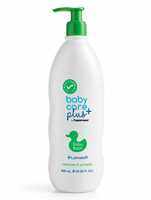
Baby Care Plus Cologne Bath Shampoo 200ml 300ml by Tupperware |baby cologne| baby bath | baby shampoo | baby wash
₱379.00₱599.00
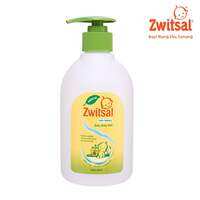
Zwitsal Baby Care Products (BathShampooColognesPowder
₱305.00₱340.00
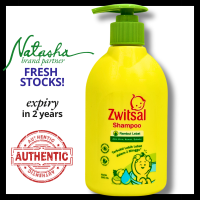
Zwitsal Baby Bath Shampoo Powder Hair & Body Wash With Aloe Vera Rich Honey by Natasha co-brands
₱232.00
Buy on Lazada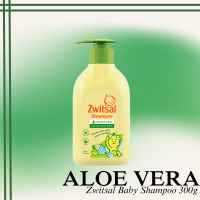
Zwitsal Baby Hair and Body Bath and Shampoo Milky Honey and Aloe Vera 200ml 300ml
₱218.00₱299.00
Zwitsal Baby Care
₱340.00₱440.00
Zwitsal Baby Cologne (Imported) Bundle Promo
₱509.75₱1,200.00
EEPS Zwitsal Baby Products | Body Bath | Shampoo | Powder | Cologne
₱199.00₱388.00
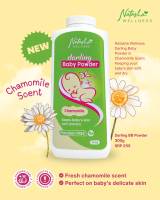
Zwitsal Baby Powder Hair Body Bath and Shampoo 200ml Milky Honey and Aloe Vera
₱208.00₱289.00
About Zwitsal
Zwitsal is a Dutch baby-care and personal-care brand distinguished by its bright yellow packaging, illustrations of a baby named Mieke, and a characteristic fragrance. Originating in the Netherlands in the early 20th century, it evolved from a medicinal balm into one of the country’s most recognized baby-care brands. Today, Zwitsal is part of Unilever and is marketed in several countries, including the Netherlands, Belgium, and Indonesia.1
Overview
| Field | Information |
|---|---|
| Brand | Zwitsal |
| Origin | Netherlands |
| Founded / origins | 1920 |
| Original name | Zwitserse Balsem (“Swiss Balm”) |
| Became “Zwitsal” | 1928 |
| Category | Baby care, personal care, toiletries |
| Current owner | Unilever |
| Key markets | Netherlands, Belgium, Indonesia, among others |
| Signature visual identity | Yellow packaging and the image of “Mieke” |
| Main positioning | Mild, gentle care for babies and young children |
| Website | Zwitsal official website |
History
Origins: the Swiss Balm
The history of Zwitsal traces back to Mr. Jansen, a Dutch pharmacy apprentice who traveled to Switzerland in the early 1900s to train with a Swiss pharmacist. During his apprenticeship, he encountered a balm produced by the pharmacist that was regarded as effective for treating ailments such as sunburn.
Upon obtaining the recipe, Jansen returned to the Netherlands and began selling the product in 1920 under the name “Zwitserse Balsem”, or “Swiss Balm.”2 The product subsequently gained particular popularity for use on infants, prompting Jansen to expand the range beyond the original balm to include items such as baby oil, soap, and powder.
Birth of the Zwitsal brand
In 1928, the name Zwitserse Balsem was officially changed to Zwitsal, marking the business’s transition into a dedicated baby-care brand. The following year, the brand adopted a new visual identity featuring Mieke, Jansen’s young daughter. Her distinctive hairstyle, specifically her small tuft of hair, became an enduring element of the Zwitsal logo and packaging.3 This character remains central to the brand’s heritage, maintaining recognition even as design elements have evolved over time.
The yellow identity
While Zwitsal is currently synonymous with a bright yellow color, this was not part of its original identity; early products featured white packaging. In 1974, the brand adopted its signature yellow color scheme and modernized its logo while retaining Mieke’s distinctive tuft of hair. The combination of yellow packaging, the baby illustration, and the recognizable fragrance subsequently became defining elements of the brand’s identity.
Development under Unilever
Zwitsal is currently owned by Unilever. The brand entered the Unilever portfolio through the acquisition of Sara Lee’s Personal Care business, a transaction that Unilever reported as integrated between 2010 and 2011.4 This acquisition placed Zwitsal within Unilever’s broader personal-care division alongside global brands such as Dove, Rexona, and Axe.
Products
Zwitsal’s core business focuses on baby and child personal care, with a portfolio that has expanded significantly from its original balm. Typical product categories include:
- Baby shampoo
- Baby bath products
- Baby soap
- Baby oil
- Baby lotion and skin-care products
- Baby powder
- Baby wipes
- Diaper-area products
- Zinc ointment
- Hair-care products
- Fragrance products
- Selected products aimed at older children and adults
The brand positions its offerings as mild, gentle, and suitable for baby skin, stating that products are dermatologically tested and pH skin-friendly.5 Specific formulations, such as the zinc ointment, are designed without perfume and contain ingredients including zinc, panthenol, and calendula.6
The famous Zwitsal fragrance
The Zwitsal scent is considered one of the brand’s most significant intangible assets. Rather than being tied solely to a specific product, the fragrance has become integral to the brand’s wider identity. Its association with cleanliness, softness, and nostalgia has allowed it to extend beyond conventional baby care. For instance, the Dutch laundry brand Robijn introduced products featuring a Zwitsal fragrance in 2014, demonstrating the scent’s strong cultural resonance.7
Brand identity
Zwitsal’s identity is anchored in several recurring associations:
Softness
The brand consistently communicates soft, gentle care, particularly regarding delicate baby skin.
Babyhood
Zwitsal maintains a strong connection to the earliest stages of childhood, reinforced through packaging, advertising, product names, and communications.
Trust
With a history spanning roughly a century, longevity is a key component of the brand’s credibility. Zwitsal describes itself as having cared for baby skin for almost 100 years.8
Nostalgia
The yellow packaging and familiar scent make the brand recognizable not only to new parents but also to adults who associate it with their own childhoods or memories of caregiving.
Familiarity
Unlike many contemporary beauty brands that frequently update their visual identity, Zwitsal has deliberately retained heritage elements, especially Mieke’s hairstyle and the yellow color scheme.
Logo and packaging
The Zwitsal logo is closely linked to the illustrated head of a child, historically based on Mieke, Jansen’s daughter. While the visual identity has evolved, two elements have remained persistent: Mieke’s tuft of hair and the yellow color scheme. The yellow identity dates from 1974, while Mieke has appeared on packaging since the establishment of the brand identity in the late 1920s.9 This visual continuity allows consumers to often identify the brand from its packaging alone without reading the name.
Zwitsal in Indonesia
Zwitsal is marketed in Indonesia under the Zwitsal name rather than a localized brand variant. The company lists Indonesia among the primary markets where the brand is available.10 In this market, Zwitsal is associated primarily with baby toiletries and skin care, with its yellow visual identity and characteristic fragrance serving as key recognition factors.
The brand is managed within Unilever’s Indonesian business structure. Unilever’s careers site has listed a Zwitsal Brand Lead role based in Tangerang, Banten, confirming dedicated brand-management activity within the Indonesian organization.11
Innovation
Despite its traditional image, Zwitsal has continued to introduce new products and formulations. A significant milestone was the launch of a hypoallergenic product line in 1993, developed specifically for sensitive skin.12 More recently, the brand has incorporated ingredients of natural origin into product development and increased its focus on packaging sustainability.
Sustainability
As part of Unilever, Zwitsal has placed greater emphasis on the environmental impact of its packaging. Beginning in 2023, the brand introduced bottles made from 100% recycled plastic, excluding caps and labels. This initiative is described as part of a broader move toward greater reuse and recycling of packaging materials,13 aligning with Unilever’s wider efforts to reduce virgin plastic and adopt circular packaging systems.
2025 brand refresh
In 2025, Zwitsal unveiled a refreshed brand appearance intended to provide a softer visual expression while preserving the familiar fragrance and association with gentle baby care. The updated positioning also highlights ingredients of natural origin and the brand’s traditional mildness.14 This update reflects a strategy of modernizing the brand without abandoning the heritage elements that ensure its recognizability.
Brand positioning
In marketing terms, Zwitsal is positioned as a mass-market, trusted baby-care brand with strong emotional and heritage value. Its competitive proposition combines functional performance with emotional drivers:
Baby care + gentleness + recognizable fragrance + heritage + emotional familiarity
This distinctiveness means that purchase decisions are influenced not only by functional purpose but also by the smell, packaging, childhood associations, and sense of familiarity attached to the brand.
Timeline
| Year | Milestone |
|---|---|
| Early 1900s | Jansen apprentices with a Swiss pharmacist |
| 1920 | “Zwitserse Balsem” begins being sold in the Netherlands |
| 1928 | The brand becomes known as Zwitsal |
| 1929 | Jansen’s daughter Mieke appears on the packaging |
| 1974 | The iconic yellow identity is introduced |
| 1993 | Hypoallergenic product line introduced |
| 2010–2011 | Zwitsal becomes part of Unilever through the Sara Lee Personal Care acquisition |
| 2014 | Zwitsal fragrance expanded into Robijn laundry products |
| 2023 | 100%-recycled-plastic bottles introduced, excluding caps and labels |
| 2025 | Zwitsal receives a major visual/brand refresh |
| Today | Zwitsal remains a Unilever baby-care brand with a presence including the Netherlands, Belgium, and Indonesia |
Summary
Zwitsal is a Dutch baby-care brand whose roots go back to 1920, when pharmacist’s apprentice Mr. Jansen began selling a Swiss-derived balm in the Netherlands. After discovering the product’s popularity for infant care, he expanded the range and renamed the brand Zwitsal in 1928. Over the subsequent century, Zwitsal transformed into a major baby-care brand, with its yellow packaging, Mieke illustration, and distinctive fragrance becoming its most recognizable assets. Since joining Unilever, the brand has continued to expand its product portfolio while maintaining its traditional positioning centered on gentle baby care.16
Ultimately, Zwitsal’s strength lies in combining functional baby care with emotional brand heritage: it offers a recognizable sensory and visual experience strongly associated with babies, softness, cleanliness, and childhood.
References
- Over Zwitsal
- FAQ
- Zwitsal Zinkzalf 10 ml
- Offre d’emploi pour le poste Zwitsal Brand Lead chez Unilever
- Ontdek de Fascinerende Geschiedenis van Unilever’s Overname van Zwitsal en de Transformatie van het Merk – OBS de Ontdekking
- Zwitsal – Wikidata
- Unilever: “Zwitsal blijft bij ons” – RetailDetail NL
- Alles wat je moet weten over zinkzalf
- De eerste tandjes van jouw baby
- Contact | Zwistal
- Zwitsal Deodorant Original 100 ml
- Sitemap | Zwistal
- Zeepvrije Wasgel 200 ml
- Zwitsal Op ’t Wangetje 100 ml
- Zeepvrije Wasgel 400 ml
- Zeepvrije Wasgel 75 ml