Shop on Lazada
ACO products
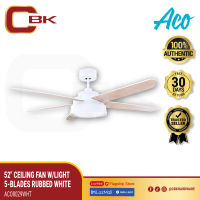
ACO ACO8029WHT CEILING FAN AMAIA W/ LED LIGHT 5-BLD 52″ RUBBED WHITE - WITH REMOTE
₱11,250.00₱12,500.00
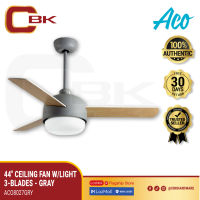
ACO ACO8027GRY CEILING FAN W/ LIGHT 3-BLD 44″ REMOTE OPERATED - GRAY
₱8,835.00₱9,300.00
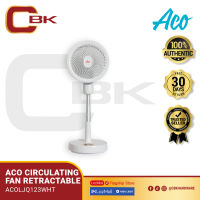
ACO LJQ123WHT CIRCULATING FAN RETRACTABLE 10000MAH WHITE
₱3,104.00₱3,200.00
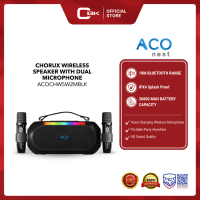
ACO NEST CHORUX WIRELESS SPEAKER WITH DUAL MICROPHONE - ACOCHWSW2MBLK
₱2,134.00₱2,200.00
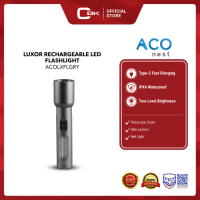
ACO NEST LUXOR RECHARGEABLE LED FLASHLIGHT - ACOLXFLGRY
₱350.00
Buy on Lazada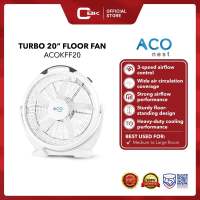
ACO nest TURBO 20″ FLOOR FAN WHITE ACOKFF20
₱3,686.00₱3,800.00
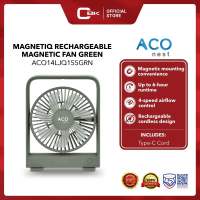
ACO nest MAGNETIQ RECHARGEABLE TABLE FAN 2000MAH GREEN ACO14LJQ155GRN
₱1,000.00
Buy on Lazada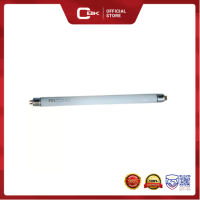
ACO nest Replacement Tube Bulb 6W for Electric Mosquito Fly Zapper ACOT56WJB20E
₱170.00
Buy on LazadaAbout ACO
ACO is a German family-owned WaterTech and drainage-technology company headquartered in Büdelsdorf, Schleswig-Holstein, Germany. Founded in 1946 by Josef-Severin Ahlmann, the business evolved from a manufacturer of concrete construction products into an international specialist in rainwater and wastewater management, drainage, water treatment, and controlled water discharge and reuse.1
The company is particularly associated with its ACO DRAIN drainage-channel systems and has grown into a global group operating in more than 50 countries. ACO describes itself as a world market leader in drainage technology. In 2025, the group reported €1.16 billion in sales and approximately 5,500 employees worldwide.1
Corporate profile
| Category | Information |
|---|---|
| Name | ACO |
| Full historical name | Ahlmann & Co. |
| Founded | 10 December 1946 |
| Founder | Josef-Severin Ahlmann |
| Headquarters | Büdelsdorf, Schleswig-Holstein, Germany |
| Ownership | Family-owned |
| Industry | Water technology, drainage, construction technology |
| Main focus | Rainwater and wastewater management |
| Major product area | Drainage systems and water-management solutions |
| Global presence | More than 50 countries |
| Employees | About 5,500 |
| 2025 sales | €1.16 billion |
| Current family leadership | Hans-Julius Ahlmann and Iver Ahlmann |
| Corporate motto | “ACO. we care for water” |
History
Origins: the Carlshütte
ACO’s history is closely connected with the Carlshütte iron foundry, an industrial enterprise founded in 1827 in Büdelsdorf. The Ahlmann family’s involvement with the foundry began in the 19th century; Johannes Ahlmann became its commercial director in 1883.1
A particularly important figure in ACO’s history was Käte Ahlmann, who took over management of the Carlshütte in 1931. During the Second World War and post-war period, the company faced restrictions on the use of iron. This contributed to the development of a concrete division within the foundry.1
Foundation in 1946
On 10 December 1946, Käte Ahlmann’s son Josef-Severin Ahlmann established an independent company based on the Carlshütte’s concrete division. It was initially known as Severin Ahlmann Betonindustrie (SAB).1
The new company initially produced products needed for the reconstruction of post-war Germany, including:
- Concrete pipes
- Kerbstones
- Manhole components
- Concrete slabs
- Window frames
- Wash troughs
- Sanitary products
- Prefabricated garages
ACO’s early business was therefore considerably broader than its modern reputation as a drainage specialist.1
Development of the ACO brand
During the 1960s, the various businesses associated with the Ahlmann family used different names, which created difficulties in establishing a consistent market identity. The abbreviation ACO, derived from Ahlmann & Co., was progressively introduced as a common brand.2
The ACO name eventually became the group’s principal international identity. This transition was significant as the company moved from being a collection of regional manufacturing businesses toward a recognisable technology brand.
The move into drainage
One of the most important turning points came in the late 1960s and early 1970s, when ACO began concentrating increasingly on drainage technology.
In 1969, ACO entered the drainage business with ACO DRAIN. The company subsequently developed drainage channels using polymer concrete, a material that became an important part of ACO’s technological portfolio.1
A major early reference project was the 1972 Olympic Games in Munich, where ACO drainage technology was used for the Olympic Stadium and associated facilities. This helped establish ACO DRAIN as an important product and contributed to the company’s subsequent international expansion.1
International expansion
ACO began internationalising its operations during the 1970s. Production and commercial operations expanded first into European markets and subsequently into North America, Australia, Asia, Eastern Europe and other regions.1
The company states that its international network now encompasses more than 50 countries and all continents. Rather than operating solely as an exporter from Germany, ACO developed local subsidiaries and production facilities to serve regional construction and infrastructure markets.1
This internationalisation became a central part of ACO’s growth strategy.
Leadership of the Ahlmann family
ACO remains a family enterprise, with ownership and strategic leadership continuing through successive generations of the Ahlmann family.
Hans-Julius Ahlmann joined the company in 1981 and played a major role in its internationalisation and development into a global drainage-technology business.1
The next generation followed with Iver Ahlmann, who joined the company in 2010 and became managing director in 2012. ACO’s current corporate information identifies Hans-Julius Ahlmann and Iver Ahlmann as representing the present and future of the family enterprise.1
Products and technologies
ACO’s modern portfolio extends well beyond simple drainage channels. The company describes its approach as covering different stages of the water cycle, particularly drainage, cleaning, controlled discharge and reuse of water.1
Major product and technology categories include:
Drainage systems
ACO produces drainage channels, surface drains, gullies and related systems for applications such as:
- Roads
- Pedestrian areas
- Commercial developments
- Residential construction
- Industrial facilities
- Airports
- Sports facilities
- Public spaces
- Infrastructure projects
The ACO DRAIN product family is one of the company’s best-known technologies.
Water treatment
ACO also develops systems designed to remove pollutants from water before it is discharged or reused. These include technologies for handling:
- Hydrocarbons
- Sediment
- Grease
- Wastewater contaminants
Oil and grease separators
ACO produces oil separators and grease separators for applications where contaminated water must be treated before entering drainage or wastewater systems.1
Backflow protection
Another area is protection against wastewater or stormwater flowing backward into buildings. ACO offers backflow stop systems and associated building-drainage technologies.1
Pumps and wastewater technology
The company also manufactures pumping and wastewater-management systems, extending its role from simply collecting water to helping manage its movement through infrastructure.
Building drainage
ACO products are used in building environments through systems such as:
- Floor drains
- Shower drainage
- Basement drainage
- Cellar windows
- Light wells
- Pressure-water-tight building components
ACO’s portfolio therefore covers both external surface-water management and building drainage.1
Materials and engineering
Material science has been an important part of ACO’s development. The company currently highlights expertise in several major materials, including:
- Polymer concrete
- Plastic
- Cast iron
- Stainless steel
- Reinforced concrete
This allows ACO to select different materials according to the structural, chemical, environmental and load requirements of a particular application.1
The development of polymer concrete in particular was significant to ACO’s transformation into a drainage-technology company. The material enabled the company to produce drainage channels with characteristics suited to demanding infrastructure applications.1
ACO and water management
The central idea behind ACO’s modern business is water management rather than simply drainage. Traditional drainage systems are primarily concerned with getting water away from a location. ACO’s contemporary approach is broader: water may need to be collected, transported, cleaned, controlled, discharged or reused depending on the situation.1
This is particularly relevant as cities face:
- More intense rainfall
- Flooding
- Urbanisation
- Increasing impermeable surfaces
- Water pollution
- Pressure on wastewater infrastructure
- The need for greater water reuse
ACO positions its technology as part of the infrastructure required to respond to these challenges.
Major applications
ACO technology can be found in a wide variety of environments, including:
- Architecture and buildings: Residential buildings, commercial properties, public buildings and industrial facilities.
- Transport infrastructure: Roads, bridges, airports and other transportation facilities.
- Urban infrastructure: Streets, pedestrian areas, plazas and public spaces.
- Industrial facilities: Factories and areas where contaminated water must be collected and treated.
- Sports facilities: Stadiums and sporting venues.
- Food and commercial facilities: Areas requiring specialised drainage and grease-management systems.
- Infrastructure projects: Large-scale developments requiring integrated surface-water and wastewater management.
ACO notes that its products have been used at prominent international locations, including the Statue of Liberty, Elbphilharmonie and Olympic Stadium in Munich.1
Corporate philosophy
ACO’s current corporate positioning centres on the idea:
“ACO. we care for water”
The company presents water as both an engineering challenge and an environmental responsibility. Its stated objective is to develop infrastructure that manages water responsibly while contributing to resilient and sustainable communities.1
This represents a significant evolution from the company’s original post-war identity as a manufacturer of concrete construction products.
ACO today
As of 2026, ACO describes itself as a global, family-owned WaterTech company with decades of experience in rainwater and wastewater management. It operates through a network of companies and production facilities in more than 50 countries.1
The group has approximately 5,500 employees and generated €1.16 billion in sales in 2025. Its headquarters remain in the Büdelsdorf/Rendsburg area of northern Germany, close to the location where the company was founded in 1946.1
The company continues to invest in research and development, material technology and integrated water-management solutions, while retaining its family-business structure.