Shop on Lazada
Advil products
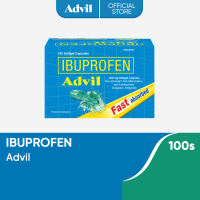
Advil Liquigel Ibuprofen 100s for Stronger Fever & Pain Relief than Paracetamol
₱914.62₱1,004.00
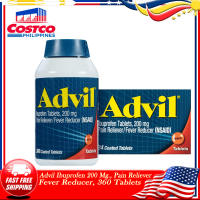
Advil Ibuprofen 200 Mg. Pain Reliever/Fever Reducer 360 Tablets
₱2,055.00₱2,999.00
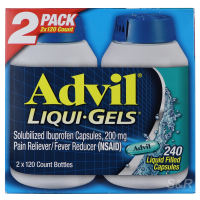
Advil Liqui Gels 2x120 Capsules
₱1,999.00
Buy on Lazada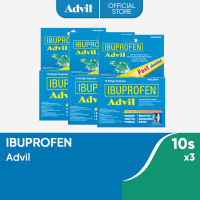
Advil Liquigel Ibuprofen 10s x3 for Stronger Fever & Pain Relief than Paracetamol
₱291.00
Buy on Lazada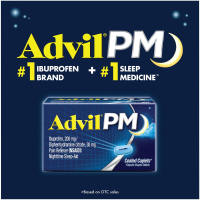
Advil PM Pain Reliever/Nighttime Sleep Aid 200tablet
₱2,099.00₱2,999.00
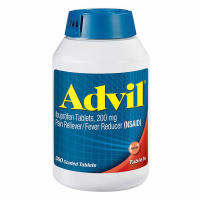
BeauShop Advil Ibuprofen 200 mg. Pain Reliever/Fever Reducer 360 Tablets
₱2,055.00₱2,999.00
【24 Hours Shipped】 Advil Ibuprofen 200 mg. Pain Reliever/Fever Reducer 360 Tablets
₱2,808.00₱5,599.00
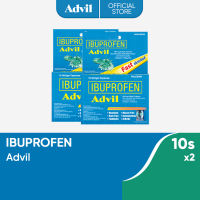
Advil Liquigel Ibuprofen 10s x2 for Stronger Fever & Pain Relief than Paracetamol
₱200.00
Buy on LazadaAbout Advil
Overview
Advil is a prominent over-the-counter (OTC) pain relief brand best known for products containing ibuprofen, a nonsteroidal anti-inflammatory drug (NSAID). The brand is currently part of Haleon, a global consumer health company whose portfolio also includes Sensodyne, Centrum, Panadol, and Voltaren.1
Note: Advil is a brand rather than a single medication. Its exact products, formulations, strengths, and approved uses can vary by country.
| Attribute | Information |
|---|---|
| Brand | Advil |
| Category | OTC pain relief / analgesics |
| Primary ingredient | Ibuprofen |
| Drug class | NSAID |
| First launched | 1984 |
| Original U.S. launch company | American Home Products / Whitehall |
| Current brand owner | Haleon |
| Main market association | United States |
| Main uses | Pain relief, inflammation-related pain, and fever reduction |
| Major product forms | Tablets, caplets, gel/liquid capsules, topical products and combination products |
| Notable products | Advil Liqui-Gels, Advil Dual Action, Advil Migraine, Advil PM, etc. |
Haleon’s corporate history records the launch of Advil in 1984, describing it as a pain relief brand introduced by American Home Products.
What is Advil?
At its core, Advil is a consumer brand built around ibuprofen. Ibuprofen belongs to the NSAID family. Unlike medicines whose primary purpose is simply to reduce the perception of pain, NSAIDs work partly by reducing the production of substances involved in pain, inflammation, and fever.
According to Advil’s own product information, ibuprofen is the pain-relieving ingredient in its standard products.1 Most standard Advil products do not contain acetaminophen (paracetamol), although some newer formulations combine ibuprofen with acetaminophen. This distinction is important because “Advil” does not refer to one specific dose or formulation; active ingredients can differ among products such as standard Advil, Advil PM, and Advil Dual Action.
History
Origins of ibuprofen
The history of Advil is closely connected to the development and commercialization of ibuprofen. Originally developed as an NSAID and used as a prescription medicine, its subsequent transition into OTC status dramatically increased consumer access to ibuprofen-based pain relief.
In the United States, Advil launched in 1984, coinciding with the availability of OTC ibuprofen. Haleon describes this launch as significant because ibuprofen represented the first new OTC pain relief ingredient introduced to U.S. consumers in nearly three decades.
1984 launch
Advil entered the U.S. market in 1984 through American Home Products. Haleon’s historical timeline specifically identifies this year as the launch of Advil for pain relief. The brand’s proposition was straightforward: providing consumers with an OTC pain reliever based on ibuprofen.
Growth of the brand
Over subsequent decades, Advil expanded beyond the basic tablet. The brand introduced different formulations and delivery systems designed around particular consumer preferences and pain situations. One of the most recognizable developments was Advil Liqui-Gels, which became associated with a liquid-filled capsule format. Haleon notes that the portfolio subsequently expanded to address different pain types, lifestyles, and preferences.
Corporate ownership
The corporate history of Advil involves several structural changes. American Home Products eventually became part of the lineage that led to Wyeth, which was acquired by Pfizer in 2009. Advil was later included in the consumer health portfolio associated with the GSK–Pfizer consumer health joint venture formed in 2019. When Haleon became an independent company in 2022, Advil became part of its brand portfolio. Today, Haleon identifies Advil as one of its major pain relief brands.
Mechanism of action
The principal ingredient in traditional Advil products is ibuprofen. This compound inhibits enzymes known as cyclooxygenases (COX enzymes), which participate in the production of prostaglandins—signaling molecules involved in pain, inflammation, and fever.
Simplified, the biological process operates as follows:
* Injury/inflammation leads to prostaglandin production, resulting in pain, inflammation, and fever.
* Ibuprofen causes COX inhibition, leading to reduced prostaglandin production and consequently reduced pain, inflammation, and fever.
This mechanism explains why ibuprofen is classified as an NSAID rather than merely a general-purpose analgesic. It does not remove the underlying cause of every type of pain but reduces specific biological processes contributing to symptoms.
Indications
Depending on the particular product and its labeling, Advil products can be used for the temporary relief of conditions including headache, muscle aches, backache, toothache, menstrual cramps, minor arthritis and joint pain, aches associated with the common cold, and fever.2 Different Advil products may target more specific problems; for example, Advil Migraine is marketed specifically for migraine pain, while other products are designed for nighttime pain, back pain, or particular delivery preferences.1
Product families
The Advil portfolio has become considerably broader than the original basic tablet.
Standard Advil
Traditional Advil tablets and caplets contain ibuprofen and are intended for general temporary relief of minor aches and pains.
Advil Liqui-Gels
Liqui-Gels use a liquid-filled capsule format. They have become one of Advil’s signature products and are marketed around convenient, fast-acting pain relief.1
Advil Dual Action
This product combines ibuprofen, which targets pain associated with inflammation, with acetaminophen, which works through a different analgesic mechanism. The combination is designed to provide pain relief through two distinct pathways.1
Advil PM
Advil PM combines ibuprofen with diphenhydramine, an antihistamine with sedating properties. It is designed for individuals whose pain interferes with sleep.1
Advil Migraine
This product is positioned specifically for migraine headache relief and related symptoms.1
Advil Targeted Relief
Haleon has expanded Advil into topical pain relief. Advil Targeted Relief is marketed as a topical product containing four active ingredients intended to act at the site of pain.2
Children’s products
The wider portfolio includes formulations intended for children. These pediatric products have their own dosing and age requirements and are distinct from adult formulations. Haleon describes the modern portfolio as including products for different consumer groups, including children.
Distinction from generic ibuprofen
It is important to distinguish between the brand and the chemical substance. Ibuprofen is the active drug ingredient, while Advil is the brand name used for products containing that ingredient. A generic pharmacy product might be labeled simply “Ibuprofen 200 mg,” whereas Advil may sell a product containing the same active ingredient and strength.
Differences between branded and generic versions can involve formulation, capsule or tablet design, inactive ingredients, delivery systems, packaging, combination ingredients, and marketing positioning. Consequently, Advil is best understood as a brand platform built around an established medicine rather than as a unique chemical drug.
Comparison with acetaminophen
Advil is sometimes confused with acetaminophen products such as Tylenol because both are widely used OTC pain relievers. However, they are pharmacologically different.
| Feature | Advil | Acetaminophen |
|---|---|---|
| Main ingredient | Ibuprofen | Acetaminophen/paracetamol |
| Drug class | NSAID | Analgesic/antipyretic |
| Pain relief | Yes | Yes |
| Fever reduction | Yes | Yes |
| Anti-inflammatory activity | Yes | Much less significant at normal doses |
| Common brand example | Advil | Tylenol |
Notably, Advil Dual Action deliberately combines these two medicines—ibuprofen and acetaminophen—within a single product.1
Brand positioning
Advil’s branding has historically emphasized strength, effectiveness, and enabling people to return to normal activities. Its current brand messaging centers on the idea that “Nothing’s Tougher on Pain than Advil.”1 The brand describes itself as having more than 35 years of consumer and healthcare professional trust, emphasizing the effectiveness of ibuprofen for various types of pain.
From a marketing perspective, Advil positions itself as a strong, science-backed pain relief brand rather than a generic medicine. This distinction is commercially significant; while consumers can purchase generic ibuprofen at substantially different prices, brand recognition often influences product choice.
Innovation
Advil’s development has largely involved product and formulation innovation rather than the discovery of new pain relief molecules. Examples include different tablet and capsule formats, Liqui-Gel delivery, smaller or easier-to-use formulations, products targeting particular pain types, nighttime formulations, migraine-specific positioning, topical pain relief, and combination products containing ibuprofen plus acetaminophen. Haleon describes the introduction of Liqui-Gels around the turn of the millennium as an important part of the brand’s evolution, followed more recently by combination products such as Advil Dual Action.
Safety and side effects
Because the primary ingredient in most Advil products is ibuprofen, the safety profile is largely that of an NSAID. Common or relatively mild adverse effects can include stomach discomfort, heartburn, nausea, and indigestion.
More serious risks can occur, particularly with excessive use, prolonged use, or in people with certain medical conditions. NSAIDs can cause gastrointestinal bleeding or ulcers, kidney problems, fluid retention, and cardiovascular complications. Individuals with a history of stomach ulcers, gastrointestinal bleeding, certain cardiovascular or kidney problems, or those taking particular medications should exercise caution. Pregnancy is another important consideration, as NSAIDs carry specific warnings, especially later in pregnancy.
The appropriate dose and warnings depend on the exact Advil product. Consumers should follow the package label and consult a physician or pharmacist when unsure. Advil emphasizes that medicines should be used according to the label and that exceeding the recommended dose can increase risk.1
Factors in brand success
Advil’s prominence can be attributed to several factors:
- Scientific credibility: The brand is built around ibuprofen, an extensively studied NSAID with decades of clinical use.
- OTC accessibility: Standard products are available without a prescription in markets where they are approved for OTC sale.
- Strong brand recognition: “Advil” has become strongly associated with ibuprofen-based pain relief, particularly in the U.S.
- Product variety: The brand developed products for different situations and preferences rather than selling a single format.
- Marketing: Significant investment in advertising has focused on strength, speed, and returning to everyday life.
- Consumer familiarity: Decades of availability have helped establish Advil as a household name.
Haleon currently describes Advil as a globally recognized pain relief brand that has evolved for more than four decades by adapting to changing consumer needs.
Place within Haleon
Advil sits within Haleon’s Pain Relief category. Haleon describes pain relief as one of its six major brand categories, alongside oral health, vitamins/minerals/supplements, respiratory health, digestive health, and therapeutic skin health. Its pain relief portfolio includes major brands such as Advil, Panadol, and Voltaren.
Haleon was established as an independent publicly listed company in July 2022 following the separation of the consumer health business from GSK. The simplified corporate lineage is American Home Products, later corporate successors, the Pfizer/GSK consumer health joint venture, and finally Haleon. While ownership structures changed several times, Haleon is the current owner of the Advil brand.
Global presence
Although Advil is particularly strongly associated with the United States, the brand has achieved international recognition. However, the Advil name and product portfolio are not identical in every country. Other ibuprofen brands may dominate particular markets, and products may have different names, formulations, doses, or regulatory classifications. Haleon describes Advil as one of its globally recognized brands and operates a broad international portfolio.1
Competition
Advil operates in a highly competitive OTC pain relief market. Major competitive categories include acetaminophen/paracetamol products such as Tylenol, other ibuprofen brands, aspirin-containing products, naproxen-containing products such as Aleve, topical analgesics, combination cold/flu medicines, and prescription or non-prescription pain management products.
Its competitive advantage lies not merely in the existence of ibuprofen, which is widely available generically, but in brand recognition, perceived efficacy, product innovation, convenience, distribution, and marketing.
Significance
Advil serves as an example of how a pharmaceutical ingredient can become a consumer brand. The underlying medicine, ibuprofen, is not unique to Advil; the brand created a recognizable consumer identity around that medicine. In business terms, its evolution progressed from drug discovery to prescription medicine, OTC approval, branded OTC product, multiple formulations, and finally a broad consumer health brand. This transformation distinguishes Advil from being simply a container of ibuprofen.
Current status
As of 2026, Advil remains one of Haleon’s major pain relief brands. Haleon’s current materials describe it as a globally recognized brand with more than four decades of history, while the portfolio continues to expand into new formulations and combinations.1 Its modern identity can be summarized as a Haleon-owned consumer health brand centered historically on ibuprofen-based OTC pain relief, with a broad portfolio covering everyday pain, migraine, nighttime pain, back pain, topical relief, and combination analgesia. The official Advil website provides the current U.S. product range and product-specific information.