Shop on Lazada
Aengbay products
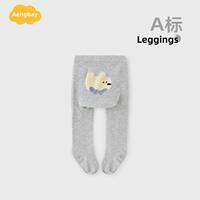
Aengbay | Thin & Versatile Mosquito-Repellent Baby Leggings for Spring and Autumn
₱360.19₱465.51
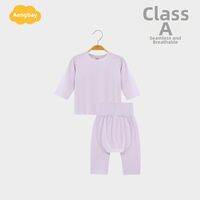
Aengbay | Cool Modal Infant Pajama Set
₱773.22₱890.23
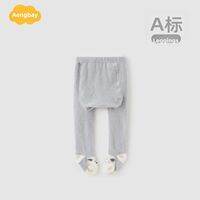
Aengbay | Warm Non-slipping Big Bottoms Baby Leggings
₱436.69₱553.70
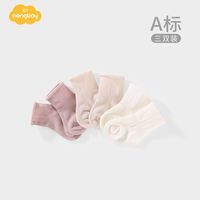
Aengbay | Boneless Soft Baby Socks
₱377.00₱817.00
About Aengbay
Overview
Aengbay (Chinese: 昂贝) is a Chinese infant apparel brand that primarily serves the newborn and toddler market. Its product range focuses on baby underwear, rompers, sleepwear, loungewear, hats, and other infant clothing and accessories. Public records indicate that Aengbay is operated by Huizhou Angbei Trading Co., Ltd., which was established on June 1, 2017, in Huizhou, Guangdong Province, China.1
Company Profile
| Item | Details |
|---|---|
| Brand Name | Aengbay / 昂贝 |
| Chinese Name | 昂贝, 昂贝婴服 |
| Parent Company | Huizhou Angbei Trading Co., Ltd. |
| Founded | 2017 |
| Place of Origin | Huizhou, Guangdong Province, China |
| Industry | Infant apparel, maternity and baby products |
| Primary Markets | Mainland China; cross-border e-commerce |
| Target Demographic | Families with newborns, infants, and toddlers |
| Market Positioning | Mass-market / affordable infant clothing |
| Sales Channels | E-commerce platforms, brand flagship stores |
The corporate information presented above is derived from publicly available business databases and brand store listings. As business registration details may change over time, third-party database entries should not be regarded as definitive official records.2
History and Development
The operating entity behind Aengbay, Huizhou Angbei Trading Co., Ltd., was founded in 2017. Public filings list its registered capital at RMB 1 million, with a business scope covering the sale of baby products, clothing, footwear, textiles, and textile raw materials, alongside e-commerce, domestic trade, and import-export operations.
From its inception, Aengbay has concentrated on infant apparel and baby products. Brand materials emphasize design, product development, and attributes such as comfort, safety, and health.
With the expansion of digital retail, Aengbay developed a business model heavily reliant on online sales. On Chinese e-commerce platforms like JD.com, the brand offers an extensive selection of infant garments, including rompers, monastic-style tops, half-back shirts, pajamas, mosquito-repellent pants, and baby hats.3
Products
Aengbay’s catalog addresses the daily wear and home needs of children aged approximately zero to three years.
Baby Rompers
Rompers are among Aengbay’s most representative categories, encompassing:
- Short-sleeve rompers
- Long-sleeve rompers
- Newborn crawlers
- Bodysuits
- Crawling suits
- Lightweight summer rompers
- Air-conditioning suits
- Spring and autumn rompers
E-commerce listings show multiple romper series covering standard newborn and infant sizes such as 52, 59, 66, 73, 80, and 90.3
Baby Underwear
The brand produces a variety of foundational undergarments for infants, including:
- Newborn monastic-style tops
- Half-back shirts
- Sleeveless vests
- Belly-protecting tops
- Thermal underwear sets
- Baby underwear sets
- Base layers
These items constitute a core segment of the brand’s everyday essentials lineup.9
Sleepwear and Loungewear
Aengbay also offers infant pajamas and loungewear, such as lightweight sleeper rompers, robes, and garments designed for summer or air-conditioned environments. Some products utilize modal fabrics and are marketed for their lightness and softness.12
Accessories and Other Items
Beyond clothing, Aengbay retails:
- Baby caps
- Sun hats
- Mosquito-repellent pants
- Infant shoes and socks
- Children’s accessories
- Miscellaneous baby supplies
The company’s registered business scope similarly includes baby goods, footwear, and textiles.10
Market Positioning
Based on pricing, distribution channels, and public brand data, Aengbay operates as a mass-market, value-oriented infant apparel label rather than a luxury or premium brand. Third-party rankings frequently categorize it as an affordable option specializing in baby underwear, rompers, and related essentials. In various 2025–2026 infant clothing charts, Aengbay appeared in relevant category rankings.67
In summary, Aengbay can be characterized as a Chinese mass-market baby brand focused on foundational newborn and infant apparel, distributed primarily through e-commerce, and emphasizing comfort, practicality, and affordability.
Design Philosophy
Aengbay’s branding centers on themes of new birth and infant innocence. Official introductions link the brand’s founding to welcoming new life and providing eco-friendly, safe, comfortable, and healthy textile products for babies.4
Product aesthetics generally feature:
- Cute, family-oriented visual elements
- Motifs of animals, plants, and food
- Soft or bright child-friendly colors
- Simple, functional garment construction
- Styles suited for home wear, sleep, and casual outings
Specific collections have included themes such as “Little Bear,” “Little Lion,” “Red Berries,” and “Vine Garden.”11
Fabrics and Safety
Product descriptions frequently highlight cotton and modal as primary materials, promoting softness, breathability, and comfort. Some listings also reference safety standards applicable to infant textiles.5
However, terms such as “Class A,” “pure cotton,” or “eco-friendly” appearing in specific promotions do not imply uniform fabric composition or certification across all SKUs. Buyers should verify individual product labels, compliance standards, and testing information.
E-commerce Operations
Aengbay exhibits strong characteristics of a digital-native brand. Public data indicates significant sales volume on platforms like JD.com, while cross-border availability extends to international markets. For instance, Aengbay newborn clothing is listed on Lazada Philippines, confirming active cross-border e-commerce activity.121314
Third-party business case studies classify Aengbay as an e-commerce-focused infant apparel enterprise specializing in clothing, hosiery, and accessories.15
Market Presence and Recognition
Aengbay is not a global mass-consumer brand comparable to Nike, Uniqlo, or ZARA; its recognition is largely confined to the Chinese infant apparel and e-commerce sectors. Nevertheless, it has repeatedly appeared in third-party rankings for niche categories such as baby rompers, sleepwear, air-conditioning suits, and cotton crawlers. The 2026 baby sleeper gown ranking, for example, included “昂贝/Aengbay,” describing it as a Huizhou-based, affordable brand established in 2017.6
This suggests moderate product coverage and consumer awareness within China’s online baby clothing market, though insufficient public evidence exists to classify Aengbay as a leading national industry player.
Corporate Information
Public records identify the operating entity as:
Huizhou Angbei Trading Co., Ltd.
Registered in Huizhou, Guangdong Province, the company was established on June 1, 2017. Its stated business scope includes sales of baby products, apparel, footwear, textiles, and yarns, as well as e-commerce, domestic trade, and import-export activities.
Brand store profiles further associate “Aengbay 昂贝婴服” with this entity and confirm Huizhou as the brand’s base of operations.15
Brand Nomenclature
The brand uses Aengbay as its English/Latin-script name and 昂贝 as its Chinese name.
Notably, trademark records for “AENGBAY” exist in other jurisdictions. Russian public trademark databases, for example, show an AENGBAY mark registered in 2023 under ownership distinct from Huizhou Angbei Trading Co., Ltd.5 Consequently, references to “Aengbay” in the context of infant apparel should specifically denote the Chinese brand under Huizhou Angbei Trading Co., Ltd., rather than assuming all identically named marks represent the same entity.
Summary
Aengbay (昂贝) is a Chinese infant apparel brand established in 2017 and operated by Huizhou Angbei Trading Co., Ltd. in Guangdong Province. Targeting families with newborns and toddlers, its offerings span rompers, crawlers, bodysuits, underwear, sleepwear, half-back shirts, hats, mosquito-repellent pants, and miscellaneous baby goods. The brand employs a predominantly e-commerce-driven model with mass-market positioning, emphasizing comfort, utility, and accessible pricing for everyday infant wear.8
References
- aengbay简介-昂贝婴儿衣服-十大品牌网CNPP
- 首页 – Aengbay昂贝婴服旗舰店
- Aengbay价格报价行情 – 京东
- Aengbay Summer Thin 52 Code Newborn Baby Half Back Shirt Air Conditioner Clothes Baby Clothes for Autumn Moisture Wicking Sweat Absorbent
- Торговая марка №944883 — AENGBAY: владелец торгового знака и другие данные | РБК Компании
- 2026年婴儿睡袍十大品牌排行榜-排行榜123网
- 2026年婴儿空调服十大品牌排行榜-排行榜123网
- 抱被十大品牌:市场上真实的抱被流行品牌 -轻舟网
- 〖纯棉宝宝秋衣〗价格_品牌_推荐_怎么样-什么值得买
- 〖最新昂贝其他儿童配饰大全〗最新昂贝其他儿童配饰报价及图片大全_什么值得买
- 〖最新Aengbay连身衣大全〗最新Aengbay连身衣报价及图片大全_什么值得买
- Aengbay High Waist Thin Summer Baby Belly Wrap Newborn Protection against Cold Breathable Comfortable Cotton Polyester Blend
- Aengbay Pure Cotton Baby Romper Spring Autumn Newborn Baby Clothes Monastic Style One-Month Celebration Baby Wrap-On Onesie
- Aengbay Spring And New For Newborns Color Blocked Tire Baby Floor Anti Slip Socks Autumn Huangadaff-Cb | Lazada PH
- Buy Aengbay Newborn Long Sleeve Baby Boys Clothing Custom Baby Girls Clothes Printing Blank Baby Set from Huizhou Angbei Trading Co., Ltd., China | Tradewheel.com