Shop on Lazada
Gildan products
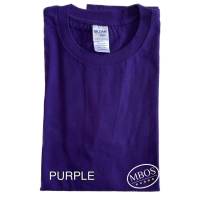
Gildan Premium T-shirt Red Pink Purple Blue Green Yellow Gold Gray Orange
₱315.00
Buy on Lazada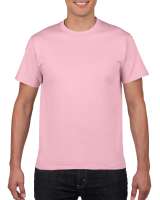
76000 Gildan® Premium Cotton™ Basic Plain Adult T-Shirt
₱256.00
Buy on Lazada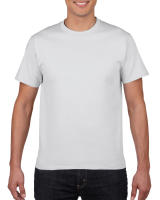
Gildan T-Shirt Plain Shirt Premium Men Tee 100% Cotton TShirt 76000 Adult Size XS S M L XL XXL 3XL Blank Color Tees Unisex (Black White Navy Royal Blue Green Red Grey Pink Orange Yellow Purple Maroon Charcoal Jade Sand Sapphire Cobalt Carolina)
₱279.00₱400.00
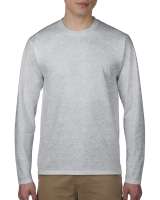
76400 Gildan® Premium Cotton™ Adult Long Sleeve T-Shirt
₱368.00
Buy on Lazada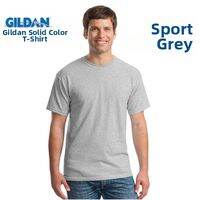
Cotton Solid Color Custom T-shirt Work Uniform
₱343.00
Buy on Lazada
Gildan Premium Cotton 76000 white and black roundneck T-shirt
₱315.00
Buy on Lazada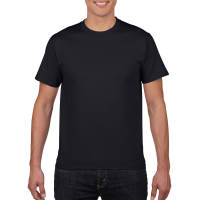
76000 Gildan Premium Cotton Adult T-Shirt (4XL - 5XL)
₱304.00
Buy on Lazada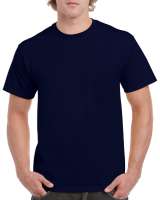
5100 Gildan® Heavy Cotton™ Plain Basic Adult T-Shirt - American Size
₱256.00
Buy on LazadaAbout Gildan
Overview
-
Company Name: Gildan Activewear Inc.
-
Founded: 1984
-
Headquarters: Montreal, Quebec, Canada
-
Industry: Apparel Manufacturing
-
Products: T-shirts, hoodies, sweatshirts, polo shirts, tank tops, socks, underwear, activewear, and blank garments
-
Markets: North America, Europe, Asia-Pacific, Latin America, and other international regions
-
Employees: Approximately 75,000 worldwide
-
Stock Listings: Toronto Stock Exchange (TSX) and New York Stock Exchange (NYSE) [2]
Gildan is a Canadian apparel manufacturer best known for producing blank T-shirts, sweatshirts, hoodies, polo shirts, underwear, socks, and other basic clothing. The company is one of the world’s largest vertically integrated apparel manufacturers, supplying products for the printwear, promotional products, retail, and private-label markets. Gildan garments are widely used for custom printing, corporate uniforms, school apparel, sports teams, merchandise, and fashion brands due to their affordability, durability, and consistent quality. [1]
History
Gildan traces its roots to Harley Inc., a children’s clothing company founded in Montreal in 1946 by Joseph Chamandy. In 1984, the company acquired a knitting mill and established Gildan Textiles Inc., marking the birth of the Gildan brand. The name “Gildan” was created by combining the names of two company sales representatives.
Initially focused on manufacturing fabrics, Gildan soon expanded into producing blank T-shirts for screen printing and promotional use. During the 1990s and 2000s, the company invested heavily in vertically integrated manufacturing facilities across Central America and the Caribbean, allowing it to control nearly every stage of production—from yarn spinning to knitting, dyeing, cutting, sewing, and distribution.
The company became publicly traded in 1998, enabling rapid international expansion. Over the following decades, Gildan entered Europe, Asia, and additional global markets while expanding its product portfolio through acquisitions. [3]
Business Model
Gildan operates a vertically integrated manufacturing system, meaning it controls most stages of garment production rather than outsourcing them. This includes:
-
Yarn spinning
-
Fabric knitting
-
Dyeing and finishing
-
Cutting
-
Sewing
-
Distribution
This approach helps the company maintain quality control, reduce manufacturing costs, improve efficiency, and respond quickly to customer demand. [4]
Products
Gildan manufactures a wide variety of apparel, including:
-
Basic T-shirts
-
Heavyweight and lightweight cotton shirts
-
Hoodies
-
Sweatshirts
-
Crewnecks
-
Long-sleeve shirts
-
Tank tops
-
Polo shirts
-
Performance activewear
-
Underwear
-
Socks
-
Fleece garments
-
Children’s apparel
Many products are sold as blank garments designed for customization through screen printing, embroidery, direct-to-garment (DTG) printing, heat transfer, and other decoration methods. [5]
Popular Product Lines
Some of Gildan’s most recognized collections include:
-
Ultra Cotton
-
Heavy Cotton
-
Softstyle
-
Hammer
-
DryBlend
-
Performance
-
DryBlend Fleece
-
Premium Cotton
These product lines differ in fabric weight, softness, durability, fit, and intended use. [6]
Manufacturing
Gildan manufactures products primarily in:
-
Honduras
-
Nicaragua
-
Dominican Republic
-
Bangladesh
-
United States
The company also operates yarn-spinning, textile, sewing, and distribution facilities across multiple countries. Its vertically integrated model reduces dependence on third-party manufacturers. [7]
Sustainability
Gildan has invested significantly in sustainability and environmental initiatives. The company’s programs include:
-
Water conservation
-
Wastewater treatment systems
-
Renewable energy projects
-
Biomass energy facilities
-
Reduced greenhouse gas emissions
-
Sustainable sourcing of raw materials
-
Ethical labor compliance programs
Gildan also publishes annual Environmental, Social, and Governance (ESG) reports outlining progress toward long-term sustainability goals. [8]
Brands
In addition to its flagship Gildan brand, the company owns or markets several well-known apparel brands, including:
-
Gildan
-
Comfort Colors
-
American Apparel
-
GOLDTOE
-
Peds
-
ALLPRO
According to the company, its portfolio also includes Hanes, Bali, Playtex, Maidenform, Bonds, and Champion (under a licensing arrangement for certain printwear markets) following recent business expansion. [9]
Target Markets
Gildan serves multiple industries, including:
-
Screen printing businesses
-
Promotional products companies
-
Corporate apparel suppliers
-
Sportswear distributors
-
Fashion brands
-
Online print-on-demand businesses
-
Schools and universities
-
Retail chains
-
Wholesale distributors
Its blank garments are widely used for custom merchandise, event apparel, branded uniforms, and personalized clothing. [10]
Reputation
Gildan is recognized for:
-
Affordable pricing
-
Reliable manufacturing quality
-
Wide range of colors and sizes
-
Consistent availability
-
Durable fabrics suitable for printing
-
Large-scale global production
Because of these qualities, Gildan has become one of the most commonly used blank apparel brands in the custom printing and promotional products industries. [11]
Milestones
-
1984: Gildan founded as Gildan Textiles Inc.
-
1997: Opened its first offshore sewing plant in Honduras.
-
1998: Became a publicly traded company.
-
2001: Became the leading 100% cotton T-shirt brand in the U.S. printwear market.
-
2006: Expanded into retail apparel through hosiery acquisitions.
-
2012: Acquired Anvil Knitwear.
-
2015: Acquired Comfort Colors.
-
2017: Acquired the American Apparel brand.
-
2024: Celebrated its 40th anniversary.
-
2025: Announced the acquisition of HanesBrands, significantly expanding its global portfolio. [12]
Legacy
Over four decades, Gildan has evolved from a small Canadian textile company into one of the world’s largest manufacturers of basic apparel. Its emphasis on vertical integration, large-scale production, and dependable blank garments has made it a leading supplier for the global custom-printing, promotional, and retail industries. [13]