Shop on Lazada
aiwuge products
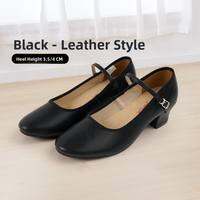
aiwuge | Ballet Folk Dance Exam Representative Black Heel Teacher Dance Shoes Children Practice Dance Shoes Character Dance Shoes
₱851.72₱1,164.58
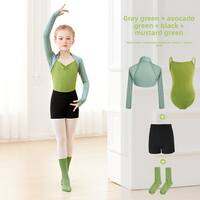
aiwuge | Dance Wear Blouse For Girls Spring Autumn
₱1,213.51₱1,329.27
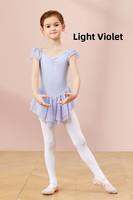
aiwuge | Childrens Summer Short Sleeve Dance Practice Suit Ballet Skirt
₱534.92₱632.48
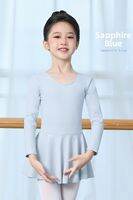
aiwuge | Children Long Sleeve Ballet Dance Dress
₱725.79₱822.14
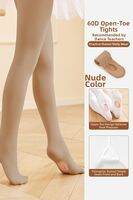
aiwuge | Ballet Dance Tights with Holes Girls Silk Stockings
₱309.47₱366.20
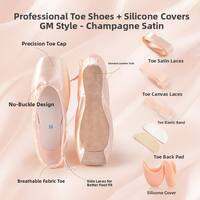
aiwuge | Childrens Ballet Shoes with Pointe Ribbon Satin
₱1,353.00₱1,707.61
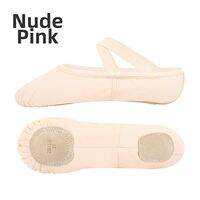
aiwuge | Ballet & Chinese Dance Practice Shoes Soft Bottom Unisex
₱478.41
Buy on Lazada
aiwuge | Childrens Dance Costume Summer Practice Suit Gymnastics Suit Chinese Dance Costume Ballet Costume
₱738.68₱816.80
About aiwuge
Overview
aiwuge (艾舞戈) is a Chinese dancewear and dance-training brand with a primary focus on ballet, Chinese dance, children’s dance education, and related training accessories. The brand operates largely through e-commerce marketplaces rather than standalone retail stores, maintaining a presence on platforms such as Lazada and Joom 123. While publicly documented corporate history is limited, available marketplace records associate the brand with Dongguan, Guangdong, China.
| Category | Information |
|---|---|
| Brand name | aiwuge |
| Chinese name | 艾舞戈 |
| Industry | Dancewear, dance training, fitness accessories |
| Core focus | Ballet and dance training |
| Primary audience | Children, students, dancers, and dance-training consumers |
| Product positioning | Practical training and performance apparel and accessories |
| Market presence | Chinese-origin brand with international marketplace distribution |
| Known marketplace presence | Lazada, Joom, and Chinese e-commerce channels |
| Associated location | Dongguan, Guangdong, China |
| Brand type | Consumer dancewear and dance-equipment brand |
Brand Identity and Specialization
aiwuge functions as a specialized dance and training brand rather than a broad mainstream sportswear company. Its product range concentrates on ballet, Chinese dance, children’s dance training, examinations, auditions, performances, stretching, yoga, and general fitness. This focus establishes a distinct market identity centered on dance education and daily practice, particularly for younger dancers.
The Chinese name 艾舞戈 includes the character “舞,” which relates directly to dance. International listings typically use the Latin form aiwuge, often in lowercase. While the complete etymology remains unverified, the brand explicitly connects its identity to ballet accessories and dance products in Chinese marketplaces.
Product Categories
Dancewear
Clothing constitutes the central category for aiwuge. Offerings include ballet practice outfits, children’s dance costumes, dance pants, skirts, tops, shorts, coats, belts, undergarments, and thermal wear 12. Listings feature items such as children’s ballet and Chinese-dance practice skirts, children’s ballet coats, and adult ballet shorts.
Children’s Dancewear
Children represent a significant customer segment for the brand. Products are frequently described as suitable for young dancers, dance-school students, ballet students, examination candidates, and competition participants 23. Specific listings position outfits for art examinations or describe costumes intended for both ballet practice and performance, suggesting a close connection to the dance-school and extracurricular training ecosystem.
Training Accessories
Beyond apparel, aiwuge offers training equipment including yoga and stretching bricks, training mats, weighted bags for children, and various ballet-related accessories. High-density foam training bricks are marketed for stretching and flexibility, while foldable sports pads target students and general physical training.
Ballet and Chinese Dance Focus
Ballet is one of the brand’s strongest areas, with a catalog that spans clothing, accessories, training equipment, and children’s products. This range creates a ballet-training ecosystem rather than a simple apparel line. The brand also offers thermal and invisible dancewear designed to be worn unobtrusively beneath costumes to provide warmth and flexibility 1.
Unlike brands focused exclusively on Western classical ballet, aiwuge explicitly references Chinese dance in its catalog, including practice clothing designed specifically for this discipline. This positions the brand within the broader performing-arts market encompassing ballet, Chinese dance, examinations, and student training.
Target Customers
Based on available catalogs, aiwuge serves several overlapping customer groups:
- Children and parents: A primary segment, with products including costumes, underwear, training bags, and practice clothing specifically described for young dancers 3.
- Dance students: Products emphasize comfort, freedom of movement, durability, and practicality for regular training rather than exclusive professional performance.
- Adult dancers: Adult dancewear, such as ballet shorts, is marketed for ballet, yoga, and fitness.
- General fitness users: Certain products cross over into yoga and stretching, extending reach beyond the dance community.
Distribution and Business Model
aiwuge employs an e-commerce-first international distribution strategy. The brand maintains listings on Lazada, Joom, and Chinese e-commerce marketplaces 123. International Lazada listings identify aiwuge as the seller and show product availability in Southeast Asian markets. On Joom, specific items such as children’s ballet underwear have recorded thousands of purchases 3.
This model follows a direct path from product development and manufacturing to online marketplace listings for international consumers. By utilizing platforms like Lazada and Joom, the brand reaches parents and students directly without relying on specialized physical boutiques. This approach suits the nature of dancewear, where practice clothing, accessories, and equipment can be sold effectively online.
Market Positioning and Design Philosophy
aiwuge occupies a middle ground in the dancewear market, distinguishing itself from premium specialist brands associated with professional footwear or high-end apparel. Instead, the catalog emphasizes accessibility and practical training, offering affordable, functional equipment for regular practice. This positioning makes the brand particularly relevant to students and families purchasing gear for ongoing lessons.
Design Characteristics
- Function before fashion: Products prioritize movement, comfort, flexibility, and training utility. Dance pants, for example, are marketed based on freedom of movement and suitability for multiple disciplines.
- Youth-oriented practicality: Children’s items emphasize comfortable materials and suitability for repeated practice.
- Multi-purpose use: Many products serve applications outside their primary dance function. Dance pants are promoted for ballet, yoga, and fitness, while training bricks are used for ballet stretching, yoga, and flexibility exercises.
Competitive Position
| Segment | Position |
|---|---|
| Professional ballet | Secondary |
| Dance-school students | Strong focus |
| Children’s dancewear | Strong focus |
| Chinese dance | Strong focus |
| Affordable practice clothing | Strong focus |
| Dance accessories | Strong |
| General fitness | Secondary |
| Luxury fashion | Low emphasis |
| Professional performance equipment | Limited/unclear |
The brand is best characterized as a dance-training lifestyle and equipment provider rather than a prestige professional ballet house. Key distinctions include a strong orientation toward children, a combination of ballet and Chinese dance traditions, a catalog that includes training equipment, international e-commerce visibility, and a price point oriented toward ordinary students and families.
Customer Reception
Marketplace data indicates generally positive customer reception, though this reflects consumer feedback rather than independent quality testing. Lazada listings for aiwuge display seller ratings around 99%, with individual products commonly rated in the mid-to-high 4-star range 12. Customer comments frequently cite comfortable fabrics, good fit, attractive appearance, workmanship, friendly service, and suitability for children. Reviews of thermal dancewear mention softness and breathability, while children’s dancewear reviews note fit and construction quality 2.
Geographic Roots and Limitations
Available evidence points to Dongguan, Guangdong, China, as a key location associated with aiwuge. Chinese marketplace aggregation pages identify the store with this city. However, without primary corporate documentation, Dongguan cannot be definitively confirmed as the legal headquarters, as marketplace shipping locations and seller addresses may differ from registered corporate offices.
Publicly accessible sources currently lack sufficient information to establish the founding year, original founders, legal corporate entity, annual revenue, employee count, factory ownership, detailed ownership structure, official global headquarters, comprehensive corporate history, verified sales figures, or major celebrity endorsements. Consequently, specific claims regarding corporate history or financial performance should not be made without additional primary documentation.