Shop on Lazada
Anne Klein products

Anne Klein AK5064BKBK0000 Black Octagon Watch with Black Dial and Black Ceramic Band
₱4,008.00₱11,450.00
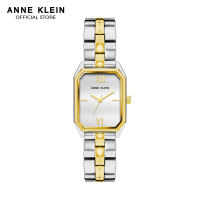
Anne Klein AK3775SVTT0000 Gold Two Tone Octagon Watch with Silver Dial
₱2,660.00₱7,650.00

Anne Klein AK5023WTTT0000 Silver Tone Round Watch with Heart Diamond
₱3,133.00₱8,950.00
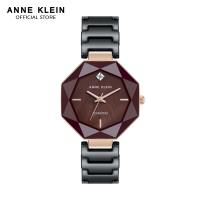
Anne Klein AK5064BYBK0000 Rose Gold Octagon Watch With Burgundy Mother Of Pearl Dial in Ceramic Band
₱5,725.00₱11,450.00

Anne Klein AK5022RGPK0000 Rose Gold Tone Rectangle Watch with Blush Mother of Pearl Dial in Ceramic Band
₱4,008.00₱11,450.00
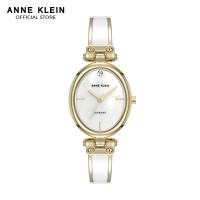
Anne Klein AK5118WTGB00SR Gold Tone Oval Watch White Mother Of Pearl Dial and Stainless Steel Band
₱6,058.00₱11,650.00

Anne Klein Oval Yellow Mother of Pearl Gemstone Ring Watch
₱3,133.00₱8,950.00

Anne Klein AK1362RGRG0000 Rose Gold Round Watch with Rose Gold Dial Stainless Steel Band
₱2,783.00₱7,950.00
About Anne Klein
Anne Klein is an American fashion brand established in 1968 by designer Anne Klein (Hannah Golofsky). The label is widely recognized for its interpretation of modern American sportswear, coordinated separates, workwear, footwear, handbags, watches, jewelry, and other accessories. Historically, its central design philosophy has focused on creating clothing that is practical, versatile, sophisticated, and suited to the evolving lifestyles of modern women.1
Today, Anne Klein remains a prominent American lifestyle fashion label. Its heritage is strongly associated with women’s empowerment, accessible sophistication, and the concept of the “fully coordinated closet.”2
Basic Information
| Category | Information |
|---|---|
| Brand | Anne Klein |
| Founded | 1968 |
| Founder | Anne Klein |
| Founder Birth Name | Hannah Golofsky |
| Founded In | New York, United States |
| Industry | Fashion / Apparel / Accessories |
| Original Specialty | Women’s sportswear and coordinated separates |
| Products Today | Clothing, footwear, handbags, watches, jewelry, and accessories |
| Brand Identity | Modern American style, versatility, sophistication |
| Founder Lifespan | 1923–1974 |
| Key Historical Figure | Donna Karan |
| Official Website | anneklein.com |
The Founder: Anne Klein
Anne Klein was born Hannah Golofsky on August 3, 1923, in Brooklyn, New York. She developed an early interest in fashion and received a scholarship to attend the Traphagen School of Fashion. By her teenage years, she was already working professionally within New York’s garment industry.3
One of her early career achievements occurred at Varden Petites, where she helped transform clothing for younger women from traditionally juvenile designs into more sophisticated fashion. She later designed for Maurice Rentner, becoming involved in developing apparel specifically suited to younger women.4
In the 1940s, Anne Klein and her first husband, Ben Klein, developed the Junior Sophisticates label. This concept was significant because it offered younger women clothing that appeared mature and fashionable, rather than simply adapting children’s clothing to smaller sizes.
The “Fully Coordinated Closet”
One of Anne Klein’s most enduring contributions to American fashion was her approach to mix-and-match clothing. Rather than treating an outfit as a single fixed ensemble, Klein designed pieces intended to be combined in various ways: jackets with skirts, trousers with blouses, and dresses with accessories. This approach became known as the “fully coordinated closet.”5
Instead of purchasing a single suit that could only be worn one way, a woman could acquire several complementary pieces to create multiple outfits. This philosophy was particularly relevant to the changing role of American women in the mid-20th century, as they increasingly required clothing suitable for professional, social, and everyday settings. In this sense, Anne Klein was not merely designing individual garments but developing a comprehensive system of dressing.
Rise to Prominence
Anne Klein’s reputation grew substantially during the 1950s. Her mix-and-match separates became a signature element of her work, earning her significant industry recognition. Early honors included the Mademoiselle Merit Award in 1954, followed by the prestigious Coty American Fashion Critics’ Award.6
She subsequently received further accolades, including the Neiman Marcus Fashion Award and an American Creativity Award.7 By the 1960s, Klein had established herself as a pivotal figure in American fashion.
Founding of Anne Klein & Company
A major turning point arrived in 1968 when Anne Klein established Anne Klein & Company. The new company was founded on the premise of producing elegant, practical sportswear for the modern American woman.8
The brand’s distinctive logo was also developed during this period. According to company history, Anne Klein sketched a logo based on her astrological sign, which eventually became an iconic component of the brand identity.
The launch represented a broader shift in American fashion: sportswear was no longer viewed merely as casual clothing. It could be sophisticated, coordinated, and appropriate for both professional and social life.
Design Philosophy
The Anne Klein aesthetic is broadly defined by several key characteristics:
Versatility
Clothing was designed to function across multiple situations rather than being limited to a single occasion.
Coordinated Separates
Jackets, trousers, skirts, blouses, and dresses were created to be interchangeable and combinable.
American Sportswear
Rather than relying heavily on formal European couture traditions, Klein developed a distinctly American approach to practical fashion.
Modern Femininity
Garments were feminine without being restrictive or overly ornamental.
Functionality
Ease of movement and everyday utility were integral to the design philosophy.
Empowerment
Klein’s fashion was closely linked to the increasingly independent professional woman. The brand continues to describe its mission as championing and empowering women.9
The Battle of Versailles
One of the most celebrated moments in Anne Klein’s career was the Battle of Versailles fashion show in 1973. This event pitted five American designers against five prominent French designers. Anne Klein was the only woman among the American designers participating in the showcase.
The American team’s success marked a critical moment in fashion history, demonstrating that American fashion could compete with and influence the traditionally dominant French establishment. Klein’s contribution reflected her modern sportswear philosophy and reinforced her reputation as a leading American designer.
Death and Succession
Anne Klein died unexpectedly in 1974 at the age of 50. However, her company and design philosophy endured. One of the most significant designers to become associated with the brand following her passing was Donna Karan, who had previously served as one of Klein’s design assistants.10
Karan subsequently became a major figure in American fashion in her own right, eventually establishing her own influential label. Other designers also contributed to the creative direction of the Anne Klein brand over subsequent decades. The company’s historical timeline lists figures including Louis Dell’Olio, Richard Tyler, Patrick Robinson, Kaufman & Franco, Charles Nolan, Isabel Toledo, and Sharon Lombardo.11
Expansion into a Lifestyle Brand
Following Klein’s death, the company expanded beyond its original focus on clothing. By the 1970s and onward, Anne Klein evolved into a broader lifestyle brand incorporating categories such as:
- Women’s clothing
- Suits and workwear
- Dresses
- Skirts
- Trousers
- Blouses
- Handbags
- Shoes
- Jewelry
- Watches
- Eyewear
- Fragrance
- Other accessories
The brand’s official history cites 1976 as a pivotal year in its development into a full lifestyle brand. Today, the official Anne Klein website prominently features clothing, shoes, handbags, watches, and jewelry as core components of its product universe.12
Workwear Heritage
Workwear has been central to the brand’s identity. Anne Klein’s original concept was intimately connected to the needs of working women: clothing needed to be polished enough for professional environments while remaining comfortable and adaptable.
The brand later became particularly associated with the combination of tailored jackets, trousers, skirts, blouses, and accessories, creating the concept of an easily coordinated professional wardrobe. The Council of Fashion Designers of America describes Klein as a designer who championed classic, casual workwear for the modern woman, highlighting her role in transforming how American women dressed.13
Logo and Branding
The Anne Klein logo is among the most recognizable elements of the brand. Company history states that Anne Klein created the logo from her astrological sign when she established the brand in 1968.14
The symbol subsequently became closely associated with the brand’s packaging, clothing, accessories, and retail presence. This aspect of Anne Klein’s branding is notable because the logo is not merely a typographic representation of the designer’s name; it connects directly to the founder’s personal identity.
Core Philosophy
Anne Klein’s philosophy can be summarized as the belief that fashion should help women live their lives rather than restrict them. The brand’s heritage emphasizes clothing that simplifies dressing through versatile pieces capable of transitioning between different aspects of a woman’s life.
This philosophy aligns with the founder’s famous statement: “Clothes aren’t going to change the world, the women who wear them will.” This quote encapsulates the fundamental idea behind the brand: clothing serves as a tool for confidence, self-expression, and participation, rather than being an end in itself.
Anne Klein in the 21st Century
Anne Klein has continued to operate as a fashion and lifestyle brand throughout the 21st century. In 2001, the designer was commemorated on the Fashion Walk of Fame with a plaque on Seventh Avenue in New York, near where her career began.
The company celebrated its 50th anniversary in 2018, marking five decades since the establishment of Anne Klein & Company. That year also saw a licensing partnership with Steven Madden for footwear and handbags.
In 2020, the brand highlighted its connection with Anne Klein’s granddaughter, Jesse Rubinstein, as part of efforts to link the historical legacy with the contemporary brand. The label has also increasingly emphasized social impact and women’s empowerment alongside its fashion offerings.
Current Product Range
The modern Anne Klein product range is considerably broader than the original 1968 clothing line.
Apparel
- Dresses
- Blazers
- Trousers
- Skirts
- Blouses
- Workwear
- Casual clothing
- Seasonal collections
Accessories
- Handbags
- Watches
- Jewelry
- Eyewear
Footwear
- Pumps
- Flats
- Sandals
- Boots
- Casual shoes
The current official website specifically presents clothing, shoes, handbags, watches, and jewelry as major categories.
Target Customer
Historically, Anne Klein’s core customer has been the modern working woman. The brand’s design philosophy targets individuals seeking clothing that is:
- Sophisticated but not excessively formal
- Feminine yet practical
- Versatile
- Easy to coordinate
- Appropriate for both work and social occasions
- Accessible compared to ultra-luxury designer fashion
This positioning allows Anne Klein to occupy a distinct space between traditional designer fashion and mass-market apparel. Its emphasis lies less on runway experimentation and more on creating a complete, functional wardrobe.
Importance in Fashion History
Anne Klein’s significance extends beyond the garments bearing her name. Her primary contribution was helping to establish a distinctly American approach to women’s fashion rooted in practicality, versatility, and coordinated separates.
Before this philosophy became commonplace, women’s wardrobes were often organized around rigid outfits tailored to specific occasions. Klein helped popularize the idea that a woman could construct numerous looks from a relatively small number of complementary pieces.
This concept proved particularly powerful as more women entered professional environments and required clothing capable of transitioning between office, travel, social life, and everyday activities. In this regard, Anne Klein served as an important precursor to the modern concept of lifestyle dressing.
Legacy
Anne Klein’s legacy encompasses three major areas:
American Sportswear
She helped establish sophisticated sportswear as a cornerstone of American fashion.
The Coordinated Wardrobe
Her “fully coordinated closet” concept fundamentally influenced how women purchased and combined clothing.
Women-Centered Design
Her work explicitly addressed women’s changing lifestyles and independence.
The CFDA describes her as a designer who helped alter the course of American fashion, while the brand continues to position her as a pioneer whose ideas remain relevant.
Distinction Between Designer and Brand
It is useful to distinguish between Anne Klein the person and Anne Klein the brand.
Anne Klein (1923–1974) was the fashion designer and founder. Anne Klein (the brand) is the commercial fashion label established in 1968 that continued after her death and developed into a broader lifestyle business. Consequently, many products sold today under the Anne Klein name were not personally designed by Anne Klein herself; they represent the continuation and reinterpretation of the design philosophy she established.
Timeline
| Year | Event |
|---|---|
| 1923 | Anne Klein is born in Brooklyn as Hannah Golofsky |
| 1937 | Receives a scholarship to the Traphagen School of Fashion |
| 1938 | Begins working for Varden Petites |
| 1940s | Designs for Maurice Rentner and develops Junior Sophisticates |
| 1950 | Becomes known for mix-and-match separates |
| 1954 | Receives major fashion recognition, including the Coty Award |
| 1959 | Receives the Neiman Marcus Fashion Award |
| 1963 | Establishes her own freelance design studio |
| 1968 | Anne Klein & Company is founded |
| 1970 | Saks Fifth Avenue opens an Anne Klein designer shop/corner |
| 1971 | Anne Klein enters the Coty Hall of Fame |
| 1973 | Participates in the Battle of Versailles |
| 1974 | Anne Klein dies |
| 1970s onward | Brand expands into a broader lifestyle business |
| 2001 | Anne Klein is honored on the Fashion Walk of Fame |
| 2018 | Brand celebrates its 50th anniversary |
| 2020 | Brand highlights its connection with granddaughter Jesse Rubinstein |
| 2023 | Anne Klein brand celebrates 55 years |
Overall Assessment
Anne Klein is best understood as a heritage American fashion brand rather than simply a contemporary clothing label. Its historical significance stems from its founder’s role in transforming how American women dressed. Anne Klein helped popularize coordinated separates, practical sportswear, and wardrobe versatility, positioning fashion as a support system for women’s increasingly independent professional and personal lives.
While the modern brand has expanded substantially beyond its founder’s original clothing business, its central identity remains consistent: classic American style, versatility, functionality, and women’s empowerment.
In summary, Anne Klein represents a convergence of American fashion heritage, women’s sportswear, coordinated wardrobes, workwear, accessible sophistication, and women’s empowerment. From a fashion-history perspective, Anne Klein occupies an important lineage alongside designers such as Claire McCardell, Donna Karan, and Ralph Lauren in the development of a distinctly American fashion identity, although each represents a unique design philosophy.
References
- AK History – Anne Klein
- The Enduring Legacy of Anne Klein – CFDA
- Anne Klein | Home Page
- Happy 100th Birthday Anne Klein!
- Independence: What Does it Mean for Anne Klein? – Anne Klein
- Celebrating 55 Years of the Anne Klein Brand – Anne Klein
- Our Story | Anne Klein Fragrances
- Happy 100th Birthday Anne Klein! — SSI Life
- Celebrating Women’s History With Anne Klein
- AK History – Anne Klein
- Timeline – Anne Klein
- Klein, Anne – Vintage Fashion Guild
- Anne Klein – Museo della Calzatura
- Anne Klein – Leadership – Harvard Business School