Shop on Lazada
Timberland products
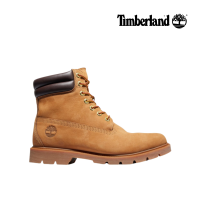
Timberland Mens Classic 6-Inch Lace-Up Leather Boot
₱9,796.50₱13,995.00
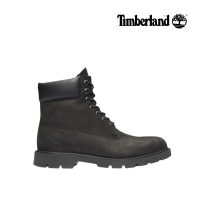
Timberland Mens Boot Classic 6-Inch Waterproof Black Leather Boots with Laces
₱9,796.50₱13,995.00
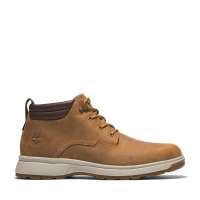
Timberland Mens Atwells Ave Waterproof Chukka Boot brown leather lace-up design
₱6,996.50₱9,995.00
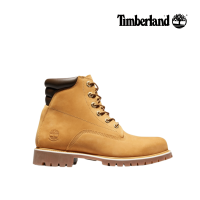
Timberland Mens Alburn 6-Inch Waterproof Boot Tan Leather Lugged Sole Lace-Up Casual Outdoor Wear
₱9,796.50₱13,995.00
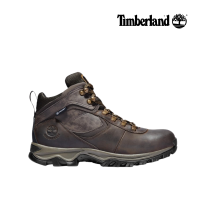
Timberland Mens Mt. Maddsen Mid Lace Up Waterproof Hiking Boot Brown Leather with Metal eyelets
₱8,187.00₱12,995.00
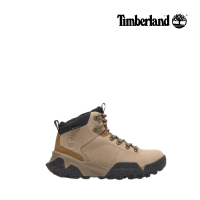
Timberland Mens Motion Scramble Mid Lace-Up Waterproof Hiking Boot
₱10,396.00₱12,995.00
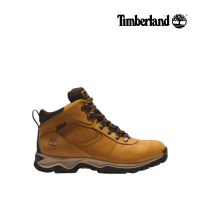
Timberland Mens Mt. Maddsen Waterproof Mid-Calf Hiking Shoes Rugged Sole Lace-Up
₱9,096.50₱12,995.00
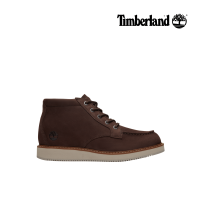
Timberland Mens Redwood Edge Chukka Brown Leather Boot with OrthoLite Footbed
₱7,696.50₱10,995.00
About Timberland
Timberland is an American premium outdoor lifestyle brand best known for its iconic waterproof yellow boots, as well as its footwear, apparel, and accessories designed for work, outdoor activities, and everyday urban wear. Founded in 1973, the brand has become one of the world’s most recognizable names in durable footwear, combining rugged performance with contemporary fashion. Today, Timberland is owned by VF Corporation, one of the world’s largest apparel and footwear companies. [1]
Overview
-
Brand Name: Timberland
-
Founded: 1973
-
Founder: Nathan Swartz (through the Abington Shoe Company) and later developed by his son Sidney Swartz
-
Headquarters: Stratham, New Hampshire, United States
-
Industry: Footwear, Apparel, Outdoor Lifestyle
-
Parent Company: VF Corporation (since 2011)
-
Products: Boots, shoes, clothing, backpacks, belts, hats, and accessories
-
Known For: The Original Yellow Boot (6-inch waterproof boot)
History
Timberland’s roots trace back to 1952, when Nathan Swartz purchased a half interest in the Abington Shoe Company in Massachusetts. By 1955, he had acquired full ownership of the company and moved production to New Hampshire. The company specialized in manufacturing durable work boots for laborers working in harsh weather conditions. [2]
A major breakthrough came in 1973 with the introduction of the first waterproof leather boot using an innovative injection-molding technology that permanently bonded the rubber sole to the leather upper. This eliminated stitching holes that could allow water to enter, making the boots exceptionally durable and waterproof.
The boots became known simply as “Timberland”, and their popularity grew so quickly that the company eventually adopted the boot’s name as its corporate brand. [3]
The Original Yellow Boot
The Original Timberland® Yellow Boot is one of the most iconic footwear designs in fashion history. Originally created for construction workers, tradespeople, and outdoor professionals, it became famous for its:
-
Waterproof full-grain leather
-
Seam-sealed construction
-
Durable rubber lug outsole
-
Padded collar for comfort
-
Rustproof hardware
-
Premium craftsmanship
Although built for work, the boot eventually became a fashion icon embraced by musicians, athletes, designers, and streetwear enthusiasts around the world. [4]
Brand Evolution
Throughout the 1980s and 1990s, Timberland expanded beyond work boots into a complete outdoor lifestyle brand, introducing:
-
Hiking boots
-
Casual sneakers
-
Jackets
-
Outdoor apparel
-
Accessories
-
Bags
-
Watches
-
Outdoor equipment
Its products combined rugged functionality with casual style, making the brand popular across both outdoor and urban markets. [5]
Acquisition by VF Corporation
In 2011, VF Corporation acquired Timberland for approximately US$2 billion, adding it to a portfolio that includes brands such as The North Face, Vans, and Dickies. The acquisition expanded VF’s presence in the outdoor footwear market while allowing Timberland to continue operating as a distinct global brand. [6]
Sustainability
Timberland has positioned sustainability as a core part of its brand identity. Its initiatives include:
-
Responsibly sourced leather
-
Increased use of recycled materials
-
Renewable and regenerative natural materials
-
Tree-planting and ecosystem restoration projects
-
Reducing greenhouse gas emissions
-
Designing products with durability and circularity in mind
The company also supports community volunteering and environmental stewardship programs. [7]
Product Categories
Timberland’s product range includes:
Footwear
-
Waterproof boots
-
Hiking boots
-
Work boots
-
Casual shoes
-
Sneakers
-
Sandals
Apparel
-
Jackets
-
Hoodies
-
T-shirts
-
Shirts
-
Pants
-
Shorts
-
Outdoor wear
Accessories
-
Backpacks
-
Hats
-
Belts
-
Wallets
-
Socks
-
Gloves
-
Bags
Design Philosophy
Timberland products are built around three main principles:
-
Durability: Designed to withstand demanding conditions.
-
Comfort: Incorporating cushioning and ergonomic features for extended wear.
-
Performance: Providing waterproofing, traction, and weather resistance for outdoor use. [8]
Cultural Impact
Although originally intended as workwear, Timberland boots became a symbol of street fashion during the 1990s. The brand gained widespread popularity through its adoption by hip-hop artists, celebrities, and fashion designers, helping transform the yellow boot into a global cultural icon. Today, Timberland continues to collaborate with designers and other brands while maintaining its reputation for rugged, premium footwear. [9]
Global Presence
Timberland products are sold in more than 100 countries through:
-
Brand-owned retail stores
-
Authorized retailers
-
Department stores
-
Outdoor specialty shops
-
Official e-commerce platforms
The brand serves consumers across work, outdoor, and lifestyle categories. [10]
Legacy
Over five decades after the launch of its first waterproof boot, Timberland remains one of the world’s leading outdoor lifestyle brands. Its signature blend of craftsmanship, durability, innovation, and environmental commitment has helped it maintain a strong global reputation among workers, outdoor enthusiasts, and fashion-conscious consumers alike. [11]