Shop on Lazada
Babybee products
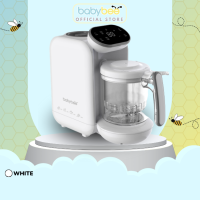
Babybee Smart Baby Food Processor Blender Grinder Milk Reheat Steamer Defrost Babycook Baby Food Mixer Food Maker
₱4,249.00₱4,499.00
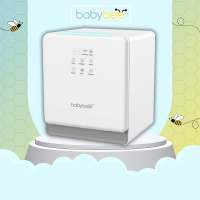
Babybee Smart UV LED Multipurpose Sterilizer Dryer and Food Dehydrator Yogurt Maker
₱7,499.00₱8,999.00
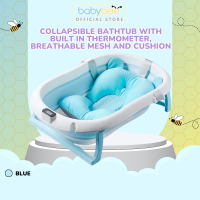
Babybee Collapsible Baby Bathtub Infant Shower Basin Portable Toddler Washing Tub With Drain and Support for Baby Toddler With Built in Thermometer
₱1,583.12₱1,799.00
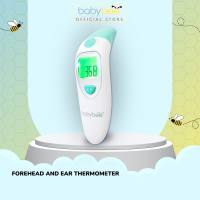
Forehead and Ear Babybee Non Contact Infrared Thermometer Temperature Test Digital Thermometer for Baby Kids Infant Adult Fever Measuring
₱1,009.00₱1,099.00
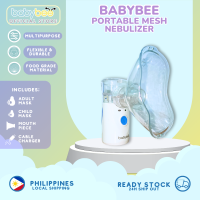
Babybee Portable Nebulizer Aspirators Inhaler and Handheld Vaporizers For Kids Adults Baby Nebulizer
₱1,199.00₱1,299.00
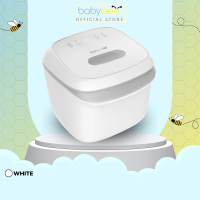
Babybee Economical UV Sterilizer Baby Bottle Daily Tableware UV Baby Bottle Sterilizer
₱4,449.00
Buy on Lazada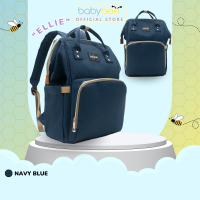
Fashion Maternity Babybee Nappy Bag Large Capacity Baby Bag Travel Backpack Desiger Nursing Bag for Baby Care
₱1,439.10₱1,599.00
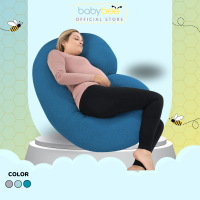
Babybee C- Maternity Pillow Elijah Momcozy Pregnancy Pillows for Sleeping Pregnant Women with Back Hip Leg Belly Support Washable and Pillow Case Punda
₱1,307.00₱1,499.00
About Babybee
Overview
Babybee is an Australian-owned brand specialising in baby products, most notably prams, strollers, and travel systems. Established in 2015, the company operates primarily as a direct-to-consumer alternative to traditional premium nursery brands. Its business model emphasises parent-led product development, practical functionality, contemporary design, and accessible pricing relative to international luxury competitors.1 The brand is headquartered in Melbourne, Victoria, and serves key markets including Australia, New Zealand, and Canada.
| Category | Information |
|---|---|
| Brand | Babybee |
| Founded | 2015 |
| Origin | Australia |
| Ownership | Australian-owned |
| Headquarters | Melbourne, Victoria |
| Industry | Baby products / nursery / retail |
| Core category | Prams and strollers |
| Other products | Carriers, bassinets, travel products, nursery/play products, car-seat solutions |
| Business model | Primarily direct-to-consumer |
| Parent group | The Babybee Group |
| Key markets | Australia, New Zealand, Canada |
| Positioning | Premium-feeling products at comparatively accessible prices |
| Known for | Prams, parent-led design, warranties, customer reviews, awards |
The Australian entity associated with the brand is Babybee Prams Pty Ltd, a private company recorded as active on the Australian Business Register since 21 September 2020.9
History
Babybee was founded in 2015 by sisters Emily Stone and Madeleine Stone. The original concept aimed to provide stylish, high-quality prams that matched the attributes of expensive international brands but at a lower price point.2 The founders adopted an online, direct-to-consumer model to reduce intermediary margins and prioritise product design and customer value over traditional retail distribution.2
The Babybee Group describes this initial approach as offering “designer prams” without the designer price tag, utilising direct customer feedback to guide product specifications.3 Over time, the company expanded from a pram-focused business into a broader baby-essentials brand covering transportation, newborn care, travel, and nursery products.
Founders
Emily and Madeleine Stone
Sisters Emily Stone and Madeleine Stone established Babybee after pursuing separate careers. According to the Babybee Group, both founders had entrepreneurial interests from a young age before launching the business together.2 Their management philosophy is strongly customer-led, encapsulated by the core value: “We Listen To Our Parents.” Rather than treating development solely as an engineering or fashion exercise, the company surveys thousands of Australian parents and integrates this feedback into its product cycle.5 This approach positions the brand as one designing products parents actually want, rather than marketing luxury lifestyle objects.
The Babybee Group
Babybee now operates under The Babybee Group, an Australian corporate entity whose portfolio extends beyond the original brand. The group currently includes:
- Babybee: Premium-oriented prams and baby essentials.
- Milly + Coup: A streamlined, contemporary pram brand.
- The Baby Edit: A baby-product discovery and curation platform.
The group operates across Australia, New Zealand, and Canada, providing a larger corporate ecosystem than the standalone Babybee Prams name suggests.6
Brand Philosophy
Babybee’s stated mission is to make “#ParentLife better” by reducing stress and increasing style and enjoyment.7 This philosophy rests on several key principles.
Parent-led Design
The company surveys thousands of parents to address practical concerns such as folding ease, single-person operation, storage space, comfort, multi-child capacity, terrain handling, and travel convenience.8 This feedback loop is intended to ensure products solve real-world problems rather than serving purely aesthetic purposes.
Function Before Gimmicks
Product development prioritises real-world functionality over marketing features. Descriptions consistently focus on folding mechanisms, modular configurations, suspension systems, wheel technology, comfort, and durability.10
Premium Positioning Without Traditional Luxury Pricing
Babybee positions itself between mass-market options and high-priced international premium brands. The company argues that its direct-to-consumer structure allows it to deliver premium products at competitive prices, offering greater value to consumers.10
Product Range
While historically associated with prams, Babybee’s current portfolio encompasses a wide range of baby essentials.
Prams and Strollers
Prams remain the core of the brand. Current models include:
- ALTO: Premium full-size single pram.
- JUNO: Single-to-double convertible pram.
- ROVER3: Everyday single pram.
- LUNA2: Side-by-side double pram.
- LUNA Mini: Everyday stroller.
- MILES: Travel stroller.13
Baby Carriers
The range includes baby carriers such as the JOEY carrier.11
Travel and Newborn Products
Offerings in this category include bassinets, travel accessories, capsule adaptors, baby carriers, and changing accessories.
Nursery and Play
Babybee has expanded into nursery essentials including play gyms, rockers, and other items. Specific products include the POD2 bassinet, OLLIE play gym, and LOLA rocker.12
Car Seats and Capsules
The brand offers compatible car seat and capsule solutions, including compatibility with selected Maxi-Cosi, Cybex, Mother’s Choice, and Britax products.13
Flagship Model: ALTO
The ALTO pram exemplifies Babybee’s current design philosophy, positioning itself as a premium single pram focused on compactness and ease of use. It features the ability to fold with the seat or bassinet attached in either direction.4 Key specifications include:
- Weight: Approximately 10.8 kg
- One-handed folding mechanism
- Free-standing folded position
- Reversible seat
- Foldable bassinet
- Flat-lay seat suitable from birth
- All-wheel suspension
- FlexCell™ wheels
- Aeronautical-grade aluminium frame
- Modular accessories
- Recycled fabrics
- Lifetime warranty4
The ALTO represents the brand’s aim to create technically sophisticated, visually premium products that reduce everyday friction for parents.
Direct-to-Consumer Business Model
Babybee’s heritage is rooted in the direct-to-consumer (DTC) model. By selling online rather than through traditional distributors or department stores, the company aimed to reduce retailer margins, maintain control over the customer experience, gather direct feedback, iterate products quickly, and offer higher specifications for a given price point.15
While primarily online, the brand also maintains a physical presence through a Melbourne showroom, participation in expos, and selected retail partners.1614
Australian Identity
Babybee emphasises its status as an Australian-owned and designed brand. The company states that designing specifically for Australian families allows it to account for local conditions, ranging from climate variations to diverse urban and outdoor environments.17 However, “Australian-owned/designed” refers specifically to ownership and design origin; manufacturing arrangements vary by product and are not exclusively Australian.
Quality and Safety
The company places significant emphasis on product testing and safety. Engineers and product specialists conduct rigorous testing protocols.18 For example, the ALTO pram is tested for harmful substances and stated to be free from lead, DEHP, azo dyes, formaldehyde, and PFAS.19 As with all baby equipment, individual product safety should be assessed against applicable standards and recall notices.
Warranty and Customer Policies
After-sales support is a central component of Babybee’s value proposition.
Lifetime Warranty
Full-size prams are backed by a lifetime warranty.20
9-Month Free Returns
The company offers a 9-month free-return period, allowing customers to test prams at home before making a final decision.20 These policies address the difficulty parents often face in evaluating strollers prior to extended real-world use.
Awards and Reputation
Babybee has established a significant reputation in the baby-products market. The Babybee Group reports numerous customer, industry, and design awards, including multiple Good Design Awards and four specific awards in 2022.10 The brand has also achieved recognition on review platforms such as ProductReview.com.au, including Best Pram accolades.10 This combination of professional recognition, customer reviews, and strong warranty coverage forms the basis of the brand’s credibility.
Target Customers
Babybee targets modern parents seeking premium functionality without luxury-brand pricing. Typical customers value contemporary design, safety, durability, easy folding, compact storage, and adaptability. The brand appeals particularly to parents who conduct extensive online research and value strong warranty coverage and peer reviews over traditional retail advice.
Competitive Positioning
Babybee occupies a distinct position between mass-market brands and high-end international manufacturers.
| Segment | Typical Proposition |
|---|---|
| Budget | Basic functionality / lowest price |
| Babybee | Premium functionality + contemporary design + value |
| Premium | High specification / established international brands |
| Luxury | Prestige, materials, design heritage, high pricing |
The brand’s strategy is not to compete solely on price but to offer sophisticated, functional, and attractive products at a more accessible price point than traditional premium brands.
Differentiators
Babybee distinguishes itself through several key characteristics:
- Parent-driven development: Products are designed using feedback from real parents rather than solely from designers or engineers.8
- DTC heritage: Online direct sales were used originally to reduce costs associated with traditional retail distribution.15
- Strong design emphasis: Appearance is treated as an integral part of the product.
- Practical engineering: Development prioritises folding mechanisms, suspension, weight, modularity, and storage.
- Strong after-sales proposition: The lifetime warranty and 9-month return policy are major components of the customer offer.20
- Expansion beyond prams: The brand has evolved into a broader baby-essentials business.
Corporate Structure and Scale
Babybee is a privately held Australian business. LinkedIn lists the company as headquartered in Melbourne with an estimated employee range of 11–50 people.7 The Australian Business Register identifies BABYBEE PRAMS PTY LTD as an active private company.9 The brand originated as a focused entrepreneurial business and has subsequently developed into a broader group, distinguishing it from large multinational corporations.
Brand Evolution
The brand’s development can be categorised into four stages:
- 2015 (Launch): Entry into the market with a direct-to-consumer pram proposition.10
- Early Growth: Establishment of identity around Australian-parent feedback, design, and value.
- Expansion: Extension beyond prams into carriers, bassinets, travel, and nursery products.13
- Babybee Group: Development into a multi-brand business encompassing Babybee and other baby-focused brands.3
Overall Assessment
Babybee functions as an Australian challenger brand in the baby-products industry. Its original proposition involved redesigning premium-category products around parent needs and selling them directly to consumers to offer better value. Over approximately a decade, this has evolved from an online pram company into a broader baby-products brand with international reach and a multi-brand parent group.
Current brand associations include Australian ownership and design, parent-led development, pram expertise, contemporary design, practical engineering, premium features at accessible prices, industry awards, lifetime warranties, and flexible return policies. Ultimately, Babybee’s identity centres on making well-designed baby equipment less complicated, more functional, and more accessible to families, aligning with its founding mission and current “make #parentlife better” positioning.7
References
- the babybee group
- Meet the Founders — the babybee group
- the babybee group
- Babybee Alto single pram
- Newborn & Toddler Prams Online | Babybee Prams Australia
- Frequently Asked Questions – Babybee
- Babybee Prams | LinkedIn
- Motherhood, Entrepreneurship, and The Babybee Group: An Interview with
- Historical details for ABN 79 644 494 084 | ABN Lookup
- Looking for a safe, stylish, multi-award winning pram? We’ve got you sorted. – Babybee
- FAQs – The Baby Edit
- Showroom Signup – Babybee
- Meet the family – Babybee
- Expos – Babybee
- mybabybee – Babybee
- Stockists – Babybee
- Babybee | Bounty Parents
- About Us: The Story of Baby BeeHinds
- Contact Us – Babybee Prams
- Babybee Prams