Shop on Lazada
Babycare products
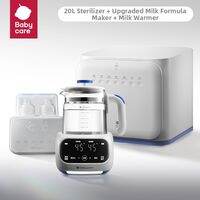
Babycare | UV Disinfection Dryer Bottle Sterilizer
₱23,127.96₱31,205.78
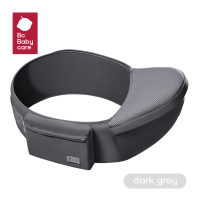
Bc Babycare Hip Seat Baby Carrier Ergonomic Waist Seat with Pocket Front Carrier for Baby Newborns Toddlers & Children 0-36 Month 20KG
₱1,399.00₱2,599.00
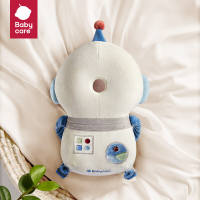
Bc Babycare baby anti-fall pillow head protection pad baby anti-fall head cap children toddler anti-collision head artifact
₱1,399.00₱2,699.00
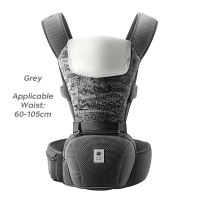
Bc Babycare Waist Bench Baby Carrying Strap Front Hugging Baby Hugging and Holding Tooll Sling Soft
₱2,299.00₱4,799.00
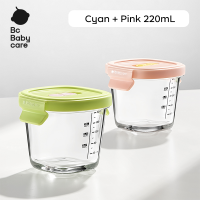
Bc Babycare Baby Food Box Glass Baby Food Preservation Tool Portable Leak proof Steaming and Freezing Storage
₱899.00₱1,459.00
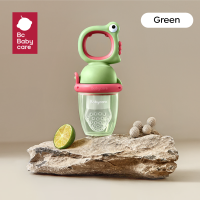
Bc Babycare Baby Food Feeder Fruit Feeder Pacifier S+L Infant Teething Toy Teether Includes Additional Silicone Sacs
₱339.00₱859.00
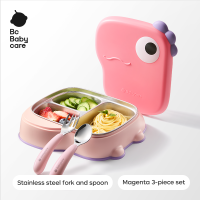
Bc Babycare Baby Food Tray Baby Self Feeding Tray Stainless Steel Divided Childrens Tableware For Infants And Young Children
₱1,059.00₱2,199.00
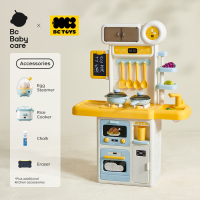
Bc Babycare Mini Kitchenette Kids Play House Toys Childrens Educational Girls Toys Baby Gift
₱3,999.00₱4,999.00
About Babycare
Babycare (also known as BC Babycare) is a maternal and infant consumer brand established in 2014 in Hangzhou, China. The brand initially entered the market with baby carriers before expanding into diapers, wet wipes, feeding products, baby appliances, toiletries, travel gear, toys, and maternity supplies. It now offers a comprehensive product ecosystem covering pregnancy and early childhood development. Babycare positions itself as a mid-to-high-end brand driven by industrial design, product experience, and the aesthetic preferences of young families.1
Note: This article refers to the Chinese brand Babycare / BC Babycare. It is distinct from the generic English term “baby care” or other unrelated companies with similar names.
Company Overview
| Item | Details |
|---|---|
| Brand | Babycare / BC Babycare |
| Founded | 2014 |
| Origin | Hangzhou, China |
| Founder | Li Kuo |
| Industry | Maternal and Infant Consumer Goods |
| Primary Markets | China; expanding internationally |
| Target Demographic | Expectant mothers, infants, young parents |
| Core Positioning | Mid-to-high-end, design-driven, full-category |
| Initial Key Product | Baby Carrier |
| Major Categories | Diapers, Wipes, Feeding, Appliances, Toiletries, Travel, Toys, Maternity |
| Slogan | “Redesign for Love” |
| Mission | “Crafting products with a parent’s heart” |
Official brand materials describe Babycare as a mother-and-baby brand founded by designers, emphasizing a philosophy of high aesthetics, high quality, and high safety.2
Origins and Design Philosophy
The founding of Babycare is closely linked to industrial design. In 2014, industrial designer Li Kuo established the company. Although the Chinese maternal and infant market was already saturated with imported and domestic goods, the founding team identified significant gaps in ergonomics, user experience, and aesthetic design. They chose to address these issues through a specific entry point: the baby carrier.3
Rather than launching with a broad catalog, Babycare focused on solving practical problems through design. The initial product development strategy followed a cycle of identifying parental pain points, redesigning solutions, iterating products, and subsequently expanding categories. Early baby carriers were re-engineered to suit the physical structure and usage habits of Chinese consumers, featuring improvements in seat stools, anti-slip mechanisms, support, and weight distribution. This approach of “redesigning maternal and infant products” became central to the brand’s identity.4
Development History
2014–2016: Foundation and Expansion
Babycare was officially established in 2014 with baby carriers as its core offering. During this period, the brand’s primary differentiator was its design capability rather than product volume.5 In 2015, the company began building its own production system and expanded its carrier business. By 2016, Babycare moved beyond travel gear into infant feeding, transitioning from a single-hit product model to a multi-category portfolio.6
2017–2018: Entry into FMCG and Diapers
A pivotal shift occurred in 2017 when Babycare launched baby wet wipes, entering the high-repurchase fast-moving consumer goods (FMCG) sector. Unlike durable goods like carriers, wipes offered higher consumption frequency, facilitating the brand’s transition to a comprehensive maternal and infant provider. In 2018, Babycare entered the diaper market, which would become one of its most critical and competitive categories.7
2019–2021: Capital Acceleration and Scale
In 2019, Babycare secured Series A funding from Sequoia Capital China Fund. That same year, the corporate entity associated with Hangzhou Baibeike was established or restructured to support scaled operations. While the brand cites 2014 as its founding year, some corporate records reflect 2019 for specific legal entities. By 2020, the product matrix had expanded to cover numerous parenting scenarios excluding formula milk.8
In 2021, Babycare completed a RMB 700 million Series B funding round led by CDH Investments, with participation from Huaxing New Economy Fund and Sequoia Capital China Fund. CDH Investments stated that capital would be allocated to R&D, laboratory construction, talent acquisition, and warehousing logistics.9 This round marked the brand’s evolution from an internet-native label to a large-scale consumer brand.
Post-2021: Offline and International Growth
Following its Series B, Babycare expanded its physical retail footprint and pushed into overseas markets. Its official international website currently lists availability in multiple countries, offering diapers, wipes, appliances, travel gear, and tableware tailored to different regional needs.10
Product Ecosystem
Babycare operates as a comprehensive maternal and infant brand rather than a niche manufacturer. Official classifications include:11
Diapers
Diapers represent one of Babycare’s most significant categories. Offerings include standard diapers, pull-up pants, weak acid series, Royal series, and Air Pro series. Products such as the “Royal Weak Acid Diaper” and “Air Pro Weak Acid Diaper” remain active in the lineup.12
Wipes and Cotton Towels
This category includes baby wet wipes, dry towels, cotton soft towels, and cleaning supplies. These high-frequency consumables were instrumental in establishing recurring customer engagement.
Baby Appliances
The appliance range covers sterilizers, bottle warmers, formula preparation machines, breast pumps, food processors, and infant care electronics.
Feeding Supplies
Feeding products include bottles, nipples, sippy cups, tableware, and solid food accessories.
Travel Gear
As the brand’s original category, travel gear holds historical significance.13 Products include baby carriers, waist stools, strollers, and travel accessories.
Other Categories
- Toiletries and Bath: Daily cleaning and skincare for infants.
- Sleep: Cribs, mattresses, sleep aids, and bedding.
- Safety: Protective products for home and daily activities.
- Oral Care: Teethers, children’s toothbrushes, and oral hygiene items.
- Toys: Educational and developmental toys extending the brand’s reach beyond basic care.14
- Maternity: Products for pregnancy and postpartum recovery, allowing engagement before birth.
Brand Identity and Values
Babycare distinguishes itself as a “maternal and infant brand founded by designers.” Its philosophy rests on three pillars:
Design
The brand leverages industrial design to improve upon traditional products, emphasizing ergonomics, aesthetics, detailing, usability, and continuous iteration. This design-first approach remains its core advantage over conventional manufacturers.
Quality
Babycare highlights rigorous material selection, supply chain management, and testing. The company has publicized partnerships with material and technology suppliers including Avery Dennison, Dow, Eastman, Henkel, LYCRA, and Signify.15
Safety
Given the sensitive nature of infant products, safety is paramount. The brand summarizes its value proposition as “High Aesthetics, High Quality, High Safety,” a positioning intended to resonate with new-generation parents who prioritize both design and consumer experience.
Corporate Strategy and Business Model
Redesign for Love
The slogan “Redesign for Love” encapsulates the brand’s philosophy. Rather than focusing solely on function, Babycare asks whether products can be more comfortable, convenient, and visually appealing for parents. From carriers to cribs, the product itself serves as a primary vehicle for brand communication. The Hong Kong official site lists the mission as “Crafting products with a parent’s heart” and the vision as becoming a global maternal and infant brand.16
Lifecycle Ecosystem
Babycare’s growth follows a trajectory from single product to multi-category, high-frequency FMCG, and finally a full-category ecosystem. The strategic logic relies on retaining customers across parenting stages: Pregnancy → Maternity Supplies → Newborn Bottles → Wipes → Diapers → Carriers → Toys → Children’s Goods. This lifecycle approach aims to maximize user lifetime value rather than relying on single-item sales.
Sub-brands
The group has developed a portfolio of related brands to broaden its scope:
* Babycare: Core maternal and infant brand
* Woobaby: Apparel for children aged 0–6
* THE BABYPANTRY: Nutritional baby food
* BC TOYS: Children’s toys
* Youpu: Infant toiletries
* Xiao N: Feminine hygiene
This matrix indicates an ambition to build a broader family consumption ecosystem beyond infant goods alone.17
Market Scale and Financing
User Base and Reach
By the time of its Series B in 2021, CDH Investments disclosed that Babycare served over 30 million families and had more than 10 million registered members.18 Industry data circa 2025 suggests the brand manages tens of thousands of SKUs, serves tens of millions of users, and operates in over 30 countries. These figures should be viewed as indicators of scale rather than precise real-time metrics due to varying reporting standards.19
Funding Rounds
- Series A (2019): Investment from Sequoia Capital China Fund.20
- Series B (2021): RMB 700 million led by CDH Investments, with Huaxing New Economy Fund and Sequoia Capital China Fund participating.21
IPO Developments
In 2023, the parent company signed a listing guidance agreement with CICC to initiate A-share IPO preparations. However, available public information does not confirm a completed listing; therefore, Babycare cannot be described as a publicly listed A-share company at this stage.22
Controversies and Quality Incidents
2025 CCTV 3·15 Gala Incident
On March 15, 2025, the China Media Group (CCTV) annual “3·15” consumer rights gala reported on the refurbishment and resale of defective diaper materials. Babycare was among the brands mentioned in the report.23
Babycare responded by stating:
* The company takes the matter seriously.
* Internal quality protocols mandate strict destruction of non-conforming goods.
* The diapers featured in the gala may be counterfeit products.
* Legal action and investigations would be pursued.
* Consumers should verify authenticity via official channels.24
It is factually important to distinguish that appearance in the 3·15 report does not constitute proof that Babycare officially produced or sold refurbished goods. The brand’s official position maintains that the implicated products were likely counterfeits. Accurate reference works should note that the brand was “implicated in reports during the 2025 3·15 Gala and issued a response,” rather than asserting confirmed misconduct.25
2026 Formamide Concerns
In June 2026, media reports raised concerns regarding formamide levels in diapers. Babycare stated that an expedited re-test of its entire diaper line showed results of “not detected” under EU REACH SVHC standards. Additionally, tests conducted under SN/T 3587-2016 standards for 23 products also returned “not detected” results.26 As with all quality disputes, readers are advised to evaluate media reports, third-party test results, and corporate statements independently.
Globalization
Babycare has actively pursued international expansion. Its global website provides interfaces in English, Chinese, Japanese, Korean, German, and Australian markets, showcasing diapers, appliances, wipes, tableware, travel gear, and toys.27 Industry sources indicate presence in over 30 countries and regions, signaling a strategic shift from a Chinese internet-native brand to an international consumer brand.
Competitive Advantages and Challenges
Strengths
- Design Capability: Distinguishes the brand from traditional manufacturers.
- Category Breadth: Enables one-stop shopping for parenting needs.
- Brand Recognition: Unified visual identity across packaging, products, and retail.
- Digital Proficiency: Strong e-commerce and digital marketing alignment with young parents.
- Repurchase Frequency: Consumables like diapers and wipes drive recurring revenue.
- Demographic Fit: Aligns with young parents’ dual focus on safety, function, aesthetics, and convenience.
Challenges
- Intense Competition: Faces pressure from traditional firms, internet-native startups, and global brands.
- Quality Control Complexity: A vast SKU count across diverse categories increases supply chain and quality assurance risks.
- Premium Justification: Mid-to-high-end pricing requires consistent demonstration of value through design and quality.
- Trust Sensitivity: Quality controversies involving infant products can severely impact brand equity, as evidenced by events in 2025 and 2026.28
Assessment
From a brand history perspective, Babycare is a representative example of China’s new generation of design-driven maternal and infant brands. Starting with baby carriers in 2014, it grew within a decade into a comprehensive brand covering diapers, wipes, feeding, appliances, toiletries, travel, toys, and maternity, achieving rapid expansion through capital, e-commerce, offline retail, and overseas markets.29
An objective assessment must acknowledge both its innovation in design and category expansion, as well as recent controversies regarding product quality and supply chain integrity. Babycare exemplifies the industry’s transition from pure manufacturing to design-led branding and ecosystem building. However, its ability to sustain a premium positioning depends largely on maintaining product quality, supply chain transparency, and consumer trust.
References
- 会社概要 – bcbabycare
- 贝咖 – 红杉
- babycare
- 關於Babycare – Babycare Hong Kong Official Site
- Babycare,做温润的母婴品牌
- Babycare:为妈妈,重新设计母婴产品 | 品牌星球Brandstar
- 新消费新锐母婴品牌Babycare获鼎晖7亿元B轮领投-新闻报道-鼎晖投资 – CDH Investments
- 所有产品-白贝壳 Bc Babycare® Official Site: Baby Products & Essentials
- 甄选全球经典,宝宝至宠娇嫩-白贝壳 Bc Babycare® Official Site: Baby Products & Essentials
- 极薄当道,夏日风范-白贝壳 Bc Babycare® Official Site: Baby Products & Essentials
- All Products-babycare
- 品质保证-白贝壳 Bc Babycare® Official Site: Baby Products & Essentials
- 業務領域 – Babycare Hong Kong Official Site
- Babycare(杭州白贝壳公司旗下的母婴品牌)_百度百科
- Babycare、护舒宝、正大食品等品牌最新回应_澎湃号·媒体_澎湃新闻-The Paper
- Babycare回应甲酰胺事件_新浪新闻
- 好奇公布纸尿裤检测结果:甲酰胺未检出!碧芭宝贝:主力款全部甲酰胺未检出,剩余批次分批检测!Babycare:未检出,已报案 | 每经网
- bjnews.com.cn
- 315晚会|Babycare回应:被曝光的纸尿裤可能是仿冒产品,公司将追查并采取法律手段_官方_梁山希_渠道
- 315晚会|Babycare回应:被曝光的纸尿裤可能是仿冒产品,公司将追查并采取法律手段_cnu_官方_消费
- Babycare回应纸尿裤残次料被翻新:可能是仿冒产品|官方_新浪财经_新浪网
- 〖#Babycare回应残次料被翻新#:可能是仿冒产品〗#苏菲回应被黑工厂翻新##315曝光台#3月15日,针对纸尿裤残次料被翻新进行二次销售,Babycare方面回应新京报贝壳财经记者称,公司高度重视此情况,“根据公司的品质管理规定,不合格品均需进行严格的销毁处理。3·15晚会中涉及的Babycare纸尿裤的情况,可 _新浪新闻
- Babycare回应纸尿裤残次料被翻新:可能是仿冒产品|babycare纸尿裤|不合格品|侵权|维权|李铮_手机新浪网
- 红杉加持,这家母婴品牌要IPO了_中国经济网——国家经济门户
- 母婴品牌「Babycare」启动A股IPO:估值约30亿美元,线下渠道成为新增长点|IPO_新浪财经_新浪网
- Children’s Product Maker Babycare Said to Consider Hong Kong IPO – Bloomberg
- 新锐母婴品牌 Babycare 完成 7 亿元 B 轮融资,2020 年 GMV 达 50 亿元 | 品牌星球Brandstar
- 新锐母婴品牌Babycare获7亿元B轮融资 鼎晖领投_中证网
- CDH leads $108m Series B for China baby care brand | CDH Portfolio-News-CDH Investments