Shop on Lazada
Bamboo Salt products
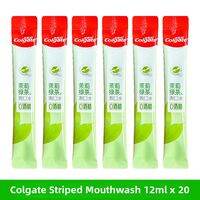
Bamboo Salt | Travel Friendly Disposable Mouthwash 20 Strips
₱379.19₱1,042.19
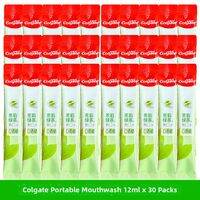
Bamboo Salt | Mouthwash for Odor Reduction Jasmin Green Tea Flavored Strip
₱592.91₱1,071.42
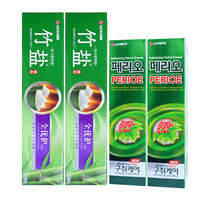
Bamboo Salt | Odor Reducing Anti-inflammatory Toothpaste Fresh Breath Stain Remover
₱505.13₱888.35

Bamboo Salt | Bamboo Salt Whitening Soft Bristles Toothbrush Small Head Import Calcium Protecting Gums
₱447.41₱1,155.99
About Bamboo Salt
Bamboo Salt (Korean: 죽염, Jugyeom) is a traditional Korean salt product and wellness brand category defined by a distinctive processing method. In this technique, sea salt is packed inside bamboo stalks, sealed with clay, and roasted at high temperatures. The term “Bamboo Salt” refers both to the traditional food ingredient itself and to commercial entities that have built brands around this heritage concept.1
In the commercial sector, the name is closely associated with Korean companies specialising in traditional nine-times roasted bamboo salt. Notable among these is Insan Bamboo Salt Co., Ltd., which promotes a heritage-based product line developed from the work of Kim Il-hun.2
Overview
| Category | Information |
|---|---|
| Product name | Bamboo Salt |
| Korean name | 죽염 (Jugyeom) |
| Origin | South Korea |
| Industry | Food, seasoning, traditional wellness products |
| Main ingredient | Korean sea salt |
| Traditional process | Bamboo filling, clay sealing, high-temperature roasting |
| Famous variation | 9-times roasted bamboo salt (9x bamboo salt) |
| Common uses | Cooking, seasoning, oral-care products, wellness products |
History and origins
Bamboo Salt originated in Korea as an integral part of traditional food preparation and folk medicine. The technique was founded on the belief that combining sea salt with bamboo, clay, and fire could refine the salt, resulting in a distinctive mineral profile and flavour.
The modern nine-times roasting method is widely attributed to Korean traditional medicine practitioner Kim Il-hun (1909–1992), who documented and popularised the process throughout the 20th century.3
Traditional producers describe Bamboo Salt as representing a harmonious combination of five natural elements:
- Salt: Harvested sea salt
- Bamboo: Used as the container
- Earth: Clay used to seal the bamboo
- Fire: Pinewood-fired roasting
- Metal: Equipment used during high-temperature melting processes
Production process
The defining characteristic of Bamboo Salt is its repeated roasting cycle.
Preparing the salt
High-quality sea salt, traditionally sourced from the western coastal areas of Korea, is packed tightly into bamboo tubes.1
Sealing with clay
The open ends of the bamboo tubes are sealed with mineral-rich clay to protect the salt during the roasting process.1
Roasting
The sealed bamboo containers are placed into kilns and heated using intense fires. During this stage:
- The bamboo burns away completely.
- The salt absorbs compounds from the bamboo and clay environment.
- Moisture and impurities are significantly reduced.1
Repeated roasting
Premium Bamboo Salt is often roasted nine times. Each cycle requires repacking the salt into fresh bamboo containers. The final roasting can involve temperatures exceeding 1,000°C, producing a dense, crystal-like salt structure.1
The 9x roasted Bamboo Salt identity
The designation 9x Bamboo Salt refers specifically to salt that has undergone nine separate roasting cycles. Within many Korean traditions, it is considered the highest grade of Bamboo Salt.
Characteristics commonly associated with 9x Bamboo Salt include:
- A darker colour, sometimes appearing purple or black
- A strong mineral taste
- A complex roasted aroma
- Higher production costs due to labour-intensive processing4
Brand philosophy
Brands centred on Bamboo Salt generally position themselves around several core themes.
Korean heritage
Bamboo Salt represents centuries-old Korean craftsmanship, serving as a bridge between traditional cuisine and modern wellness markets.3
Natural processing
The production narrative emphasises the use of natural materials, including bamboo, sea salt, clay, and pine fire.
Premium wellness positioning
Modern Bamboo Salt brands frequently market the product as a premium alternative to ordinary table salt, highlighting artisanal craftsmanship, mineral content, and traditional preparation methods.
Products and product categories
Contemporary Bamboo Salt brands typically offer the product in several formats.
Cooking salt
This format is used as a table seasoning, a finishing salt, or an ingredient in Korean cuisine.
Powdered Bamboo Salt
Designed for easier mixing, this variant is incorporated into drinks, foods, and various cooking applications.
Crystal Bamboo Salt
A traditional grain format valued for its texture and visual presentation.4
Wellness and personal-care products
Some manufacturers extend the Bamboo Salt concept into non-food categories, including:
- Toothpaste
- Mouth-care products
- Soap
- Functional food products1
Major Bamboo Salt brands
Insan Bamboo Salt
Insan Bamboo Salt Co., Ltd. is one of the most prominent companies associated with traditional nine-times roasted Bamboo Salt. The company presents its offerings as a continuation of Korean bamboo salt craftsmanship and retails Bamboo Salt alongside other traditional wellness products.2
Korea Salt
Korea Salt Corporation focuses on introducing Korean Bamboo Salt as a distinctive traditional food product and on preserving specialised processing methods.3
Bambu® Salz
Bambu® Salz markets Korean Bamboo Salt products across different roasting levels, including 1x, 2x, and 9x roasted varieties.4
Flavour profile
Bamboo Salt is generally described as having a less sharp saltiness compared to ordinary refined salt. It typically exhibits a roasted, mineral-like flavour with slight sweetness or earthiness derived from the roasting process, along with a distinctive aftertaste. These flavour differences result from the interaction between salt, bamboo, clay, and high-temperature heat.1
Nutrition and scientific discussion
Like other edible salts, Bamboo Salt is primarily composed of sodium chloride. Studies have identified minerals and trace elements such as magnesium, potassium, calcium, and sulfur compounds within Bamboo Salt, although the exact composition varies depending on production methods.1
While many traditional and commercial brands promote health-related benefits, claims regarding disease treatment or medical effects require scientific evaluation. Bamboo Salt is generally regarded as a specialty salt product rather than a substitute for medical treatment.1
Cultural significance
In Korea, Bamboo Salt represents more than a mere seasoning. It is frequently viewed as a symbol of traditional craftsmanship, respect for natural materials, Korean culinary heritage, and the relationship between food and traditional wellness practices. Its elaborate production process has helped transform salt—an everyday ingredient—into a premium cultural product.3
Summary
Bamboo Salt is a Korean premium salt tradition based on roasting sea salt inside bamboo tubes sealed with clay. The brand concept combines ancient Korean craftsmanship, food culture, and modern wellness marketing. Its most renowned form, 9-times roasted Bamboo Salt, is valued for its labour-intensive production, distinctive flavour, and cultural heritage.1
Today, Bamboo Salt exists both as a traditional Korean ingredient and as an international wellness brand category represented by companies such as Insan Bamboo Salt, Korea Salt, and Bambu® Salz.2