Shop on Lazada
Banana Republic products
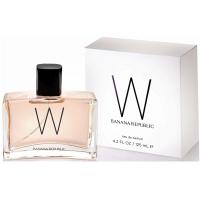
Banana Republic W Eau de Parfum for Women 125ml
₱2,495.00
Buy on Lazada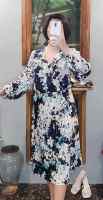
Banana Republic Coordinates Set of Ruched Vneck Blouse and Midi Skirt - Floral
₱250.00₱470.00
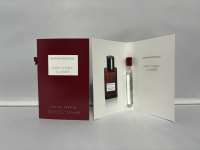
Banana Republic Dark Cherry & Amber Eau De Parfum EDP Sample 1.5 ml
₱250.00
Buy on Lazada![[BANANA REPUBLIC] FLUTTER TIE-BACK TANK](https://ph-live.slatic.net/p/05b7e58c38c3eb1881818bf10758e232.png_200x200q80.jpg)
[BANANA REPUBLIC] FLUTTER TIE-BACK TANK
₱280.00
Buy on LazadaAbout Banana Republic
Banana Republic is an American apparel and lifestyle brand recognised for its refined, modern approach to clothing inspired by travel, exploration, craftsmanship, and classic American style. Founded in 1978 in Mill Valley, California, the company began as a niche safari- and travel-themed clothing business before becoming part of Gap Inc. in 1983 1. Today, Banana Republic operates as one of Gap Inc.’s four major brands, alongside Old Navy, Gap, and Athleta 1.
Quick facts
| Category | Information |
|---|---|
| Brand name | Banana Republic |
| Founded | 1978 |
| Founders | Mel Ziegler and Patricia Ziegler |
| Founded in | Mill Valley, California, United States |
| Original name | Banana Republic Travel & Safari Clothing Company |
| Parent company | Gap Inc. |
| Acquired by Gap Inc. | 1983 |
| Industry | Fashion / Apparel / Retail |
| Products | Clothing, accessories, footwear, jewellery, bags, home goods |
| Market position | Premium / upscale lifestyle |
| Style | Modern, sophisticated, travel-inspired, heritage-influenced |
| Markets | Global |
| Stores | 400+ company-operated and franchise stores, according to Gap Inc. |
| Current brand concept | “A Spirit of Discovery” |
| Parent company CEO | Richard Dickson, Gap Inc. |
| Current Banana Republic CEO | Donald Kohler, appointed in 2026 |
Gap Inc. describes Banana Republic as a “storyteller’s brand” focused on outfitting the modern explorer with high-quality, expertly crafted products 1.
History
Origins: 1978
Banana Republic was founded in 1978 by Mel and Patricia Ziegler in Mill Valley, California, in the San Francisco Bay Area. Mel Ziegler was a journalist, while Patricia Ziegler was an illustrator and courtroom sketch artist. The couple developed the business around an unusual idea for the time: clothing should feel connected to travel, adventure, exploration, and storytelling.
The original business was called Banana Republic Travel & Safari Clothing Company. It specialised in safari-inspired and military-surplus clothing, often using vintage garments or surplus materials and modifying them for customers. The brand’s early identity was therefore very different from the sophisticated fashion retailer that exists today; it was essentially a travel outfitter, selling clothing designed to look as though the wearer had just returned from an expedition 1.
The safari-store era
One of Banana Republic’s most distinctive early characteristics was its highly theatrical retail environment. Stores were designed around an African safari and exploration theme, featuring illustrations, maps, travel imagery, and an adventurous atmosphere. Its catalogues were similarly distinctive, combining clothing with fictionalised travel narratives and illustrations. This storytelling approach helped differentiate Banana Republic from conventional American clothing retailers. Rather than simply selling a shirt or jacket, the brand attempted to sell the idea of adventure surrounding the product.
Acquisition by Gap Inc.
In 1983, Gap Inc. purchased Banana Republic when it was still a small business with two stores and a catalogue operation 1. The acquisition gave Banana Republic access to Gap’s manufacturing infrastructure, financial resources, retail expertise, distribution network, and ability to expand nationally. Following the acquisition, Banana Republic expanded rapidly throughout the United States.
At the same time, Gap helped transform the brand from a quirky safari outfitter into a more upscale fashion and lifestyle retailer. The name was eventually shortened from Banana Republic Travel & Safari Clothing Company to simply Banana Republic. This was one of the most important transformations in the company’s history.
Evolution of the brand
Banana Republic gradually moved away from literal safari clothing and toward a broader interpretation of modern sophistication and adventure. Its product range expanded to include men’s and women’s clothing, suits and tailoring, dresses, shirts and blouses, sweaters, outerwear, trousers, denim, handbags, shoes, jewellery, eyewear, and fragrances and personal-care products. The brand increasingly became associated with workwear, business-casual clothing, and polished everyday fashion. For many years, Banana Republic occupied a space between mass-market American retailers such as Gap and more expensive designer or luxury brands.
Position within Gap Inc.
Banana Republic is owned by Gap Inc., the publicly traded American retail company behind several major fashion brands. Gap Inc.’s current brand portfolio consists of Old Navy, Gap, Banana Republic, and Athleta. Gap Inc.’s 2026 annual filing identifies Banana Republic as a global lifestyle brand founded in 1978 and acquired in 1983, selling through company-operated stores, franchise locations, online channels, and other retail arrangements 2. This makes Banana Republic the premium/upscale-oriented brand within Gap Inc.’s traditional portfolio, although its positioning and product strategy have evolved considerably over time.
Brand identity
“A Spirit of Discovery”
Banana Republic’s current identity deliberately reconnects the brand with its original history. The company describes its philosophy as “A Spirit of Discovery.” The modern Banana Republic combines heritage, modern design, travel, craftsmanship, and premium materials. Rather than reproducing the literal safari aesthetic of the 1970s, the brand uses exploration as a broader creative idea. Its current positioning is aimed at the modern explorer—someone whose lifestyle might involve work, travel, weekends, cities, and destinations around the world 1.
Design philosophy
Modern Banana Republic emphasises what it describes as “classics with character.” Its collections generally focus on clean silhouettes, natural and premium fabrics, tailoring, neutral and earthy colours, sophisticated casualwear, travel-friendly pieces, understated luxury, heritage-inspired designs, craftsmanship, and versatility. The aesthetic is considerably more refined than the brand’s original safari clothing.
The evolution can be understood as a shift from asking “What would an adventurous traveller wear on an expedition?” in 1978, to “What would a sophisticated modern traveller wear from work to weekend and from airport to destination?” today. That evolution is central to the brand’s current identity.
Target customer
Banana Republic traditionally targets adult consumers looking for polished, versatile, relatively premium clothing. Its customer base has historically included professionals and consumers interested in sophisticated American fashion without necessarily buying high-fashion designer labels. The modern brand has increasingly emphasised the concept of the modern explorer, broadening the customer beyond traditional office wear. The intended lifestyle is less about a specific occupation and more about a particular attitude: curious, sophisticated, worldly, independent, and interested in quality.
Relationship with workwear
For a substantial period of its history, Banana Republic became particularly associated with professional and business-casual clothing. This included tailored trousers, blazers, dress shirts, pencil skirts, dresses, sweaters, chinos, suits, and sophisticated outerwear. This positioned it as a competitor to brands such as J.Crew, Ralph Lauren, Brooks Brothers, and other premium American apparel retailers, depending on the product category. However, the brand’s current strategy is broader than traditional office clothing. Gap Inc. now describes the brand around travel, discovery, craftsmanship, and lifestyle rather than simply workplace apparel 2.
Notable collaborations and cultural moments
Banana Republic has periodically used collaborations to connect itself with fashion and popular culture.
Mad Men
One of the most notable examples was its collaboration with the television series Mad Men. In 2011, Banana Republic worked with costume designer Janie Bryant on a collection inspired by the show’s mid-century aesthetic. Additional collaborations followed in 2012 and 2013.
Virgin America
In 2012, Banana Republic designed uniforms for Virgin America, extending the brand’s longstanding relationship with the concept of travel into an actual airline-uniform project.
Dapper Dan
The brand has also pursued collaborations with designer Dapper Dan, including a second capsule collection launched in 2024. These collaborations are significant because they reinforce Banana Republic’s historical connection to travel, culture, tailoring, and storytelling.
International expansion
Banana Republic expanded beyond the United States as Gap Inc. developed its international business. One notable milestone came in 2005, when Banana Republic opened its first store in Japan, at Printemps Ginza in Tokyo. Today the brand has an international presence through a combination of company-operated stores, franchise stores, online commerce, and licensing and other partnerships. Gap Inc.’s 2026 filing states that Banana Republic has franchise arrangements spanning regions including Asia, Europe, Latin America, the Middle East, and Africa 2.
Banana Republic Factory
Banana Republic also operates a separate Banana Republic Factory channel. The Factory business serves a more value-oriented segment than the main Banana Republic brand. This creates a two-level retail structure: Banana Republic maintains a premium, full-price lifestyle positioning, while Banana Republic Factory offers more accessible, value-oriented retail. The distinction is similar to the way many major American apparel companies operate full-price and outlet/value channels.
BR Home
Banana Republic has also expanded beyond apparel. In 2023, Gap Inc. announced the launch of BR Home, bringing Banana Republic’s aesthetic into the home category. The move is strategically important because it transforms Banana Republic from solely a fashion label into a broader lifestyle brand. The same design language—natural materials, sophisticated neutrals, craftsmanship, travel, and heritage—can therefore extend from clothing into interiors.
Sustainability and materials
Sustainability has become another component of Banana Republic’s modern identity. Gap Inc. highlights Banana Republic’s historical use of upcycling and says the brand is committed to biodiversity and making better decisions about products and practices. This is particularly interesting given the company’s origins. The original Banana Republic was built partly around reworking vintage and surplus clothing, meaning the idea of giving existing materials another life predates today’s widespread fashion-industry interest in circularity.
Leadership
Stores and distribution
According to Gap Inc., Banana Republic has more than 400 company-operated and franchise stores globally. The brand sells through Banana Republic retail stores, Banana Republic Factory stores, franchise stores, e-commerce, and selected third-party channels. The business therefore combines traditional physical retail with an increasingly important digital and omnichannel presence.
Logo and visual identity
Banana Republic’s visual identity has changed alongside its repositioning. The brand name itself is unusual in fashion because “banana republic” is also a political/economic term, historically referring to countries heavily dependent on a particular agricultural export and associated with foreign corporate influence. However, the fashion company originally chose the name as part of its fictional travel-and-exploration concept, rather than as a political statement. Its branding historically leaned heavily into safari and adventure imagery. Over time, the visual identity became cleaner and more sophisticated as the company moved toward premium fashion.
Market position
A simplified fashion-market spectrum would place Banana Republic between Gap and premium contemporary brands like Ralph Lauren, sitting below designer and luxury labels but above mass-market retailers. This is only an approximate comparison because the brands compete across different categories and price points. Banana Republic’s strongest differentiators are its combination of American heritage, travel inspiration, premium materials, tailoring, contemporary design, accessible luxury, and lifestyle storytelling.
Significance in fashion history
Banana Republic is particularly interesting in fashion history because it represents a successful transformation of a very unusual retail concept. It went through roughly four major identities:
- 1978–1983 — Travel outfitter: Safari clothing, military surplus, adventure and travel storytelling.
- 1983 onward — National premium retailer: Gap Inc.’s acquisition provided the resources for rapid expansion.
- 1990s–2010s — American workwear/lifestyle brand: Sophisticated casualwear and professional clothing became central.
- 2020s–present — Modern exploration/lifestyle brand: The company has returned to its original themes of discovery and travel while presenting them through a more sophisticated, premium design language 1.
That last transformation is particularly important: Banana Republic is essentially revisiting its original DNA rather than abandoning it.