Shop on Lazada
Barbie products
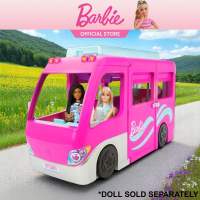
Barbie Dream Camper Vehicle Playset 2.5 Feet Tall with Rolling Wheels 7 Play Areas Pool Slide and Over 60 Camp Accessories Barbie Car Toys for Girls Gift for Kids Ages 3 and Up
₱10,999.00
Buy on Lazada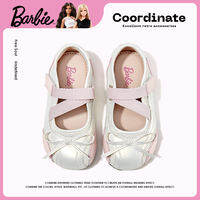
Barbie | Ballet Style Mary Jane Flat Shoes for Baby Girls Soft Bottom Slip On Shoes Spring Summer 2026 Collection Princess Shoes for Toddlers
₱2,994.03₱3,437.95
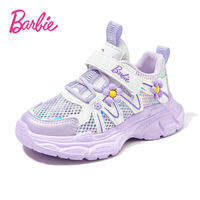
Barbie | Girls Spring Autumn Soft Bottom Breathable Casual Sneakers for Kids 27 36 Size Kids Shoes 2025
₱2,875.45₱3,653.53
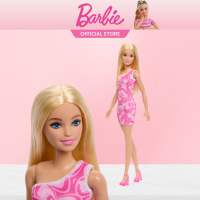
Barbie Fab Basic Doll in Pink or Purple Dress with Barbie Print Logo I Original Barbie Dolls On Sale I Gift for Kids Girl
₱399.00
Buy on Lazada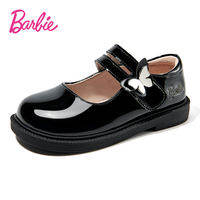
Barbie | Black Soft Sole Princess Mary Jane Shoes for Girls Spring Autumn Wear Big Toddlers Soft Bottom Comfortable Flat Shoes
₱2,557.47₱2,990.61
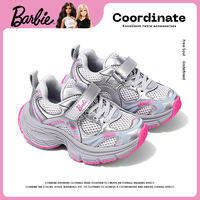
Barbie | Childrens Girls Fashion Casual Mesh Dad Shoes
₱2,933.76₱3,427.29
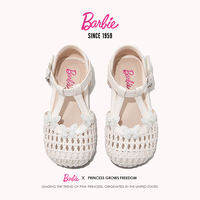
Barbie | Summer Lightweight Soft Bottom Princess Style Girls Shoes
₱2,641.26₱2,764.03
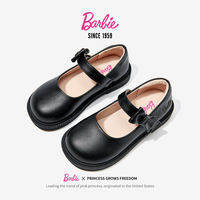
Barbie | Girls Leather Shoes Black
₱2,529.37₱2,989.11
About Barbie
Brand Overview
Barbie is one of the world’s most recognizable toy and entertainment brands. Created by Ruth Handler and manufactured by Mattel, Barbie debuted on March 9, 1959, and has since become a global cultural icon. Originally introduced as a fashion doll, Barbie has evolved into a multimedia franchise that includes dolls, playsets, animated films, television series, books, video games, fashion products, and the blockbuster 2023 live-action film. Since its launch, Barbie has represented hundreds of careers, cultures, and lifestyles, encouraging imaginative play and inspiring children to believe they can pursue any dream. [1]
Basic Information
| Category | Information |
|---|---|
| Brand Name | Barbie |
| Owner | Mattel, Inc. |
| Created By | Ruth Handler |
| Introduced | March 9, 1959 |
| Country of Origin | United States |
| Industry | Toys, Entertainment, Lifestyle |
| Product Type | Fashion dolls, accessories, playsets, media |
| Main Character | Barbie (Barbara Millicent Roberts) |
| Official Motto | “You Can Be Anything” |
| Target Audience | Primarily children ages 3+, collectors, fans |
History
Barbie was invented by Ruth Handler, co-founder of Mattel. Handler noticed that her daughter Barbara preferred imagining adult roles with paper dolls rather than caring for baby dolls. She believed girls needed a doll that represented what they could become instead of simply acting as caregivers. [1]
Inspired partly by the German Bild Lilli doll, Handler created Barbie as a stylish teenage fashion model. Barbie made her debut at the American International Toy Fair in New York on March 9, 1959, wearing a black-and-white striped swimsuit and a high ponytail. [1]
The first Barbie sold for $3 and became an instant success, with hundreds of thousands sold during her first year. [2]
Evolution of the Brand
Over more than six decades, Barbie has continually evolved to reflect changing society. [2]
1960s
-
Ken introduced (1961)
-
First Barbie Dreamhouse (1962)
-
Barbie Astronaut (1965), years before humans landed on the Moon
-
Expanded wardrobe and accessories
1970s
-
Malibu Barbie became one of the brand’s biggest icons.
-
Modern fashion trends were introduced.
1980s
-
First official Black Barbie (1980)
-
Barbie entered television, books, and licensing
-
More international dolls released
1990s
-
Barbie became a presidential candidate
-
Career dolls expanded rapidly
-
Collector editions gained popularity
2000s
-
Computer games
-
Direct-to-video animated movies
-
More diverse characters
2010s
-
New body types (Curvy, Petite, Tall)
-
Greater representation of skin tones, hairstyles, disabilities, and careers
-
Launch of the “You Can Be Anything” campaign
2020s
-
Dolls representing people with disabilities and diverse medical conditions
-
Sustainability initiatives
-
Record-breaking 2023 Barbie film
-
Continued expansion into entertainment and fashion collaborations [2]
Barbie’s Mission
Today, Barbie’s stated purpose is to inspire the limitless potential in every girl. Mattel emphasizes three long-term priorities:
-
Representation
-
Empowerment
-
Environmental responsibility
The company has expanded Barbie to better reflect different cultures, professions, body types, abilities, and identities. [1]
Barbie’s Careers
One of Barbie’s defining features is her wide range of professions. She has represented more than 200 careers, including:
-
Doctor
-
Nurse
-
Scientist
-
Astronaut
-
Engineer
-
Pilot
-
Veterinarian
-
Teacher
-
Firefighter
-
Police Officer
-
Fashion Designer
-
Chef
-
President
-
Olympic Athlete
-
Computer Engineer
-
Robotics Engineer
-
Marine Biologist
-
News Reporter
-
Musician
This variety is intended to encourage children to imagine many possible futures. [3]
Diversity and Inclusion
Modern Barbie includes dolls with:
-
Multiple skin tones
-
Various hair textures and colors
-
Different eye colors
-
Curvy, Petite, Tall, and Original body types
-
Wheelchairs
-
Prosthetic limbs
-
Hearing aids
-
Vitiligo
-
Down syndrome
-
Diverse cultural clothing
-
Dolls inspired by notable women around the world
These additions reflect Mattel’s efforts to broaden representation within the product line. [1]
Barbie Universe
The Barbie brand has grown into a fictional world featuring recurring characters.
Main Characters
-
Barbie Roberts
-
Ken Carson
-
Skipper Roberts
-
Stacie Roberts
-
Chelsea Roberts
-
Teresa
-
Nikki
-
Christie
-
Midge Hadley
-
Allan Sherwood
-
Raquelle
These characters appear across dolls, animated films, television series, and books.
Products
Barbie now encompasses far more than dolls.
Major product categories include:
-
Fashion dolls
-
Dreamhouses
-
Vehicles
-
Pets
-
Clothing
-
Furniture
-
Accessories
-
Collector editions
-
Playsets
-
Educational toys
-
Board games
-
Books
-
School supplies
-
Cosmetics (licensed)
-
Home décor
Movies and Television
Since 2001, Barbie has starred in dozens of animated films, including:
-
Barbie in the Nutcracker
-
Rapunzel
-
Swan Lake
-
The Princess and the Pauper
-
Fairytopia
-
The Island Princess
-
A Mermaid Tale
-
Princess Charm School
-
Life in the Dreamhouse
-
Dreamtopia
The franchise expanded further with the 2023 live-action film Barbie, directed by Greta Gerwig and starring Margot Robbie as Barbie and Ryan Gosling as Ken. The film became a major global box-office success and introduced the brand to a new generation. [4]
Cultural Impact
Barbie has become one of the most influential toy brands in history.
Her impact includes:
-
Changing the fashion doll industry
-
Inspiring generations of children
-
Becoming a global pop culture icon
-
Influencing fashion and design
-
Appearing in museums and art exhibitions
-
Inspiring music, films, television, and literature
-
Becoming a popular collector’s item
At the same time, Barbie has been the subject of debate over beauty standards, gender roles, and representation. Mattel has responded over the years by broadening the diversity of the brand and expanding the range of careers, appearances, and stories associated with Barbie. [5]
Logo and Visual Identity
Barbie’s identity is characterized by:
-
Bright pink branding
-
White script logo
-
Fashion-forward aesthetics
-
Glamour and creativity
-
Dreamhouse imagery
-
Heart and star motifs
-
Modern, playful typography
Pink has become so closely associated with Barbie that it is often referred to informally as “Barbie pink.”
Brand Values
Barbie promotes themes such as:
-
Imagination
-
Creativity
-
Confidence
-
Diversity
-
Inclusion
-
Self-expression
-
Career exploration
-
Friendship
-
Empowerment
Interesting Facts
-
Barbie’s full name is Barbara Millicent Roberts.
-
She is named after Ruth Handler’s daughter, Barbara.
-
Ken is named after Ruth Handler’s son, Kenneth.
-
Barbie’s official birthday is March 9, 1959.
-
The first Barbie wore a black-and-white striped swimsuit.
-
Barbie has held over 200 careers.
-
The first Dreamhouse debuted in 1962.
-
Barbie has been sold in more than 150 countries.
-
Barbie remains one of Mattel’s flagship brands and celebrated its 65th anniversary in 2024. [1]
Barbie is more than a fashion doll—it is a long-running global brand spanning toys, entertainment, fashion, and popular culture. Since 1959, the brand has continually adapted to changing social expectations while maintaining its central message that children can imagine a wide range of futures. With decades of product innovation, media expansion, and a focus on broader representation, Barbie remains one of the most influential and enduring brands in the toy industry. [1] [2] [3] [4] [5]