Shop on Lazada
Bayer products
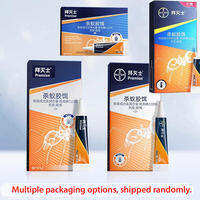
Bayer Maxforce Ant-killing Medicine Household Ant-killing Bait 1 tube
₱1,050.00₱2,000.00
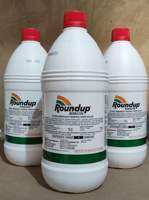
RoundUp Herbicide 1L - General Weed Killer / roundup
₱380.00
Buy on Lazada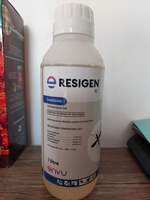
Bayer Resigen EC Permethrin Piperonyl Butoxide dengue fogging misting mosquito flies cockroach
₱2,344.30₱4,250.00

Bayer Agenda 25EC Fipronil Termiticide termite control soil poisoning
₱3,349.00₱5,300.00
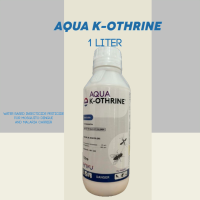
Aqua K-Othrine Bayer Deltamethrin Water Based Insecticide pesticide for Mosquito Dengue and Malaria Carrier
₱2,886.31₱3,400.00
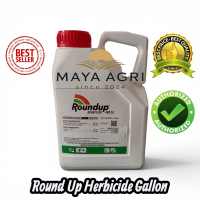
Roundup Herbicide Glyphosate 1Gallon ROUND UP- BAYER
₱1,278.00
Buy on Lazada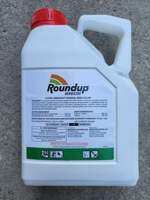
ROUNDUP HERBICIDE GLYPHOSATE - Like DEMOLITION X MOWER CLEAROUT GLYPHOTEX - BAYER ROUND UP Liter Gallon
₱1,450.00₱3,000.00
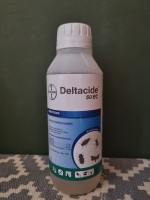
Bayer Deltacide 50EC dengue fogging misting mosquito flies cockroach
₱2,374.56₱3,350.00
About Bayer
Bayer AG is a German multinational life sciences company headquartered in Leverkusen. Founded in 1863, Bayer has evolved from a small synthetic dye manufacturer into one of the world’s largest companies in the fields of pharmaceuticals, consumer health, crop science, and biotechnology. Today, Bayer operates in more than 80 countries, employs over 88,000 people, and generates annual revenues exceeding €45 billion. Its corporate mission is summarized by the slogan “Health for all, Hunger for none.” [1]
Overview
-
Company Name: Bayer AG
-
Founded: August 1, 1863
-
Founders: Friedrich Bayer and Johann Friedrich Weskott
-
Headquarters: Leverkusen
-
Industry: Life Sciences
-
Business Areas:
-
Pharmaceuticals
-
Consumer Health
-
Crop Science
-
CEO: Bill Anderson
-
Employees: Approximately 88,000 (2025)
-
Operations: 80+ countries
-
Stock Exchange: Frankfurt Stock Exchange (Ticker: BAYN) [1]
History
Foundation (1863)
Bayer was established in Barmen, Germany (now part of Wuppertal) as “Friedr. Bayer et comp.” Initially, the company produced synthetic dyes for the rapidly growing textile industry. At the time, synthetic dyes represented a breakthrough in industrial chemistry and helped Bayer expand rapidly. [1]
Expansion into Pharmaceuticals
During the late 19th century, Bayer invested heavily in scientific research under chemist Carl Duisberg.
Major milestones included:
-
Establishment of Bayer’s pharmaceutical division (1888)
-
Development of modern industrial research laboratories
-
Expansion into chemicals and pharmaceuticals
-
International business growth throughout Europe and North America [1]
Aspirin
One of Bayer’s greatest achievements came in 1897, when chemist Felix Hoffmann synthesized a stable form of acetylsalicylic acid.
In 1899, Bayer launched Aspirin, which became one of the most recognized medicines in history.
Today Aspirin remains one of the world’s most widely used pain relievers and cardiovascular medications. [1]
Bayer Cross
In 1904, Bayer introduced its famous Bayer Cross logo.
The circular cross design has become one of the most recognizable pharmaceutical trademarks worldwide and remains Bayer’s corporate symbol today. [1]
World War Era
In 1925, Bayer became part of the chemical conglomerate IG Farben.
During the Nazi era and World War II, IG Farben was involved in the German war economy and used forced labor. After the war, the company was dismantled by the Allied powers because of its role during the conflict. Bayer was re-established as an independent company in 1951. This period remains an important and controversial part of Bayer’s history. [1]
Modern Bayer
Over the decades, Bayer transformed from a diversified chemical company into a focused life sciences organization.
Today the company operates through three major divisions.
1. Pharmaceuticals
Develops prescription medicines in areas including:
-
Cardiology
-
Oncology
-
Women’s Health
-
Ophthalmology
-
Hematology
-
Cell & Gene Therapy
Major medicines include:
-
Xarelto
-
Nubeqa
-
Kerendia
-
Eylea (outside certain markets through partnerships)
2. Consumer Health
Produces over-the-counter healthcare products including:
-
Aspirin
-
Aleve (in some markets)
-
Claritin
-
Bepanthen
-
Canesten
-
Rennie
Products cover:
-
Pain relief
-
Allergy treatment
-
Digestive health
-
Dermatology
-
Vitamins
-
Women’s health
3. Crop Science
One of the world’s largest agricultural businesses.
Products include:
-
Crop protection chemicals
-
Seeds
-
Digital farming technologies
-
Biological crop solutions
-
Weed control
-
Pest management
The division expanded significantly after Bayer acquired Monsanto in 2018. [1]
Research and Innovation
Bayer invests billions of euros annually in research and development.
Its research focuses on:
-
Cancer therapies
-
Cardiovascular diseases
-
Gene therapy
-
Precision medicine
-
Sustainable agriculture
-
Climate-resilient crops
-
Biotechnology
-
Digital farming
Approximately 15,000 employees work in research and development worldwide. [1]
Global Presence
Bayer has operations across:
-
Europe
-
North America
-
South America
-
Asia
-
Africa
-
Australia
Major research and manufacturing facilities are located in:
-
Germany
-
United States
-
Japan
-
China
-
Brazil
The company sells products in more than 80 countries. [1]
Major Acquisitions
Some important acquisitions include:
| Year | Acquisition | Significance |
|---|---|---|
| 1978 | Miles Laboratories | Expanded healthcare business |
| 2001 | Aventis CropScience | Strengthened agriculture division |
| 2005 | Roche Consumer Health | Expanded OTC medicines |
| 2006 | Schering AG | Strengthened pharmaceuticals |
| 2018 | Monsanto | Created one of the world’s largest agricultural companies |
Sustainability
Bayer states that it aims to:
-
Improve global food security
-
Reduce agriculture’s environmental footprint
-
Advance regenerative farming
-
Expand access to medicines
-
Reduce greenhouse gas emissions
-
Develop more sustainable crop protection technologies
These goals align with its mission of “Health for all, Hunger for none.” [1]
Challenges and Controversies
Like many large multinational companies, Bayer has faced significant legal and public scrutiny.
Notable issues include:
-
Historical association with IG Farben during World War II.
-
Extensive litigation related to glyphosate-based herbicides following the Monsanto acquisition, with thousands of lawsuits alleging links to cancer. Bayer disputes that glyphosate causes cancer when used as directed, while continuing to defend and settle cases in various jurisdictions.
-
Financial pressure from litigation costs and debt associated with the Monsanto acquisition. [1]
Financial Snapshot (FY2025)
-
Revenue: €45.6 billion
-
R&D Investment: €5.8 billion
-
Employees: 88,078
-
Countries of operation: 80+
-
Business divisions: 3
-
Headquarters: Leverkusen, Germany [1]
Mission
Bayer’s stated mission is:
“Health for all, Hunger for none.”
The company says this reflects its commitment to improving human health through medicines and self-care products while supporting sustainable agriculture and global food production. [1]
Quick Facts
| Category | Information |
|---|---|
| Founded | 1863 |
| Headquarters | Leverkusen, Germany |
| Industry | Life Sciences |
| CEO | Bill Anderson |
| Employees | ~88,000 |
| Countries | 80+ |
| Core Businesses | Pharmaceuticals, Consumer Health, Crop Science |
| Famous Product | Aspirin |
| Stock Symbol | BAYN (Frankfurt Stock Exchange) |
| Mission | Health for all, Hunger for none |