Shop on Lazada
Beedpan products
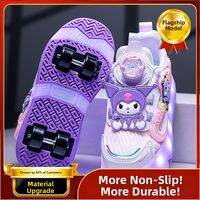
Beedpan | Girls Sneakers with Wheels LED Light Up Roller Shoes 4 Wheel Hidden Sneakers for Kids 6-12 Years Purple Kuroko Design
₱3,038.00₱3,057.00
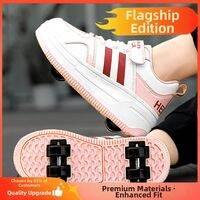
Peter Pan | Spring New Girls Roller Skating Shoes
₱2,170.00₱2,211.00
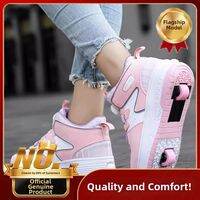
Beedpan | Childrens Wheeled Shoes Double Wheels
₱2,438.00₱2,495.00
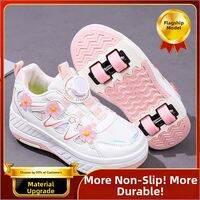
Beedpan | Invisible Breathable Girls Roller Skates White 4 Wheel Kids Skates Shoes for Girls with Lights Adjustable Roller Skates for Kids 3-8 Years Old
₱2,903.00₱3,500.00
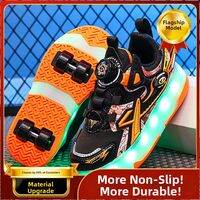
Beedpan | Four-wheel Hidden Roller Skates for Boys
₱2,692.00₱2,839.00
Beedpan | Kuromi Design Invisible Four-Wheel Roller Shoes
₱2,412.00₱2,643.00
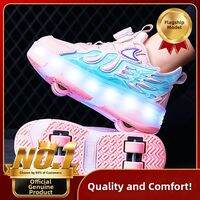
Beedpan | Lighted Four Wheel Inline Skates
₱2,669.00₱2,849.00
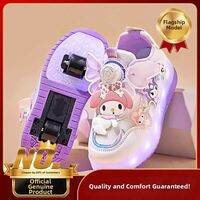
Beedpan | Flashing Wheels Girls Skating Shoes
₱2,269.00₱2,599.00
About Beedpan
Beedpan (Chinese: 彼得·潘) is a Chinese footwear and apparel brand primarily associated with children’s shoes and sports footwear. While publicly available records confirm its commercial use for children’s footwear, trademark filings indicate a broader scope covering clothing, athletic apparel, and related garments.12 The brand does not have a comprehensive English-language corporate history; information regarding its operations is largely derived from trademark registries, marketplace data, and supplier records.
Overview
| Field | Information |
|---|---|
| Brand name | Beedpan |
| Chinese name | 彼得·潘 |
| Industry | Footwear and apparel |
| Primary market | Children’s footwear |
| Product categories | Children’s sneakers, sandals, football shoes, leather shoes, slippers, boots, and apparel |
| Country of origin | China |
| Trademark activity | U.S. trademark filed in 2017; Registration No. 5,502,45923 |
| Associated business | Beedpan Import & Export Trading Co., Ltd. |
| Known location | Xiamen, Fujian, China |
| Positioning | Children’s casual and athletic footwear |
History
Commercial records place Beedpan within China’s footwear manufacturing and export ecosystem. Supplier listings identify Beedpan Import & Export Trading Co., Ltd. as a trading company based in Xiamen, Fujian, established in 2011 with approximately 50–100 employees at the time of listing.1 The company described its core business as footwear-oriented, with children’s shoes featured prominently among its products.
Historical product listings from the same supplier show Beedpan-branded children’s footwear, including boys’ sandals, sports shoes, slippers, girls’ sandals, leather shoes, and boots. Some of these listings date to the mid-2010s, indicating that the Beedpan name was active in international B2B footwear commerce during that period.1
In the United States, the BEEDPAN mark was filed on 17 November 2017, with Wang Le identified as the owner. The application covered a wide range of goods, including athletic apparel, boots, children’s and infant clothing, shoes, sports shoes, slippers, and football shoes.2
Products
Beedpan is most visible in the children’s footwear category. Marketplace listings indicate several major product families:
- Children’s sneakers: Everyday and athletic shoes.
- Football shoes: Cleated footwear designed for children’s training and play.
- Sandals: Summer and beach-style footwear, particularly for boys.
- Slippers: Casual indoor and outdoor footwear for children.
- Leather shoes: Formal or school-oriented shoes for boys and girls.
- Boots: Seasonal footwear, including styles for girls.
- Children’s apparel: Supported by trademark classification, though footwear remains more prominent in marketplace evidence.
E-commerce platforms currently associate 彼得·潘 (Beedpan) with items such as boys’ non-slip sports sandals, children’s football shoes, boys’ athletic footwear, and girls’ British-style leather dress shoes.
Brand identity
The Chinese name 彼得·潘 corresponds literally to Peter Pan, providing a recognisable fantasy-oriented association. However, in commercial contexts, the brand functions primarily as a children’s footwear label rather than a media or entertainment entity.
The product assortment suggests a broad children’s lifestyle footwear strategy. Rather than specialising in a single shoe type, Beedpan offers products ranging from everyday sandals and slippers to sports shoes, football footwear, and formal shoes.1
Trademark
Beedpan has a documented presence in the United States trademark system. The BEEDPAN trademark was filed in 2017 for clothing and footwear, covering athletic apparel, boots, children’s and infant apparel, shoes, slippers, sports shoes, football shoes, and other clothing categories.2
Subsequent examination records confirm that BEEDPAN was assigned U.S. Registration No. 5,502,459. The mark was cited in a dispute involving the mark BEED, identifying BEEDPAN as an existing registered mark in Class 25.3 This confirms that the brand obtained formal trademark protection in the United States beyond informal product naming.
International presence
Beedpan appears to operate largely through cross-border and e-commerce distribution rather than a network of branded physical stores. Supplier records associate the business with Fujian, a major footwear-producing region in China, and products have subsequently appeared on both Chinese and international online marketplaces.1
The brand has also been listed on international retail platforms. For example, Walmart has carried men’s athletic sweatpants under the BEEDPAN name, although evidence for the brand’s historical and current presence in children’s footwear is considerably stronger.4
Market position
Available evidence characterises Beedpan as a Chinese-origin children’s footwear brand with an international e-commerce orientation, distinct from major global footwear corporations. Its competitive focus includes:
- A broad selection of children’s footwear
- Sports and outdoor footwear
- Affordable everyday shoes
- Seasonal children’s products
- Online and export distribution channels
Supplier information describes an organisation focused on product development, shoe design, production capability, and e-commerce-oriented distribution, consistent with how Beedpan products appear across online marketplaces.1
Name distinction
Despite the Chinese name 彼得·潘, Beedpan should not be assumed to be connected to J. M. Barrie’s fictional character Peter Pan, Disney, or any entertainment company. Trademark and commercial records treat BEEDPAN/彼得·潘 specifically as a footwear and apparel brand. U.S. trademark documentation demonstrates that the name has been independently registered for clothing and footwear.3
Current visibility
Beedpan’s online footprint remains fragmented. Chinese shopping platforms continue to list products under 彼得·潘 (Beedpan), including children’s football shoes, sandals, and girls’ shoes. However, much of the accessible corporate information derives from older supplier and trading company records rather than a maintained official website. Consequently, details regarding current ownership, headquarters, annual revenue, employee count, founding narrative, management team, and official brand strategy cannot be confidently established from public sources.