Shop on Lazada
Beeshum products
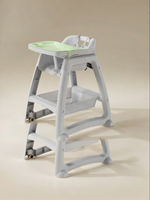
Beeshum | Restaurant-Style Baby Chair
₱7,178.61
Buy on Lazada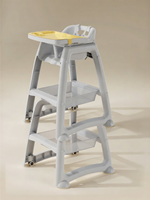
Beeshum | Baby Infants Chair
₱5,736.52
Buy on Lazada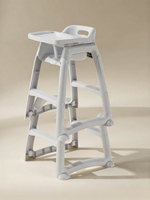
Beeshum | Multipurpose Child Dining Chair
₱6,362.26
Buy on LazadaBeeshum | Safe Anti-tipping Baby High Chair
₱7,411.88
Buy on Lazada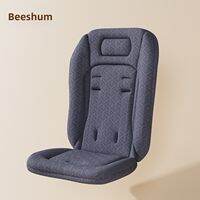
Beeshum | 3D Spinal Protection Stroller Pad
₱2,125.21₱2,135.41
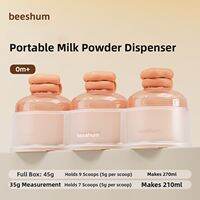
Beeshum | Portable One Meal per Compartment Formula Organizer
₱663.45₱1,227.88
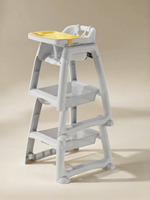
Beeshum | Multipurpose Baby Dining Chair
₱5,237.05
Buy on Lazada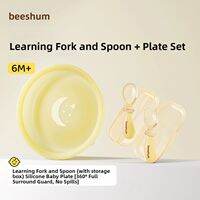
Beeshum | Feeding Training Silicon Spoon
₱1,294.36
Buy on LazadaAbout Beeshum
Beeshum (Chinese: 贝斯哈姆; pinyin: Bèi Sī Hā Mǔ) is a Chinese baby and childcare products brand that specialises in items designed to simplify feeding, drinking, and daily care for infants and young children. Its catalogue encompasses children’s tableware, feeding accessories, cups, bibs, oral-care products, toys, portable feeding equipment, and selected mobility and travel gear.1 The brand is associated with Hangzhou Yiqi Network Technology Co., Ltd. and is headquartered in Hangzhou, Zhejiang, China. Public records differ regarding its establishment, with sources citing either 2018 or 2020 as the founding year.2 In the Philippines, Beeshum products are available through regional e-commerce platforms such as Lazada Thailand, which serves cross-border shoppers in Southeast Asia.14
Overview
| Category | Information |
|---|---|
| Brand name | Beeshum |
| Chinese name | 贝斯哈姆 |
| Industry | Baby & childcare products |
| Country of origin | China |
| Associated company | Hangzhou Yiqi Network Technology Co., Ltd. |
| Location | Hangzhou, Zhejiang, China |
| Founded | Public sources report 2018–2020 |
| Primary market | China |
| Main consumers | Babies, toddlers, parents and caregivers |
| Core positioning | Safe, convenient and creative childcare products |
| Brand motif | Bee / “little bee” character |
History
Beeshum emerged as a domestic Chinese (guohuo) baby-products brand centred on the everyday needs of infants and their parents. One maternal-and-child distribution source states that the brand was established in 2018 with the philosophy of “让宝宝吃饭更简单”, meaning “make it easier for babies to eat”.3 Conversely, another brand database lists 2020 as the establishment date and identifies Hangzhou Yiqi Network Technology Co., Ltd. as the operating entity. Due to these conflicting accounts, the precise founding year remains uncertain absent definitive corporate or trademark documentation.2
The brand has since expanded beyond basic feeding utensils into a wider array of childcare goods. Its current official website features products ranging from plates, bowls, cups, and bibs to food containers, portable high chairs, and children’s luggage.4
Brand philosophy
Beeshum’s central concept revolves around simplifying childcare and infant feeding for both children and parents. Its early positioning emphasised three core qualities:
- Safety
- Convenience
- Creativity
These attributes are presented as means to reduce the challenges parents face during daily care while helping children gradually develop independence.1
Independent eating is a particularly significant focus. Rather than treating feeding items merely as utensils, Beeshum positions products such as training spoons, forks, bowls, and plates as tools that assist children in learning to eat autonomously.12
Product categories
Baby tableware
Baby feeding equipment constitutes one of Beeshum’s strongest categories. The catalogue includes silicone plates, divided plates, suction bowls, insulated bowls, children’s feeding bowls, baby spoons, training spoons, fork-and-spoon sets, stainless-steel utensils, and PPSU feeding products. The official website currently highlights items such as the silicone liquid plate, PPSU whale feeding bowl, insulated square plate, Moon-and-Star plate, and Honey Little Bee insulated bowl.4 International listings also feature PPSU suction-base feeding bowls suitable for infants over three months.13 Additional accessories include stainless-steel fruit-scraping spoons with storage cases for preparing complementary foods.9
Cups and drinking products
Beeshum produces various drinking vessels for babies and toddlers. Examples listed across its catalogues include children’s milk cups, training cups, straw/drinking cups, Tritan cups, stainless-steel cups, growth cups, and insulated cups.6
Bibs and feeding accessories
The brand offers accessories intended to make feeding less messy and more convenient, including silicone bibs, food containers, feeding accessories, utensil storage, and moulds for preparing children’s food. Current store listings feature the Cloud Bib, Honey Little Bee Bib, Rainbow Food Container, and Rainbow Mold.4
Oral-care products
Beeshum’s wider catalogue includes products for children’s oral care. Third-party listings show baby toothbrushes and related oral-cleaning products alongside its feeding range.5
Toys and developmental products
The brand has also offered products intended for babies’ sensory and developmental activities, including teething products and other infant accessories.6
Mobility and travel
Beeshum has expanded into larger childcare items. Its current website includes a portable baby high chair and a children’s suitcase, while distributor listings also show baby strollers.4 Specific models available through third-party channels include lightweight foldable strollers suitable for newborns to three-year-olds,1011 indicating an evolution from a focused feeding-products brand into a broader mother-and-baby lifestyle brand.
Brand identity
One of Beeshum’s most recognisable identity elements is its “little bee” character or intellectual property (IP). This mascot functions as a visual link between the brand, babies, and mothers. According to a Chinese distributor description, the little bee IP is intended to communicate the brand’s mission while creating a friendly identity that children can associate with.1
The bee motif creates associations with friendliness, playfulness, childhood, nature, activity, and growth, giving Beeshum a more playful identity than a purely functional baby-equipment manufacturer.
Design approach
Beeshum products generally combine child-friendly shapes and colours with practical feeding functionality. Examples from the current catalogue include animal-themed bowls, whale-themed products, rainbow designs, moon-and-star motifs, and bee-themed items.4 This reflects a broader design strategy wherein products function as everyday childcare equipment while remaining visually appealing to both children and parents.
Market positioning
Beeshum operates within China’s maternal-and-infant consumer-goods market. Rather than concentrating exclusively on premium nursery furniture or traditional baby necessities, the brand focuses heavily on the daily routines of feeding and caring for young children. Its positioning can be summarised as functional baby products combined with child-friendly design and parent convenience.
Products are sold through Chinese e-commerce and maternal-and-child distribution channels. A 2026 Tmall market-data report listed Beeshum among the top 20 brands in the children’s high-chair category for March 2026, ranking 15th with approximately 1.6% sales share.1 For buyers in the Philippines and wider Southeast Asia, the brand is accessible via cross-border e-commerce platforms such as Lazada Thailand.14
Target audience
Beeshum primarily targets the following groups:
Primary consumers
- Parents of infants
- Parents of toddlers
- New parents
- Families purchasing baby-feeding equipment
Secondary consumers
- Grandparents and other caregivers
- Maternal-and-child retailers
- Baby-product distributors
The products are particularly relevant during the transition from milk feeding towards complementary feeding and independent eating.
Competitive characteristics
Beeshum differentiates itself through four key attributes:
- Feeding specialisation: A significant portion of its catalogue is dedicated to feeding, tableware, and drinking products.
- Child-oriented design: Animal characters, colourful designs, and the bee IP make otherwise ordinary childcare products more appealing.
- Practicality: Many products address real parental concerns such as spills, food temperature, portability, and independent feeding.
- Product breadth: The company has expanded from utensils into bibs, cups, oral care, toys, high chairs, strollers, and children’s travel products.4
Brand name
The brand’s Chinese name is 贝斯哈姆, while its international-facing name is Beeshum. Available sources do not provide a sufficiently authoritative explanation of the linguistic origin or intended meaning of “Beeshum”, making it speculative to claim the name officially derives from a particular English word or phrase. However, bee imagery is explicitly associated with the brand through its little bee character and IP.1
Corporate information
Public brand information identifies Beeshum with Hangzhou Yiqi Network Technology Co., Ltd. (杭州宜奇网络科技有限公司). The company and brand are associated with Hangzhou, Zhejiang Province, China.7 There is considerably less publicly available English-language corporate information about Beeshum than for large multinational baby-product companies. Consequently, details such as exact corporate ownership structure, founder biographies, revenue, employee count, and international subsidiaries should not be stated as established facts without additional primary-source documentation.
Current product portfolio
Based on the brand’s current website and third-party catalogues, Beeshum’s portfolio is organised as follows:8
Feeding
- Plates
- Bowls
- Spoons
- Forks
- Fork-and-spoon sets
- Food containers
- Food-preparation moulds
Drinking
- Training cups
- Milk cups
- Straw/drinking cups
- Tritan cups
- Stainless-steel cups
- Insulated cups
Care
- Bibs
- Oral-care products
- Teething products
Childcare
- Portable high chairs
- Strollers
- Children’s luggage
- Other baby accessories
Development
The evolution of Beeshum follows a common pattern in the modern Chinese mother-and-baby market: feeding products expanding into broader childcare products, and subsequently into a children’s lifestyle brand. Its original emphasis on making eating easier has grown into a comprehensive approach covering the child’s everyday experience. The current catalogue encompasses not only mealtime but also drinking, hygiene, mobility, and travel.4
References
- Beeshum 贝斯哈姆
- Beeshum/贝斯哈姆 -高端母婴用品B2B分销平台,孕婴童品牌招商,免费加盟代理,一件代发,正品货源
- beeshum_InternationalMommy APP-跨文化妈妈的安全空间
- Beeshum/贝斯哈姆 -高端母婴用品B2B分销平台,孕婴童品牌招商,免费加盟代理,一件代发,正品货源
- Beeshum.com Domain Information & Lookup Data
- Beeshum婴幼儿水杯_Beeshum 贝斯哈姆兔飞飞儿童牛奶杯刻度玻璃吸管杯宝宝喝水学饮杯多少钱-什么值得买
- Check a website at Scamadviser.com for a trust score
- beeshum贝斯哈姆_黑猫投诉_新浪网
- Beeshum婴儿刮泥勺宝宝辅食工具泥刮勺子不锈钢刮水果神器儿童餐具辅食勺 橙色+收纳盒,买饭粒
- beeshum婴儿车推车可坐可躺推车0到3岁儿童轻便折叠新生宝宝推车_虎窝淘
- beeshum轻屿新生婴儿车推车可坐可躺0-3岁宝宝轻便折叠儿童推车B7_虎窝淘
- beeshum贝斯哈姆勺子弯头婴儿学吃饭宝宝训练勺自主进食辅食餐具_虎窝淘
- Baduglobal.ro Beeshum vas de hrănire pentru bebeluși din PPSU cu bază de suction, portabil, potrivit pentru copii de peste 3 luni – Baduglobal.ro
- ซื้อสินค้า Beeshum | ทุกรุ่น | คัดสรรแบรนด์ดี – Lazada Thailand