Shop on Lazada
Benadryl products
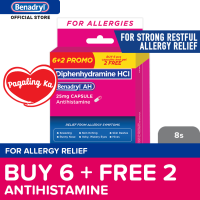
Benadryl AH 25mg (6+2 FREE) : for strong restful allergy relief
₱175.00₱234.00
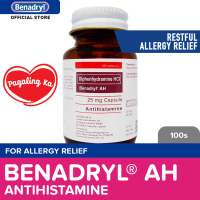
Benadryl AH 25mg 100s : for strong restful allergy relief
₱2,772.00₱2,917.00
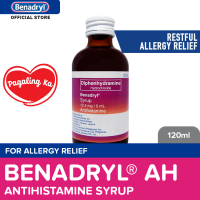
Benadryl Syrup 120ml : for allergy relief
₱324.00₱341.00
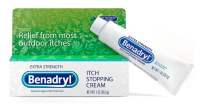
Benadryl Extra Strength Itch Stopping Cream 1 oz benadryl Itch stopping cream BENADRYL Insect Bites Minor Cuts Scrapes Topical Analgesic
₱938.00₱2,398.00
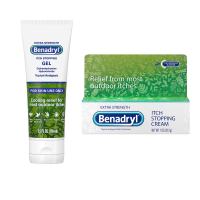
Benadryl Extra Strength Itch Stopping Gel 3.5 oz benadryl Itch stopping gel BENADRYL Insect Bites Minor Cuts Scrapes Topical Analgesic
₱900.00₱1,588.00
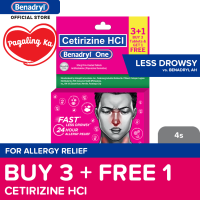
Benadryl One (3+1 FREE) : for allergy relief less drowsy less drowse
₱134.00₱179.00
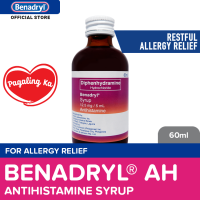
Benadryl Syrup 60ml : for allergy relief
₱203.00₱213.00
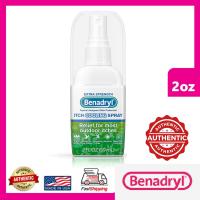
Benadryl Extra Strength Itch cooling spray benadryl Topical Analgesic Spray for Skin Itch & Rash Relief 2 oz
₱998.00₱2,398.00
About Benadryl
Benadryl is a prominent over-the-counter (OTC) medicine brand primarily associated with allergy relief and itch relief. In the United States, the brand’s traditional oral products contain diphenhydramine hydrochloride, a first-generation antihistamine. The portfolio also includes topical treatments and combination formulations designed for specific symptoms.1
Note: Benadryl is a brand name rather than a generic drug name. Formulations, active ingredients, age indications, and product availability vary significantly by country and specific product line.
Overview
| Field | Information |
|---|---|
| Brand name | Benadryl |
| Category | Over-the-counter medicines |
| Primary therapeutic area | Allergy and itch relief |
| Major active ingredient in U.S. oral products | Diphenhydramine hydrochloride |
| Drug class | Antihistamine |
| Common formulations | Tablets, liquid-filled capsules, liquids, topical creams/gels/sprays |
| Major uses | Allergy symptoms, cold-related runny nose/sneezing, itching |
| U.S. brand owner/marketer | Kenvue |
| Drug status in the U.S. | Primarily OTC |
| Official website | BENADRYL® official site benadryl.com |
Current U.S. labeling identifies Kenvue Brands LLC as the packager for several Benadryl products.2
History and development
Benadryl became closely identified with diphenhydramine, an antihistamine developed in the mid-20th century. As one of the earliest antihistamines introduced for treating allergic conditions, diphenhydramine subsequently became a widely used OTC medicine.
Over time, Benadryl evolved from being primarily associated with oral allergy medication into a broader consumer health brand. Its present U.S. portfolio encompasses adult allergy products, children’s formulations, and topical itch-relief treatments.1 Historically, the brand existed within the consumer health divisions of Johnson & Johnson/McNeil Consumer Healthcare; however, current U.S. labeling for certain products now identifies Kenvue Brands LLC as the packager.2
Active ingredient: diphenhydramine
The most widely recognized active ingredient associated with Benadryl is diphenhydramine hydrochloride (HCl).
Diphenhydramine is classified as a first-generation H1 antihistamine. Histamine is a substance involved in many allergic reactions; by blocking histamine’s action at H1 receptors, diphenhydramine can reduce symptoms such as:
- Sneezing
- Runny nose
- Itchy nose or throat
- Itchy, watery eyes
- Certain forms of itching and skin irritation
For instance, the current U.S. Benadryl 25-mg tablet label identifies diphenhydramine HCl 25 mg as the active ingredient and lists its purpose as an antihistamine.2
How Benadryl works
When the body encounters an allergic trigger, it may release histamine, which contributes to symptoms including itching, sneezing, runny nose, and watery eyes. Diphenhydramine functions by blocking H1 histamine receptors, thereby reducing these effects.
A key characteristic of diphenhydramine is its ability to cross the blood-brain barrier. Consequently, unlike many newer “non-drowsy” antihistamines, it commonly causes drowsiness or sedation. This sedating property is a significant component of the safety profile for Benadryl.
What Benadryl is used for
Precise indications depend on the specific Benadryl product variant.
Allergy symptoms
Traditional oral Benadryl products are labeled for the temporary relief of symptoms associated with hay fever and other upper respiratory allergies, including:
- Runny nose
- Sneezing
- Itchy or watery eyes
- Itching of the nose or throat
These products may also temporarily relieve runny nose and sneezing associated with the common cold.2
Itching and skin irritation
Benadryl also offers topical products designed to relieve certain forms of itching and skin irritation. The current range includes itch-stopping creams, gels, sticks, and sprays.1
Nasal congestion
Some Benadryl products are combination medicines rather than plain diphenhydramine. For example, the current U.S. portfolio includes BENADRYL Allergy Plus Congestion, which targets allergy-related symptoms such as sinus pressure and nasal congestion.1
Product range
The Benadryl brand currently comprises several product categories in the U.S. market.
Adult oral products
Examples include:
- Benadryl Allergy ULTRATABS
- Benadryl Allergy Antihistamine Dye-Free LIQUI-GELS
- Benadryl Extra Strength Allergy Relief
- Benadryl Allergy Plus Congestion
- Benadryl Allergy Relief Liquid Medicine
Active ingredients and strengths vary by specific product.1
Children’s products
The brand markets children’s formulations, including liquid allergy medicines. Official U.S. product listings distinguish these items by age group, such as ages 6–11.1
Topical products
Benadryl’s topical range includes products marketed for itchy skin and rash relief, such as:
- Itch-stopping cream
- Itch-stopping gel
- Extra-strength spray
- Extra-strength itch-relief stick
While some topical products utilize diphenhydramine, their formulation and labeling differ from oral Benadryl products.1
Dosage and strength
A commonly encountered U.S. oral Benadryl formulation contains 25 mg of diphenhydramine HCl per tablet. Current U.S. labeling provides distinct dosing instructions based on age and formulation.2
Crucially, Benadryl products should not be treated as interchangeable. A 25-mg tablet, a liquid formulation, a topical product, and a combination product may have different directions and active ingredients. Users should always consult the Drug Facts label on the package before use.
Side effects
Because diphenhydramine is a first-generation antihistamine, drowsiness is one of its most well-known effects.
Other possible side effects include:
- Dry mouth
- Dizziness
- Reduced alertness
- Blurred vision
- Difficulty urinating in susceptible individuals
- Confusion or excitability, particularly in some children or older adults
Current U.S. labeling specifically warns that marked drowsiness may occur and advises caution when driving or operating machinery.2
Important safety warnings
The safety profile of Benadryl is particularly significant due to the sedating nature of diphenhydramine.
Current U.S. labeling states that Benadryl should not be used to make a child sleepy and should not be taken concurrently with another product containing diphenhydramine, including topical products with the same ingredient.2 Labels also warn that alcohol, sedatives, and tranquilizers can increase drowsiness. Individuals with certain conditions—including specific breathing problems, glaucoma, or difficulty urinating associated with an enlarged prostate—are advised to consult a doctor prior to use.2
Excessive doses can be dangerous. In cases of suspected overdose, medical assistance or a poison control service should be contacted immediately.
Benadryl and sleep
Benadryl is sometimes associated with sleep because diphenhydramine can cause significant drowsiness. However, this does not imply that Benadryl should be routinely used as a sleep aid.
U.S. product labeling explicitly states not to use it to make a child sleepy.2 This distinction is vital: sedation is a pharmacological effect of diphenhydramine; it is not synonymous with Benadryl being intended primarily as a sleep medicine.
Benadryl versus newer antihistamines
Diphenhydramine belongs to the older, first-generation class of antihistamines. Newer agents—often termed second-generation antihistamines—were developed partly to provide allergy relief with less penetration into the brain and, consequently, generally less sedation.
This explains why consumers may encounter products containing ingredients such as cetirizine, loratadine, or fexofenadine marketed as “non-drowsy” or less-sedating alternatives. The appropriate medication depends on the individual’s symptoms, age, medical circumstances, concurrent medications, and the specific product.
Brand identity
Benadryl’s consumer positioning has traditionally focused on fast, recognizable relief from allergy and itching symptoms. Its current U.S. website organizes the brand around three principal groups:
- Adult
- Children’s
- Topical
The official site also provides dosing information, allergy education, product details, and safety guidance.1
Ownership and corporate background
The corporate history of Benadryl can be complex due to changes in ownership structures within the consumer health sector. Historically, Benadryl products in the U.S. were associated with Johnson & Johnson’s consumer health operations and McNeil Consumer Healthcare. Current U.S. drug labeling identifies Kenvue Brands LLC as the packager for various Benadryl products.12
Kenvue is the consumer health company behind a portfolio of familiar brands, although the precise legal manufacturer, marketer, packager, or distributor may vary between individual products.
International availability
An important caveat for international readers is that “Benadryl” does not refer to an identical product worldwide. Brand names may be licensed or marketed differently across countries, and the active ingredient in a product bearing the Benadryl name may differ from the traditional U.S. diphenhydramine formulation.
Therefore, individuals outside the United States should not assume that a local Benadryl product shares the same composition, indications, or dosing instructions as the U.S. version. The active ingredients printed on the local package serve as the authoritative reference.
Regulation
In the United States, many traditional Benadryl products are marketed as OTC medicines. For example, the current DailyMed listing for Benadryl diphenhydramine 25-mg tablets identifies the product as a human OTC drug and provides its official Drug Facts labeling.2
DailyMed is a useful resource for verifying the legally relevant labeling of specific U.S. drug products, as different formulations carry distinct labels.
Cultural recognition
Benadryl has become one of the most recognizable names in the U.S. OTC allergy medicine market. The brand name is often used conversationally as shorthand for diphenhydramine, although technically Benadryl is a trademarked brand while diphenhydramine is the drug ingredient.
This distinction matters because not every Benadryl-branded product contains identical ingredients, and diphenhydramine is sold under numerous other brand and generic names.
Summary
Benadryl is a major OTC consumer health brand best known for allergy and itch relief. Its classic U.S. oral products contain diphenhydramine HCl, a first-generation antihistamine that blocks histamine H1 receptors. While effective for relieving symptoms such as sneezing, runny nose, itchy/watery eyes, and certain types of itching, it can also cause substantial drowsiness.
Today, the brand encompasses adult allergy medicines, children’s formulations, combination products, and topical itch-relief treatments.1 For authoritative product-specific information, the official BENADRYL® product site benadryl.com and U.S. DailyMed labeling dailymed.nlm.nih.gov serve as primary references.1