Shop on Lazada
herbalife products
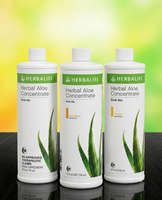
Herbalife Herbal Aloe Concentrate
₱1,684.00
Buy on Lazada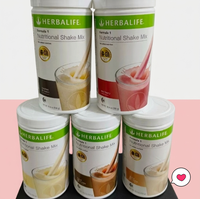
Herbalife Formula 1 Nutritional Shake
₱1,699.00
Buy on Lazada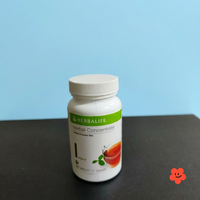
Tea Concentrate 51g Original Flavor
₱1,344.00
Buy on Lazada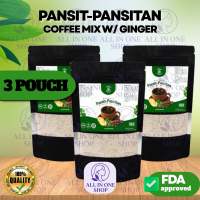
Pansit Pansitan Ginger Herbal Coffee 100g – Detox Energy Boost & Natural Wellness Drink
₱599.00₱1,299.00
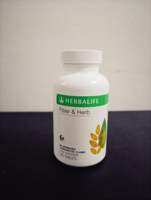
Herbalife Fiber & Herb tablet
₱749.00
Buy on Lazada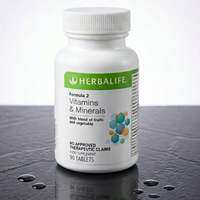
Herbalife Vitamins and Minerals
₱689.00
Buy on Lazada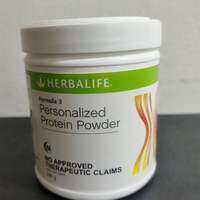
Herbalife Personalized Protein Powder
₱1,299.00
Buy on Lazada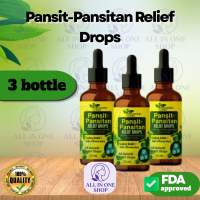
Pansit-Pansitan Relief Drops – Herbal Uric Acid Gout Arthritis Rayuma Support | All-Natural
₱550.00₱699.00
About herbalife
Herbalife Ltd. is a global health, nutrition, and wellness company best known for its protein shakes, meal-replacement products, dietary supplements, sports nutrition items, teas, aloe-based drinks, and personal-care goods. Founded in 1980 by Mark Hughes, the company operates primarily through a direct-selling and multi-level marketing (MLM) model, distributing products via independent members rather than conventional retail outlets.1
As of 2025, Herbalife operates in 95 markets worldwide, reporting approximately 6.4 million Members and $5 billion in net sales. Its shares are publicly traded on the New York Stock Exchange under the ticker HLF.2
Company overview
| Item | Information |
|---|---|
| Company | Herbalife Ltd. |
| Founded | 1980 |
| Founder | Mark Hughes |
| Industry | Health, nutrition & wellness |
| Business model | Direct selling / multi-level marketing |
| Headquarters | Cayman Islands; corporate operations centered in Los Angeles, California |
| Stock exchange | New York Stock Exchange |
| Ticker | HLF |
| Markets | 95 |
| Members | ~6.4 million as of Dec. 31, 2025 |
| 2025 net sales | ~$5 billion |
| Nutrition Clubs | ~63,000 worldwide |
| Primary products | Meal replacements, protein, supplements, sports nutrition, beverages, personal care |
The company is incorporated in the Cayman Islands, with its common stock listed on the NYSE.3
History
Founding and early expansion
Herbalife was established in 1980 by Mark Hughes in Los Angeles. According to the company’s historical accounts, Hughes initially sold nutritional products from the trunk of his car, focusing on weight management and improved nutritional habits.4 The business subsequently expanded through a network of independent distributors who personally marketed products, provided guidance to customers, and built their own sales organizations. This distributor-centred approach became a defining characteristic of the brand.
Over subsequent decades, Herbalife expanded internationally, developing a large network of independent distributors and customers. Current regulatory filings identify 95 active markets.5
Corporate name changes
In 2018, the company changed its corporate name from Herbalife Ltd. to Herbalife Nutrition Ltd. to emphasise its identity as a global nutrition company.6 In 2023, shareholders approved a return to the name Herbalife Ltd., with the company stating that the shorter name better reflected its expanding health-and-wellness strategy beyond traditional nutrition categories.7
Product portfolio
Herbalife’s product range extends well beyond its well-known protein shakes. According to its 2025 annual filing, the company sold 144 product types at year-end, spanning weight management, targeted nutrition, energy and fitness, and outer nutrition.8
Major categories
Weight management
This remains Herbalife’s most recognised category, comprising meal-replacement shakes, protein drinks, drink mixes, protein bars, weight-management supplements, herbal teas, and multivitamins. The 2025 filing indicates that weight management accounted for approximately 54.5% of net sales.9
Sports and fitness
Products in this category target exercise, athletic performance, protein intake, hydration, recovery, and energy.
Daily nutrition
This category includes vitamins, minerals, protein products, supplements, and beverages intended to supplement ordinary diets.
Personal care and outer nutrition
Herbalife also offers skin and body care products. Regional sites, such as Herbalife Indonesia, similarly categorise offerings into healthy weight, fitness and performance, daily nutrition and health, and skin and body care.10
Formula 1 shake
Formula 1, a meal-replacement shake, is central to the company’s identity and is frequently used by distributors as part of structured nutrition programmes. Herbalife reports that more than 4.3 million Formula 1 shakes are consumed daily worldwide.11 It should be noted that while Herbalife sells nutritional products, individual health outcomes depend on specific products and individual circumstances.
Business model
Herbalife is not a conventional retail brand; it utilises a direct-selling model. Products are generally distributed through Herbalife Independent Members/Distributors, who sell to customers and may participate in the company’s compensation system depending on their role and market.12
Distributors typically provide product recommendations, nutrition-related coaching, motivation, fitness support, product education, and community activities. They may also build larger organisations of other distributors, which places Herbalife within the multi-level marketing (MLM) industry.
Members versus customers
Herbalife uses the term “Member” broadly. Its 2025 filing reported approximately 6.4 million Members, including:
- 3.1 million preferred members
- 2.3 million distributors
- 0.2 million sales representatives and independent service providers in China13
Consequently, the headline figure does not represent 6.4 million active salespeople. Some Members purchase primarily for personal or household use, while distributors may resell products or build sales organisations.
Nutrition Clubs
A distinctive element of the Herbalife ecosystem is the Nutrition Club. These are physical community locations generally operated by independent distributors rather than corporate staff. They may offer Herbalife shakes, tea and aloe beverages, nutrition coaching, fitness activities, weight-management programmes, group wellness activities, and social events. Herbalife reports approximately 63,000 Nutrition Clubs worldwide.14 This model provides a local retail and community presence while allowing individual distributors to operate the locations.
Multi-level marketing structure
MLM stands for multi-level marketing. Unlike traditional retail (Company → Store → Customer) or standard direct selling (Company → Salesperson → Customer), MLM involves a structure where distributors may recruit and build networks of additional distributors. Compensation may be linked to sales generated within a distributor’s organisation, subject to company rules and regulations.
Herbalife describes its model as an opportunity to build a part-time or full-time wellness business, emphasising product sales and personalised customer support.15
Regulatory scrutiny and FTC settlement
In 2016, the U.S. Federal Trade Commission (FTC) reached a settlement with Herbalife regarding allegations about its business practices and income representations. The FTC alleged that Herbalife had misled consumers about potential earnings and that its compensation structure placed excessive emphasis on recruitment and internal purchasing rather than genuine retail demand. Herbalife agreed to pay $200 million for consumer redress and restructure its U.S. operations.16
Key requirements of the settlement included:
- Tying compensation substantially to verifiable retail sales.
- Distinguishing between personal-use purchasers and those pursuing the business opportunity.
- Prohibiting misleading claims about distributor earnings.
- Restructuring the compensation system.
- Appointing an independent compliance auditor to monitor compliance for seven years.17
The settlement did not declare Herbalife a pyramid scheme; rather, it addressed specific allegations concerning deceptive income claims and operational structure, imposing significant restructuring and financial obligations.18
Controversies and criticisms
MLM structure
Critics argue that MLM structures can make distributors overly dependent on recruitment and internal purchasing. Supporters contend that direct selling offers personalised coaching and a low-barrier entry to small business ownership.
Distributor earnings
The economics of distribution remain a point of debate. The FTC’s 2016 complaint alleged that the overwhelming majority of distributors earned little or no money and that many lost money operating Nutrition Clubs.19 Therefore, the business opportunity should not be equated with guaranteed employment or income.
Health claims
As a seller of nutrition and weight-management products, Herbalife faces scrutiny regarding product efficacy. Marketing a product as a nutritional supplement does not guarantee dramatic weight loss or specific health outcomes for every consumer.
Corporate positioning and quality assurance
Herbalife currently emphasises science-backed nutrition, product quality, personalised coaching, community, fitness, healthy lifestyles, and entrepreneurship. The company states that more than 200 scientists, experts, and PhDs work with its product-development and quality programmes.20 Ingredients reportedly undergo multiple quality-control procedures, with investments in sourcing, manufacturing, and testing.21 These descriptions represent corporate claims and should not be interpreted as independent confirmation of specific health outcomes advertised by individual distributors.
Scale and operations
As of the end of 2025, Herbalife reported:
- $5 billion in net sales
- 6.4 million Members
- Presence in 95 markets
- Approximately 63,000 Nutrition Clubs
- More than 4.3 million Formula 1 shakes consumed daily22
Corporate communications also highlight more than 45 years of history and a global community centred on nutrition, fitness, and wellness.23
Operations in Southeast Asia
While specific operational data for the Philippines is not detailed in the available source text, Herbalife maintains a substantial presence in the broader Southeast Asian region. For example, Herbalife Indonesia operates through Independent Members and offers products covering healthy weight, fitness and performance, daily nutrition and health, and skin and body care. The Indonesian business follows the global philosophy of combining nutritional products with distributor-based coaching and community, while promoting business opportunities for Members. Regional promotional activities include events such as Herbalife Run 2026, scheduled for September 27, 2026, in Tangerang.24
Competitive position and brand characteristics
Herbalife competes across overlapping industries, including protein and sports nutrition, meal replacements, vitamins and supplements, weight management, wellness, and direct selling. Its strategic advantages include global scale, strong brand recognition, a vast distribution network, and a community model that creates physical presence without corporate-operated retail locations. Recurring consumption of consumable goods and a diversified portfolio further strengthen its position.
However, significant risks persist. These include regulatory scrutiny inherent to MLM models, reputational challenges stemming from the FTC controversy, distributor turnover, potential misunderstandings regarding income expectations, the need for careful distinction in health claims, and intense competition in the wellness sector.
Differentiation
Herbalife combines three distinct elements: a nutrition brand, a direct-sales network, and a wellness community. Unlike conventional supplement companies that may simply sell products online, Herbalife distributors often introduce customers to products, recommend nutrition programmes, encourage exercise, invite participation in Nutrition Clubs, and provide ongoing coaching. This integrated ecosystem is arguably the brand’s defining characteristic.
Summary
Herbalife Ltd. is a global health and wellness company founded by Mark Hughes in 1980. It develops and sells nutritional supplements, meal-replacement shakes, protein products, beverages, sports nutrition, and personal-care items primarily through a large network of independent Members using a direct-selling/MLM model. The business combines product sales with personalised distributor coaching and community-based activities such as Nutrition Clubs. Operating in 95 markets, Herbalife reported approximately $5 billion in 2025 net sales and 6.4 million Members. The company is also notable for its controversial history, particularly the 2016 settlement with the U.S. Federal Trade Commission, under which Herbalife paid $200 million and restructured aspects of its U.S. compensation and business practices.25
References
- Frequently Asked Questions (FAQs) | Herbalife U.S.
- Company Information :: Herbalife Ltd. (HLF)
- Herbalife Company | Our Values | Herbalife U.S.
- 10-K
- Who We Are :: Herbalife Ltd. (HLF)
- 10-K
- Herbalife Ltd. Announces Strategic Name Change to Herbalife Nutrition Ltd., Reflecting its Leadership as a Premier Global Nutrition Company :: Herbalife Ltd. (HLF)
- Table of Contents
- Apa itu Herbalife? | Herbalife Indonesia
- How does Herbalife work? | Herbalife U.S.
- Herbalife Will Restructure Its Multi-level Marketing Operations and Pay $200 Million For Consumer Redress to Settle FTC Charges | Federal Trade Commission
- Tentang Kami | Sejarah Herbalife di Indonesia | Herbalife | Herbalife Indonesia
- What Is Herbalife? | Herbalife Indonesia
- Herbalife Indonesia: Global Leaders in Nutrition & Health
- Herbalife Press Room | Herbalife Indonesia
- Herbalife Delivers Fourth Quarter and Full-Year Net Sales Growth, Net Sales and Adjusted EBITDA¹ Exceed Guidance :: Herbalife Ltd. (HLF)
- EDGAR Filing Documents for 0001193125-26-057113
- Herbalife Ltd. (via Public) / Annual Report for Fiscal Year Ending December 31, 2025 (Form 10-K)
- Our Company | Quality, Innovation & Community | Herbalife Singapore
- 10-K
- EDGAR Filing Documents for 0000950170-25-023207
- 10-K
- Herbalife Nutrition Announces Leadership Change :: Herbalife Ltd. (HLF)
- bizjournals.com
- Herbalife Announces Strategic Initiatives to Enhance Shareholder Value :: Herbalife Ltd. (HLF)