Shop on Lazada
BESTORE products
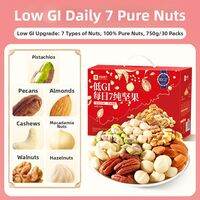
BESTORE | Daily Healthy Maternal Mix Nuts 750g 30 Packs
₱1,421.91₱3,002.82
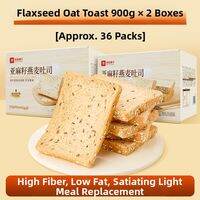
BESTORE | Low Fat Whole Wheat Linseed Oatmeal Toast
₱1,774.33₱3,207.50
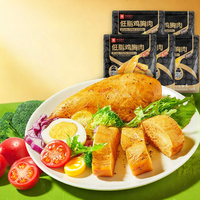
BESTORE | High-Protein Ready-to-Eat Chicken Breast Muscle Building Meal
₱1,504.28₱1,822.73
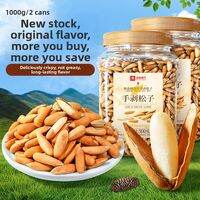
BESTORE | Hand Shelled Long Large Size Pine Nuts
₱3,393.00₱4,726.00
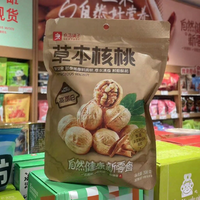
BESTORE | Xinjiang Thin Shell Walnut Nuts 200g Bag Snacks
₱856.00
Buy on Lazada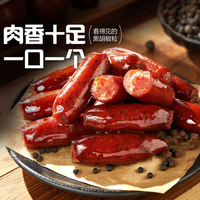
BESTORE | Miniature Sausage Snack
₱1,094.00₱1,315.00
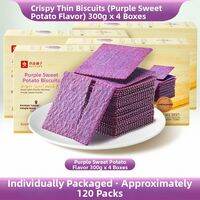
BESTORE | Purple Sweet Potato Crisp Cookies 300g
₱984.00₱1,732.00
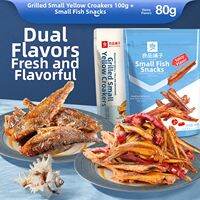
BESTORE | Ready-to-Eat Crunchy Dried Yellow Croaker Snack
₱417.62₱952.19
About BESTORE
BESTORE (Chinese: 良品铺子; pinyin: Liángpǐn Pùzi) is a major Chinese snack food brand and retail enterprise headquartered in Wuhan, Hubei Province. The company operates across multiple snack categories including nuts, meat products, dried fruits, confectionery, pastries, and vegetarian delicacies, utilizing an omni-channel sales network comprising physical stores, e-commerce platforms, and other retail channels. Its corporate entity, Bestore Co., Ltd. (stock code: 603719), was listed on the Main Board of the Shanghai Stock Exchange in 2020.8 BESTORE is characterized by its positioning as a “high-quality/premium snack” brand, with core competencies centered on product research and development, supply chain management, and integrated retail operations.
Corporate Profile
| Item | Details |
|---|---|
| Chinese Name | 良品铺子 |
| English Name | BESTORE / Bestore Co., Ltd. |
| Industry | Food, Snack Foods, Retail |
| Founded | 2006 |
| Place of Origin | Wuhan, China |
| Headquarters | Wuhan, Hubei Province |
| Corporate Entity | Bestore Co., Ltd. |
| Stock Code | Shanghai Stock Exchange: 603719 |
| Listing Date | February 24, 2020 |
| Core Business | R&D, procurement, sales, logistics, and operations of snack foods |
| Brand Positioning | High-quality/Premium snack foods |
| Key Channels | Physical stores, E-commerce, O2O, Social commerce, Other retail channels |
The company’s legal English name is Bestore Co., Ltd., with its registered address at No. 8 Gexin Avenue, Zoumaling, Dongxihu District, Wuhan.7
Brand Identity
The English name “BESTORE” corresponds to the Chinese brand name 良品铺子. The nomenclature carries specific semantic weight:
- 良品 (Liangpin): Emphasizes superior product quality.
- 铺子 (Puzi): Evokes the traditional, approachable image of a specialty food shop.
- BESTORE: Reinforces a modern and internationalized brand identity.
The brand’s foundational philosophy is summarized as “bringing delicious snacks from around the world to consumers.” Official brand narratives indicate that BESTORE aims to provide convenient access to high-quality snacks through its extensive store network and digital channels.
History
Founding and Early Years
BESTORE traces its origins to Wuhan in 2006. Official records state that the first store opened on a street in Wuhan that year. Initially operating as a small-scale snack shop, it gradually evolved from a single-store operation into a chain retail enterprise.1
The early strategic focus was direct: aggregating diverse snacks from various regions into accessible physical locations for consumers. This distinguished BESTORE from traditional food manufacturers, as it integrated product selection, supply chain management, retail operations, and consumer experience from its inception rather than focusing solely on production.
Expansion and Chain Development
Driven by the growth of China’s consumer market and chain retail sector, BESTORE rapidly expanded its store network. The company established an integrated operational model spanning:
Product Procurement → Product R&D → Processing/Production → Supply Chain → Warehousing & Logistics → Physical Stores → E-commerce
By mid-2018, the company operated over 2,000 offline stores.1 This period was critical in establishing widespread brand recognition.
Omni-Channel Retail Strategy
A defining characteristic of BESTORE is its transition beyond the traditional brick-and-mortar snack shop model. The company entered the e-commerce sector early, developing a comprehensive online + offline sales ecosystem.
Sales channels include:
- Directly-operated stores
- Franchised stores
- E-commerce platforms
- Official mobile applications
- O2O (Online-to-Offline) services
- B2B and B2C channels
- Social commerce
- Group buying
- Community-based retail channels
The company explicitly defines this approach as an “omni-channel sales system,” designed to enable consumer engagement and purchasing across diverse scenarios.14 This integration differentiates BESTORE from pure-play food manufacturing enterprises.
Premium Snack Strategy
In 2019, BESTORE formally adopted “Premium Snacks” as its core strategic direction.2 This positioning extends beyond pricing to encompass value enhancement across several dimensions:
Raw Materials
Prioritizing high-quality ingredients with distinct geographical origins.
Product R&D
Developing products tailored to specific consumer needs regarding flavor profiles, specifications, and consumption occasions.
Food Safety
Elevating standards across supply chain management, production processes, and quality control.
Packaging
Emphasizing youthful aesthetics, refinement, and visual appeal.
Consumer Experience
Positioning snacks not merely as sustenance but as integral components of leisure, social interaction, and entertainment.
Official materials summarize this strategy as creating high-quality snacks through “good raw materials, good craftsmanship, and good taste.”3
Product Portfolio
BESTORE maintains an extensive product range. Early public disclosures indicated a portfolio exceeding 1,000 SKUs, covering categories such as meat snacks, nuts and seeds, confectionery and pastries, dried fruits and preserves, and vegetarian specialties.4
Nuts and Seeds
This category is a cornerstone of the product mix, including:
* Mixed nuts
* Peanuts
* Sunflower seeds
* Pistachios
* Cashews
* Almonds
Meat Snacks
BESTORE frequently modernizes traditional meat snacks through adjustments in flavor, packaging, and convenience. Offerings include:
* Duck and chicken products
* Beef jerky
* Chicken feet
* Dried meat slices
* Braised delicacies
Dried Fruits and Preserves
- Dried mango
- Raisins
- Hawthorn
- Plum products
- Various fruit preserves
Confectionery, Pastries, and Biscuits
- Biscuits and cookies
- Cakes and pastries
- Candies and chocolates
Vegetarian and Specialty Snacks
- Soybean products
- Vegetable-based snacks
- Mushrooms and fungi
- Mountain delicacies
Consequently, BESTORE functions less as a single-category food brand and more as a multi-category snack food platform.
Research and Development
Continuous innovation of traditional snacks is a key competitive strategy. For example, addressing consumer pain points regarding convenience, the company innovated chicken foot products to eliminate the difficulty of dealing with bones during consumption.5
This reflects a typical development methodology:
Traditional Food + Consumer Insight + Process Improvement + New Packaging/Flavor
rather than simple replication of existing market offerings.
Sub-brands and Market Segmentation
To address distinct consumer demographics, BESTORE has launched specialized sub-brands. A notable example is Xiaoshixian, established in 2020 to target the children’s snack market with dedicated product development.9 This demonstrates a strategic move beyond reliance on the primary “BESTORE” brand to capture specific niche segments.
Business Model
BESTORE’s business model integrates Brand + Product R&D + Supply Chain + Omni-channel Retail, distinguishing it from pure manufacturing. The commercial value chain operates as follows:
Global/National Procurement → Ingredient Selection → Product R&D → Production/Processing → Quality Control → Warehousing & Logistics → Stores/E-commerce → Consumer
This structure allows control over multiple touchpoints from supply to consumption. Public disclosures position the company as a snack food enterprise integrating digital technology, supply chain management, and omni-channel sales systems.111213
Digital Transformation
Digitalization is integral to BESTORE’s operations. Rather than relying solely on physical expansion, the company leverages digital technology to connect:
* Consumer data
* Product R&D
* Inventory management
* Store operations
* E-commerce platforms
* Supply chain and logistics
The objective is to utilize consumer data to understand purchasing behaviors—what, why, when, and future needs—to inform reverse-engineering of product development and supply chain optimization. Thus, the business model aligns closer to Digital + Food + Retail than traditional food manufacturing.
Supply Chain Management
Managing a vast SKU count requires sophisticated supply chain capabilities. BESTORE must coordinate diverse:
* Raw materials
* Processing techniques
* Packaging requirements
* Shelf-life parameters
* Storage conditions
* Logistics specifications
The core competency lies in managing complex food supply chains rather than any single hero product. Recent strategies emphasize “Brand Power × Manufacturing Power,” including global nut processing capabilities and integrated manufacturing parks.15
Internationalization
While primarily focused on the domestic Chinese market, BESTORE has pursued international initiatives. A significant milestone occurred in 2016 when BESTORE featured in New York’s Times Square, aiming to showcase the Chinese snack market to overseas producers and suppliers and explore international cooperation opportunities.610
The internationalization logic encompasses not only exporting Chinese snacks but also sourcing global raw materials and products for distribution through BESTORE’s Chinese sales network. The concept of “Global Ingredients + Chinese Consumer Market” remains a pillar of its international strategy.
Public Listing
The corporate entity, Bestore Co., Ltd., completed its initial public offering and listed on the Main Board of the Shanghai Stock Exchange on February 24, 2020, under the stock code 603719.8 The listing transitioned BESTORE from a private retail brand to a public company, enhancing its capital market profile. Media coverage at the time highlighted it as a representative “premium snack” enterprise in China’s A-share market.
Corporate Structure Distinction
It is necessary to distinguish between two entities:
* BESTORE: The consumer-facing brand.
* Bestore Co., Ltd.: The listed corporate entity responsible for group-level operations, investment, supply chain, and brand management.
This distinction between brand nomenclature and legal corporate identity is standard in large consumer goods enterprises.
Ownership Developments in 2025
BESTORE experienced a significant attempted change in control in 2025. In July 2025, the original controlling shareholder, Ningbo Hanyi, signed share transfer agreements with state-owned entities affiliated with Wuhan. These included transferring 5.10% of shares to Wuhan Wanggu Innovation Investment Co., Ltd. and a combined 21% to Changjiang Guomao. Had the transaction concluded, actual control would have transferred to the Wuhan State-owned Assets Supervision and Administration Commission.
However, this transfer was not completed. In October 2025, the company announced the termination of the share transfer agreements; consequently, the anticipated change in control did not occur. As of that date, the controlling shareholder remained Ningbo Hanyi, with actual controllers being Yang Hongchun, Yang Yinfen, Zhang Guoqiang, and Pan Jihong. Reports suggesting BESTORE became a Wuhan state-controlled enterprise should be treated with caution, as the 2025 transfer plan was ultimately terminated.
Brand Positioning Pillars
BESTORE’s positioning rests on four pillars:
- Quality: Emphasis on raw materials, food safety, and production standards.
- Variety: Extensive multi-category assortment rather than single-product focus.
- Innovation: Continuous introduction of new flavors, packaging, and products.
- Convenience: Accessibility via stores, e-commerce, and O2O channels.
The core value proposition is providing a high-quality, diverse, and convenient snack consumption platform.
Competitive Landscape
BESTORE operates in China’s highly competitive snack food market. Frequently compared peers include:
* Three Squirrels
* Baicaowei
* Lyfen
* Yanjin Shop Food
| Brand | Key Characteristics |
|---|---|
| BESTORE | Branded stores + Multi-category + Omni-channel |
| Three Squirrels | E-commerce origin + IP/Brand marketing |
| Baicaowei | E-commerce + Mass-market casual snacks |
| Lyfen | Offline chain retail |
| Yanjin Shop Food | Food manufacturing + Multi-category snacks |
BESTORE’s differentiation stems from the integration of brand equity, physical retail presence, supply chain depth, and omni-channel systems.
Development Phases
BESTORE’s evolution can be categorized into five phases:
- 2006–2011: Small-scale snack shops in Wuhan; brand establishment.
- 2012–2018: Chain expansion + E-commerce entry; rapid offline growth and online market penetration.
- 2019–2020: “Premium Snack” strategy + IPO; repositioning and public listing.
- 2021–2024: Omni-channel + Product innovation + Category expansion; strengthening digitalization, supply chain, and R&D.
- 2025–Present: Further upgrading of brand and industrial capabilities; significant equity transaction attempted but ultimately terminated.15
Drivers of Success
Commercially, BESTORE’s growth is attributed to several factors:
- Capturing Consumption Upgrades: Aligning with the shift from “cheap and edible” to “tasty + quality + packaging + health + experience.”
- SKU Diversity: Enabling one-stop shopping and increasing cross-selling rates.
- Offline Experience: Providing sensory engagement, tasting, and immediate gratification unavailable in pure e-commerce.
- E-commerce Complement: Addressing geographic coverage and repurchase frequency.
- Supply Chain Strength: Leveraging complex supply chain management as a competitive barrier.
Brand Image Evolution
Consumer perception of BESTORE has shifted from an approachable “snack shop” to a young, refined, modern, diverse, and quality-oriented brand. Following the “Premium Snack” strategy, the brand incorporated sophisticated packaging, modern visual design, health-conscious messaging, and youth-targeted marketing, completing its upgrade to a modern leisure food brand.
Cultural Significance
BESTORE has played a role in commercializing and branding traditional Chinese snacks such as duck neck, chicken feet, hawthorn, beef jerky, sunflower seeds, nuts, preserved fruits, and braised items. While not inventing these foods, BESTORE contributed to their transformation from artisanal or regional specialties to standardized, packaged, branded national products through re-selection → standardization → packaging → branding → national distribution.
Mission and Vision
Official brand narratives describe a vision of building a “Snack Kingdom” that delivers happiness, emphasizing joyful experiences through high-quality food.9 The English mission statement is articulated as:
“Provide high-quality food and touch the world with tasty snack.”
This underscores connecting with consumers through quality and taste.
Summary
BESTORE represents a “new generation” of Chinese snack retail brands. Its trajectory—from a local Wuhan shop to a regional chain, national brand, integrated omni-channel retailer, premium snack leader, listed company, and finally a comprehensive food retail platform driven by product, supply chain, digitalization, and channel integration—is emblematic of the sector’s evolution.
Its true competitive advantage lies not in any single product but in its systemic capabilities: Brand + R&D + Supply Chain + Manufacturing + Digitalization + Physical Retail + E-commerce + Omni-channel Operations. Currently, BESTORE is best described as a comprehensive food brand and retail enterprise centered on the Chinese market with snack foods as its primary business, rather than a mere snack shop or manufacturer. Official corporate data confirms its legal name as Bestore Co., Ltd., headquarters in Wuhan, and listing on the Shanghai Stock Exchange Main Board in 2020.7
References
- 良品铺子
- liang pin pu zi ning meng qu gu feng zhao (suan la wei)_Bestore Co.,Ltd. _Wow Food_FBIF Wow Food Awards, Food and Beverage Innovation Competition-Product、Packaging、Marketing
- xiao shi xian nai lao shan zha bang_Bestore Co.,Ltd. _Wow Food_FBIF Wow Food Awards, Food and Beverage Innovation Competition-Product、Packaging、Marketing
- liang pin pu zi su cui bo bing(hai tai wei)_Bestore Co.,Ltd. _Wow Food_FBIF Wow Food Awards, Food and Beverage Innovation Competition-Product、Packaging、Marketing
- Bestore Co., Ltd. 良品铺子股份有限公司 | LinkedIn
- Bestore, China’s Top Snack Brand, Lands on New York’s Times Square
- 良品铺子(603719)公司资料_新浪财经_新浪网
- 良品铺子(603719)_公司公告_良品铺子首次公开发行股票招股说明书新浪财经_新浪网
- The Winner of Four Gold Quality Awards in Monde Selection BESTORE has been Internationally Recognized for its snacks
- Inviting Overseas Partners to Explore the Chinese Snacks Market — China’s Bestore Leads the Way
- Bestore Co., Ltd. 良品铺子股份有限公司 | LinkedIn
- Bestore Co., Ltd. 良品铺子股份有限公司 | LinkedIn
- Bestore Co., Ltd. 良品铺子股份有限公司 | 领英
- BESTORE_cases-HUAWEI CLOUD
- BESTORE是什么牌子_良品铺子品牌是什么档次?-百强排行网