Shop on Lazada
Blue Elephant products

BLUE ELEPHANT DUSTIN Sunglasses UV400 Protection Korean Unisex Eyewear
₱2,999.00
Buy on Lazada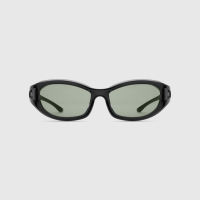
BLUE ELEPHANT ARZA Sunglasses UV400 Protection Korean Unisex Eyewear
₱2,999.00
Buy on Lazada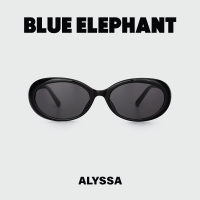
BLUE ELEPHANT ALYSSA Sunglasses UV400 Protection Korean Unisex Eyewear
₱3,999.00
Buy on Lazada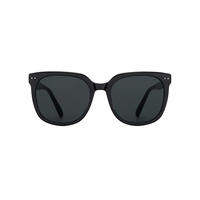
BLUE ELEPHANT HANI Sunglasses UV400 Protection Korean Unisex Eyewear
₱2,999.00
Buy on Lazada
BLUE ELEPHANT KONA Sunglasses UV400 Protection Korean Unisex Eyewear
₱2,699.10₱2,999.00
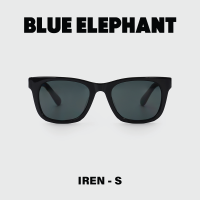
BLUE ELEPHANT IREN-S Sunglasses UV400 Protection Korean Unisex Eyewear
₱3,999.00
Buy on Lazada
BLUE ELEPHANT NIXIE Sunglasses UV400 Protection Korean Unisex Eyewear
₱2,999.00
Buy on Lazada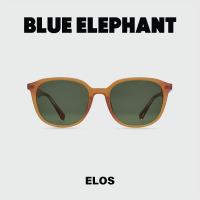
BLUE ELEPHANT ELOS Sunglasses UV400 Protection Korean Unisex Eyewear
₱2,549.15₱2,999.00
About Blue Elephant
Overview
Blue Elephant is an international Thai culinary brand best known for its Thai heritage restaurants, cooking schools, premium Thai food products, and promotion of Thai gastronomy and culture. Founded in 1980 in Brussels, Belgium, the brand was created by Master Chef Nooror Somany Steppe and her husband, Belgian art dealer and businessman Karel Steppe, together with Thai partners. Over more than four decades, Blue Elephant has developed from a single European Thai restaurant into a broader culinary group with restaurants, cooking education, food manufacturing, exports, catering, and culinary consulting.1
| Category | Information |
|---|---|
| Brand name | Blue Elephant |
| Founded | 1980 |
| Place of origin | Brussels, Belgium |
| Founder / culinary figurehead | Master Chef Nooror Somany Steppe |
| Co-founder | Karel Steppe |
| Industry | Restaurants, food & beverage, culinary education, packaged foods |
| Cuisine | Thai / Thai Heritage Cuisine |
| Core positioning | Premium, authentic Thai gastronomy |
| Major activities | Restaurants, cooking schools, food products, manufacturing, export, catering and consulting |
| International reach | Products distributed in 45+ countries across 5 continents |
| Headquarters / Thai base | Thailand |
| Major Thai locations | Bangkok and Phuket |
| Notable international restaurant locations | Malta and Copenhagen |
The brand describes itself as a “Thai Culinary Ambassador” and emphasizes the preservation and international promotion of Thai culinary heritage.1
History
Origins: Belgium, 1970s–1980
The story of Blue Elephant began before the restaurant itself existed. Nooror Somany met Karel Steppe, a Belgian art dealer and businessman, while she was studying in Belgium during the 1970s. Their shared interest in Thailand, food, and culture eventually led them to establish a Thai restaurant.
In 1980, Nooror, Karel, and their Thai partners Khun Chai Wayno and Somboon Insusri opened the first Blue Elephant restaurant in Brussels. This was significant because Thai cuisine was still relatively unfamiliar to many European diners at the time. Blue Elephant therefore became one of the early establishments helping introduce Thai cuisine to an international European audience.1
Expansion into Europe
Blue Elephant expanded beyond Brussels during the 1980s. In 1984, the group established a trade office in Bangkok to help supply its European restaurants with fresh Thai ingredients. In 1986, it opened its first franchise in London.
This supply-chain strategy became an important part of the brand’s identity: rather than simply adapting Thai cuisine to European tastes, Blue Elephant sought to maintain a connection with Thai ingredients and culinary traditions. In 1996, the company opened its first production facility in Belgium, serving as a central kitchen for the restaurant network and producing ready meals for the European market.
Return to Thailand
A major turning point came when Chef Nooror returned to Thailand to develop the group’s activities in her home country. In 2002, Blue Elephant opened a restaurant and cooking school in Bangkok. This established Thailand as the brand’s culinary “home base” while retaining the international orientation developed in Europe.
The Bangkok operation subsequently became one of the best-known expressions of the Blue Elephant concept, combining high-end Thai dining, historical surroundings, culinary education, and Thai cultural heritage. In 2006, the group opened Blue Spice, its food-production operation in Pathum Thani, Thailand. The facility became the manufacturing base for the brand’s packaged Thai food products. A Phuket restaurant and cooking school followed in 2010. More recently, Blue Elephant opened its Sukhumvit restaurant in Bangkok in 2024, expanding its presence within the Thai capital.
Master Chef Nooror Somany Steppe
At the center of Blue Elephant is Master Chef Nooror Somany Steppe. Born in Chachoengsao, Thailand, Nooror developed her relationship with Thai cuisine from childhood. According to Blue Elephant, her mother was known for making fresh and fragrant curry pastes, including a family Massaman curry recipe that became part of Nooror’s culinary heritage.
Nooror’s philosophy is strongly centered on Thai ingredients, historical recipes, and regional culinary traditions. Rather than treating Thai food simply as a restaurant category, she approaches it as an expression of Thai history and culture. Her culinary interests include recipes associated with Thailand’s royal kitchens as well as traditional dishes from different regions of the country. This philosophy is reflected in Blue Elephant’s use of the term “Thai Heritage Cuisine.”1
She has also received an honorary Master of Arts degree from Kasetsart University and a Prime Minister Exporter Award.
Culinary Philosophy
Blue Elephant’s core philosophy can broadly be summarized as Thai heritage combined with premium ingredients, culinary history, and international accessibility. The brand emphasizes the use of high-quality and fresh ingredients and says it works with Thai agricultural initiatives, including the Royal Thai Projects and organic producers.
Its cuisine is positioned differently from mass-market Thai food. Blue Elephant emphasizes:
- Traditional Thai recipes
- Royal Thai cuisine
- Regional Thai culinary traditions
- Premium Thai ingredients
- Traditional curry pastes and sauces
- Historical recipes
- Contemporary presentations of traditional dishes
- Thai cultural storytelling
At its Bangkok Sathorn restaurant, for example, the menu includes dishes inspired by royal cuisine alongside creations developed by Chef Nooror, including her signature Massaman lamb.
Restaurants
Restaurants remain one of the most visible parts of Blue Elephant. The company’s current restaurant portfolio includes locations in Bangkok, Phuket, Malta, and Copenhagen.
Bangkok Sathorn
The Sathorn restaurant is one of Blue Elephant’s flagship locations. It occupies a century-old colonial-style mansion on South Sathorn Road. The building is listed by Thailand’s Fine Arts Department, giving the restaurant an architectural and historical dimension in addition to its food. The restaurant specializes in what Blue Elephant calls Royal Thai Cuisine and offers both à-la-carte dishes and tasting menus.
Bangkok Sukhumvit
The Sukhumvit restaurant opened in 2024 and represents a newer chapter for the brand in Bangkok. It is located in an approximately 80-year-old wooden house on Sukhumvit 13, with a garden setting. The concept combines Blue Elephant’s Thai heritage cuisine with a more contemporary environment.
Phuket
Blue Elephant Phuket is housed in the historic Phra Pitak Chinpracha mansion in Phuket Town, an example of restored Sino-Portuguese architecture. The location is particularly appropriate for the brand because Phuket has its own distinctive culinary heritage, and the restaurant highlights both traditional and historical Phuketian flavors.
International Locations
Blue Elephant has maintained its international restaurant presence. The current official site lists restaurants in Malta and Copenhagen, demonstrating the brand’s continued European and international orientation.
Cooking Schools
Blue Elephant Cooking Schools form another important part of the brand. Their purpose is to teach people how to prepare Thai dishes while explaining the ingredients, techniques, and cultural background behind them.1
This creates a distinctive business model: instead of simply selling Thai food, Blue Elephant also sells Thai culinary knowledge and experience. Cooking classes can therefore be viewed as part of the brand’s broader cultural mission, allowing customers to reproduce Thai dishes at home and understand the traditions behind them.
Food Products
Another major division of Blue Elephant is its packaged-food business. The company’s Thai Premium range includes products such as:
- Curry pastes
- Thai cooking sets
- Curry sauces
- Seasoning sauces
- Wok ingredients
- Dressings and sauces
- Snacks and tea
- Dried spices
- Rice and noodles
The company describes these products as 100% made in Thailand and positions them as a way for consumers to recreate Blue Elephant-style Thai cooking at home.1 This product business allows Blue Elephant to reach consumers who may never visit one of its restaurants.
Manufacturing and International Distribution
Blue Elephant’s food-production activities are centered in Thailand. The group’s Blue Spice factory in Pathum Thani was established in 2006 and serves as its manufacturing arm. According to Blue Elephant, its products are now exported to more than 45 countries across five continents.
This makes Blue Elephant effectively a vertically integrated Thai culinary brand, with activities spanning ingredients, product development, manufacturing, restaurants, cooking education, catering, consulting, and international distribution.
Brand Identity
Blue Elephant’s brand identity is strongly connected to Thai cultural heritage. Rather than positioning itself simply as a Thai restaurant, the company presents itself as a representative or ambassador of Thai gastronomy. Its restaurants frequently combine food with historical architecture, traditional design, and storytelling.1
The result is a premium hospitality concept in which the customer experience includes food, architecture, history, ingredients, and Thai culture. This is particularly visible in its Bangkok Sathorn and Phuket locations, both of which operate from historically significant buildings.1
Business Model
Blue Elephant operates as a multi-channel culinary brand rather than a conventional restaurant chain. Its business activities are divided into several areas:
- Fine dining: Premium Thai restaurants.
- Culinary education: Thai cooking schools and classes.
- Consumer packaged goods: Curry pastes, sauces, spices, cooking sets, and other Thai ingredients.
- Manufacturing: Production of its packaged food range.
- International distribution: Exporting Thai food products worldwide.
- Catering and events: Culinary services outside the restaurants.
- Consulting: Thai culinary expertise and knowledge sharing.
Blue Elephant describes this as a “360º Thai culinary expertise” approach.
Timeline
| Year | Milestone |
|---|---|
| 1980 | First Blue Elephant restaurant opens in Brussels |
| 1984 | Bangkok trade office established to supply Thai ingredients to European restaurants |
| 1986 | First Blue Elephant franchise opens in London |
| 1996 | First production facility established in Belgium |
| 2002 | Blue Elephant restaurant and cooking school opens in Bangkok |
| 2006 | Blue Spice production facility opens in Pathum Thani, Thailand |
| 2010 | Blue Elephant restaurant and cooking school opens in Phuket |
| 2024 | Blue Elephant Sukhumvit opens in Bangkok |
Distinctive Characteristics
Blue Elephant’s main distinction is that it combines restaurant hospitality with culinary heritage and food manufacturing. While many Thai restaurant brands focus primarily on dining, Blue Elephant attempts to build an entire ecosystem around Thai cuisine. A customer can encounter the brand in several different ways: eating at a restaurant, attending a cooking class, buying curry paste, preparing a Blue Elephant recipe at home, or experiencing Thai cuisine through catering and other culinary services.
Its long history also gives it an unusual position: the brand originated in Europe while being deeply rooted in Thai culinary culture. The founders used Belgium as the starting point for introducing Thai cuisine internationally, before developing Thailand into the group’s culinary center.1
Legacy
After more than four decades, Blue Elephant has evolved from a single Brussels restaurant founded in 1980 into an international Thai culinary enterprise. Its legacy is closely associated with Chef Nooror Somany Steppe, whose career has focused on communicating Thai cuisine and culture to international audiences. The brand’s continuing emphasis on heritage recipes, premium Thai ingredients, cooking education, and international distribution reflects that original mission.
Blue Elephant is best understood not merely as a Thai restaurant chain, but as a global Thai culinary and cultural brand. Its identity rests on the idea that Thai food can be presented as both a sophisticated international cuisine and an expression of Thailand’s history, regional traditions, and cultural heritage.
Note: “Blue Elephant” is also used by unrelated businesses, including an eyewear company and a boutique in the United States. This profile refers specifically to the Thai culinary brand founded in Brussels in 1980 by Chef Nooror Somany Steppe and Karel Steppe.2