Shop on Lazada
Bobbi Brown products
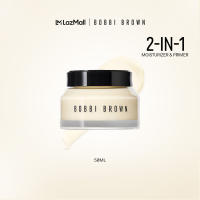
【NEW】Bobbi Brown Vitamin Enriched Face Base+ | All-in-One Moisturizer & Makeup Primer with Niacinamide Vitamin C & Hyaluronic Acid
₱4,250.00
Buy on Lazada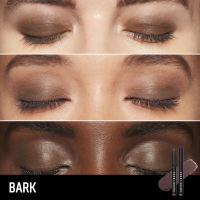
Bobbi Brown Long-Wear Cream Shadow Stick | One-Swipe Eyeshadow 24 Hour Non-Creasing Wear
₱2,250.00
Buy on Lazada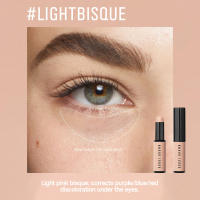
Bobbi Brown Skin Corrector Stick | Neutralize Discoloration and Brighten Undereye Non-Creasing Concealer
₱2,600.00
Buy on Lazada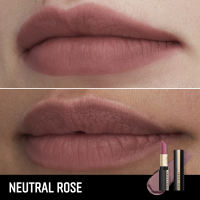
Bobbi Brown Luxe Cashmere Matte Lipstick | Hydrating Ultra-Matte Formula Pigmented Soft-Matte Finish
₱2,650.00
Buy on Lazada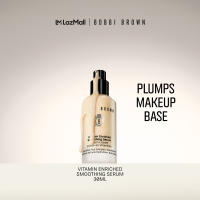
Bobbi Brown Vitamin Enriched Smoothing Serum | milky essence long-term hydration skin prep before make up
₱4,500.00
Buy on Lazada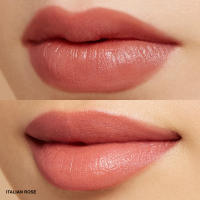
Bobbi Brown Crushed Lip Color / hydrating lipstick with long wear formula for satin matte finish – best seller makeup
₱2,150.00
Buy on Lazada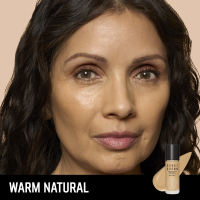
Bobbi Brown Weightless Skin Foundation SPF 15 PA++ | Long-Wear 24 Hour Moisture Natural Matte Oil-Control
₱3,400.00
Buy on Lazada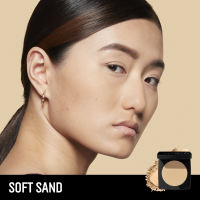
Bobbi Brown Sheer Finish Pressed Powder | Setting & Blurring Oil Controlling Colour Matte Make Up Finish
₱2,950.00
Buy on LazadaAbout Bobbi Brown
Overview
Bobbi Brown Cosmetics is an American prestige beauty brand established by makeup artist Bobbi Brown in 1991 in New York City. The label gained prominence for its philosophy of natural-looking, effortless makeup designed to enhance rather than mask individual features. Today, Bobbi Brown Cosmetics operates as a global makeup and skincare brand under The Estée Lauder Companies.1
| Category | Details |
|---|---|
| Brand name | Bobbi Brown Cosmetics |
| Founder | Bobbi Brown |
| Founded | 1991 |
| Origin | New York City, United States |
| Industry | Cosmetics, skincare, beauty |
| Parent company | The Estée Lauder Companies |
| Positioning | Prestige / premium beauty |
| Core philosophy | Natural, effortless, confidence-enhancing beauty |
| Known for | Complexion products, foundation, lip color, eye products, skincare-makeup hybrids |
| Original name | Bobbi Brown Essentials |
| Signature approach | Makeup that looks like skin rather than covering it |
| Global presence | More than 60 countries2 |
The Founder: Bobbi Brown
Bobbi Brown is a professional makeup artist, entrepreneur, author, and prominent figure in the beauty industry. Before establishing her cosmetics company, she trained in theatrical makeup at Emerson College in Boston before relocating to New York to work professionally. She subsequently built a career in editorial and fashion photography, collaborating with leading photographers and magazines.3
Her brand philosophy was partly shaped by dissatisfaction with prevailing beauty trends of the 1980s, which often emphasized strong contouring, dramatic colors, and heavy coverage. Brown advocated instead for makeup that allowed skin and lips to retain their natural appearance.2
Brown’s basic beauty philosophy
Rather than focusing on how makeup could transform a face, Bobbi Brown’s approach centered on the question: “How can makeup make you look like the best version of yourself?” This distinction became a defining characteristic of the brand.
Founding of Bobbi Brown Cosmetics
The brand originated with lipstick. Around 1990, Brown collaborated with a chemist to develop ten wearable, brown-based lipstick shades intended to resemble natural lip tones rather than obvious cosmetic colors.4
This collection launched in 1991 under the name Bobbi Brown Essentials at Bergdorf Goodman in New York City. The launch exceeded expectations significantly; while Brown anticipated selling approximately 100 lipsticks in the first month, she sold roughly 100 units on the first day alone.2 This initial commercial success validated the market potential of her natural beauty concept.
The Natural-Makeup Revolution
Bobbi Brown entered the market during a pivotal moment in beauty history. While much of the prestige makeup industry traditionally emphasized transformation through dramatic colors and standardized ideals, Brown offered an alternative focused on wearability and empowerment.
The Bobbi Brown concept
The brand’s philosophy emphasized skin that still looks like skin, natural-looking complexions, wearable lip colors, undertone-aware foundation, simple application, and products designed to be used together for everyday life. This approach eventually became a major influence on what is now commonly referred to as “no-makeup makeup.”
Foundation and Undertones
A significant innovation followed shortly after the initial lipstick launch. In 1992, the brand introduced foundation sticks featuring yellow-based, undertone-conscious shades.5 The objective was to create foundation that matched the natural undertones of skin rather than relying solely on surface color.
Historically, foundation selections were often limited and could appear overly pink, gray, or orange on certain skin tones. Bobbi Brown’s approach asserted that skin tone matching requires accounting for undertone, not just light, medium, or dark classifications. This philosophy remains central to the brand’s complexion positioning. The Estée Lauder Companies describes Bobbi Brown as a prestige brand known for undertone-correct makeup and skincare products.6
Acquisition by Estée Lauder
The brand’s rapid growth led to its acquisition by The Estée Lauder Companies in 1995. Bobbi Brown remained closely involved with the brand for many years following the acquisition, retaining creative influence over product development and business direction.7
Strategic impact
For Bobbi Brown, the acquisition provided access to global distribution, retail infrastructure, manufacturing resources, marketing capabilities, and international expansion. For Estée Lauder, the addition of Bobbi Brown brought a distinctive brand centered on makeup artistry, natural beauty, accessible luxury, complexion expertise, and professional credibility. Bobbi Brown Cosmetics remains part of the Estée Lauder Companies portfolio today.1
Expansion Beyond Lipstick
Following its initial success with lip color, Bobbi Brown expanded into a comprehensive makeup ecosystem. Major categories eventually included:
Face
- Foundations
- Concealers
- Powders
- Blush
- Bronzers
- Highlighters
Eyes
- Eyeshadow
- Eyeliner
- Mascara
- Brow products
- Eyeshadow sticks
Lips
- Lipstick
- Lip gloss
- Lip liner
- Tinted lip products
Skincare
- Moisturizers
- Cleansers
- Makeup removers
- Primers
- Skincare-prep products
The brand notably blurred the boundary between skincare and makeup, developing products intended to prepare the skin prior to application. Its skincare line debuted in 1995, coinciding with the Estée Lauder acquisition.8
Iconic Products
Several products have become strongly associated with the Bobbi Brown brand.
Vitamin Enriched Face Base
The Vitamin Enriched Face Base is one of the brand’s most recognizable products. Functioning as a moisturizing makeup-prep product, it embodies the philosophy that good makeup begins with properly prepared skin. The Estée Lauder Companies identifies it as a major bestseller, reporting based on internal data from April 2024 to March 2025 that one unit is sold globally approximately every 11 seconds.1
Long-Wear Cream Shadow Stick
The Long-Wear Cream Shadow Stick became a signature product due to its convenient stick format and ease of application. It reflects the broader Bobbi Brown principle that professional makeup artistry should be simple enough for ordinary consumers to use.
Shimmer Brick
Introduced as a permanent part of the line in 2003, the Shimmer Brick combines multiple complementary shades in a single compact, allowing users to mix colors for highlighting and complexion enhancement.8
Brand Philosophy
The brand is defined by several central ideas.
Enhance, don’t hide
Bobbi Brown’s fundamental philosophy holds that makeup should enhance natural beauty rather than conceal it.5
Real skin
Complexion products are designed around the premise that skin should retain a natural, healthy appearance rather than looking heavily covered.
Inclusivity
Shade diversity has been integral to the brand’s identity since its early foundation products. The shade philosophy centers on finding colors that correspond to different natural undertones.5
Ease
Although rooted in professional makeup artistry, the brand deliberately translates technical skills into accessible routines. The modern brand describes this as “easy artistry,” utilizing a small number of practical products to achieve a polished look.4
Confidence
The brand’s philosophy increasingly connects makeup with confidence and individuality rather than conventional beauty standards.
Pretty Powerful
Pretty Powerful represents one of the brand’s major social and marketing initiatives. Based on the belief that makeup should contribute to confidence and personal empowerment, the campaign launched in 2010 featuring real women from diverse backgrounds rather than exclusively conventional models.2
In 2013, the Pretty Powerful Campaign for Women & Girls expanded this philosophy into an initiative supporting nonprofit organizations focused on empowering women and girls through education.9 This initiative helped position Bobbi Brown as a brand connecting beauty with self-confidence, independence, and personal identity.
Retail Expansion
Bobbi Brown originally operated primarily through department stores and specialty beauty retailers. Over time, it developed dedicated retail locations and professional makeup spaces. The brand opened its first freestanding store in Auckland, New Zealand, in 2011, incorporating a makeup school into the location.10
Distribution subsequently expanded internationally through retailers including Sephora, Macy’s, Saks Fifth Avenue, Neiman Marcus, Bloomingdale’s, Harrods, Selfridges, Douglas, Lane Crawford, Isetan, and Takashimaya. The brand’s international website states that Bobbi Brown is available in more than 60 countries.2
Bobbi Brown Leaves Her Namesake Brand
After more than two decades with the company, Bobbi Brown announced her departure from the namesake brand in 2016. This marked the end of her direct creative leadership. However, the brand continued under Estée Lauder’s ownership, maintaining many principles established during her tenure. It is important to distinguish that Bobbi Brown the person and Bobbi Brown Cosmetics are no longer the same business entity; the cosmetics brand remains an Estée Lauder property, while Brown herself pursued other ventures.
Bobbi Brown After Bobbi Brown Cosmetics
Following her departure, Brown returned to the beauty industry with a separate venture. In 2020, she launched Jones Road Beauty, a distinct company focused on simple, multipurpose products and a natural makeup philosophy.11
| Bobbi Brown Cosmetics | Jones Road |
|---|---|
| Founded in 1991 | Founded in 2020 |
| Part of Estée Lauder Companies | Independent brand founded by Bobbi Brown |
| Bobbi Brown’s original namesake brand | Brown’s later beauty venture |
| Larger global prestige-beauty infrastructure | More independent/direct-to-consumer positioning |
| Broad makeup + skincare portfolio | Strong emphasis on simple, multipurpose beauty |
Jones Road is not a continuation of ownership of Bobbi Brown Cosmetics but rather Brown’s subsequent independent beauty venture.
Brand Positioning
Bobbi Brown occupies a distinct position within the beauty market as a prestige brand with a philosophy generally less theatrical than brands associated with dramatic makeup. Its appeal traditionally stems from combining professional makeup artistry, premium products, and everyday usability. Rather than selling the fantasy of becoming someone else, the brand promotes looking polished, healthy, natural, and confident.
Target Consumer
Historically, Bobbi Brown has appealed to consumers seeking natural-looking makeup, high-quality complexion products, sophisticated yet wearable colors, easy routines, professional-looking results, and products suitable for everyday use across different ages and skin tones. While not exclusively an older demographic brand, its simplified application techniques, cream formulations, and skin-focused philosophy have also resonated with younger consumers interested in minimalist or “clean girl” aesthetics.
Visual Identity
Bobbi Brown’s branding has traditionally emphasized minimalism and sophistication. The visual identity avoids excessive ornamentation, favoring black and neutral packaging, clean typography, understated luxury, editorial photography, skin-focused imagery, and professional makeup artistry. This aesthetic reinforces the product philosophy that makeup should be noticeable because the wearer looks good, not because the cosmetics themselves are visually overwhelming.
Influence on Beauty
The brand’s historical significance extends beyond sales figures. Bobbi Brown helped popularize several concepts that are now mainstream in the beauty industry:
- Natural-looking complexion: Establishing the expectation within prestige cosmetics that foundation should look like skin.
- Undertone-based matching: Making the selection of foundation according to undertone a standard aspect of beauty education.
- No-makeup makeup: Contributing to the modern preference for subtle, skin-like makeup through the natural makeup movement.
- Makeup for real life: Emphasizing practical makeup for daily wear rather than solely editorial or runway looks.
- Makeup as confidence: Consistently connecting cosmetics with self-expression and confidence rather than merely correcting perceived imperfections.
Relationship with Estée Lauder Companies
Bobbi Brown Cosmetics currently belongs to The Estée Lauder Companies (ELC), a major global prestige beauty group. ELC’s portfolio includes Estée Lauder, Clinique, M·A·C, La Mer, Aveda, Jo Malone London, Tom Ford Beauty, Too Faced, The Ordinary, and Bobbi Brown Cosmetics. Corporate filings specifically describe Bobbi Brown Cosmetics as a global prestige beauty brand known for high-quality, undertone-correct makeup and skincare products.6
Competitive Identity
The brand’s competitive identity is built around five pillars:
- Makeup artistry: Founded by a professional makeup artist.
- Natural beauty: Rejects the notion that makeup must dramatically transform the face.
- Complexion expertise: Prioritizes foundation, undertones, and skin preparation.
- Ease of use: Designs products to translate professional techniques into everyday routines.
- Confidence and individuality: Presents beauty as personal rather than a standardized ideal.
Timeline
| Year | Milestone |
|---|---|
| 1980 | Bobbi Brown begins working professionally as a makeup artist in New York.12 |
| 1990 | Brown develops 10 wearable lipstick shades with a chemist. |
| 1991 | Bobbi Brown Essentials launches at Bergdorf Goodman with 10 lipsticks.2 |
| 1992 | Foundation Stick launches with a distinctive undertone-focused approach.5 |
| 1995 | Estée Lauder acquires Bobbi Brown Cosmetics; skincare line also launches.8 |
| 1996 | BobbiBrownCosmetics.com launches.8 |
| 1997 | Brown publishes Bobbi Brown Beauty. |
| 2003 | Shimmer Brick becomes a permanent part of the product line.8 |
| 2010 | Pretty Powerful campaign launches.2 |
| 2011 | First freestanding Bobbi Brown Cosmetics store opens in Auckland.10 |
| 2013 | Pretty Powerful Campaign for Women & Girls launches.9 |
| 2016 | Bobbi Brown leaves her namesake company. |
| 2020 | Brown launches Jones Road Beauty as a separate brand.11 |
| Today | Bobbi Brown Cosmetics continues as a global Estée Lauder prestige beauty brand.1 |
References
- Bobbi Brown Cosmetics – The Estée Lauder Companies Inc.
- Bobbi’s Story | Bobbi Brown Belgium E-commerce Site
- About Bobbi | Bobbi Brown South Africa E-commerce Site
- Our Brand Story
- Heritage | Bobbi Brown – Official Site
- el-20240630
- Life’s Work: An Interview with Bobbi Brown
- Bobbi’s History | Bobbi Brown 香港官方網店
- Bobbi’s Story | Bobbi Brown 台灣官網
- Bobbi Brown
- Bobbi Brown Is Back in the Game
- About Bobbi | Bobbi Brown Belgium E-commerce Site