Shop on Lazada
Lifebuoy products
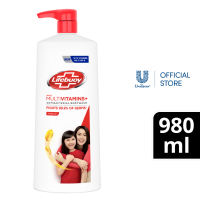
Lifebuoy Antibacterial Body Wash with Multivitamins+ Total 10 980ml
₱440.89₱508.00
![[BUNDLE OF 2] Lifebuoy Antibacterial Hand Wash with Multivitamins+ Total 10 394ml Refill](https://ph-live.slatic.net/p/b2338914fda633760006b0f9de070c27.png_200x200q80.jpg)
[BUNDLE OF 2] Lifebuoy Antibacterial Hand Wash with Multivitamins+ Total 10 394ml Refill
₱343.15₱396.00
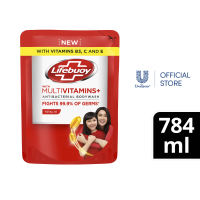
Lifebuoy Antibacterial Body Wash with Multivitamins+ Total 10 784ml Refill
₱318.71₱368.00
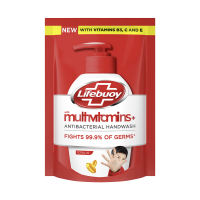
Lifebuoy Antibacterial Hand Wash Total 10 394ml Refill
₱172.10₱213.00
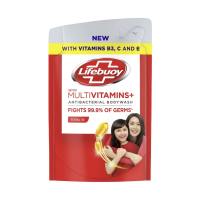
Lifebuoy Antibacterial Bodywash Refill Total 10 450ml
₱150.00₱175.00
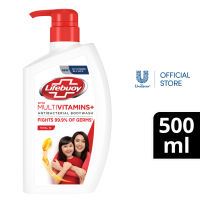
Lifebuoy Antibacterial Body Wash with Multivitamins+ Total 10 500ml
₱288.17₱332.00
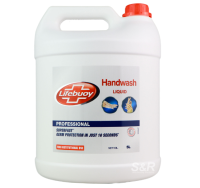
Lifebuoy Professional Liquid Hand Wash 5L
₱2,999.00
Buy on Lazada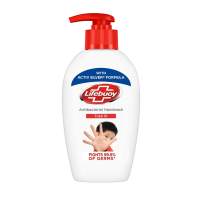
Lifebuoy Antibacterial Hand Wash Total 10 200ml - Pack of 2
₱155.00₱175.00
About Lifebuoy
Lifebuoy is a personal-care brand of British origin best known for its soap and hygiene products, particularly those positioned around germ protection, handwashing, and everyday cleanliness. Owned by Unilever, the brand has evolved from a 19th-century disinfectant soap into a global hygiene label sold across numerous markets.1
Brand Overview
| Information | Details |
|---|---|
| Brand | Lifebuoy |
| Industry | Personal care / Hygiene |
| Main products | Soap, body wash, handwash and other hygiene products |
| Founded / launched | 1894 |
| Place of origin | United Kingdom |
| Original company | Lever Brothers |
| Current owner | Unilever |
| Original product | Lifebuoy Royal Disinfectant Soap |
| Original positioning | Disinfection, cleanliness and protection from disease |
| Modern positioning | Germ protection, hand hygiene and family health |
| Major markets | Asia, Africa, Latin America, Middle East and other markets |
| Notable identity | Red-colored soap and strong association with hygiene |
| Official website | Lifebuoy.com |
While some secondary sources list the launch date as 1895, Unilever’s historical archives record the introduction of Lifebuoy Royal Disinfectant Soap in 1894.1
History
Origins
Lifebuoy was created by William Hesketh Lever and Lever Brothers in Britain during the Victorian era, a period when infectious diseases and poor sanitation were significant public-health challenges. Having already established itself with products such as Sunlight Soap, Lever Brothers aimed to make cleanliness accessible to ordinary people. Lifebuoy was introduced in 1894 as Lifebuoy Royal Disinfectant Soap, designed around the concept of affordable hygiene and disinfection.1
The original formulation contained carbolic acid (phenol), which gave the soap a distinctive medicinal scent. This characteristic helped differentiate the product from standard household soaps and reinforced its positioning as a disinfectant.1 The name “Lifebuoy” was chosen to evoke protection and lifesaving, with early packaging featuring imagery associated with maritime rescue to strengthen this protective identity.
Merger into Unilever
Lifebuoy was originally a Lever Brothers brand. Established by William Hesketh Lever and his brother James, Lever Brothers became one of Britain’s leading soap manufacturers. In 1930, the company merged with the Dutch firm Margarine Unie to form Unilever, bringing Lifebuoy into what would become one of the world’s largest consumer-goods portfolios.1 This corporate lineage establishes Lifebuoy as one of Unilever’s longest-standing global brands.
Product Evolution
The Original Formulation
Early Lifebuoy differed substantially from modern variants. It was marketed primarily as a disinfectant and health soap rather than a cosmetic or beauty product. Historical advertising promoted its use for both personal washing and household cleaning.1 Key characteristics included:
- A strong carbolic scent
- A red or orange-red appearance
- A recognizable bar shape
- An emphasis on cleanliness and disinfection
- Strong medicinal associations
- Affordable pricing
Consequently, the brand’s identity was built around protection rather than luxury.
Transition to Everyday Hygiene
As consumer expectations shifted, the strong medicinal smell of the original carbolic soap became less appealing. During the 1950s, Lifebuoy introduced new formulations and fragrances to provide a softer, more pleasant user experience, moving further away from the original carbolic base.2 This marked a strategic transition from a disinfectant soap to a health soap, and eventually to an everyday hygiene brand, allowing Lifebuoy to remain relevant as the market evolved.
Visual Identity
The brand’s red color remains one of its most enduring visual assets. The red bar helped differentiate Lifebuoy from competitors and, combined with hygiene-focused advertising, created a recognizable identity that persisted for generations. This visual cue became particularly significant in major markets such as India and Indonesia, where Lifebuoy developed into a dominant mass-market hygiene brand.
Regional Markets
India
India is one of Lifebuoy’s most critical markets, where the brand forged a strong association between soap, health, physical wellbeing, and family protection. A famous advertising jingle, “Tandurusti ki raksha karta hai Lifebuoy,” linked the product to tandurusti (health and physical wellbeing), making it culturally iconic. Hindustan Unilever records indicate that this jingle achieved major popularity beginning in the 1960s. Over time, the Indian portfolio expanded beyond the traditional red bar to include multiple soap varieties and other hygiene products.
Indonesia
Indonesia represents another vital market for the brand. According to Lifebuoy Indonesia, the brand has been present in the country for approximately 90 years, dating back to around 1934.2 Its positioning has consistently focused on protecting families through better hygiene and encouraging healthy habits. Campaigns in Indonesia have addressed handwashing, family health, children’s health, hygiene education, disease prevention, and community health. Unilever Indonesia describes Lifebuoy’s core promise as centering on better protection, with health-education initiatives forming a key part of its local activities.2
Global Presence
Lifebuoy is sold in nearly 60 countries, with particular strength across Asia, Africa, Latin America, and the Middle East.1 Markets with strong historical associations include India, Indonesia, Pakistan, Bangladesh, Sri Lanka, and various nations in South and Southeast Asia, Africa, and Latin America. The brand’s prominence in emerging markets is closely tied to its mass-market pricing and focus on basic hygiene.
Public Health and Social Mission
Handwashing Advocacy
A defining aspect of Lifebuoy’s modern history is its shift from simply selling soap to promoting handwashing behavior. Educational programs teaching proper handwashing techniques date back to the early 20th century; in the 1930s, for example, the brand developed school programs emphasizing handwashing at critical moments such as before meals.2 Today, Unilever describes Lifebuoy’s mission as improving handwashing habits, specifically at critical times like before eating and after using the toilet.
Social Mission
Unlike many soap brands that focus exclusively on beauty or fragrance, Lifebuoy has traditionally emphasized a progression from cleanliness to germ protection, health, and family wellbeing. Unilever categorizes Lifebuoy as one of its Sustainable Living Brands, with a purpose connected to saving lives through handwashing with soap. The brand actively participates in global hygiene initiatives, including activities associated with Global Handwashing Day.2
Historically, Lifebuoy’s development coincided with expanding scientific understanding of sanitation and infectious disease. The original product was introduced amid concerns over diseases such as cholera, and subsequent advertising repeatedly linked soap use with better hygiene.1 In the 21st century, the brand continues to present handwashing as a practical behavior for reducing illness, operating at the intersection of consumer goods, personal hygiene, and public-health education.
Products
Although Lifebuoy began with a single disinfectant soap, the portfolio has expanded significantly. Depending on the country, offerings may include:3
Bar Soaps
The traditional category remains the brand’s most recognizable product line. Modern bars are available in multiple variants with different fragrances and formulations.
Liquid Handwash
Lifebuoy expanded into liquid handwashing products as consumer preferences shifted toward liquid formats.
Body Wash
The brand has also entered the liquid body-cleansing category.
Specialized Hygiene Variants
Different markets offer products tailored to specific needs, such as antibacterial protection, freshness, moisturizing, or family use. Because Unilever adapts its portfolio to individual markets, the exact Lifebuoy product range differs from country to country.3
Brand Positioning and Identity
Lifebuoy occupies a distinct position compared to beauty-oriented soap brands. Its traditional positioning can be summarized as “protection through hygiene.” While brands such as Dove historically emphasize skin care and beauty, Lifebuoy emphasizes:
- Germ protection
- Clean hands
- Family health
- Everyday hygiene
- Disease prevention
- Freshness
- Affordable hygiene
Target Market
Lifebuoy has historically targeted mass-market consumers, particularly families. Its positioning is designed to make effective hygiene accessible at an affordable price rather than as a premium luxury.1 The target audience includes parents, children, students, everyday soap users, and consumers concerned with germ protection, especially in developing and emerging markets.
Key Identity Markers
Several characteristics are strongly associated with the brand:
- Red Color: The most recognizable visual trait, especially in traditional bar soap.
- Lifebuoy Symbol: The name evokes a life preserver, reinforcing safety and protection.
- Hygiene Messaging: Consistent communication linking the product to cleanliness and germ protection.
- Family-Oriented Communication: Advertising often presents hygiene as a means of protecting the entire family.
- Educational Focus: Frequent use of educational messaging about handwashing and health, distinguishing it from lifestyle-focused brands.
Brand Evolution
| Period | Brand Identity |
|---|---|
| 1890s–early 1900s | Disinfectant / carbolic soap |
| Early–mid 20th century | Health and hygiene soap |
| Late 20th century | Mass-market family soap |
| 21st century | Global hygiene and germ-protection brand |
Throughout these stages, the fundamental promise has remained consistent: cleanliness protects health.
Major Historical Milestones
| Year | Event |
|---|---|
| 1894 | Lifebuoy Royal Disinfectant Soap launched in Britain |
| 1895 | Lifebuoy introduced in the United States |
| 1914–1918 | Brand campaigns encouraged sending soap to soldiers during WWI |
| 1921 | “Mother as Health Doctor” campaign launched in the US |
| 1930s | School hygiene education programs developed |
| 1930 | Lever Brothers merged with Margarine Unie to form Unilever |
| 1933 | Red Lifebuoy soap variant introduced |
| 1950s | Formulation, fragrance and consumer positioning evolved |
| 1960s | Lifebuoy became strongly established in India |
| 1966 | Mint Refresher introduced |
| 2000s | Major global handwashing and health campaigns expanded |
| 2007 | Large hygiene intervention study conducted with families in Mumbai |
| 2020s | Brand continued expanding its hygiene and germ-protection positioning |
Historical dates are drawn primarily from Unilever and Lifebuoy archival and corporate sources.12
Relationship With Unilever
Today, Lifebuoy is part of Unilever’s Beauty & Wellbeing / Personal Care portfolio. The brand’s history spans more than 130 years, beginning with Lever Brothers in Victorian Britain and continuing under Unilever in the modern global consumer-goods industry.1
Criticism and Historical Context
Lifebuoy’s history must be understood within the context of evolving scientific and consumer standards. The original product contained phenol/carbolic acid, a substance not characteristic of modern formulations. The brand’s original medicinal positioning belongs to a different era of chemistry and public health.4 Modern Lifebuoy products should not be equated with the 1894 formulation. Furthermore, claims regarding germ elimination or protection depend on specific modern formulations, regulatory environments, and usage instructions. The historical identity of the brand is broader than the technical properties of any single current product.
Current Status
Today, Lifebuoy functions as a global hygiene brand rather than merely a soap manufacturer. Its portfolio has expanded well beyond the original bar soap, while communication continues to emphasize handwashing, cleanliness, and protection. Its long-term evolution can be summarized as follows:
1894: “Disinfect with Lifebuoy.”
20th century: “Use Lifebuoy to stay clean and healthy.”
21st century: “Make hand hygiene part of everyday life.”
This continuity helps explain why Lifebuoy remains one of the most recognizable names in the global soap market.