Shop on Lazada
Calvin Klein products
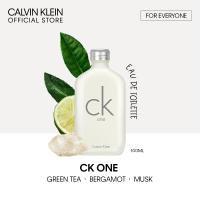
Calvin Klein CK One Eau De Toilette 100ml - EDT For Everyone (Unisex Perfume) | Fragrance for Men/Women
₱4,498.00
Buy on Lazada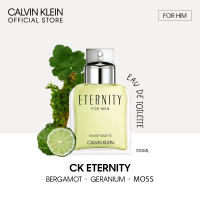
Calvin Klein Eternity For Men Eau De Toilette 100ml - EDT For Him (Male Perfume) | Fragrance for Men
₱5,998.00
Buy on Lazada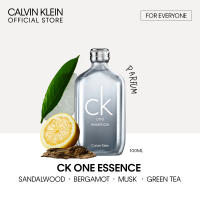
Calvin Klein CK One Essence 30th Anniversary Parfum 100ml - For Everyone (Unisex Perfume) | Fragrance for Men/Women
₱5,098.00
Buy on Lazada
Calvin Klein CK Be Eau De Toilette 200ml - EDT For Everyone (Unisex Perfume) | Fragrance for Men/Women
₱5,798.00
Buy on Lazada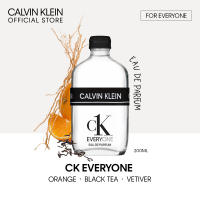
Calvin Klein CK Everyone Eau De Parfum 200ml - EDP For Everyone (Unisex Perfume) | Fragrance for Men/Women
₱6,698.00
Buy on Lazada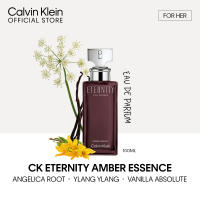
Calvin Klein Eternity Amber Essence for Women 100ml - EDP For Her (Female Perfume) | Fragrance for Women
₱6,698.00
Buy on Lazada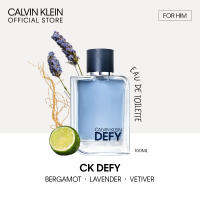
Calvin Klein Defy Eau De Toilette For Men 100ml - EDT For Him (Male Perfume) | Fragrance for Men
₱6,398.00
Buy on Lazada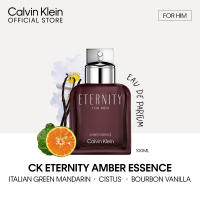
Calvin Klein Eternity Amber Essence for Men 100ml - EDP For Him (Male Perfume) | Fragrance for Men
₱7,198.00
Buy on LazadaAbout Calvin Klein
Calvin Klein (often abbreviated CK) is an American fashion and lifestyle brand founded in New York City in 1968 by designer Calvin Klein and his business partner Barry K. Schwartz. The label gained international prominence through its minimalist clothing, provocative advertising campaigns, designer denim, underwear, fragrances, and distinctive logo usage. Today, Calvin Klein is owned by PVH Corp. and operates as one of the company’s two major global brands 1.
As of 2026, Calvin Klein positions itself as a global fashion lifestyle brand centred on minimalism, sensuality, individuality, and cultural relevance. Its product range spans underwear, jeans, apparel, accessories, footwear, fragrances, watches, jewellery, eyewear, and home-related products, distributed through a combination of directly operated stores and licensed businesses 2.
Infobox
| Information | Details |
|---|---|
| Brand name | Calvin Klein |
| Common abbreviation | CK |
| Founded | 1968 |
| Founder | Calvin Klein |
| Co-founder/business partner | Barry K. Schwartz |
| Founded in | New York City, United States |
| Industry | Fashion and lifestyle |
| Parent company | PVH Corp. |
| Headquarters | New York City |
| Major categories | Apparel, denim, underwear, accessories, footwear, fragrances, watches, jewellery, eyewear, home |
| Brand positioning | Modern, minimalist, sensual, accessible/premium lifestyle |
| Global Brand President | David Savman |
| Major brand lines | Calvin Klein, Calvin Klein Jeans, Calvin Klein Underwear, Calvin Klein Performance |
| 2025 global retail sales | Approximately US$9 billion |
| Website | CalvinKlein.com |
PVH reported approximately $9 billion in global retail sales for Calvin Klein products in 2025 3.
History
Foundation
Calvin Klein was born in New York in 1942 and studied at the Fashion Institute of Technology. After gaining experience in the New York fashion industry, he established his own company in 1968 with Barry K. Schwartz. The original business focused primarily on coats and other relatively clean, sophisticated ready-to-wear clothing 4.
From the outset, the brand’s design philosophy differed markedly from the heavily decorated European fashion of the era. Klein emphasised clean lines, restrained silhouettes, neutral colours, simplicity, and understated luxury. This philosophy eventually became the foundation of the Calvin Klein identity. The company’s own historical description summarises the approach as “minimalism in service of sensuality”, using simplicity rather than ornamentation to create an emotional effect 5.
Rise of the Calvin Klein Brand
During the 1970s, Calvin Klein expanded from coats into sportswear, dresses, suits, and other ready-to-wear categories. One of the company’s most significant innovations was its approach to designer denim. In 1976, Calvin Klein became the first designer to feature denim on a runway, helping to transform jeans from primarily functional or casual clothing into a fashion product 6. This was a pivotal moment in American fashion, as it blurred the traditional distinction between everyday clothing and designer fashion.
Calvin Klein became particularly adept at taking ordinary wardrobe items and making them appear desirable, sophisticated, and sexy. This concept would become central to the company’s future trajectory.
The 1980s: Jeans and Underwear
The 1980s were arguably the decade that transformed Calvin Klein from a successful American designer label into a global cultural phenomenon.
Calvin Klein Jeans
Calvin Klein helped establish designer jeans as a major fashion category. Instead of treating denim simply as workwear or casual clothing, CK marketed jeans as objects of fashion and sexuality. The simple CALVIN KLEIN logo became an integral part of the product itself.
Designer Underwear
The brand subsequently revolutionised the underwear category. Calvin Klein underwear combined simple construction, high-visibility branding, modern cuts, neutral colours, sensual advertising, and the recognisable elastic CK waistband. The result was a new concept: underwear as fashion. Rather than being hidden beneath clothing, the underwear itself became a visible part of a person’s identity and style. Calvin Klein describes its underwear business as helping to establish a new standard for designer underwear during the 1980s 7.
Advertising and Controversy
Advertising became one of Calvin Klein’s greatest competitive advantages. The company became famous for campaigns that were minimalist, sexually provocative, youth-oriented, visually stark, celebrity-driven, and culturally controversial. Instead of merely displaying clothes, Calvin Klein frequently sold a lifestyle and attitude. The advertising often focused on the human body, sexuality, confidence, and youth.
This approach generated enormous attention but also controversy. Some campaigns were criticised for sexualising young people or using provocative imagery. Nevertheless, the campaigns helped establish Calvin Klein as more than a clothing company; the advertising itself became part of popular culture.
Brooke Shields and the 1980s
One of the most famous Calvin Klein campaigns featured a young Brooke Shields in 1980. The campaign’s provocative approach attracted substantial media attention and helped cement the idea that Calvin Klein jeans could be marketed through sexuality and celebrity rather than traditional fashion photography. The campaign became an important example of the brand’s broader advertising strategy: minimal clothing, a recognisable logo, and a provocative personality. This formula proved highly influential in fashion advertising.
The 1990s: Calvin Klein Becomes a Global Icon
The 1990s are often considered the period in which Calvin Klein’s minimalist aesthetic became one of the defining visual languages of contemporary fashion. The brand’s image became closely associated with white T-shirts, jeans, underwear, slip dresses, simple tailoring, monochrome colours, visible logos, sensual photography, and youthful models. Calvin Klein itself describes the 1990s as a period in which the brand’s minimalism “defined an era”.
The brand’s influence extended beyond clothing into photography, music, celebrity culture, and advertising.
CK One
Another major milestone came in 1994 with the launch of CK One. Marketed as a gender-neutral/unisex fragrance, it was an unusually inclusive concept for its time. Its minimalist bottle and youthful advertising perfectly matched the Calvin Klein identity. The fragrance became a major commercial and cultural success. Following its debut, CK One was selling at a rate of approximately 20 bottles per minute and helped redefine the fragrance industry’s approach to gender.
CK One became more than a perfume; it represented the 1990s cultural movement toward unisex fashion, individuality, and blurred gender boundaries.
The Calvin Klein Logo
The CALVIN KLEIN name itself became one of the brand’s most recognisable visual assets. The logo is deliberately simple, generally appearing in a clean sans-serif typeface. Unlike brands that rely heavily on elaborate symbols, Calvin Klein can often communicate its identity simply through the words “CALVIN KLEIN” or the initials “CK”. This reflects the larger design philosophy of the brand: remove unnecessary decoration and allow the name, silhouette, and product to carry the identity.
The logo became particularly powerful on underwear waistbands, jeans, T-shirts, hoodies, bags, fragrances, and accessories.
Product Categories
Today, Calvin Klein is considerably broader than the original fashion house.
Apparel
The core clothing business includes T-shirts, shirts, sweaters, knitwear, jackets, coats, dresses, skirts, trousers, tailoring, and loungewear. The aesthetic generally emphasises uncomplicated silhouettes and recognisable CK branding.
Denim
Calvin Klein Jeans is one of the brand’s most recognisable divisions. Products include straight jeans, slim jeans, relaxed jeans, denim jackets, denim shirts, denim skirts, and denim accessories. The company continues to draw on its historical association with designer denim.
Underwear
Calvin Klein Underwear is arguably the brand’s most internationally recognisable product category. Its signature elements include elastic logo waistbands, cotton underwear, bras and bralettes, briefs, boxer briefs, trunks, thongs, and loungewear. The waistband itself has become an instantly recognisable fashion symbol.
Accessories
Calvin Klein also sells products such as handbags, wallets, belts, shoes, sneakers, sunglasses, watches, and jewellery.
Fragrance
Calvin Klein has a substantial fragrance business, including famous scents such as CK One, CK Be, Eternity, Obsession, and Euphoria. Many of these fragrances continue the brand’s emphasis on sexuality, minimalism, and modern identity.
Home
Calvin Klein has also extended its name into home-related products through licensing and other commercial arrangements.
Brand Architecture
The modern Calvin Klein business contains several related labels. PVH currently identifies major Calvin Klein brands including Calvin Klein, Calvin Klein Jeans, Calvin Klein Underwear, Calvin Klein Performance, and CK Calvin Klein 9. These labels allow the company to reach different consumers and price points while maintaining a common visual and philosophical identity.
Design Philosophy
Calvin Klein’s design philosophy can be summarised through several key concepts.
Minimalism
The brand removes unnecessary decoration. Instead of elaborate embroidery, excessive patterns, or complicated construction, CK frequently relies on shape, fabric, proportion, and logo.
Sensuality
Sexuality has been part of Calvin Klein’s identity since the company’s early advertising campaigns. However, sensuality is usually expressed through body-conscious silhouettes, exposed skin, photography, styling, and simplicity, rather than excessive decoration.
American Fashion
Calvin Klein is fundamentally an American fashion brand, with New York City deeply embedded in its identity. The company describes itself as having translated American fashion roots to a global audience 10.
Everyday Luxury
One of CK’s most important ideas is turning ordinary products into fashion objects. A T-shirt, pair of jeans, pair of underwear, hoodie, or slip dress can become desirable through design, branding, and cultural positioning. This is why the brand often describes its mission in terms of elevating everyday essentials to globally iconic status.
Calvin Klein and Celebrity Culture
Celebrity partnerships have been central to Calvin Klein’s marketing strategy. Over the decades, campaigns have featured or been associated with numerous influential figures from fashion, film, music, and popular culture. The modern brand continues this strategy by working with globally recognisable cultural figures. For example, in 2026 Calvin Klein launched a major collaboration with Jung Kook of BTS, using his image and cultural influence to reinterpret the brand’s denim and other icons 8.
This illustrates an important evolution in CK marketing:
- 1980s: Provocative models and celebrity advertising
- 1990s: Supermodels and pop culture
- 2000s: Global celebrity culture
- 2010s–2020s: Social media, musicians, actors, and global digital communities
#mycalvins
In 2014, Calvin Klein introduced #mycalvins, a social-media-driven campaign encouraging consumers to show themselves wearing Calvin Klein products. It represented an important shift from traditional advertising to user-generated cultural participation. Instead of simply telling consumers what Calvin Klein looked like, the campaign encouraged consumers themselves to become part of the brand’s visual identity. This approach helped CK remain relevant in an era where fashion brands increasingly communicate through Instagram, TikTok, and other digital platforms.
Ownership by PVH
Calvin Klein is no longer an independent company controlled by its founder. PVH Corp. acquired Calvin Klein in 2003. PVH is a major American apparel company whose portfolio includes Calvin Klein and TOMMY HILFIGER. The acquisition gave Calvin Klein access to a much larger international commercial and operational infrastructure. In turn, Calvin Klein became one of PVH’s most important global brands. PVH’s current strategy is centred on developing Calvin Klein and TOMMY HILFIGER as its two major global lifestyle brands 15.
Calvin Klein Today
As of 2026, Calvin Klein remains a major global fashion and lifestyle brand. PVH reports approximately $9 billion in global retail sales for Calvin Klein products in 2025, including products sold through licensees 15. The brand continues to operate across North America, Europe, Asia-Pacific, Latin America, the Middle East, and other international markets. Its strategy combines physical retail, wholesale distribution, e-commerce, and licensed products.
Recent expansion has included new flagship retail concepts. For example, Calvin Klein opened a new global flagship in Tokyo’s Harajuku district in August 2025 9, followed by a new flagship in SoHo, New York 10.
Current Leadership
The current Global Brand President of Calvin Klein is David Savman, who assumed the position in May 2025 12. Savman succeeded Eva Serrano, who had led the brand beginning in 2023. PVH’s current leadership structure also includes Jonathan Bottomley, who serves as Global Chief Marketing Officer for Calvin Klein while also holding broader consumer and brand-strategy responsibilities at PVH 13.
Sustainability and Circularity
In recent years, Calvin Klein has increasingly emphasised sustainability and circularity. One example is Re-Calvin, a take-back programme launched in the United States in 2025. The programme allows consumers to return used clothing, shoes, and accessories for potential donation, recycling, downcycling, or other forms of responsible disposal. It also accepts certain intimate apparel, including underwear and swimwear 11. This represents an evolution from the brand’s historical focus on design and marketing toward a broader concern with the lifecycle of products.
Cultural Significance
Calvin Klein’s importance extends beyond fashion. The brand helped change how Western culture viewed several categories of clothing.
- Jeans: CK helped establish denim as a designer fashion category.
- Underwear: It helped make underwear something consumers could deliberately purchase for its brand identity and aesthetic, rather than merely functionality.
- Fragrance: CK One helped popularise the idea that fragrance could be marketed around unisex identity rather than strictly male/female categories.
- Advertising: Calvin Klein helped make fashion advertising more closely connected with celebrity, sexuality, photography, and popular culture.
- Minimalism: The brand played a major role in making minimalist American fashion commercially powerful.
Why Calvin Klein Is So Recognisable
The extraordinary strength of Calvin Klein comes from the consistency of its brand codes. The brand is often recognisable without a complicated logo due to a combination of minimalism, sexuality, New York heritage, denim, underwear, simple typography, celebrity culture, and American lifestyle. Few fashion brands have managed to turn such ordinary objects into such recognisable cultural products. A plain white T-shirt with a small CK logo can communicate the brand almost as effectively as a runway collection.
Calvin Klein vs. Calvin Klein the Person
An important distinction exists between the individual and the entity:
- Calvin Richard Klein, the American fashion designer born in 1942.
- Calvin Klein, the fashion and lifestyle brand founded by him in 1968.
Although the brand carries his name, the designer himself is no longer responsible for the company’s day-to-day creative direction. The modern Calvin Klein business is operated under PVH Corp. 14.
Legacy
Calvin Klein’s lasting legacy can be summarised as the transformation of simplicity into a luxury and cultural language. Before Calvin Klein, jeans were primarily associated with casual and working-class clothing, underwear was normally invisible, advertising was generally less integrated with celebrity and sexuality, and unisex fragrance was less mainstream. Calvin Klein helped change all four.
Its greatest achievement was arguably not creating a particular garment, but creating a recognisable way of presenting everyday life. The brand made simple things desirable, ordinary things iconic, underwear into fashion, denim into a designer product, and minimalism into identity. That is why Calvin Klein remains one of the most influential American fashion brands of the late 20th and early 21st centuries.
Summary
Calvin Klein is an American fashion and lifestyle brand founded in New York City in 1968 by designer Calvin Klein and Barry K. Schwartz. It became famous for its minimalist aesthetic, designer denim, iconic underwear, provocative advertising, and fragrances such as CK One. During the 1980s and 1990s, Calvin Klein became one of the defining American fashion brands, helping transform jeans and underwear into major fashion categories and using sexuality, celebrity, and minimalism as powerful branding tools. Acquired by PVH in 2003, the company today operates globally across apparel, denim, underwear, accessories, fragrances, and other lifestyle categories. With approximately $9 billion in 2025 global retail sales, Calvin Klein remains one of the world’s most recognisable fashion brands, built around the enduring ideas of minimalism, sensuality, individuality, and American modernity 16.
References
- Calvin Klein
- About Calvin Klein® | Customer Service | Calvin Klein®
- About Calvin Klein | Customer Service | Calvin Klein®
- pvh-20260201
- Calvin Klein
- Calvin Klein
- About Calvin Klein – Our Brand and Story | Calvin Klein
- Calvin Klein and Jung Kook Recast the Brand’s Icons with New Collaboration
- Calvin Klein, Inc. Unveils New Global Flagship Store in Tokyo, Harajuku
- Calvin Klein Unveils New Global Flagship Store in SoHo, New York City
- Calvin Klein Inc. launches Re-Calvin take-back program in the United States, making circularity more accessible
- PVH Corp. Announces Leadership Update
- PVH Corp. annonce un changement de direction
- Calvin Klein
- Société
- About Calvin Klein – Our Brand and Story | Calvin Klein