Shop on Lazada
Cannondale products

Cannondale Suede Cush Bar Tape 4mm thickness
₱990.00₱1,100.00
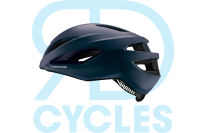
Cannondale Intake MIPS Bicycle Helmet
₱4,000.00₱5,000.00

Cannondale Junction MIPS Bicycle Helmet
₱3,600.00₱4,500.00
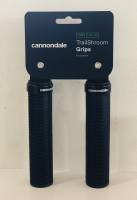
Cannondale TrailShroom Bike Grips and GeoTrail Bike Grips
₱900.00₱1,000.00

Cannondale Trail Bicycle Helmet
₱1,600.00₱2,000.00

Cannondale KnurlCork Bar Tape 2.7mm thickness Lightweight EVA foam and cork combine with a contemporary knurled texture twist
₱900.00₱1,000.00

CANNONDALE - C2 SEATPOST Di2 BLACK with Shim
₱1,100.00
Buy on Lazada
Cannondale Gripper Bubbles Bottle
₱400.00₱500.00
About Cannondale
Overview
Cannondale is an American bicycle manufacturer recognized for producing high-performance road, mountain, gravel, urban, and electric bicycles. Established in 1971 in Connecticut, United States, the company became a significant force in the modern cycling industry through its focus on innovation, unconventional engineering, and advanced materials 1. Cannondale is particularly noted for pioneering large-diameter aluminum frames, carbon-fiber technology, the distinctive Lefty single-sided suspension fork, and other engineering solutions that challenged traditional design norms 2.
Today, Cannondale operates as part of Pon Holdings and remains one of the world’s most recognized premium bicycle brands 2.
| Category | Details |
|---|---|
| Brand name | Cannondale |
| Full company name | Cannondale Bicycle Corporation |
| Founded | 1971 |
| Founders | Joe Montgomery, Murdoch MacGregor, and Ron Davis |
| Origin | Wilton, Connecticut, United States |
| Industry | Bicycle manufacturing |
| Products | Road bikes, mountain bikes, gravel bikes, hybrid bikes, e-bikes, cycling accessories |
| Parent company | Pon Holdings |
| Reputation | Innovation, performance, unconventional engineering |
History
Foundation (1971–1980s)
Cannondale was founded in 1971 in Wilton, Connecticut. The company did not originally begin as a bicycle manufacturer; its initial products were outdoor and cycling accessories, including camping equipment and bicycle-related gear.
One of its earliest successes was the Bugger, an innovative bicycle trailer introduced in the early 1970s. This product helped establish Cannondale as a creative entity within the outdoor recreation market 3. The name “Cannondale” was derived from the Cannondale train station area in Wilton, Connecticut, adopted by the founders to reflect the location where the company was established 4.
Entry into Bicycle Manufacturing
In the early 1980s, Cannondale transitioned from accessories to manufacturing complete bicycles. The company gained attention by introducing bicycles with oversized aluminum frames at a time when most manufacturers still relied heavily on steel.
Its first production bicycle, the ST500 touring bike, was launched in 1983. The use of aluminum construction gave Cannondale bikes a reputation for being lightweight, stiff, and performance-oriented 5. Throughout the 1980s and 1990s, Cannondale became a leading proponent of aluminum as a serious alternative to traditional steel bicycle frames.
Design Philosophy
Cannondale’s identity has consistently centered on questioning traditional bicycle engineering. The brand’s philosophy emphasizes:
- Innovative materials
- Advanced frame construction
- Rider-focused geometry
- Unique engineering solutions
- Performance-driven design
The company has frequently introduced technologies considered unconventional upon release. While some designs were initially controversial, many subsequently influenced the wider bicycle industry 1.
Major Innovations
Aluminum Frames
Cannondale played a pivotal role in popularizing high-performance aluminum bicycle frames. Its large-diameter aluminum tubing created frames that were significantly lighter and stiffer than many traditional steel designs. The company’s CAAD (Cannondale Advanced Aluminum Design) series became one of the most respected aluminum road-bike platforms in cycling history.
Lefty Fork
One of Cannondale’s most recognizable innovations is the Lefty suspension fork. Unlike conventional mountain-bike forks with two legs, the Lefty utilizes a single-sided structure developed to reduce weight while maintaining stiffness and performance. It stands as a symbol of the brand’s willingness to challenge conventional bicycle design.
HeadShok Suspension
Prior to the Lefty, Cannondale introduced the HeadShok suspension system. Instead of a traditional telescopic fork design, HeadShok employed a cartridge-based system integrated directly into the bicycle’s head tube, becoming known for smooth operation and innovative engineering.
BB30 Bottom Bracket
Cannondale introduced the BB30 bottom bracket standard, designed to improve drivetrain stiffness and reduce weight. This technology influenced numerous subsequent bicycle frame designs across the industry.
KingPin Suspension
For gravel and endurance riding, Cannondale developed KingPin, a lightweight rear suspension concept used on models such as the Topstone Carbon. The system provides additional comfort without utilizing a traditional rear shock.
SmartSense
Cannondale introduced SmartSense, an integrated bicycle safety system combining lights, radar, and electronic components to enhance rider awareness and visibility 6.
Product Categories
Road Bikes
Cannondale road bikes are engineered for racing, endurance riding, and performance cycling. Popular models include:
- SuperSix EVO — Lightweight race-oriented carbon road bike
- Synapse — Endurance road bike designed for long-distance comfort
- CAAD series — High-performance aluminum road bikes
Mountain Bikes
Cannondale produces mountain bikes for cross-country racing, trail riding, and aggressive off-road use. Major models include:
- Scalpel — Lightweight cross-country race bike
- Habit — Trail mountain bike
- Jekyll — Long-travel enduro mountain bike
Gravel Bikes
Cannondale has become a major player in the gravel category. The Topstone family is one of its best-known gravel platforms, featuring versions with aluminum frames, carbon frames, and KingPin suspension technology 6.
Electric Bikes
Cannondale also manufactures electric bicycles, including urban commuter e-bikes, electric mountain bikes, electric gravel bikes, and electric fitness bikes. These models combine traditional bicycle engineering with modern battery and motor systems.
Racing Heritage
Cannondale maintains a long history in professional cycling, having supported professional road racing teams and mountain-bike athletes. The brand uses competition as a testing environment for new technologies. Cannondale bicycles have appeared in major international competitions, including road racing events, Mountain Bike World Cups, gravel competitions, and Olympic-level cycling events.
Corporate History
Cannondale experienced significant financial difficulties in the early 2000s following an expansion into motorcycle manufacturing. The company filed for bankruptcy protection in 2003, and its assets were subsequently acquired.
In 2008, Cannondale was purchased by Dorel Industries, which integrated the brand into its cycling division. In 2022, Pon Holdings acquired Dorel Sports, bringing Cannondale under Pon’s bicycle portfolio 2.
Brand Image and Reputation
Cannondale is frequently described as one of cycling’s most innovative and experimental brands. Its reputation is built around specific strengths and faces distinct criticisms.
Strengths
- Engineering innovation
- High-performance bicycles
- Strong racing heritage
- Advanced aluminum and carbon technology
- Unique designs
Criticism
- Some early innovations were considered overly complex
- Premium pricing compared with mainstream brands
- Certain proprietary technologies created maintenance challenges
Despite these points, Cannondale remains highly respected among enthusiasts, racers, and professional cyclists.
LAB71: Premium Line
Cannondale’s LAB71 represents its highest-performance product range. LAB71 models focus on premium carbon construction, advanced materials, lightweight engineering, and limited-production performance bicycles. This line serves as Cannondale’s technology showcase and represents the brand’s pursuit of maximum performance 7.
Legacy
Cannondale’s significance in cycling stems from its willingness to experiment. While many bicycle companies adhered to established design conventions, Cannondale repeatedly introduced ideas that altered expectations regarding bicycle materials, suspension, and frame engineering.
From aluminum racing frames in the 1980s to modern carbon racing machines and smart electric bicycles, Cannondale’s history is defined by innovation and a readiness to challenge traditional cycling design 1.