Shop on Lazada
Crayola products
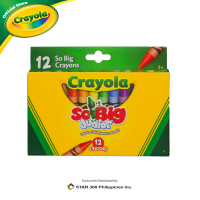
Crayola Crayons So Big Junior 12s
₱242.00
Buy on Lazada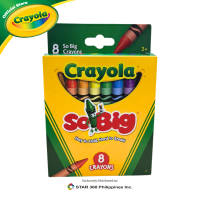
Crayola Crayons So Big Regular 8s
₱159.00
Buy on Lazada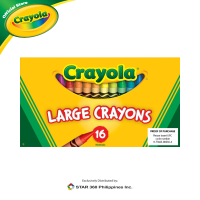
Crayola Crayons Large 16s
₱253.00
Buy on Lazada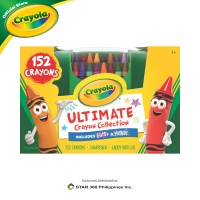
Crayola Crayons 152s Ultimate Collection
₱1,999.00
Buy on Lazada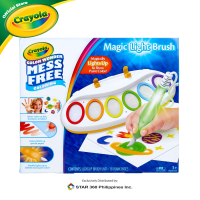
Crayola Color Wonder Mess Free Magic Light Brush Kit 3.0
₱2,599.00
Buy on Lazada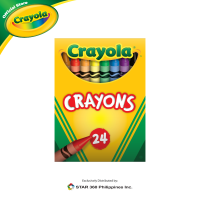
Crayola Crayons 24s
₱114.00
Buy on Lazada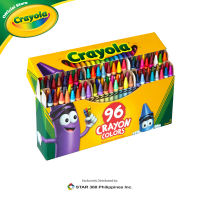
Crayola Crayons 96s
₱599.00
Buy on Lazada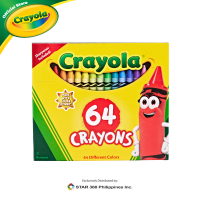
Crayola Crayons 64s
₱386.00
Buy on LazadaAbout Crayola
Overview
| Category | Information |
|---|---|
| Brand Name | Crayola |
| Founded | 1903 |
| Original Company | Binney & Smith |
| Headquarters | Easton, Pennsylvania |
| Industry | Art supplies, educational products, creative toys |
| Parent Company | Hallmark Cards |
| Products | Crayons, markers, colored pencils, paints, modeling clay, craft supplies, educational tools |
| Markets | Worldwide (80+ countries) |
Crayola is an American brand best known for its crayons, markers, colored pencils, paints, modeling compounds, and other creative art supplies for children, students, teachers, hobbyists, and families. Founded in 1903, the brand has become one of the world’s most recognizable names in creative expression and educational art materials. Today, Crayola products are sold in more than 80 countries, and the company continues to expand into toys, digital creativity, entertainment, and educational experiences.
History
Origins (1885)
The story of Crayola began in 1885 when cousins Edwin Binney and C. Harold Smith formed the company Binney & Smith. Initially, the company did not make crayons. Instead, it manufactured:
-
Red oxide pigment for barn paint
-
Carbon black for printing ink
-
Pigments for automobile tires
Their expertise in pigments eventually led them to develop safe coloring products for children. [1]
Birth of the Crayola Brand (1903)
In 1903, Binney & Smith introduced the first box of Crayola Crayons. The original box contained:
-
8 colors
-
Non-toxic wax crayons
-
Price: 5 cents
The first colors included:
-
Red
-
Orange
-
Yellow
-
Green
-
Blue
-
Violet
-
Brown
-
Black
The name Crayola was created by Alice Binney, wife of Edwin Binney. She combined:
-
Craie (French for “chalk”)
-
Oleaginous (meaning oily)
forming the word:
Crayola [1]
Growth
Throughout the 20th century, Crayola expanded from crayons into many categories, including:
-
Washable markers
-
Colored pencils
-
Watercolor paints
-
Poster paints
-
Modeling compounds
-
Sidewalk chalk
-
Craft kits
-
Creativity toys
-
School supplies
The company became a trusted classroom brand and a household name across North America and beyond. [1]
Hallmark Acquisition
In 1984, Hallmark Cards acquired Binney & Smith as a wholly owned subsidiary. The acquisition enabled Crayola to grow internationally while maintaining its focus on creativity and education. [1]
Becoming Crayola LLC
Although the brand had long been known as Crayola, the corporate name remained Binney & Smith until 2007, when it officially changed to Crayola LLC to better align with its flagship brand. [1]
Mission
Crayola’s mission centers on inspiring creativity and helping people of all ages express themselves through art. The company emphasizes creative learning, imagination, and self-expression in homes, schools, and communities. [1]
Major Product Categories
Crayola offers a broad range of products, including:
Crayons
Its signature product, available in many box sizes and specialty collections.
Markers
Including washable, broad-line, fine-line, glitter, scented, and dry-erase varieties.
Colored Pencils
Used by students, artists, and hobbyists.
Paints
Watercolor, tempera, acrylic, finger paints, and washable paints.
Modeling Materials
Such as air-dry clay, modeling compounds, and sculpting products.
Craft Supplies
Paper, scissors, glue, stickers, and activity kits.
Educational Products
Resources and supplies designed for classrooms and creative learning. [1]
Famous Product Lines
Some of Crayola’s best-known product lines include:
-
Crayola Crayons
-
Ultra-Clean Washable Markers
-
Colored Pencils
-
Silly Putty
-
Air-Dry Clay
-
Model Magic
-
Colors of the World
-
Glitter Crayons
-
Metallic Crayons
-
Twistables [1]
Manufacturing
Crayola manufactures billions of crayons annually. Traditional crayons are primarily made from:
-
Paraffin wax
-
Color pigments
The company reports producing over 3 billion crayons each year. [1]
Colors
One of Crayola’s defining features is its extensive color library. Over the years, it has:
-
Introduced hundreds of new colors
-
Retired certain colors
-
Held public naming contests
-
Released limited-edition colors
-
Expanded inclusive color collections such as Colors of the World
Some iconic Crayola colors include:
-
Cerulean
-
Burnt Sienna
-
Periwinkle
-
Macaroni and Cheese
-
Robin’s Egg Blue
-
Wild Strawberry
-
Razzmatazz
-
Dandelion (later retired and reintroduced in a limited edition) [2]
Crayola Experience
Crayola has expanded beyond products with Crayola Experience attractions, where visitors can explore interactive exhibits, creative activities, and demonstrations centered around art and color. [1]
Sustainability
Crayola states that it manufactures many of its products using 100% renewable energy at its major facilities and continues to invest in environmentally responsible production practices. [1]
Global Presence
Today, Crayola products are available across North America, Europe, Asia, Australia, Latin America, and many other regions, serving homes, schools, and educational institutions in more than 80 countries. [1]
Fun Facts
-
The first box of Crayola crayons sold for 5 cents.
-
Crayola did not invent the crayon; it popularized affordable, child-safe wax crayons. [1]
-
The company has inspired creativity for more than 120 years.
-
Crayola has become one of the most recognizable educational brands in the world.
-
Many retired Crayola colors have become collectibles among enthusiasts. [2]
Legacy
Crayola has played a significant role in art education and childhood creativity for generations. From its iconic yellow-and-green crayon boxes to its expanding portfolio of art materials, educational resources, and creative experiences, the brand remains synonymous with imagination, learning, and colorful self-expression. [1]