Shop on Lazada
Cricut products
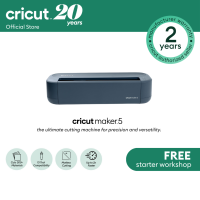
Cricut Maker 5 Bundle | Sticker Maker Vinyl Cutter Engrave Deboss Cut Wood Fabric Pang Negosyo
₱23,999.00₱26,999.00
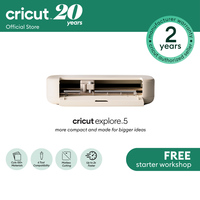
CRICUT Explore 5 Essential - Creme
₱14,999.00₱19,999.00
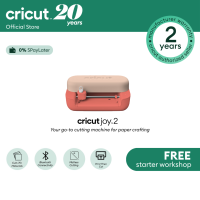
Cricut Joy 2 Essential Bundle | Sticker Maker & Vinyl Cutter DIY Craft Machine for Beginners
₱9,999.00₱10,500.00
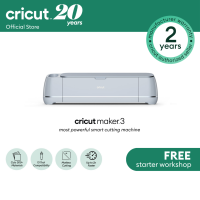
Cricut Maker 3 Smart Cutting Machine
₱17,999.00₱26,499.00
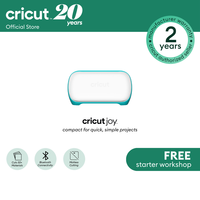
CRICUT Joy Compact and Portable Cutting MAchine
₱6,799.00₱9,500.00
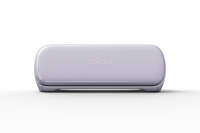
CRICUT Joy Xtra Bundle - Cutting Machine
₱9,999.00₱12,999.00
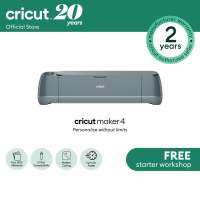
Cricut Maker 4 Bundle | Sticker Maker Vinyl Cutter Engrave Deboss Cut Wood & Fabric Pang Negosyo
₱20,699.00₱26,499.00
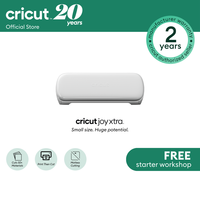
CRICUT Joy Xtra - Machine Only
₱9,999.00₱12,499.00
About Cricut
Overview
Cricut is an American consumer technology and crafting brand best known for its smart cutting machines, digital design software, craft materials, and accessories. Its products are designed to enable users to convert digital designs into physical, personalized objects such as cards, stickers, shirts, signs, home décor, gifts, and other DIY projects.1 As of 2026, Cricut increasingly describes itself not merely as a cutting-machine manufacturer, but as a creativity platform built around its machines, materials, accessories, and Cricut Design Space software.2
| Field | Information |
|---|---|
| Brand | Cricut |
| Company | Cricut, Inc. |
| Industry | Consumer technology, arts & crafts, DIY |
| Founded | 2006 as Cricut; corporate predecessor dates to 1969 |
| Original company name | Provo Craft & Novelty, Inc. |
| Current corporate name | Cricut, Inc. |
| Headquarters | South Jordan, Utah, United States |
| Key products | Cutting machines, heat presses, materials, tools, accessories, Design Space |
| Major software | Cricut Design Space |
| Public company | Yes |
| Stock ticker | NASDAQ: CRCT |
| Core market | DIY/crafting and personalized-product creation |
| Current positioning | Creativity platform |
| Parent/owner | Cricut, Inc. |
Cricut states that its corporate predecessor was incorporated in Utah in June 1969 as Provo Craft & Novelty, Inc., while the company celebrates 2006 as the beginning of the Cricut brand. The company changed its corporate name to Cricut, Inc. in March 2018 and went public on March 24, 2021, trading on Nasdaq under CRCT.3
What is Cricut?
Cricut is a brand focused on making digital-to-physical creativity easier. The central concept involves selecting or creating a design, sending it to a Cricut machine, and having the machine cut, draw, score, press, or decorate the material. Unlike a conventional printer, a Cricut machine can physically manipulate different materials. Depending on the model and tool being used, operations may include:
- Cutting
- Writing
- Drawing
- Scoring
- Foiling
- Debossing
- Engraving
- Decorative effects
- Heat transfer
- Cutting specialty materials
The company’s current portfolio includes the Cricut Joy, Cricut Explore, Cricut Maker, and Cricut Venture families.4
History
Origins
Cricut’s corporate history traces back to Provo Craft & Novelty, a Utah company incorporated in 1969. However, the modern Cricut brand emerged much later, in the mid-2000s.5 Cricut identifies 2006 as a significant starting point for the brand. In 2026, it celebrated its 20th anniversary, marking two decades of Cricut-branded creativity products.6
The original concept was to create a machine that could make sophisticated craft projects more accessible to ordinary consumers. Prior to Cricut, many cutting and lettering tasks relied on scissors, craft knives, punches, stencils, manual lettering, and specialized craft equipment. Cricut introduced a more automated approach where users could select digital designs and have a machine reproduce them accurately.
Early Cricut machines
The early Cricut ecosystem was particularly associated with physical cartridges containing collections of designs and fonts. This was a key component of the early business model, providing users with ready-made creative content rather than requiring them to design everything from scratch. Over time, Cricut transitioned toward a more software-centered ecosystem. This evolution eventually led to Cricut Design Space, the company’s current design and machine-control platform. Cricut describes the shift from physical cartridges to Design Space as a pivotal part of its history.7
Transition to a digital platform
One of the most significant changes in Cricut’s history was the move from a primarily hardware-and-cartridge model toward an integrated hardware + software + materials ecosystem. Today, Cricut Design Space serves as the central interface. Users can create or modify designs on Windows PCs, Mac computers, iPhones, iPads, and Android devices. The software communicates with compatible Cricut machines and translates designs into machine instructions.8
Consequently, Cricut no longer simply sells a cutting machine. It offers an ecosystem consisting of machines, software, materials, tools, accessories, digital content, and community. This ecosystem approach is central to the company’s current strategy.9
Cricut Design Space
Cricut Design Space is arguably the most critical component of Cricut’s modern ecosystem. It is the software through which users create designs, import images, use fonts, arrange objects, resize designs, prepare projects, select materials, configure machine operations, and send projects to their Cricut machines. Available across desktop and mobile platforms, Cricut describes it as the software at the center of its creativity platform.10
This software component provides Cricut with an advantage over standalone hardware manufacturers, as the company can continue adding features and capabilities through software updates. Cricut explicitly describes its cloud-based software as allowing it to update existing physical and digital products and introduce new products that integrate with the wider platform.11
Major Cricut machine families
Cricut Joy
The Cricut Joy family targets compact, relatively simple crafting projects. It is positioned for users seeking a smaller machine for everyday items such as labels, cards, small decals, stickers, and personalized items. The Joy family emphasizes portability and ease of use.
Cricut Explore
The Cricut Explore family occupies the mainstream portion of Cricut’s product lineup. Explore machines handle a broad range of common craft materials and are intended for projects including vinyl decals, cards, labels, iron-on designs, stickers, paper crafts, and home décor. Cricut’s 2025 annual filing notes that the Explore family pioneered capabilities such as calligraphy pens and sticker-making applications.12
Cricut Maker
The Cricut Maker family is designed for users requiring greater material and tool versatility. Maker machines support a wider range of tools and materials than basic models. Depending on the specific model and tool, they can work with paper, vinyl, fabric, leather, wood, foils, and certain metals or specialty materials. Cricut specifically highlights the Maker family’s ability to cut softwood and engrave metal.13
Cricut Venture
Cricut Venture is designed for larger-format projects. It extends Cricut’s cutting concept toward applications requiring larger designs, including large signs, event decorations, business signage, large apparel graphics, and oversized décor. It therefore occupies a distinct role compared to compact machines like the Joy.
Heat presses
Cricut’s ecosystem has expanded beyond cutting to include heat presses for transferring designs onto materials such as fabric. These products allow users to create T-shirts, sweatshirts, bags, hats, and other personalized apparel. In 2026, Cricut introduced the Cricut AutoPress 2, demonstrating that the company’s product strategy extends beyond cutting machines into apparel-production equipment.14
Materials and accessories
Hardware is only one part of the Cricut ecosystem. The company also sells a wide range of consumable materials and accessories.
Cutting materials
- Adhesive vinyl
- Iron-on/heat-transfer vinyl
- Cardstock
- Specialty papers
- Sticker materials
- Fabric
- Foils
- Specialty craft materials
Tools
- Blades
- Pens
- Scoring tools
- Foiling tools
- Engraving tools
- Cutting accessories
Machine accessories
- Mats
- Storage systems
- Replacement components
- Specialized attachments
This business model encourages customers to continue purchasing materials after acquiring a machine.
Applications
Cricut machines are used for a vast array of DIY projects. Typical examples include:
Paper crafts
- Greeting cards
- Invitations
- Scrapbooking
- Paper flowers
- Party decorations
Apparel
- T-shirts
- Hoodies
- Baby clothes
- Team shirts
- Personalized uniforms
Home décor
- Wall decals
- Signs
- Labels
- Decorative artwork
- Organization systems
Business products
- Product labels
- Packaging
- Signage
- Promotional merchandise
- Personalized products
Gifts
- Mugs
- Tumblers
- Personalized cards
- Gift boxes
- Custom decorations
Cricut cites examples ranging from personalized birthday cards, mugs, and T-shirts to large-scale interior decorations.15
Target customers
Cricut has traditionally appealed strongly to the DIY and crafting community. Its customer base includes hobby crafters, scrapbookers, parents, teachers, small-business owners, handmade-product sellers, graphic-design enthusiasts, DIY enthusiasts, event planners, personalized-gift creators, and apparel decorators.
A key characteristic of the brand is its attempt to serve both beginners and experienced makers. A beginner might use a ready-made Design Space project to create a birthday card, while an experienced user might design a complex multi-material project from scratch.
Business model
Cricut operates on an ecosystem model. The initial customer relationship often begins with a machine purchase, followed by potential purchases of additional machines, materials, tools, accessories, digital content, and optional software or subscription services. This creates recurring revenue opportunities rather than relying exclusively on replacement machines. Cricut’s filings describe the company’s products as an integrated ecosystem in which connected machines, accessories, materials, and Design Space work together.16
Cricut Access
Cricut Access is Cricut’s subscription offering associated with additional digital content and features. It provides users with access to a larger library of images, fonts, projects, and design resources. This represents an extension of the business beyond physical products into digital content and recurring subscription revenue. Notably, Cricut machines can be used without subscribing to Cricut Access; the subscription is an optional addition to the ecosystem.
Community
The Cricut community is a major component of the brand. Cricut has built its identity around people sharing their creations, learning techniques, and finding inspiration from fellow makers. This creates a feedback loop: Cricut machine leads to a project, which leads to community sharing, inspiring further projects. The company states that its users and their projects have played a major role in shaping its development and innovation.17 This community-driven identity distinguishes Cricut from many conventional consumer-electronics companies.
Brand philosophy
Cricut’s stated mission is to “Help people lead creative lives.”18 Its brand philosophy centers on making creativity accessible, personal, easy, meaningful, practical, and social. Cricut describes DIY creativity not simply as object-making, but as a means of self-expression, connection, celebration, and personal fulfillment.19
2026 repositioning
A significant development is Cricut’s 2026 brand repositioning. Historically, many consumers primarily associated Cricut with smart cutting machines. In June 2026, Cricut announced it was broadening its positioning to become a “creativity platform.” The company states this reflects an effort to move beyond awareness of its machines and emphasize the complete ecosystem surrounding Design Space, machines, materials, and services.20
The new strategic concept can be summarized as: Think it → Design it → Make it → Personalize it. This represents a shift in how Cricut intends consumers to understand the brand.
Corporate structure
Cricut today
As of 2026, Cricut describes itself as having a community of millions of users. Its 2025 annual filing reported approximately 5.9 million Active Users, defined as users who had a registered connected machine and used it to create a project within the previous 365 days.23
Its current ecosystem includes:
- Hardware: Cricut Joy, Cricut Explore, Cricut Maker, Cricut Venture, and heat presses.
- Software: Cricut Design Space.
- Consumables: Vinyl, iron-on, cardstock, specialty materials, and transfer materials.
- Tools: Blades, pens, scoring tools, engraving/foiling tools, mats, and accessories.
- Digital ecosystem: Design content, fonts, ready-to-make projects, and Cricut Access.
Significance
Cricut’s significance lies in its role in consumerizing digital fabrication. Traditional manufacturing equipment can be complicated, expensive, and intimidating. Cricut brought a simplified version of computer-controlled fabrication into ordinary homes, allowing individuals without professional manufacturing experience to produce professionally designed items using relatively compact machines.
This places Cricut within broader movements involving DIY culture, maker culture, personalization, small-scale entrepreneurship, digital fabrication, creative technology, and at-home manufacturing. In particular, Cricut has helped blur the line between crafting and technology.
Comparison with traditional printers
A useful way to understand Cricut is to compare it with a printer. While a printer generally puts ink or toner onto a surface, a Cricut machine can physically manipulate the surface itself.
| Traditional printer | Cricut |
|---|---|
| Prints ink | Cuts/marks/material manipulation |
| Primarily 2D printing | Cutting + decorative fabrication |
| Paper-oriented | Paper, vinyl, fabric and specialty materials |
| Ink/toner | Blades, pens, tools and attachments |
| Prints a design | Can physically cut the shape of the design |
Modern Cricut products can also perform drawing and other decorative operations, so the distinction is not absolute.
Market position
Cricut occupies a distinctive position between several categories: consumer electronics, creative software, crafting equipment, DIY materials, and small-business tools. This hybrid positioning is one of the company’s primary strengths. A Cricut machine can serve as a hobby product for one customer and a small-business production tool for another. For instance, one person may use it to make birthday cards, while another uses the same ecosystem to produce customized shirts, stickers, labels, or wedding décor for clients.
Strengths
Strong brand recognition
“Cricut” has become strongly associated with electronic cutting machines and personalized crafting.
Integrated ecosystem
Hardware, software, materials, and digital content are designed to function cohesively.
Beginner-friendly positioning
The company emphasizes making sophisticated-looking projects accessible to ordinary consumers.
Large creative community
Users provide inspiration, tutorials, projects, and feedback.
Broad product ecosystem
The company has expanded beyond cutting into heat presses and other creative tools.
Recurring customer engagement
Materials, accessories, digital content, and subscriptions facilitate ongoing relationships with customers.
Limitations and criticisms
Like any technology ecosystem, Cricut has limitations.
Learning curve
Although Cricut emphasizes ease of use, advanced projects may require learning about materials, blade selection, pressure, cutting settings, Design Space, layering, and heat-transfer techniques.
Consumable costs
A machine represents only part of the cost. Regular users may spend significant amounts on vinyl, cardstock, blades, mats, and other materials.
Software dependency
Cricut’s ecosystem relies heavily on Design Space, making software an integral part of the overall user experience.
Ecosystem dependence
Users heavily invested in Cricut machines, materials, and digital content may find switching to another platform inconvenient. These characteristics are important when considering Cricut not merely as a craft machine but as a platform business.
Brand identity
Cricut’s identity can be summarized by five major concepts:
- Creativity: The brand exists to enable people to make things.
- Personalization: Cricut emphasizes objects uniquely made for a person, occasion, or purpose.
- Accessibility: The company aims to make advanced-looking projects possible without professional manufacturing equipment.
- Technology: Digital design and automated machines are central to the experience.
- Community: Users inspire, teach, and influence one another.
Timeline
| Year | Milestone |
|---|---|
| 1969 | Provo Craft & Novelty, Cricut’s corporate predecessor, is incorporated in Utah.24 |
| 2006 | Cricut brand begins its modern history. |
| 2000s | Early Cricut machines and physical design cartridges establish the brand in crafting. |
| 2010s | Cricut increasingly moves toward connected machines and digital design. |
| 2018 | Provo Craft & Novelty changes its corporate name to Cricut, Inc.25 |
| 2021 | Cricut becomes publicly traded on Nasdaq under CRCT.26 |
| 2020s | Design Space and the connected-machine ecosystem become increasingly central to the business. |
| 2026 | Cricut celebrates its 20th anniversary and formally positions itself as a broader creativity platform.27 |
| 2026 | Cricut introduces the AutoPress 2, further expanding beyond cutting machines.28 |
References
- About | Cricut.com
- crct-20251231
- Cricut Defines Its Next Era as a Creativity Platform
- Cricut Defines Its Next Era as a Creativity Platform
- FAQs | Cricut, Inc.
- Cricut 20th Anniversary: Celebrating Two Decades of Creativity
- Investor Relations | Cricut, Inc.
- crct-20251231
- Investor Relations | Cricut, Inc.
- Press Releases | Cricut, Inc.
- Investor Relations | Cricut, Inc.
- sec.gov
- EDGAR Filing Documents for 0001828962-26-000034
- EDGAR Filing Documents for 0001828962-26-000020
- 0001828962-26-000010 | 10-K | Cricut, Inc.
- EDGAR Filing Documents for 0001828962-26-000010
- Cricut Inc. (via Public) / Annual Report for Fiscal Year Ending December 31, 2025 (Form 10-K)
- Q4 2025 Earnings Call | Cricut, Inc.
- Cricut, Inc. Reports Fourth Quarter and Full Year 2025 Financial Results | Cricut, Inc.
- Cricut, Inc. – Annual Report 2025 | FinancialReports.eu
- Cricut, Inc. – Annual Report 2025 | FinancialFilings
- Cricut® Introduces the Next Generation of Creativity –
- Cricut 20th Anniversary: A Leap Forward into the Next Era of Creativity – Cricut
- EDGAR Filing Documents for 0001828962-25-000039
- crct-20241231
- crct-20231231
- About | Cricut.com
- About | Cricut.com