Shop on Lazada
De Cecco products
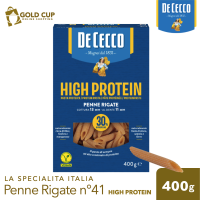
De Cecco High Protein Penne Rigate n° 41 Pasta 400g
₱645.00
Buy on Lazada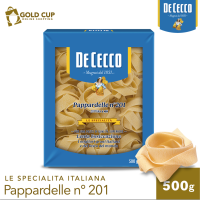
De Cecco Pappardelle n° 201 Pasta 500g
₱645.00
Buy on Lazada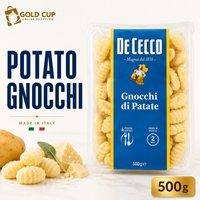
De Cecco Potato Gnocchi 500g (Gnocchi di Patate)
₱475.00
Buy on Lazada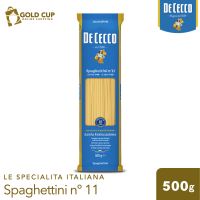
De Cecco Spaghettini n° 11 Pasta 500g
₱475.00
Buy on Lazada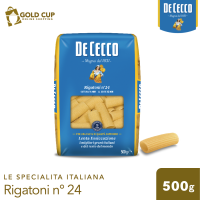
De Cecco Rigatoni n° 24 500g
₱495.00
Buy on Lazada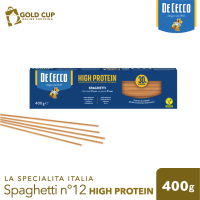
De Cecco High Protein Spaghetti n° 12 Pasta 400g
₱595.00
Buy on Lazada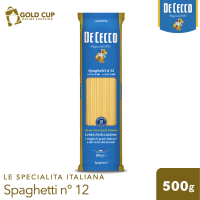
De Cecco Spaghetti n° 12 Pasta 500g
₱475.00
Buy on Lazada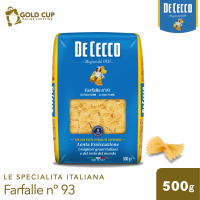
De Cecco Farfalle n° 93 Pasta 500g
₱475.00
Buy on LazadaAbout De Cecco
Overview
De Cecco is a prominent Italian food manufacturer best known internationally for its premium dried pasta. Headquartered in Fara San Martino, Abruzzo, the company traces its origins to a family milling business established in 1831 and began commercial pasta production in 1886. Today, De Cecco stands as one of the world’s major pasta producers, having expanded its portfolio beyond pasta to include olive oil, sauces, tomato products, flour, rice, gnocchi, and other staple Italian foods.
The company describes itself as a premium-food entity and reports that it is currently the third-largest pasta producer in the world.
| Category | Information |
|---|---|
| Brand | De Cecco |
| Legal company name | F.lli De Cecco di Filippo – Fara San Martino S.p.A. |
| Industry | Food & beverage |
| Country of origin | Italy |
| Region | Abruzzo |
| Headquarters | Fara San Martino, Chieti, Abruzzo, Italy |
| Founded | 1886 (as a pasta manufacturer) |
| Family roots | 1831 |
| Founder associated with pasta production | Filippo Giovanni De Cecco |
| Best known for | Dried durum-wheat pasta |
| Other products | Egg pasta, wholegrain and organic pasta, gluten-free pasta, olive oil, sauces, tomatoes, flour, rice, gnocchi and other foods |
| Positioning | Premium / high-quality Italian food |
| Ownership tradition | Family-controlled Italian business |
| International presence | Products sold across numerous international markets |
Origins: Before De Cecco Pasta
While 1886 is the date most closely associated with De Cecco’s emergence as a pasta maker, the company’s history begins earlier. In 1831, Nicola Antonio De Cecco started working as a miller in Fara San Martino, a small town in Abruzzo situated at the foot of the Majella mountains. His initial business focused on producing flour using traditional milling techniques 1.
It is important to distinguish between these two key dates:
* 1831: The origin of the De Cecco milling business.
* 1886: The beginning of De Cecco’s pasta production.
Nicola’s son, Filippo Giovanni De Cecco, inherited the family’s expertise in milling and subsequently expanded the business into pasta manufacturing. In 1886, the family established the Pastificio dei Fratelli De Cecco, or the De Cecco brothers’ pasta factory 1. This foundational connection between wheat milling and pasta making became a central element of De Cecco’s brand identity.
The 1886 Breakthrough
The late nineteenth century marked a transition in Italian pasta production from small-scale artisanal methods to industrial manufacturing. Traditionally, pasta was dried outdoors in the sun, making production heavily dependent on weather conditions.
Filippo Giovanni De Cecco developed a technological solution to this limitation. In 1889, he created a hot-air/low-temperature artificial drying system that allowed pasta to be dried under controlled conditions rather than relying entirely on sunlight. Company historical materials identify this innovation as a major milestone in the firm’s development 1. This advancement helped standardize production quality and enabled the sale of pasta beyond the immediate local market.
Consequently, De Cecco’s early competitive advantage lay not simply in making pasta, but in combining traditional pasta-making knowledge with industrial engineering.
From Local Producer to International Brand
The company’s roots are deeply tied to Abruzzo, particularly the town of Fara San Martino near the Majella massif. This geographic location has become closely associated with De Cecco’s brand identity, which emphasizes the combination of local traditions, mountain water, wheat, and Italian pasta-making heritage 2.
As production scaled, De Cecco looked beyond its local market. A significant branding development occurred in 1908 when the company adopted its famous trademark image: an Abruzzese country girl carrying sheaves of wheat. This visual identity remains one of the most recognizable elements of the brand today 2.
De Cecco During and After World War II
Like many Italian industrial companies, De Cecco was impacted by World War II. Its factory was destroyed during wartime bombing, necessitating a subsequent rebuild of production capacity. Following the war, demand for pasta surged as Italy’s economy recovered.
To meet this growing demand, De Cecco constructed a new production facility in Pescara in 1950 2. This post-war period represented a critical transition for the company, evolving from a traditional family pasta maker into a modern industrial food enterprise while retaining its distinct Italian identity.
Expansion in the Late 20th Century
De Cecco continued to expand its manufacturing capabilities throughout the latter half of the twentieth century. A major new production facility opened in Fara San Martino in 1980, significantly increasing output capacity 2.
The company also began diversifying its product portfolio. In 1986, De Cecco entered the olive-oil business, marking the start of broader expansion beyond dried pasta. Over time, the brand added products such as sauces, tomato products, and other staples of Italian cuisine 2. This evolution established the modern De Cecco concept: not merely a pasta brand, but a comprehensive premium Italian-food brand.
Distinctive Production Methods
De Cecco’s brand proposition centers on its traditional production method, often referred to as the “De Cecco Method.” Several characteristics define this approach:
Durum Wheat
The core De Cecco pasta range is made from durum wheat semolina and water. Durum wheat is traditionally used for Italian dried pasta due to its specific properties when milled and cooked 1. The company states that its agronomists work with Italian and international suppliers, paying particular attention to the selection and development of wheat suitable for its pasta 1.
Slow, Low-Temperature Drying
A heavily emphasized aspect of production is slow drying at relatively low temperatures. The company presents this as a continuation of the principle established by Filippo De Cecco’s nineteenth-century innovation. The stated objective is to preserve the pasta’s natural characteristics, including flavor, aroma, and color 1. This technique is central to De Cecco’s premium positioning.
Bronze Dies
De Cecco utilizes bronze-die extrusion. The pasta dough is pushed through bronze dies, creating a surface that is rougher and more porous than those produced by Teflon dies. The company claims this texture helps the pasta hold and absorb sauces more effectively 3. This characteristic is integral to the eating experience, ensuring the pasta interacts well with sauce rather than just maintaining shape.
Mountain Water
The company states that its pasta production uses cold water from the Majella area, highlighting the importance of controlling water temperature during dough preparation 3.
Product Portfolio
While spaghetti is likely the product most associated with the brand, De Cecco offers a broad range of items. The current portfolio includes:
- Durum-wheat pasta
- Egg pasta
- Wholegrain pasta
- Organic pasta
- Gluten-free pasta
- Specialty pasta
- High-protein pasta
- Potato gnocchi
- Extra-virgin olive oil
- Vinegars
- Tomatoes and tomato sauces
- Pasta sauces
- Flour and milled products
- Rice and related products
- Bakery products
- Gift products
The official product catalogue confirms the breadth of these categories 1. The durum-wheat pasta range remains the heart of the business, featuring numerous long, short, soup, and specialty shapes 1.
Pasta Shapes and Numbering
An interesting feature of De Cecco’s catalog is the use of numbered pasta formats. Examples include:
- Spaghetti No. 12
- Capellini No. 9
- Linguine No. 7
- Bucatini No. 15
- Spaghettoni No. 412
- Rigatoni
- Penne Rigate
- Fusilli
- Farfalle
- Lasagne
This numbering system contributes to the brand’s traditional pastificio identity and aids in distinguishing its extensive catalog. The official catalogue lists hundreds of formats and specialty products across various markets 1.
Brand Identity
De Cecco’s identity is built around several core themes:
- Italian Heritage: The brand strongly associates itself with authentic Italian cooking and its Abruzzese origins.
- Wheat and Milling: Unlike brands that began purely as packaged-food companies, De Cecco’s story starts with a mill, creating a direct historical connection to wheat and flour.
- Family Tradition: The business presents its history as a multigenerational family tradition, with knowledge passed down through generations 1.
- Craft + Technology: A central theme is the combination of traditional methods with technological innovation. The founder did not simply preserve old ways; he developed new machinery to improve pasta drying.
- Premium Quality: De Cecco positions itself above mass-market pasta through its emphasis on wheat selection, slow drying, bronze dies, and traditional manufacturing techniques.
The Logo
One of the most recognizable elements of the brand is its blue-and-yellow packaging featuring the illustration of the Abruzzese woman carrying wheat. This image became De Cecco’s trademark in 1908 2. The design communicates a narrative chain: woman + wheat → rural Italy → tradition → pasta → authenticity. This visual identity effectively conveys the product’s cultural origin without requiring extensive explanation.
De Cecco and Italian Cuisine
De Cecco’s brand is closely tied to the concept of Italian culinary authenticity. Rather than marketing pasta simply as a commodity, the company promotes it as an essential component of Italian food culture. Communication frequently emphasizes traditional Italian recipes, family meals, craftsmanship, regional cuisine, quality ingredients, and the pleasure of dining together.
The current branding concept, #AllaDeCecco, revolves around attention to detail and the pursuit of quality in everyday experiences, particularly regarding food and dining 1.
International Presence
Although deeply rooted in Italy, De Cecco operates internationally. The company maintains dedicated websites and markets in numerous countries, including the United States, United Kingdom, Canada, Australia, Japan, China, Germany, France, Spain, and others 1.
De Cecco serves as an example of a food brand that has successfully exported a strong country-of-origin-based identity. The fundamental proposition remains: Italian pasta made according to a traditional Italian philosophy, available to consumers worldwide.
Market Position
De Cecco occupies a position between mass-market industrial pasta and small artisanal producers. It possesses industrial-scale manufacturing and international distribution, yet its marketing highlights traditional methods and craftsmanship.
| Type | Typical Positioning |
|---|---|
| Budget supermarket pasta | Affordable / everyday |
| Mainstream Italian brands | Mass-market / accessible |
| De Cecco | Premium / traditional Italian |
| Small artisanal pastifici | Ultra-premium / artisanal |
This positioning allows consumers to purchase a widely distributed product while feeling connected to traditional Italian pasta-making.
Company Today
The company operates under the legal name F.lli De Cecco di Filippo – Fara San Martino S.p.A. and remains headquartered in Fara San Martino, Abruzzo 1. According to published information, operations have grown far beyond the original pasta factory to encompass a broad premium-food portfolio.
A 2023 company profile reported approximately €630 million in revenue and 1,153 employees, illustrating the scale reached by this family business 2. Despite this international scale, the corporate and brand identity remains strongly associated with its original Abruzzo home.
Historical Timeline
De Cecco represents more than a pasta manufacturer; its history illustrates the evolution of Italian food production over nearly two centuries:
- 1831: Family flour mill established in Abruzzo.
- 1886: Pasta production begins.
- 1889: Innovation in artificial/low-temperature pasta drying.
- 1908: Famous trademark introduced.
- Post-WWII: Reconstruction and industrial expansion.
- 1950s–1980s: Increasing production and international growth.
- 1986 onward: Expansion into olive oil and other Italian foods.
- Today: International premium Italian-food brand.
Core Values
At its core, De Cecco stands for five main pillars:
- Italian Heritage: Rooted in Abruzzo and Italian pasta culture.
- Family Tradition: A business with a history spanning generations.
- Pasta Expertise: More than a century of specialized production.
- Production Quality: Emphasis on durum wheat, bronze dies, and slow drying.
- Premium Italian Food: Expanding beyond pasta while maintaining Italian identity.
The brand’s competitive story is not simply about making good pasta, but about combining traditional craftsmanship with carefully controlled production to bring premium Italian food to the world 1.
References
- [3. History
- De Cecco
- https://dececcorussia.com