Shop on Lazada
Delphi Autoparts products
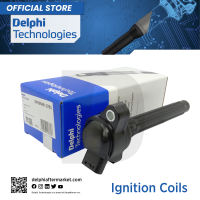
Delphi Ignition Coil for Toyota Vios Dual VVT-i Yaris Dual VVT-i 2016-2025 GN10948
₱1,680.00
Buy on Lazada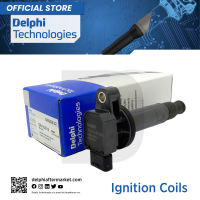
Delphi Ignition Coil for Toyota Vios 2003-2015 Yaris 2008-2015 GN10312
₱1,600.00
Buy on Lazada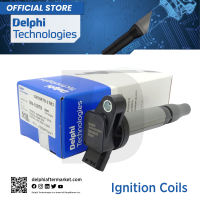
Delphi Ignition Coil for Toyota Avanza DUAL VVT-i 2016-2022 RUSH 1.5 DUAL VVT-i 2018-2022 GN10979
₱1,690.00
Buy on Lazada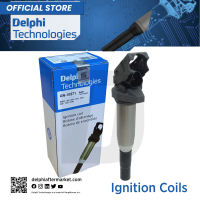
Delphi Ignition Coil for BMW 3-series 318i 320i 316i 2002-2018 GN10571
₱2,250.00
Buy on Lazada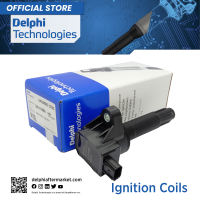
Delphi Ignition Coil for Honda Jazz City 2014-2020 Mobilio BR-V 2015-2021 Brio 2014-2022 GN10986
₱1,875.00
Buy on Lazada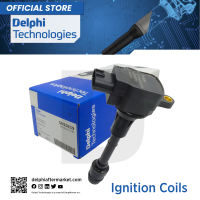
Delphi Ignition Coil for Nissan X-trail T30 Serena QR20 2003-2010 GN10219
₱1,690.00
Buy on Lazada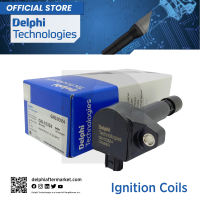
Delphi Ignition Coil for Honda Civic 1.8 2006-2012 CR-V 2.0 2007-2012 GN10324
₱2,000.00
Buy on Lazada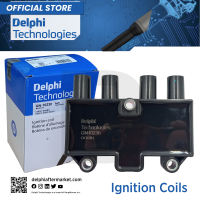
Delphi Ignition Coil for Chevrolet Aveo Spark 2003-2013 GN10230
₱2,250.00
Buy on LazadaAbout Delphi Autoparts
Delphi Autoparts, commonly branded simply as Delphi, is a global automotive aftermarket brand specialising in replacement parts, vehicle electronics, fuel systems, engine-management components, chassis components, diagnostics, test equipment, and technical support. Today, Delphi is a brand of PHINIA Inc. rather than an independent company. Its products are marketed worldwide, and the company states that its aftermarket business has a presence in more than 150 countries, supported by over 2,750 service centres.1
Delphi is best known as an OE-derived automotive technology and replacement-parts brand, with particularly strong expertise in fuel injection, fuel management, diesel systems, engine electronics, ignition, steering and suspension, braking, and diagnostics.
Basic profile
| Category | Information |
|---|---|
| Brand name | Delphi |
| Common name | Delphi Autoparts / Delphi Aftermarket |
| Industry | Automotive components & aftermarket |
| Current owner | PHINIA Inc. |
| Former corporate connection | Delphi Technologies / BorgWarner |
| Main market | Automotive aftermarket |
| Geographic presence | 150+ countries |
| Service network | 2,750+ service centers |
| Core strengths | Fuel systems, diesel injection, electronics, engine management, chassis, diagnostics |
| Customers | Automotive workshops, technicians, distributors, vehicle owners, commercial-vehicle operators |
| Vehicle coverage | Passenger, commercial, agricultural, marine and industrial vehicles |
Delphi describes its aftermarket business as providing OE-specification end-to-end solutions, ranging from physical components to software, diagnostics, and technical support.1
History and corporate evolution
The history of Delphi is complex because the Delphi name has been associated with several different corporate entities over time.
General Motors origins
The roots of Delphi’s automotive technology business trace back to operations historically associated with General Motors (GM). Delphi eventually became a major automotive-components supplier in its own right. In 1999, GM spun off its automotive-components business as Delphi Automotive Systems, creating an independent publicly traded company.
Delphi Automotive to Aptiv and Delphi Technologies
A major restructuring occurred in 2017 when Delphi Automotive separated its businesses into two distinct entities:
- Aptiv — focused largely on advanced electrical and electronic architecture, autonomous-driving technology, and vehicle connectivity.
- Delphi Technologies — focused on propulsion technologies, power electronics, and the aftermarket business.
Delphi Technologies subsequently operated as an independent company, with its aftermarket operations continuing to use the Delphi brand.2
BorgWarner acquisition
In October 2020, BorgWarner completed its acquisition of Delphi Technologies. This acquisition brought Delphi Technologies’ propulsion, electronics, and aftermarket businesses into BorgWarner. Importantly for aftermarket customers, BorgWarner stated that Delphi Technologies Aftermarket would retain its brand identity and continue supplying Delphi-branded OE-quality aftermarket parts, diagnostics, and test equipment.
PHINIA
Another significant change occurred in 2023 when BorgWarner spun off its Fuel Systems and Aftermarket businesses into a new publicly traded company called PHINIA Inc. The Delphi aftermarket business became part of PHINIA’s portfolio.
Consequently, the modern corporate relationship can be summarised as: General Motors → Delphi Automotive → Delphi Technologies → BorgWarner → PHINIA → Delphi aftermarket brand.
It is important to note that Delphi today is primarily a brand and business within PHINIA, not the same independent corporation that existed under the Delphi Technologies name.2
Product portfolio
Delphi maintains a broad aftermarket catalogue. While its strongest historical identity centres on fuel and engine-management technology, its current offerings extend significantly beyond these areas.
Fuel management
Fuel-system components remain one of Delphi’s signature areas. Products include:
- Fuel pumps
- Fuel pump modules
- Fuel pressure regulators
- Fuel tank sending units
- Fuel transfer units
- Fuel-system components
- Gasoline fuel-system components
Delphi emphasises that its fuel modules are engineered according to standards used for components supplied to major vehicle manufacturers.1 This engineering pedigree makes Delphi a particularly recognisable name among mechanics addressing fuel-delivery issues.
Diesel fuel injection
Diesel technology is another major Delphi speciality. Its portfolio includes:
- Diesel fuel injectors
- Electronic unit injectors
- Electronic unit pumps
- Common-rail components
- Remanufactured diesel injectors
- Diesel diagnostic equipment
- Injector testing equipment
Delphi also works with Hartridge, a specialist in fuel-injection test equipment. Current aftermarket material describes coverage ranging from legacy diesel systems through newer Euro 6 applications.1 This allows Delphi to participate in both the replacement-parts side and the diagnostic and testing side of diesel repair.
Vehicle electronics and engine management
As modern vehicles increasingly depend on electronic control systems, Delphi’s catalogue includes components associated with:
- Engine management
- Sensors
- Vehicle electronics
- Ignition systems
- Electrical and electronic components
- Fuel-management electronics
- Power electronics
The brand’s engineering background is particularly relevant here, as Delphi’s historical business was not simply a conventional mechanical-parts manufacturer but involved significant expertise in electronic control and propulsion systems. Delphi therefore positions its aftermarket products as bringing OE engineering knowledge into the independent repair market.1
Ignition
Delphi offers a substantial ignition portfolio. Its stated objective is to use OE-derived technology to provide reliable engine starting, efficient combustion, improved engine performance, appropriate emissions performance, and fuel economy. Depending on the market, the catalogue can include ignition-related components such as coils and other engine-management or ignition parts. Delphi specifically describes its ignition technology as being developed around OE technology.1
Steering and suspension
Delphi has expanded considerably into conventional chassis components. Its steering and suspension portfolio includes:
- Ball joints
- Control arms
- Tie-rod ends
- Inner tie rods
- Stabiliser and sway-bar links
- Top strut mounts
- Rubber-to-metal components
- Steering and suspension kits
The company states that these components undergo testing intended to ensure OE-like performance, including fatigue and corrosion testing for selected products.1 This makes the current Delphi range considerably broader than the older perception of the brand as primarily a fuel-injection and electronics company.
Braking
Braking has become an important part of the aftermarket portfolio, with products including brake pads, brake discs and rotors, and other braking components. Delphi’s current strategy emphasises “first-to-market” coverage, meaning it attempts to introduce replacement parts for newer vehicle applications relatively early in the aftermarket cycle. In 2026, for example, Delphi announced first-to-market brake applications covering vehicles such as the Volvo XC60, Mitsubishi Outlander, BYD Dolphin Surf, and Toyota Urban Cruiser.1
Air conditioning and thermal systems
Delphi supplies automotive air-conditioning components, including A/C compressors, air-conditioning system components, and other climate-control components. The company positions these products around efficient operation, reduced emissions, and faster cabin comfort.1
Hybrid and electric vehicles
Although Delphi has historically been strongly associated with gasoline and diesel technology, its technological scope has expanded into electrification. Current aftermarket materials mention HEV and EV drivetrain applications, including:
- Inverters
- Converters
- Traction power inverter modules
- On-board chargers
- Charging cable and cord sets
This reflects the transformation of Delphi’s traditional propulsion expertise towards hybrid and electric vehicles.1
Diagnostics and workshop technology
Delphi does not position itself solely as a parts manufacturer; it also supplies tools and information intended to help technicians determine which part actually needs replacing. Its aftermarket ecosystem includes:
- Diagnostic equipment
- Fuel-injection test equipment
- Technical documentation
- Repair information
- Training
- Software
- Technical articles
- Installation information
- Technician support
Delphi states that its aftermarket offering combines components with diagnostics, test equipment, training, and technical information to help workshops repair vehicles correctly the first time.1
Delphi Academy
The company operates Delphi Academy, a training initiative for automotive technicians. This is significant because modern automotive repair increasingly involves diagnosis, electronic testing, component replacement, programming or calibration, and verification, rather than simply replacing mechanical parts. Delphi attempts to support technicians throughout this process with technical education and training. Its current website describes ongoing training programs, including live technical sessions.1
OE vs aftermarket positioning
One of Delphi’s central selling points is its connection to OE engineering. “OE” refers to Original Equipment—components and technology developed for vehicle manufacturers. Delphi’s aftermarket proposition essentially takes the engineering knowledge and technology developed for original-equipment applications and makes it available through replacement parts and repair solutions. The company describes its parts as OE-engineered and tested for fit and performance.1
This positioning differentiates Delphi from purely low-cost aftermarket suppliers. However, “OE-quality” does not mean every Delphi replacement part is literally the same physical component installed at the vehicle factory. The exact manufacturing source, specification, and application should be evaluated on a part-number basis.
Vehicle markets and global footprint
Delphi does not limit itself to passenger cars. Its aftermarket business serves passenger vehicles, light and medium commercial vehicles, heavy commercial vehicles, agricultural vehicles, marine applications, and industrial vehicles. This broad coverage is particularly relevant to its diesel and fuel-injection businesses.1
Delphi is a genuinely international brand rather than one focused on a single country’s replacement-parts market. According to current PHINIA and Delphi information, the brand has an aftermarket presence in over 150 countries, supported by a network of more than 2,750 service centres.1 The business has historically supported tens of thousands of aftermarket SKUs and serves both developed and emerging automotive markets. This global nature is particularly useful for workshops repairing European, American, Japanese, Korean, and other vehicle brands.
Distinguishing characteristics
Several characteristics distinguish Delphi from generic aftermarket parts companies:
- Strong OE heritage: Delphi’s primary advantage is its long history as an automotive technology supplier rather than simply a parts distributor.
- Fuel-system expertise: Fuel injection, fuel pumps, fuel management, and diesel systems remain particularly important areas for the brand.
- Electronics expertise: Delphi has extensive experience with automotive electronics and engine-management systems.
- Diagnostics and parts integration: It combines replacement parts with diagnostic and testing technology.
- Technician support: Training, technical information, and repair support are integral parts of its aftermarket strategy.
- Broad portfolio: The modern Delphi range extends into braking, steering, suspension, air conditioning, and electrification, not just fuel systems.1
Corporate distinctions
Delphi vs. Delphi Technologies
Confusion often arises regarding the Delphi name. Delphi Technologies was the name of the independent company that existed from 2017 until its acquisition by BorgWarner in 2020. Delphi is the aftermarket brand that continues today. The corporate timeline is as follows:
| Period | Situation |
|---|---|
| Pre-2017 | Delphi Automotive / historical Delphi business |
| 2017 | Delphi Automotive separates into Aptiv and Delphi Technologies |
| 2017–2020 | Delphi Technologies operates independently |
| 2020 | BorgWarner acquires Delphi Technologies |
| 2020–2023 | Delphi Technologies Aftermarket operates as a BorgWarner brand |
| 2023 onward | Aftermarket business becomes part of PHINIA |
| Today | Delphi operates as a major PHINIA aftermarket brand |
BorgWarner explicitly stated after its 2020 acquisition that Delphi Technologies Aftermarket would maintain its brand identity.
Relationship with PHINIA
Today, PHINIA is the parent company behind Delphi’s aftermarket business. PHINIA’s aftermarket portfolio also includes other established automotive brands, including Delco Remy and Hartridge. Delphi is the principal brand associated with the broader passenger-vehicle aftermarket offering, while Delco Remy holds a strong position in commercial-vehicle electrical products and Hartridge is strongly associated with fuel-injection testing technology.1 This gives PHINIA a combination of parts, fuel systems, electrical technology, diagnostics, testing equipment, and technical training.
Current direction
As of 2026, Delphi’s strategy is moving in several directions simultaneously:
- Expanding aftermarket coverage: The company continues to introduce new part numbers and expand coverage of newer vehicles. In August 2026, Delphi announced 30 first-to-market parts as part of a larger introduction of 289 new SKUs.1
- Electrification: Delphi is expanding beyond traditional combustion technology into hybrid and EV-related power electronics.1
- Advanced diagnostics: As modern vehicles increase in complexity, diagnostic equipment and software are becoming as important as physical replacement parts.
- Technician education: Training is becoming a larger part of Delphi’s value proposition as vehicles become increasingly electronic.
Reputation and market positioning
In the automotive aftermarket, Delphi is generally positioned as a premium, OE-oriented aftermarket brand rather than a budget replacement-parts label. Its strongest reputation is historically associated with fuel pumps, fuel injection, diesel injection, engine-management components, sensors and electronics, ignition components, and diagnostic technology. Its expansion into chassis, braking, and other categories means the brand now competes across a much larger portion of the replacement-parts market.
However, brand quality should not be judged solely from the Delphi name. For any actual repair, the specific part number, application, manufacturing origin, warranty, seller authenticity, and vehicle compatibility are all worth verifying.
Business model
Delphi functions as an automotive technology ecosystem rather than merely a parts brand. This ecosystem flows from OE engineering to automotive technologies, then to aftermarket replacement parts, diagnostics and test equipment, technician training, technical information, and finally workshop repair. This integrated approach is one of Delphi’s defining characteristics, with official materials explicitly describing the aftermarket offering as spanning parts, diagnostics, test equipment, training, and technical information.1