Shop on Lazada
Diamond Supply Co. products
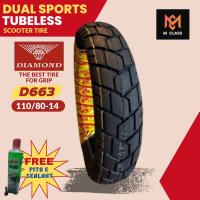
DIAMOND TIRE R14/R13 D663 DUAL SPORTS TUBELESS TIRE FOR ADV150 ADV160 PCX160 - TIRE SIZE 110/80-14 & 130/70-13
₱1,380.00₱1,453.00
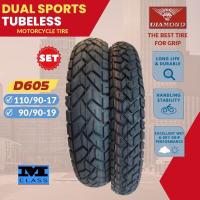
SET R17/R19 D605 DUAL SPORTS MOTORCYCLE TIRE FOR XR150L XTZ150 - DIAMOND TIRE 110/90-17 & 90/90-19
₱3,336.00₱3,512.00
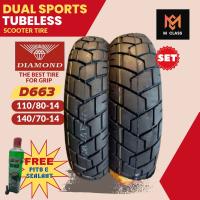
SET R14 D663 DUAL SPORTS TUBELESS TIRE FOR AEROX 155 PCX150 SUPER 8 - DIAMOND TIRE 140/70-14 & 110/80-14
₱3,036.00₱3,197.00
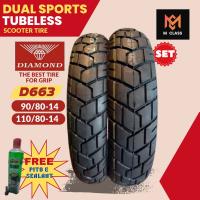
DIAMOND TIRE SET R14 D663 DUAL SPORTS TUBELESS TIRE FOR CLICK AIRBLADE MIO SOUL MIO GEAR - 110/80-14 & 90/80-14
₱2,550.00₱2,685.00
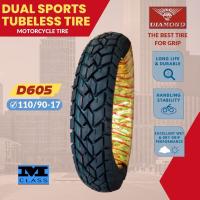
R17 & R19 D605 DUAL SPORTS TIRE FOR XR150L XTZ150 - DIAMOND TIRE 90/90-19 TL 110/90-17 TL 90/90-19 TT 110/90-17 TT
₱1,896.00₱1,996.00
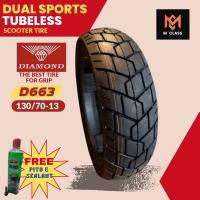
Diamond D663 High-Grip Tubeless Motorcycle Tire - Durable & Durable Performance for NMAX/RAPID/RF175 - 130/70-13/110/70-13
₱1,595.00₱1,690.00
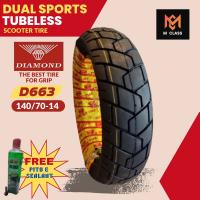
DIAMOND TIRE R14 D663 DUAL SPORTS TUBELESS TIRE FOR AEROX 155 PCX150 SUPER 8 - 140/70-14 110/80-14
₱1,656.00₱1,744.00
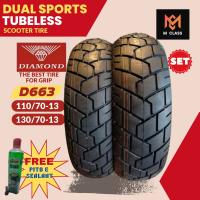
Diamond Tire D663 R13 Dual Sport Tubeless Scooter Tire Set for NMAX/RAPID 150/RFI 175 - Performance 130/70-13 & 110/70-13 with Tire Valve & Sealant
₱2,840.00₱3,000.00
About Diamond Supply Co.
Diamond Supply Co. is an American skateboarding and streetwear brand established by professional skateboarder Nicholas “Nick Diamond” Tershay in 1998. Originally a small skateboard hardware operation in San Francisco, the company evolved into a prominent name in skateboarding, sneakers, and streetwear. Its identity is closely tied to the diamond logo, skate culture, graphic apparel, and the distinctive turquoise or “Diamond Blue” colourway popularised by its 2005 Nike SB Dunk collaboration.1
Overview
| Name | Diamond Supply Co. |
| Industry | Skateboarding, streetwear, footwear, fashion |
| Founded | 1998 |
| Founder | Nicholas “Nick Diamond” Tershay |
| Origin | San Francisco, California, U.S. |
| Later base | Los Angeles, California |
| Known for | Skate hardware, apparel, Diamond logo, Diamond Blue, Nike SB Dunk |
| Most famous collaboration | Nike SB Dunk Low “Diamond” / “Tiffany” (2005) |
| Core aesthetic | Skateboarding + West Coast streetwear + luxury-inspired graphics |
| Current status | Active brand |
Diamond describes itself as both a skateboarding hardware company and streetwear clothing brand, and states that it remains owned and operated by founder Nick Tershay.
Origins
Diamond Supply Co. began in 1998 when Nicholas Tershay, better known as Nick Diamond or Nicky Diamonds, started developing skateboard hardware in San Francisco. The original concept was modest compared to the fashion label it would become. Tershay, driven by his interest in skateboarding, aimed to create his own products and eventually form a skate team comprising friends. Early offerings focused on hardware such as mounting bolts, bearings, and related accessories.2
According to the brand’s history, the business started in Tershay’s apartment. The initial hardware-focused identity explains the word “Supply” in the name; it was conceived as a supplier of equipment for skateboarders rather than a conventional fashion label.3
Turning point
Alongside hardware, Tershay began producing T-shirts, hats, and other apparel. These items gained unexpected popularity. Retailers including the San Francisco skate shop FTC and Supreme in New York stocked the early clothing, helping Diamond establish credibility beyond its immediate circle.4 This success established the formula that would define the company: authentic skateboarding roots combined with recognisable graphics, limited apparel, and strong community connections.
Move to Los Angeles
Around 2000, Diamond relocated operations from San Francisco to Los Angeles. The company operated through the distribution network associated with Girl Skateboards/Crailtap, enabling growth beyond its original hardware business.5 Los Angeles provided a vital environment as the city emerged as a major centre for American skateboarding, street fashion, music, and youth culture.
Diamond gradually expanded its product range to include skateboard bolts, bearings, grip-related products, T-shirts, hoodies, fleece, hats, accessories, and later footwear and broader streetwear collections. Consequently, the company evolved from a hardware company into a complete skate lifestyle brand.
The Diamond Logo
One of Diamond Supply Co.’s most recognisable assets is its diamond-shaped logo. Strongly connected to Tershay’s nickname, “Diamond,” the company built its visual language around this simple motif rather than complex graphic identities.6 This proved effective across T-shirts, hoodies, skateboards, hats, hardware packaging, footwear, stickers, and accessories. The logo bridged two worlds, appearing appropriate on skateboard decks while functioning effectively as a fashion symbol, a distinction that became crucial during the 2000s streetwear boom.
The 2005 Nike SB Dunk
The product most responsible for Diamond Supply Co.’s international fame is the 2005 Nike SB Dunk Low “Diamond.” Nike Skateboarding officially lists the shoe as:
- Model: Dunk Low Pro SB
- Colourway: Aqua/Chrome
- Release: August 2005
- Designer: Nick Tershay / Diamond Supply Co.7
The shoe featured turquoise/aqua panels, black crocodile-embossed material, a metallic silver Swoosh, Diamond branding, and a colour scheme reminiscent of Tiffany blue. It became popularly known as the “Tiffany Dunk”, although the official name is the Diamond Dunk. Tershay explained that the turquoise colour was not intended to create a Tiffany-themed brand but was a colour already used in Diamond graphics.8
Significance
The collaboration’s significance extended beyond sneaker sales. Before this release, Diamond was primarily known within skateboarding. Afterwards, consumers unfamiliar with the brand sought it out. Tershay described this collaboration as the moment Diamond transitioned from a skate brand to a lifestyle and streetwear brand.9 This shift from skate hardware to a brand encompassing skateboarding, sneakers, streetwear, and hype culture represents a pivotal chapter in its history.
The “Diamond Blue” identity
The Dunk’s success led the public to associate turquoise or Tiffany-like blue with Diamond Supply Co. Tershay noted that while not an exclusive corporate colour, consumers came to expect it due to the Nike collaboration.10 Diamond Blue essentially became cultural shorthand for the brand, so recognisable that subsequent collaborations often revisited it even when original product lines were not exclusively turquoise.
Expansion into streetwear
Following the Diamond Dunk’s success, Diamond increasingly operated at the intersection of skateboarding and street fashion. Clothing became recognisable for large diamond logos, bold graphic prints, black, white, and red colour schemes, Diamond Blue accents, athletic silhouettes, hoodies, fleece, caps, and accessories.15161718 The company retained skateboarding credibility while capitalising on the expanding streetwear market, particularly during the late 2000s and early 2010s when brands like Diamond, Supreme, HUF, and The Hundreds established skate-derived clothing in mainstream youth fashion. Diamond maintained an explicit connection to skateboarding while ensuring its branding worked within sneaker and fashion culture.19
Fairfax and Los Angeles culture
Diamond’s Los Angeles presence became associated with Fairfax Avenue. In 2006, the company opened a flagship store in the Fairfax neighbourhood, placing itself within a key retail corridor for LA skate and streetwear culture.21 This location served as a physical meeting point for skateboarders, sneaker collectors, streetwear enthusiasts, musicians, artists, and professional skaters, integrating Diamond into the physical culture of Los Angeles streetwear rather than functioning solely as an online or wholesale label.
Skate team and credibility
Despite its streetwear reputation, skateboarding remains Diamond’s foundation. The Diamond orbit has included prominent skateboarders such as Torey Pudwill, Nyjah Huston, Stevie Williams, Paul Rodriguez, PJ Ladd, Rick Howard, Mike Mo Capaldi, Sean Malto, Shane O’Neill, and Ishod Wair.9 A significant relationship existed with Torey Pudwill, whose Grizzly Griptape became associated with Diamond’s distribution network,10 reinforcing its position as a legitimate skate company rather than merely a fashion label using skate imagery.
Footwear
Diamond eventually expanded into footwear independently of collaborations. Diamond Footwear expressed the brand’s skateboarding identity through skate-oriented shoes and its own footwear team. This allowed Diamond to operate across nearly the entire skate product ecosystem: hardware, apparel, accessories, footwear, and professional riders.
Major collaborations
Diamond Supply Co. has a long history of collaborations, particularly with footwear companies.
Nike
The partnership with Nike SB includes:
- 2005 — Diamond Dunk Low
- 2014 — Diamond Dunk High
- 2018 — 20th-anniversary Diamond Dunk releases
The 2018 anniversary project produced White, Canary Yellow, and Black variants retaining original design elements.20 Nike’s archive describes the original Diamond Dunk as a sneaker that helped define SB Dunk mythology.14
PUMA
Diamond collaborated repeatedly with PUMA, incorporating classic Suede and Clyde silhouettes.11 This continued into the 2020s, including a Diamond Supply Co. x PUMA RS-XL project for PUMA’s 75th anniversary in 2023.12
ASICS
Collaborations with ASICS included projects associated with the 10th anniversary of the original Diamond Dunk era.13
Other collaborations
Diamond has worked with various brands, artists, and cultural figures, generally combining its skate and streetwear visual language with another entity’s established identity. Tershay cites Nike, PUMA, and ASICS among the most significant partnerships.24
Relationship with music and pop culture
Diamond’s expansion coincided with growing overlap between skateboarding, hip-hop, and streetwear. The brand became visible among musicians and entertainers, utilising cultural figures in campaigns. As skateboarding and hip-hop interconnected during the 1990s and 2000s, Diamond’s aesthetic fit naturally. A Diamond hoodie, T-shirt, or cap could be worn by skateboarders, sneaker collectors, rappers, or enthusiasts without seeming out of place, facilitating crossover appeal beyond conventional skate companies.26
Streetwear golden era
Diamond is associated with the late-2000s and early-2010s golden era of American streetwear, characterised by limited releases, graphic T-shirts, sneaker culture, internet forums, blogs, celebrity influence, and independent labels gaining global recognition. Diamond demonstrated that a skate brand could become a major lifestyle label without abandoning its original culture. Its rise coincided with online communities like Hypebeast and the early sneaker-blog ecosystem, with Tershay noting how internet culture and retail relationships contributed to growth.22
Brand identity pillars
Diamond’s identity rests on four pillars:
Skateboarding authenticity
The company originated in skateboarding hardware rather than adopting skate imagery later.
Strong branding
The diamond logo is simple and highly recognisable.
Sneaker culture
The 2005 Nike SB Dunk forged a massive connection with sneaker collectors.
West Coast streetwear
Visual identity is deeply connected to Los Angeles and California skate culture.
This combination places Diamond in the space between skateboarding, sneakers, and streetwear, distinguishing it from traditional skate companies and pure fashion labels.
Comparison with Supreme
Diamond and Supreme are often discussed together as major streetwear names with skate origins, though their identities differ.
| Diamond Supply Co. | Supreme | |
|---|---|---|
| Origin | Skate hardware | Skate shop |
| Founder | Nick Tershay | James Jebbia |
| Founded | 1998 | 1994 |
| Core city | Los Angeles/San Francisco | New York |
| Major visual symbol | Diamond | Box Logo |
| Major sneaker moment | Nike SB Dunk | Multiple Nike SB collaborations |
| Cultural identity | West Coast skate/streetwear | New York skate/streetwear |
| Major colour association | Diamond Blue | Red/white |
Diamond’s cultural breakthrough was arguably the Nike SB Dunk, whereas Supreme’s identity centred on its broader brand ecosystem and limited-product model.
Influence on modern streetwear
Diamond demonstrated that a small independent skate company could transform into a global streetwear brand through design, community, and collaborations. The Diamond Dunk became a template for modern sneaker culture: independent streetwear brand plus sneaker company, distinctive colourway, limited availability, and cultural storytelling equals hype. While common today, this formula was less developed in 2005. Nike describes the Diamond Dunk as a landmark in SB Dunk history, and commentary identifies it as a defining product of the era.23
The Diamond Dunk legacy
The 2005 Diamond Dunk represents multiple cultural movements: the rise of Nike SB, sneaker collecting, internet-driven hype, skateboarding’s influence on fashion, independent streetwear, the convergence of skateboarding and hip-hop, and modern sneaker collaboration culture. Nike calls it one of the most heralded Dunks, and it appears in auction markets at significant prices.14 Its importance lies not solely in rarity but in representing the moment skateboarding, sneakers, and streetwear merged into contemporary culture.2728
2010s and beyond
Diamond continued expanding internationally and collaborating with major sportswear companies. By the late 2010s, it had become an established international streetwear name. However, it faced challenges maintaining relevance as the market grew to include luxury fashion, major sportswear companies, reselling, social media, influencers, and online drops. Diamond’s position evolved from an emerging brand to an established veteran. Recent interviews emphasise that Diamond has witnessed nearly three decades of changes in skateboarding and streetwear.22
Brand philosophy
Diamond’s philosophy is skateboarding first, with awareness of fashion and popular culture. Its trajectory spans from 1998 skate hardware to early 2000s apparel, the 2005 Nike SB Dunk, late-2000s streetwear expansion, 2010s global collaborations, and its 2020s status as a legacy brand. This evolution underpins its historical significance.
Meaning of the name
The name derives from the original concept of supplying skateboarders with high-quality hardware. The diamond also connects to Nick Tershay’s nickname and became the central visual symbol.23 Despite later luxury associations, “Diamond” was not originally intended to signify a luxury fashion company but was a skate brand name that developed a strong luxury-adjacent visual identity.
Current identity
As of 2026, Diamond Supply Co. remains active. Official materials describe it as a combination of skate hardware, apparel, and lifestyle products, with Nick Tershay as founder and owner.24 Its contemporary identity comprises two layers:
The original Diamond: skateboard hardware, professional skateboarders, skate culture, California, and functional products.
The cultural Diamond: Nike SB Dunks, Diamond Blue, streetwear, sneakers, collaborations, graphic apparel, and nostalgia for 2000s/2010s skate culture.25
References
- About Us – Diamond Supply Co
- FAQ – Diamond Supply Co
- Diamond Supply Co. Nick Tershay Interview on Starting a Brand | Hypebeast
- About Diamond Supply Co.
- ダイヤモンドサプライ : Diamond Supply Co. – ファッションプレス
- Nicky Diamonds on 27 Years of Diamond Supply Co. and Demand | SNKRDUNK Magazine
- Nicky Diamonds Said the “Tiffany” Dunk Saved Diamond Supply Co. From Being Another Skate Brand
- DIAMOND SUPPLY CO. | OSC distribution Co.,Ltd
- List of professional skateboarders
- Torey Pudwill
- PUMA x DIAMOND SUPPLY CO. collection – nss magazine
- Diamond Supply Co PUMA RS-XL Release Info | SneakerNews.com
- Nick Diamond Looks Back at Almost 20 Years of Diamond Supply Company
- Nike | Nike SB Dunk Low Pro Diamond Supply Co. ‘Tiffany’ | Size 11 |
- Diamond Supply Co Clothing
- Diamond Supply Co T Shirt
- Diamond Supply Co Shirts
- Diamond Supply Co Hoodie
- Diamond Supply Co® Hoodie, Shirts, Tee, Hat, Shoes, Clothing Official Website
- Underwhelming And Two Decades Too Late, Or On Brand And Perfectly Time – SNEAKER THRONE
- Diamond Supply Co. – Trimark Group Holdings Inc
- Diamond Supply Co: 20 Years Strong
- How the ‘Tiffany’ Dunk Became One of the Most Hyped Sneakers Ever
- Nicky Diamonds Interview: Streetwear, Sneakers & Skate | Straatosphere
- Nicky Diamonds Interview: Streetwear, Sneakers & Skate | Straatosphere
- How a local skate company became hip hop’s go-to brand | Dazed
- Nike Nike SB Dunk Low Pro Diamond Supply Co. Tiffany | Size 10 Available For Immediate Sale At Sotheby’s
- Nike Nike SB Dunk Low Pro Diamond Supply Co. Tiffany | Size 11 Available For Immediate Sale At Sotheby’s