Shop on Lazada
Divoom products
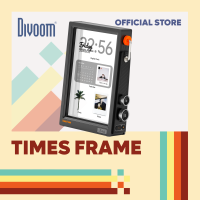
Divoom Times Frame Pixel Art Display
₱12,000.00
Buy on Lazada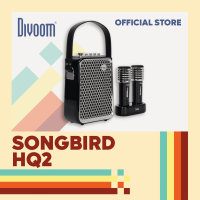
Divoom Songbird HQ2 Portable Speaker w/ Dual Microphones
₱11,890.00
Buy on Lazada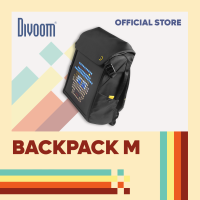
Divoom Pixel Art Backpack M
₱6,790.00
Buy on Lazada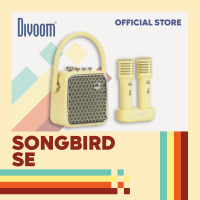
Divoom Songbird SE Portable Speaker w/ Dual Microphones Purple
₱8,050.00
Buy on Lazada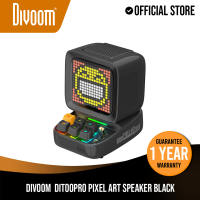
Divoom DitooPro Pixel Art Speaker Black
₱5,400.00
Buy on Lazada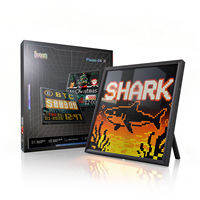
Divoom | Desk Ornament for E-Sports Room and Home Decor with 64 Pixel Screen
₱11,271.36
Buy on Lazada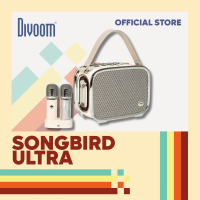
Divoom Songbird Ultra Portable Karaoke Bluetooth Speaker
₱21,600.00
Buy on Lazada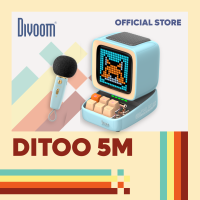
Divoom Ditoo 5M Pixel Art Speaker with Microphone Blue
₱6,930.00
Buy on LazadaAbout Divoom
Overview
Divoom is a Chinese consumer electronics and lifestyle technology brand recognised for integrating pixel art, Bluetooth audio, LED displays, and smart desk accessories with digital content. Established in 2006 and headquartered in Shenzhen, China, the company has evolved from an audio-focused manufacturer into a broader creative technology ecosystem centred on personalisation and pixel-art culture.1
| Category | Details |
|---|---|
| Brand | Divoom |
| Company | Shenzhen Divoom Technology Co., Ltd. |
| Founded | 2006 |
| Headquarters | Shenzhen, Guangdong, China |
| Industry | Consumer electronics, audio, smart displays, digital lifestyle |
| Best known for | Pixel-art Bluetooth speakers and LED displays |
| Major product families | Ditoo, Pixoo, Times, Tivoo/Tiivoo, Times Gate, Times Frame, FlowToo and others |
| Core technology | Pixel LED displays, Bluetooth audio, smart widgets, connected content |
| Software ecosystem | Divoom app / connected content platform |
| Markets | More than 100 countries, according to Divoom |
| Brand positioning | Creative, personalised and expressive technology |
According to its official website, Divoom products are available through over 4,000 stores worldwide, serving a community of more than 20 million users across over 100 countries. These figures are self-reported by the company and subject to change.2
Brand identity and philosophy
Divoom distinguishes itself by creating technology that is visually expressive. Rather than competing solely on traditional specifications such as maximum volume, screen resolution, or minimalist industrial design, the brand emphasises a combination of hardware, pixel art, software, personalisation, and community.3 A single device may function simultaneously as a Bluetooth speaker, alarm clock, pixel-art display, and decorative object, while LED displays can showcase artwork, animations, weather data, calendars, social media feeds, stock information, and other widgets.
The company describes this approach as “Emotional Technology”, a philosophy where devices are designed not only to perform functions but also to make personal environments feel more playful, expressive, and alive.4
History
Foundation and early years
Divoom was established in 2006 with a focus on audio and portable speaker products. Corporate records indicate the company was founded by individuals passionate about music and craftsmanship.5 During its early years, Divoom built a reputation for portable audio before experimenting with combinations of sound, lighting, and visual design.
Pixel-art inspiration
A significant turning point occurred in 2014 when a team member encountered an LED gadget combining 8-bit aesthetics with lighting at the Maker Faire in San Francisco. This experience inspired the company to explore how pixel graphics could be integrated into its audio hardware.6
Commercialisation of pixel speakers
In 2015, Divoom commercialised the Aurabox, described as the world’s first pixel-art speaker.7 This product established the brand’s signature formula: a speaker combined with an LED pixel display and customisable digital artwork. Instead of concealing electronics behind a standard enclosure, the display became central to the product’s identity.
Product ecosystem
Divoom has expanded beyond individual Bluetooth speakers to produce devices with sophisticated LED matrices capable of displaying pixel artwork, animated sequences, clocks, weather updates, notifications, music visualisations, financial data, personal photographs, and user-created designs. This evolution has shifted the product category from conventional consumer electronics towards digital décor and a creative hardware ecosystem built around content and community.8
Ditoo
The Ditoo family is among Divoom’s most recognisable lines, featuring retro designs inspired by vintage computers and arcade culture. Models typically combine a pixel display with Bluetooth audio, custom graphics, clock functions, games, and smart features. The Ditoo Pro exemplifies the classic “retro computer + pixel display + Bluetooth speaker” concept and remains a featured product.9
Tivoo and Tiivoo
The Tivoo and Tiivoo families follow a similar philosophy but emphasise a compact retro-display aesthetic, functioning as desktop speakers that also display customisable pixel content.
Pixoo
The Pixoo line positions Divoom closer to a dedicated pixel-art display manufacturer. Products like the Pixoo-64 utilise larger LED matrices to offer a significantly bigger canvas than speaker-integrated displays. The current range includes the Pixoo-64Ⅱ, a 64×64 Wi-Fi pixel-art LED display popular for gaming rooms, PC setups, streaming stations, bedrooms, creative studios, and digital signage.10
Times Gate
Times Gate represents a shift towards desktop information displays incorporating multiple screens. Designed to present weather, financial data, and widgets while retaining the pixel-art aesthetic, it illustrates the brand’s expansion from pixel speakers to smart visual information devices.11
Times Frame
Times Frame targets the digital photo frame and home display category with a floating or transparent visual effect. It allows for the display of personal photographs and visual content, extending the brand’s reach beyond traditional pixel art into general-purpose digital displays.12
FlowToo
The FlowToo line expands into bedside and lifestyle products, combining Bluetooth audio, smart clock functionality, sleep-related features, ambient displays, and decorative lighting. This reflects a strategy of integrating visual technology into everyday living spaces beyond the computer desk.13
Karaoke and portable audio
Divoom has also entered the conventional audio market with portable karaoke speakers and microphones, including models such as SongBird, Spark-Pro, Fairy-OK, and Ditoo-Mic. This demonstrates an application of the brand’s distinctive design language to entertainment and lifestyle audio.
Software and community
Divoom app
The Divoom app serves as a creative platform rather than a simple remote control, allowing users to access community-created content, customise displays, and create original pixel art.14 This supports a business model where hardware purchase leads to ongoing engagement through content discovery, creation, and sharing.
User community
Community is a key differentiator for Divoom, encompassing pixel artists, designers, gamers, PC enthusiasts, makers, collectors, and casual users. The company states that its community has produced millions of pixel creations, effectively providing a content library far exceeding what is pre-installed on the hardware.15
Design and manufacturing
Design language
Divoom’s visual identity draws heavily from retro computing and 8-bit/16-bit video game culture, featuring pixelated graphics, bright RGB colours, rounded industrial designs, and nostalgic references. Unlike brands prioritising invisible technology, Divoom products are designed to be noticed and to contribute to a room’s visual identity.
Emotional Technology
By 2026, the term “Emotional Technology” had become central to the brand’s philosophy, summarised by the formula: Digital Art Content + Creative Hardware + Divoom OS = Emotional Technology.16 This approach prioritises atmosphere and emotional engagement alongside technical performance.
Engineering and production
Based in Shenzhen, a major electronics production hub, Divoom maintains internal capabilities in industrial design, software, firmware engineering, product development, and quality assurance.17 The company works with manufacturing partners while retaining control over core design and releases approximately five to six new products annually. This location facilitates coordination across electronics engineering, LED technology, industrial design, and audio hardware.
Global presence and market positioning
Divoom operates internationally, with products sold in more than 100 countries through lifestyle retailers, concept stores, and various distribution channels.18 The brand occupies a niche at the intersection of consumer electronics, gaming culture, design, pixel art, and lifestyle products.
Target audience
Key audiences include gamers and PC enthusiasts who integrate pixel displays into RGB-heavy setups; pixel-art fans seeking a physical canvas; designers and creatives; collectors attracted to retro styling; gift buyers; and lifestyle enthusiasts focused on aesthetically designed workspaces and bedrooms.
Competitive differentiation
Divoom differs from traditional categories by adding layers of functionality:
- Bluetooth speakers: Enhanced with visual displays and décor elements.
- Digital photo frames: Augmented with widgets, personalisation, and ecosystem integration.
- LED displays: Combined with community platforms, software, and audio.
- Smart clocks: Integrated with pixel art and entertainment.
- Desk accessories: Fused with functional information and creative tools.
Its primary innovation lies in combining familiar technologies within a distinctive aesthetic and software ecosystem rather than inventing entirely new hardware categories.
Strengths and limitations
Strengths include a strong visual identity, product differentiation, a robust software and content ecosystem, extensive personalisation options, nostalgic appeal, and a broadening portfolio spanning speakers, displays, frames, and karaoke equipment.19
Limitations include a polarising aesthetic that may not suit minimalist preferences, dependence on the software ecosystem for advanced features, potential misalignment for buyers prioritising pure audio or display performance, and a niche positioning compared to mass-market electronics giants.
Evolution and current status
Divoom’s trajectory spans from its 2006 founding as an audio company through the 2014 pixel-art inspiration and 2015 Aurabox launch,20 to the late 2010s expansion of its connected ecosystem. The 2020s saw the introduction of larger displays and smart desk products, followed by a mid-2020s push into lifestyle audio and “Emotional Technology”.
As of 2026, Divoom operates as a creative hardware ecosystem encompassing pixel-art speakers, large LED displays, smart information panels, digital frames, bedside devices, and karaoke systems. Its strategy continues to focus on combining physical hardware with customisable digital content to facilitate self-expression.21 The company currently reports over 20 million users, 4,000+ retail locations, and distribution in more than 100 countries.22
References
- Divoom – Pixel Art Bluetooth Speakers & Digital Photo Frames
- Meet the Team Behind Divoom: The People Building Emotional Technology
- Divoom – Pixel Art Bluetooth Speakers & Digital Photo Frames
- Divoom – Pixel Art Bluetooth Speakers & Digital Photo Frames
- The Divoom Story: Technology Built to Make Your Space Feel Alive
- 私たちについて – Divoom
- Blog Divoom
- How Divoom Products Are Designed: A Look Inside Our Creative Process
- Divoom – Pixel Art Bluetooth Speakers & Digital Photo Frames
- Shenzhen Divoom Technology Co., Ltd | LinkedIn
- How Divoom Products Are Designed: A Look Inside Our Creative Process
- 「深圳市点音科技有限公司招聘」-BOSS直聘
- Divoom品牌介绍-Divoom蓝牙音响-买购APP
- Divoom – Pixel Art Bluetooth Speakers & Digital Photo Frames
- Jogo de arte de pixel de divino de pixel liderado Bluetooth e LED Pixel Display
- Jogo de arte de pixel de divino de pixel liderado Bluetooth e LED Pixel Display
- Divoom Innovatieve Audioproducten – Pixel Art Bluetooth-luidspreker & LED D
- Divoom Pixel Art Juego Altavoz Bluetooth
- Divoom Product Manual
- About Divoom | Pixel Art & Creative Technology
- Shenzhen Divoom Technology Co., Ltd | LinkedIn
- Shenzhen Divoom Technology Co., Ltd | LinkedIn