Shop on Lazada
East Energy products
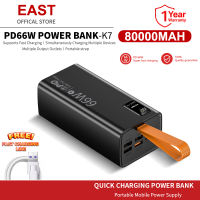
EAST Powerbank Orginal Fast charging PD66W brand 100000mah 800000mah power bank 50000mah fast charging 20000mAh 10000mah
₱1,597.00₱2,590.00
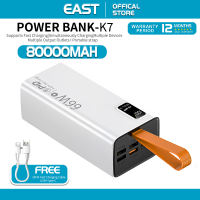
East Powerbank 50000mAh heavy duty original fast charging power bank Micro/ Type-C Input USB Output Stylish Portable 10000mAh Powerbank Li-polymer Battery Powerbank Original for HUAWEI Samsung Xiaomi OPPO vivo realme
₱1,597.00₱2,890.00
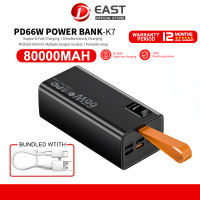
EAST original brand 80000MAH heavy duty 66W 4.5A Super fast charging powerbank 12000MAH 30000MAH 50000mah Power Bank Micro/ Type-C Input USB Output Portable Power Bank Li-polymer Battery Powerbank Original for HUAWEI Samsung Xiaomi OPPO vivo realme
₱1,597.00₱2,288.00
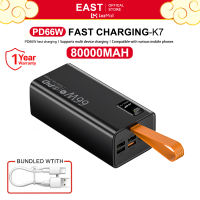
EAST Powerbank Orginal brand 10000mah 800000mah power bank 50000mah PD66W original fast charging 20000mAh Power Bank
₱1,597.00₱2,588.00
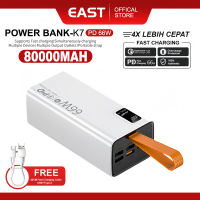
EAST Powerbank heavy duty Orginal brand 10000mah 800000mah power bank 50000mah original PD66W fast charging
₱1,597.00₱2,288.00
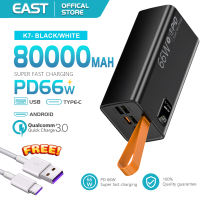
EAST original 66W 100% super fast charge 30000mah fast charging powerbank heavy duty original 500000mah 20000mah
₱1,597.00₱2,980.00
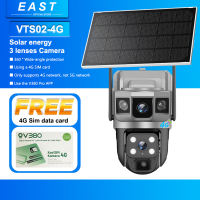
V380 Pro Three Lens Video Wifi 4G SIM Card Solar CCTV Camera Wireless 360° Two-Way Audio Full Color Night Vision Monitor Outdoor Waterproof Security Cameras
₱3,793.00₱7,587.00
EAST Powerbank fast charging heavy duty original 800000mah PD66w 30000mah/50000mAh Multi-device output
₱1,597.00₱2,890.00
About East Energy
Overview
East Energy (officially East Energy GmbH) is a German renewable energy company focused on the development, construction, and operation of integrated clean energy projects. Headquartered in Rostock, Germany, the company produces renewable electricity through photovoltaic (solar) and wind power plants while expanding into Power-to-X technologies, including green hydrogen and e-methanol production. East Energy aims to support Europe’s energy transition by combining renewable electricity generation with sustainable fuels and local energy infrastructure.1
History
East Energy was established to develop renewable energy infrastructure capable of addressing both climate change and long-term energy security. The company identifies suitable sites, secures land rights, manages permitting and project development, and oversees the construction and operation of renewable energy facilities.
Over time, East Energy expanded beyond conventional renewable electricity by integrating Power-to-X technologies that convert renewable electricity into clean fuels such as hydrogen and e-methanol. This expansion allows renewable energy to be used in sectors that are difficult to electrify directly, including shipping and heavy industry.2
Business Activities
East Energy operates across several areas of the renewable energy value chain:
- Solar Power (Photovoltaics): Development and operation of utility-scale solar farms.
- Wind Energy: Construction and operation of onshore wind power projects.
- Green Hydrogen: Production of hydrogen using electrolysis powered by renewable electricity.
- e-Methanol: Manufacture of synthetic methanol using renewable hydrogen and recovered carbon dioxide.
- Power-to-X Solutions: Integration of renewable electricity with hydrogen, synthetic fuels, and industrial applications.
- Local Energy Infrastructure: Supplying renewable electricity and excess heat to nearby communities and industries.3
Technology
The company’s projects combine multiple renewable technologies into an integrated energy ecosystem. Electricity generated by solar and wind installations powers electrolysers that split water into hydrogen and oxygen. The hydrogen can then be used directly or combined with captured carbon dioxide to produce e-methanol.
This integrated approach enables renewable electricity to serve multiple sectors, including:
- Electricity generation
- Industrial heat
- Transportation
- Maritime shipping
- Chemical manufacturing4
Sustainability Strategy
The company’s sustainability strategy focuses on:
- Reducing greenhouse gas emissions
- Expanding renewable electricity generation
- Supporting climate-neutral fuels
- Encouraging biodiversity-conscious project development
- Creating economic value for local communities
- Promoting regional energy independence
East Energy also emphasizes environmentally responsible internal operations, including the use of renewable electricity, sustainable transportation, reduced digital waste, and ethical procurement practices.5
Community Engagement
East Energy works with municipalities, landowners, and local stakeholders throughout the planning and development process. The company states that transparency, public participation, and local economic benefits are central to its project development model. Local communities may benefit through land leasing, employment opportunities, infrastructure investment, and additional municipal tax revenues.6
Leadership
According to company information, East Energy is led by:
- Dirk Petschick – Chief Executive Officer (CEO)
- Dirk Klänhammer – Chief Technology Officer (CTO)
The company also has executives responsible for operations, business development, infrastructure, legal affairs, and project development.7
Headquarters
- Company: East Energy GmbH
- Headquarters: Rostock, Mecklenburg-Western Pomerania, Germany
- Berlin Office: Berlin, Germany8
Vision
East Energy’s stated mission is to accelerate the transition toward a carbon-neutral energy system through renewable electricity, green hydrogen, and e-methanol production. The company seeks to integrate the electricity, heating, mobility, and industrial sectors into a unified clean energy ecosystem that contributes to long-term climate neutrality.