Shop on Lazada
ECCO products
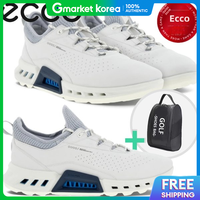
ECCO | Ecco Korea Genuine Mens Golf Shoes Biom C4 Gore-Tex 130404-57876 Spa Ta3852326
₱11,450.71₱17,512.86
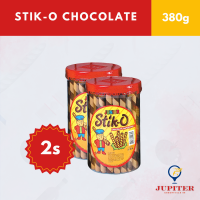
Stik-O Chocolate Junior 380g x 2
₱225.00
Buy on Lazada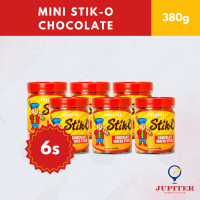
Mini Stik-O Chocolate 60g x 6
₱161.50
Buy on Lazada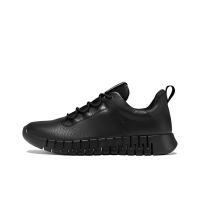
Ecco Smart Series Cow Leather Waterproof And Breathable Lightweight Low top Casual Shoes Mens Black 52522401001
₱23,838.00₱39,730.00
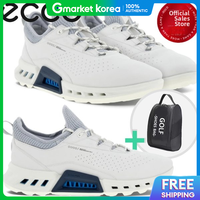
ECCO | Ecco Korea Mens Spikeless Golf Shoes Biom C4 Gore-Tex 130404-57876 Ta3852322
₱11,422.17₱17,469.20
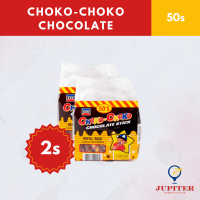
Choko Choko Chocolate 50s x 2
₱198.00
Buy on Lazada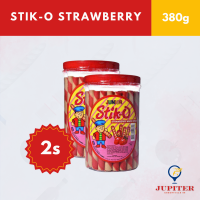
Stik-O Strawberry Junior 380g x 2
₱232.50
Buy on Lazada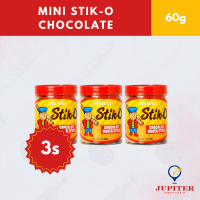
Mini Stik-O Chocolate 60g x 3
₱84.00
Buy on LazadaAbout ECCO
Overview
ECCO is a Danish footwear and leather-goods company established in 1963 by Karl and Birte Toosbuy in the town of Bredebro, located in southwestern Denmark. Originally operating as a small shoe manufacturer, ECCO has evolved into a global premium brand recognized for its emphasis on comfort, leather craftsmanship, functional Scandinavian design, and vertical integration within its manufacturing processes.1
The company remains family-owned, with its headquarters situated in Bredebro. ECCO’s stated mission is to serve as a leading premium brand for shoes and leather goods.2
Basic Information
| Category | Details |
|---|---|
| Brand | ECCO |
| Company | ECCO Sko A/S / ECCO Group |
| Founded | 1963 |
| Founders | Karl Toosbuy and Birte Toosbuy |
| Origin | Bredebro, Denmark |
| Headquarters | Bredebro, southwestern Denmark |
| Industry | Footwear, leather goods, leather manufacturing |
| Ownership | Family-owned |
| Core Products | Men’s, women’s, and children’s footwear; golf, outdoor, and walking shoes; bags and leather accessories |
| Positioning | Premium footwear and leather goods |
| Key Associations | Comfort, leather, Scandinavian design, craftsmanship, technology |
| Manufacturing Model | Vertically integrated (from leather production through retail) |
ECCO operates factories in six locations and owns four tanneries. Its current production facilities are located in Portugal, Thailand, Indonesia, China, Vietnam, and the Netherlands.
1963: The Beginning
The origins of ECCO trace back to Karl Toosbuy, a trained shoemaker who sought to establish his own factory. In 1962, Karl and Birte placed an advertisement in the Danish newspaper Jyllands-Posten seeking partners interested in building a new business. Local businessmen and farmers from Bredebro, approximately 250 km from Copenhagen, responded to the call.
On April 1, 1963, the new shoe company was formally established with initial capital of 158,000 Danish kroner. By the end of its first year, the company employed 74 people.
Initially focusing on women’s shoes, one of ECCO’s early successful designs was the Venus, a fashionable model featuring a pointed toe and thin heel. From the outset, the company’s philosophy distinguished itself from typical fashion labels by aiming to combine good design with practical footwear construction.
1970s: Expansion and Internationalization
To mitigate reliance on domestic production alone, ECCO began developing international manufacturing capabilities. This strategic shift became a cornerstone of the company’s long-term plan.
ECCO gradually expanded production outside Denmark, allowing it to increase capacity while maintaining strict control over its processes. Historical records indicate expansion into countries such as Brazil and India during this period. This marked the beginning of the international manufacturing network that defines the brand today.
The “ECCO Model”: Vertical Integration
A defining characteristic of ECCO is its vertical integration. Unlike conventional footwear companies that rely on unrelated suppliers for different stages of production (animal hide → tannery → leather supplier → shoe factory → distributor → retailer), ECCO controls substantially more of the chain internally:
Raw hides → ECCO tannery → ECCO leather → ECCO product development → ECCO shoe factory → ECCO distribution/retail → Customer
The company describes this approach as controlling the value chain from “cow to customer.” This model underscores that ECCO is not merely a brand that purchases leather and applies a logo; it possesses substantial expertise in leather production, footwear manufacturing, product development, and retail.
ECCO and Leather
Leather is central to the ECCO business. In 1985, the company decided that producing its own leather was the best way to ensure desired quality standards, leading to the development of its own tannery network.
Today, ECCO operates four tanneries. The leather produced in these facilities is used in ECCO products and also supplied to other premium and luxury brands. This ownership grants ECCO unusual control over:
- Leather selection
- Tanning processes
- Softness and thickness
- Color and surface treatment
- Durability and water resistance
- Development of new leather types
Additionally, ECCO invests in leather experimentation through initiatives like ECCO Leather and the OPEN CIRCLE LAB, where designers and specialists collaborate on new materials and treatments.3
Design Philosophy
ECCO’s design philosophy is heavily influenced by Scandinavian functionalism. Rather than prioritizing highly decorative or trend-driven aesthetics, the brand focuses on:
Form + Function + Comfort + Durability
This approach is often described as simple, sophisticated, and timeless, with functionality playing a central role. Consequently, ECCO shoes tend to look relatively understated compared to fashion-oriented brands. The core design question is: “How can a shoe look good while allowing the foot to move naturally?”
Comfort and Technology
Comfort is a primary association with the ECCO brand. Footwear development emphasizes anatomy, fit, cushioning, flexibility, and movement. The goal is to provide both physical and emotional comfort.
Several proprietary technologies support this philosophy:
FLUIDFORM™
FLUIDFORM™ is a key technology used to create the connection between the upper, midsole, and outsole. It helps shape the interior of the shoe around the natural form of the foot while preserving flexibility.
PHORENE™
PHORENE™ is a lightweight foam material used in select models where cushioning and energy return are critical.
GORE-TEX
ECCO incorporates GORE-TEX technology in selected outdoor and performance footwear to enhance weather resistance.
These technologies are presented as means to achieve better everyday wearability rather than technology for its own sake.
Product Categories
ECCO has expanded beyond its original focus on women’s footwear to include a broad portfolio:
Men’s Footwear
- Dress shoes
- Casual shoes
- Sneakers
- Boots
- Loafers
- Sandals
- Walking shoes
- Outdoor footwear
Women’s Footwear
- Casual shoes
- Sneakers
- Boots
- Sandals
- Loafers
- Dress-oriented footwear
- Walking and outdoor footwear
Sports and Outdoor
ECCO operates in specialized performance categories, particularly Golf, Outdoor, and Walking. This positions the brand between traditional leather footwear and modern performance gear.
Accessories
The brand also sells leather goods, including handbags, backpacks, wallets, belts, and small leather items, competing in the broader premium leather-goods market.
ECCO Golf
ECCO Golf represents a significant extension of the brand. Golf footwear aligns well with ECCO’s strengths because players require comfort for long walks, stability, weather resistance, grip, lightweight construction, and durability. By applying its footwear technologies to golf shoes, ECCO has established a presence in a technical, performance-oriented segment.
Manufacturing Facilities
ECCO owns and operates its own production facilities, distinguishing it from many fashion brands that outsource manufacturing entirely. Current factory networks include locations in Portugal, Indonesia, Thailand, China, and Vietnam. Tanneries operate in the Netherlands, Thailand, Indonesia, and China.
ECCO in Vietnam
ECCO maintains a manufacturing facility in Bình Dương, Vietnam. Established on a trial basis in 2015, production of shoe uppers began in 2016. The facility currently employs approximately 1,200 people. Vietnam serves as part of ECCO’s global manufacturing ecosystem.
Family Ownership
Unlike many major footwear corporations, ECCO has remained family-owned. Control passed from the founders to their daughter, Hanni Toosbuy Kasprzak, who became the owner of ECCO Group. She represents the second generation of the Toosbuy family in leadership.
Family ownership allows ECCO to take a long-term approach to manufacturing, leather development, technology, retail, product quality, and international expansion, rather than being driven primarily by quarterly shareholder expectations.
Brand Positioning
ECCO occupies a unique space in the footwear market, positioned above mass-market options but distinct from traditional luxury fashion houses.
| Segment | Typical Emphasis |
|---|---|
| Mass-market footwear | Price / Trend |
| Sports brands | Performance / Sport |
| Fashion footwear | Style / Seasonal trends |
| ECCO | Comfort / Quality / Leather / Function |
| Luxury footwear | Craftsmanship / Prestige / Fashion |
The brand’s competitive territory combines Premium comfort + Scandinavian design + Leather craftsmanship + Technology.
Distinctive Characteristics
- In-house Leather Production: Many competitors buy leather from independent suppliers; ECCO owns its tanneries.
- Owned Factories: ECCO operates its own production facilities rather than outsourcing all manufacturing.
- Value Chain Control: The “cow-to-customer” model provides extensive oversight of product development and manufacturing.
- Comfort-Centric Identity: Comfort is a central pillar of the product identity, not just a secondary feature.
- Craftsmanship Meets Tech: The brand combines traditional leather skills with materials science, injection molding, and biomechanics.
Scandinavian Identity
ECCO’s Danish origin shapes its brand identity. Its design language reflects Scandinavian characteristics such as minimalism, functionality, simplicity, practicality, understated aesthetics, use of natural materials, and durability. The brand emphasizes a connection to the natural environment surrounding its Danish headquarters, resulting in a visual language distinct from those reliant on logos or celebrity culture.
Sustainability
ECCO increasingly emphasizes environmental and corporate responsibility. Its vertically integrated model offers greater control over leather production, manufacturing processes, chemical management, material development, and factory operations. The company states that owning production and retail facilities brings a responsibility to manage environmental and social impacts.
However, owning the supply chain does not automatically equate to sustainability. Leather production involves significant environmental considerations regarding livestock, water, energy, and chemicals. ECCO’s efforts should be evaluated based on specific targets and reporting.
Global Presence
ECCO has grown from a small Danish factory into an international company. Products are sold through thousands of stores and sales points across dozens of countries. Distribution channels include ECCO-owned stores, shop-in-shops, wholesale, distributors, and e-commerce.
Brand Personality and Customers
ECCO’s personality is often described as quiet, sophisticated, practical, mature, and quality-conscious. The brand appeals to consumers who value comfort and quality without wanting an overtly sporty or fashion-forward appearance.
Typical customers prioritize comfort, foot-friendly construction, quality leather, durability, understated design, and practicality. The base includes professionals, travelers, older consumers, golfers, and outdoor enthusiasts. Recently, ECCO has introduced more contemporary sneakers to attract younger demographics.
Comparison with Other Brands
| Brand Type | Primary Proposition |
|---|---|
| ECCO | Comfort + Leather + Functional Design |
| Nike | Athletic Performance + Culture |
| adidas | Sports + Lifestyle |
| Clarks | Traditional Comfort + Heritage |
| Geox | Breathability + Everyday Footwear |
| Timberland | Outdoor Heritage + Lifestyle |
| Birkenstock | Anatomical Comfort + Distinctive Design |
| Luxury Houses | Fashion + Status + Craftsmanship |
ECCO’s advantage lies in combining premium leather manufacturing with footwear technology, sitting at the intersection of comfort, fashion, and sports utility.
Business Philosophy
The company’s values revolve around heritage, innovation, excellence, care, and passion. The stated mission is to become a leading premium brand for shoes and leather goods.2 Essentially, the philosophy is to make high-quality footwear, control materials and manufacturing, improve comfort through technology, and maintain a timeless design language.
Current Status
As of 2026, ECCO remains a privately owned Danish company headquartered in Bredebro. It continues to operate its own factories and tanneries, maintaining a broad international retail network. The product portfolio covers men’s, women’s, and children’s footwear, along with specialized golf, outdoor, and walking products and leather accessories. The company publishes annual reports, with the 2025 Annual Report listed among recent materials.
Summary
ECCO is a Danish, family-owned premium footwear and leather-goods company founded in 1963. It differentiates itself through Scandinavian functional design, comfort-focused footwear technology, high-quality leather, and unusually extensive control over its own manufacturing value chain.