Shop on Lazada
Enfamil products
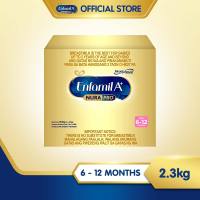
Enfamil A+ Nurapro Two Milk Supplement Powder for 6-12 Months
₱3,904.76
Buy on Lazada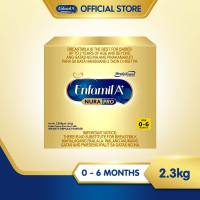
Enfamil A+ Nurapro One Infant Formula Milk Supplement Powder for 0-6 Months
₱4,000.00
Buy on Lazada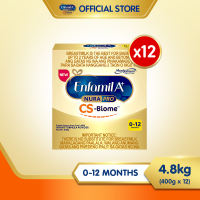
Enfamil A+ CS-Biome Infant Formula Milk Powder for 0-12 Months
₱9,146.40
Buy on Lazada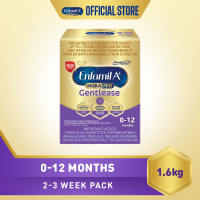
Enfamil A+ Nurapro Gentlease Infant Formula Milk Powder for 0-12 Months
₱3,595.23
Buy on Lazada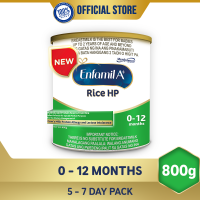
Enfamil A+ Rice Infant Milk Formula Powder for 0-12 Months 800g
₱2,648.57
Buy on Lazada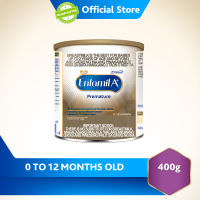
Enfamil A+ Premature 400g for 0-12 Months
₱983.00
Buy on Lazada
Enfamil A+ NuraPro CS-Biome 2kg (0-12 months)
₱4,785.75
Buy on Lazada
Enfamil A+ One NuraPro 1150g (0-6 months)
₱2,823.50
Buy on LazadaAbout Enfamil
Overview
Enfamil is a prominent infant and toddler nutrition brand best known for its baby formula. It originated within Mead Johnson, a company with roots dating back to 1905, and is currently part of Mead Johnson Nutrition. In 2017, Reckitt acquired Mead Johnson Nutrition, but in 2024, it announced a strategic separation of the nutrition business from its core consumer health operations.1
| Category | Information |
|---|---|
| Brand | Enfamil |
| Industry | Infant & child nutrition |
| Main products | Infant formula, specialty formula, toddler nutritional products |
| Parent/business | Mead Johnson Nutrition |
| Ultimate corporate history | Mead Johnson → Reckitt acquisition in 2017 |
| Origin | United States |
| Brand introduced | 1959 |
| Primary market | United States, with Enfa products marketed internationally |
| Main consumers | Newborns, infants, toddlers and their caregivers |
| Key positioning | Science-based infant nutrition and developmental support |
| Major competitors | Similac, Gerber, Kendamil and other infant-nutrition brands |
History
Mead Johnson’s beginnings
The history of Enfamil is intrinsically linked to Edward Mead Johnson, who founded Mead Johnson & Company in 1905. The company’s early development was influenced by Johnson’s personal experience with his son, Edward “Teddy” Mead Johnson Jr., who struggled to tolerate ordinary feedings. This motivated the firm to focus on specialized pediatric nutrition. Over subsequent decades, Mead Johnson established itself as a significant American pediatric nutrition company, developing formulas tailored to infants with varying nutritional requirements.
Creation of Enfamil
The Enfamil brand was introduced in 1959 following extensive research into human breast milk composition. Mead Johnson positioned it as a routine infant formula designed to approximate key aspects of human milk nutrition. The brand expanded rapidly; by 1963, it was used in hospitals across the United States, and during the 1970s, it became Mead Johnson’s top-selling product. Research continued through the following decades, leading to significant protein-composition changes in premature and routine formulas in the late 1970s and early 1980s as scientific understanding of infant nutrition evolved.
Mead Johnson and Reckitt
Mead Johnson Nutrition operated as a standalone pediatric nutrition entity for decades until Reckitt acquired the company in 2017, integrating Enfamil and brands such as Nutramigen into its group. More recently, in 2024, Reckitt announced a new corporate strategy to separate Mead Johnson Nutrition from its core consumer health and hygiene business structure.
Product portfolio
Enfamil today encompasses a broad range of products organized by age, feeding requirements, and specific nutritional needs.1
Routine infant formulas
These products are intended for babies without specific medical or dietary restrictions. Examples include:
- Enfamil NeuroPro Infant
- Enfamil Infant
- Enfamil Optimum
They are marketed to provide complete nutrition supporting growth and development.1
Gentle and sensitive formulas
Enfamil offers specialized options for caregivers concerned about fussiness, gas, crying, spit-up, or digestive sensitivity. A prominent example is Enfamil NeuroPro Gentlease, which is marketed for babies with common feeding sensitivities.1
Hypoallergenic and specialty formulas
The broader portfolio includes products for infants with specific allergy-related or nutritional needs. Nutramigen is a well-known hypoallergenic formula associated with managing cow’s milk protein allergy. The company also markets products for other specialized requirements.1
Premature infant nutrition
Reflecting Mead Johnson’s longstanding involvement in hospital care, Enfamil provides products specifically intended for premature infants.1
Toddler nutrition
The portfolio extends beyond infancy with products such as Enfagrow, which are nutritional drinks designed for toddlers.1
Science and nutritional positioning
Scientific research is central to Enfamil’s brand identity. The company states that its formulas are developed based on studies of human breast milk and infant nutritional requirements. Key areas of emphasis include DHA, an omega-3 fatty acid linked to neurological and visual development, and MFGM (milk fat globule membrane). Enfamil states that its NeuroPro products combine MFGM components with DHA to support early brain development.1
Current marketing themes include:
- Brain development
- Immune support
- Growth
- Digestive comfort
- Specialized nutrition
- Research-based formulation
The brand describes this philosophy as being “driven by the blueprint of breast milk.” However, infant formula is designed to provide nutrition when breastfeeding is not possible, insufficient, or not chosen. Marketing claims should not be interpreted as stating that formula is equivalent to breast milk in every respect.
Brand family structure
Enfamil functions as an umbrella brand rather than a single product. A simplified hierarchy includes:
- Mead Johnson Nutrition
- Enfamil
- Enfamil NeuroPro
- Enfamil NeuroPro Gentlease
- Enfamil Infant
- Enfamil Optimum
- Other specialized formulas
- Nutramigen
- Hypoallergenic formulas
- Enfagrow
- Toddler nutritional products
The exact portfolio varies by country, and not every product is available in every market.1
Brand positioning
Enfamil positions itself as a science-led, premium infant nutrition brand. Its messaging combines three core concepts:
Science
The company emphasizes decades of nutritional research, clinical studies, and human milk analysis.1
Development
Modern advertising focuses significantly on the developing brain, particularly through messaging regarding DHA and MFGM.1
Trust
Enfamil describes itself as the No. 1 infant formula brand recommended by pediatricians. This claim is based on surveys among respondents who express a preference rather than a universal medical endorsement. Consequently, statements regarding pediatrician recommendations should not be interpreted as proof of medical superiority over all competing formulas.
Manufacturing and quality
Enfamil operates dedicated infant formula manufacturing facilities in Evansville, Indiana, and Zeeland, Michigan. The company emphasizes ingredient testing, manufacturing controls, and compliance with regulations. Infant formula is a highly regulated food category; in the United States, the Food and Drug Administration (FDA) establishes strict requirements for manufacturing, composition, quality control, and safety. Enfamil states that its products are designed to meet or exceed applicable FDA and international regulatory standards.
Recalls and safety controversies
Like other major manufacturers, Enfamil and Mead Johnson have experienced product safety incidents. For example, in December 2023, the FDA reported a voluntary recall involving certain batches of Nutramigen powdered infant formula due to potential Cronobacter sakazakii contamination risks. The FDA subsequently confirmed the recall was completed and terminated. This highlights that brand size and history do not guarantee every batch is risk-free. Caregivers are advised to check specific product details, lot numbers, expiration dates, and current regulatory notices when safety concerns arise.
Competition
Enfamil operates in a highly competitive global market. Its most recognizable U.S. competitor is Similac, while other brands compete in segments such as organic, European-style, specialty, and sensitive formulas. Competition generally revolves around:
- Nutritional composition
- DHA and other fatty acids
- Prebiotics and probiotics
- Protein structure and digestibility
- Specialty formulations
- Ingredient sourcing
- Price
- Healthcare professional perception
- Availability during shortages
- Brand trust
The market is particularly sensitive because parents and healthcare professionals place high importance on safety, nutritional adequacy, and tolerability.
Marketing strategy
Enfamil directs its marketing primarily toward parents and expectant parents. Its website provides educational content covering pregnancy, newborn feeding, breastfeeding, combination feeding, formula feeding, infant development, digestive issues, allergies, and toddler nutrition. It also operates Enfamil Family Beginnings, a loyalty program offering rewards, samples, savings, and parenting information.1 This approach aims to build long-term relationships with families from pregnancy through toddlerhood rather than simply selling individual products.
Global presence and Philippine context
While Enfamil has strong recognition in the United States, Mead Johnson has historically operated internationally. Outside the U.S., products may be marketed under different Enfa-family names with varying formulations, packaging, and regulatory requirements. This is particularly relevant for readers in the Philippines: an Enfamil product sold locally may not have exactly the same formulation or labeling as one sold in the United States, Mexico, China, or elsewhere. Consumers should always refer to local product packaging for specific ingredient and usage information.
Corporate identity
The corporate structure behind Enfamil has evolved over time:
- 1905: Mead Johnson & Company founded
- 1959: Enfamil introduced
- 1960s–2000s: Enfamil becomes a major pediatric nutrition brand
- 2017: Reckitt acquires Mead Johnson Nutrition
- 2024: Reckitt announces separation of Mead Johnson Nutrition from its core business1
Currently, Enfamil’s U.S. legal information identifies Mead Johnson & Company, LLC, while Reckitt’s corporate materials identify Mead Johnson Nutrition as a specialized nutrition business.1
Brand strengths
From a business perspective, Enfamil’s strengths include:
- More than six decades of brand history since 1959
- Over a century of Mead Johnson pediatric nutrition heritage
- Strong recognition among parents and healthcare professionals
- A comprehensive portfolio covering ordinary and specialized needs
- Science and research-oriented positioning
- Extensive hospital and healthcare professional presence
- Recognizable premium brand identity
- Significant investment in parent education and loyalty programs
The brand emerged from Mead Johnson’s longer history in pediatric and specialized nutrition rather than as a modern consumer marketing creation.
Criticism and limitations
Enfamil and the infant formula industry face recurring criticism regarding:
- High product pricing
- Marketing practices surrounding infant feeding
- Communication regarding breastfeeding versus formula feeding
- Product recalls and contamination risks
- Competition for hospital and healthcare professional relationships
- Parental confusion caused by numerous formula variants
Reckitt states that its Mead Johnson Nutrition business follows and promotes WHO recommendations concerning marketing practices that support mothers’ choice and ability to breastfeed.
Enfamil today
As of 2026, Enfamil remains one of the most recognizable infant formula brands globally. Its portfolio spans ordinary infant formulas, sensitive products, hypoallergenic nutrition, premature infant nutrition, and toddler products.1 The brand’s modern identity is defined by scientific research, specialized formulations, developmental nutrition support, and healthcare professional trust. Its competitive differentiation lies in this research-led approach and broad product range rather than functioning solely as a basic milk substitute.