Shop on Lazada
Fairtex products
Fairtex Boxing Gloves for Adult Kids PU Leather Boxing Training Equipment Muay Thai Professional Training Gloves
₱1,076.42₱2,068.91
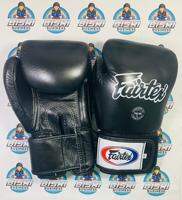
FAIRTEX Bgv1 Boxing Gloves
₱4,850.00
Buy on Lazada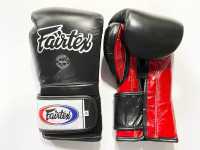
Fairtex BGV9 Genuine Leather Mexican Style Muay Thai Boxing Gloves
₱7,600.00
Buy on Lazada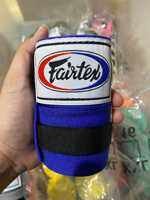
Fairtex Semi Elastic Cotton Muay Thai Boxing Hand Wraps with Box
₱1,000.00
Buy on Lazada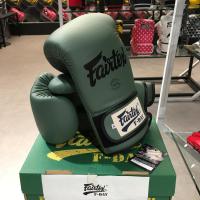
Fairtex BGV11 F-day Matte Green Muay Thai Boxing Gloves
₱7,400.00
Buy on Lazada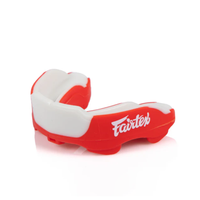
Fairtex | Sports Protective Mouth Guard
₱2,165.00
Buy on Lazada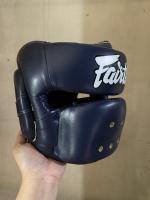
Fairtex HG14 Full Face Head Gear Muay Thai Head Guard
₱7,700.00
Buy on Lazada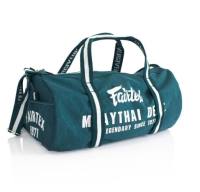
Fairtex BAG9 Retro Style Barrel Bag Gym Bag Muay Thai Duffle Bag
₱7,500.00
Buy on LazadaAbout Fairtex
Fairtex is a Thai combat sports brand best known for its Muay Thai equipment, training gear, fightwear, and apparel. The company maintains a significant presence in boxing, kickboxing, and mixed martial arts (MMA) and is closely associated with the development and international promotion of modern Muay Thai equipment. Fairtex states that its products are manufactured in Thailand and distributed through authorized dealers in more than 50 countries.1
Note on founding date: Fairtex materials distinguish between the registration of the Fairtex name and trademark in 1958 and the establishment of Fairtex Garments Factory in 1971. Consequently, some references cite 1958 as the founding date, while others use 1971 to denote the operational start of the manufacturing business.2
Basic information
| Field | Information |
|---|---|
| Brand | Fairtex |
| Country of origin | Thailand 🇹🇭 |
| Industry | Combat sports / sporting goods |
| Main sports | Muay Thai, boxing, kickboxing, MMA |
| Trademark registered | 1958 |
| Fairtex Garments Factory established | 1971 |
| Founder | Banjong “Philip/Phillip” Wong Busarakamwong |
| Manufacturing | Thailand |
| Known for | Gloves, shorts, shin guards, pads, bags, apparel, and training equipment |
| Original martial arts identity | Muay Thai |
| Global reach | 50+ countries through official distributors |
| Training center | Fairtex Training Center, Thailand |
The company profile identifies Philip Wong as the founder and lists Bangplee, Samutprakan, Thailand, as its headquarters. Other corporate materials emphasize the brand’s manufacturing operations within Thailand.3
History
1958: The Fairtex name
The history of the brand begins with the registration of the Fairtex name as a trademark in Thailand in 1958, a date frequently cited as the company’s founding. The founder was Banjong Busarakamwong, known internationally as Philip or Phillip Wong. He originally operated in the textile and garment sector rather than establishing Fairtex immediately as a combat sports equipment company.4
1971: Fairtex Garments Factory
In 1971, Wong established Fairtex Garments Factory Company Limited, which became the foundation of the Fairtex Group. The company initially focused on textiles and garments before developing Fairtex-branded products for both the Thai market and international customers.5 During the 1970s, Fairtex achieved significant success with branded T-shirts in Thailand. Historical accounts indicate the brand became one of the country’s leading apparel labels before its identity became predominantly associated with combat sports.6
Transition to a Muay Thai brand
The transformation into the contemporary Fairtex brand stemmed from Philip Wong’s personal interest in Muay Thai. Wong practiced the sport as a hobby and established a Fairtex Muay Thai training camp in 1975. The camp was initially located in Bangkok before relocating to Bangplee.7
The motivation extended beyond commerce; historical records describe the camp as a means to provide young Thai men, including disadvantaged youth, with an alternative path through Muay Thai training.8 This created a critical feedback loop: factory production led to equipment used in the training camp, where fighters tested gear and provided data for product improvement. Rather than designing equipment solely from a manufacturing perspective, Fairtex validated products in an active Muay Thai environment. This philosophy remains central to the brand’s operations.
Fairtex Training Center
The Fairtex Training Center became integral to the company’s identity. It served not merely as a retail outlet but as a facility where fighters trained, competed, and contributed to equipment development. Fairtex attributes many product innovations to decades of testing within this environment and through sponsored champions.
This dual role distinguishes Fairtex from generic sports equipment companies. Historically functioning as both a manufacturer and a fight camp, the brand maintains a connection to active fighters that extends beyond retail sportswear.
Professional fighters
Fairtex has historically sponsored and developed professional fighters across Muay Thai, kickboxing, and MMA. The company describes its equipment as being used by athletes and organizations associated with competitions such as K-1, WBC Muay Thai, WEC, Strikeforce, Pancrase, and Thai Fight.9
The Fairtex training system has produced and supported numerous champions. Notable figures associated with the Fairtex fighting legacy include:
- Yodsanklai Fairtex: One of the most famous Muay Thai fighters associated with the brand name.
- Jongsanan Fairtex: A legendary Muay Thai fighter known as “The Woodenman.”
- Stamp Fairtex: A major contemporary female star in Muay Thai, kickboxing, and MMA.
- Smilla Sundell: A world-class Muay Thai fighter on the modern athlete roster.
Fairtex highlights fighters such as Stamp and Smilla as examples of its modern global presence.10
Connection with ONE Championship
A significant modern relationship exists between Fairtex and ONE Championship. The brand has gained high visibility through ONE’s international broadcasts, particularly as Muay Thai has become a primary sport within the organization. This exposure has substantially affected Fairtex’s international profile.
For newer fans outside Thailand, the combination of ONE Championship, Muay Thai, Fairtex fighters, and Fairtex equipment has established the company as one of the most recognizable Thai combat sports brands globally. Fairtex describes this partnership as a key component of its international combat sports presence.11
Product range
Fairtex manufactures a broad spectrum of combat sports gear.
Gloves
The company’s most renowned products are its Muay Thai gloves. The lineup includes various models designed around specific proportions, padding arrangements, and intended uses. The BGV1 model is particularly iconic and widely associated with the classic Fairtex aesthetic. The design philosophy emphasizes proprietary padding and construction rather than replicating conventional Western boxing gloves.12
Shin guards
Fairtex produces shin and instep protection for Muay Thai, kickboxing, MMA, sparring, and pad work. The company is noted for compact, relatively low-profile protective equipment suited to traditional Thai fighting styles.
Muay Thai shorts
Muay Thai shorts are a signature product line. They traditionally feature short athletic cuts, wide waistbands, Thai-style construction, embroidered graphics, bright colors, and elaborate designs. The leg length is typically shorter than conventional boxing trunks, maintaining a strong connection to traditional Thai fightwear aesthetics.
Boxing and focus pads
The manufacturing catalog includes focus mitts, kick pads, belly pads, Thai pads, punching bags, and body shields. Several designs are proprietary to Fairtex rather than generic categories. Specific products such as the Leg Kick Pad, KPLC Curved Kick Pads, and FMV11 Aero Focus Mitts are cited as examples of unique Fairtex engineering.13
MMA equipment
While Muay Thai is the historical foundation, Fairtex has expanded significantly into MMA. The range includes MMA gloves, grappling gloves, shin protection, training apparel, protective equipment, and accessories. The company explicitly identifies MMA as a vital business segment and notes long-standing involvement in the industry.14
Apparel
Reflecting its origins in garments, Fairtex sells T-shirts, hoodies, training shirts, fight shorts, casual clothing, lifestyle apparel, and accessories. The brand functions simultaneously as a combat equipment manufacturer and a combat sports lifestyle label.
Manufacturing philosophy
Fairtex emphasizes Thai manufacturing and craftsmanship as core selling points. Products are manufactured at the company’s own factory in Thailand using selected high-grade materials and components.15
The production process relies heavily on skilled manual craftsmanship rather than full automation. Attention is paid to stitching, shape, finishing, and other details.16 This approach supports the brand positioning of being “Made in Thailand” rather than simply “designed in Thailand,” a distinction carrying cultural and sporting significance for Muay Thai enthusiasts.
Market differentiation
Fairtex occupies a distinct position in the combat sports market due to several converging factors:
- Thai heritage: The brand grew alongside the domestic Muay Thai ecosystem.
- Manufacturing: It has historically manufactured its own equipment rather than operating solely as a marketing label.
- Fighter testing: Equipment is validated by active fighters and training camps.
- Training camps: The company operates a combat sports training ecosystem.
- Fighter sponsorship: Fairtex has supported professional fighters for decades.
- Globalization of Muay Thai: The brand helped introduce Thai-style equipment and fightwear to international markets.
This combination creates an identity distinct from brands that entered combat sports primarily through Western boxing or general fitness.
Design philosophy
Fairtex equipment utilizes a recognizable design language emphasizing compactness, mobility, durability, and Thai-style construction. For example, Muay Thai gloves are shaped to facilitate punching, clinching, catching kicks, blocking, and traditional movements. Practitioners often distinguish these from conventional Western boxing gloves because the designs accommodate the use of fists, elbows, knees, shins, and the clinch rather than punches alone.
Position in Muay Thai
Within the Muay Thai community, Fairtex is regarded as a major equipment brand, operating in the same competitive landscape as Twins Special, Top King, Yokkao, Boon, Raja, and Windy. Each brand possesses distinct design characteristics and followings. Fairtex’s particular strength lies in the integration of equipment manufacturing, training camps, professional fighters, and international brand recognition, making it closely associated with contemporary Muay Thai culture.
Comparison with conventional sports brands
Unlike conventional sports companies that follow a linear model of design, manufacture, advertise, and sell, Fairtex utilizes a cyclical development model. Fighters are trained, equipment is manufactured and used by those fighters, feedback is collected, and products are redesigned and remanufactured. This explains the frequent emphasis on equipment being “tested by fighters,”17 as the training camp effectively functions as part of the product development ecosystem.
Global expansion
Although deeply Thai in origin, Fairtex is now a global brand with official distributors in more than 50 countries. Retail locations and training centers extend beyond Thailand into Southeast Asia, East Asia, Europe, North America, Australia, South America, and other international combat sports markets. The growth of international Muay Thai, kickboxing, and MMA has naturally expanded the market for Fairtex products.
Globalization of Muay Thai
The trajectory of Fairtex parallels the globalization of Muay Thai itself. While Muay Thai was primarily understood as a Thai national sport for much of the 20th century, it is now practiced in gyms worldwide. Fairtex has both benefited from and contributed to this transformation. As international audiences were exposed to Muay Thai through organizations like ONE Championship, they simultaneously discovered Fairtex, a brand already established within Thai combat sports for decades.18 In this sense, Fairtex serves as a vehicle for exporting Thai combat sports culture.
Brand image
The Fairtex brand identity combines authentic Thai combat sports, professional performance, craftsmanship, and fighter culture. Visual identity elements frequently include Thai-inspired graphics, bold colors, traditional Muay Thai aesthetics, embroidered logos, fighter imagery, and competition-oriented designs.
The brand appeals to two overlapping audiences:
- Professional/practical audience: Fighters, coaches, gyms, and serious practitioners.
- Lifestyle audience: Muay Thai fans, streetwear consumers, martial arts enthusiasts, and those attracted to Thai fight culture.
Cultural significance
Fairtex has achieved recognition beyond active fighters. Wearing Fairtex shorts or gloves signals participation in Muay Thai training, similar to how specific football jerseys or basketball shoes communicate membership in a sporting culture. The logo has become a cultural marker within the global Muay Thai community.
Quality and reputation
The brand’s reputation is built on durability, craftsmanship, and authentic Thai construction. Fairtex states it uses Grade A materials and selects components from specialist suppliers, with products tested by its own camp and sponsored athletes.19
Preference for Fairtex versus competitors like Twins, Top King, Yokkao, Boon, or Raja is subjective and depends on hand shape, glove preference, padding density, and fighting style. Fairtex’s importance derives from its combination of history, Thai manufacturing, product design, and fighter ecosystem rather than objective superiority over every competing brand.
Famous Fairtex products
| Product | Importance |
|---|---|
| BGV1 Gloves | One of the brand’s signature glove designs |
| Muay Thai Shorts | Classic Fairtex fightwear |
| Shin Guards | Major part of its protective equipment lineup |
| Thai Pads | Widely used for Muay Thai training |
| Focus Mitts | Boxing/Muay Thai striking training |
| Kick Pads | Core professional gym equipment |
| Punching Bags | Heavy bag and training equipment |
| MMA Gloves | Expansion beyond traditional Muay Thai |
| Apparel | Lifestyle extension of the brand |
Fairtex highlights several proprietary innovations, including specific kick pads, shin pads, focus mitts, and gloves.
Fairtex today
As of 2026, Fairtex is understood as a global Thai combat sports company rather than solely a Muay Thai glove manufacturer. Its activities span manufacturing (gloves, pads, shorts, protection, bags, apparel), training (Muay Thai and combat sports), athlete development and sponsorship, competition involvement with major organizations, international retail distribution, and the promotion and preservation of Muay Thai culture. The company profile describes its broader vision as promoting Muay Thai and martial arts worldwide through equipment and training programs.
Timeline
1958
Fairtex name registered as a Thai trademark.
1971
Philip Wong establishes Fairtex Garments Factory, laying the foundation for the modern business.
Mid-1970s
Fairtex becomes an important Thai apparel brand while increasingly developing combat sports equipment.
1975
Fairtex establishes its Muay Thai training camp, initially in Bangkok and later in Bangplee.
1980s–1990s
The training and fighter development system grows, strengthening the relationship between the brand, professional fighters, and equipment development.
2000s
Fairtex expands internationally into broader combat sports, including MMA, while gaining recognition outside Thailand.
2010s
Global growth of MMA and kickboxing, followed by the rapid international expansion of ONE Championship, provides Fairtex with substantially greater international exposure.
2020s
Fairtex becomes one of the most recognizable Thai combat sports brands worldwide, with distribution in over 50 countries and a major presence in international Muay Thai.
References
- About Fairtex – Fairtex Global
- เกี่ยวกับเรา – Fairtex Thailand
- Fairtex Company Profile – Fairtex Global
- о фабрике Fairtex – fairtex
- The Fairtex Saga: Muay Thai History & Quality
- Authentic Thai Boxing Gear: The Professional Guide to Muay Thai Equipm – Fairtex Global
- About Fairtex – Fairtex Europe
- Be Inspired. The Story of Mr. Phillip Wong and the Spirit of Fairtex – Fairtex Global
- Muay Thai Gloves 16oz: The Professional Reference for Sparring and Saf – Fairtex Global
- Shop Muay Thai T-Shirts | Fairtex Training Tees – Fairtex Global
- Best Boxing Headgear & Muay Thai Head Guards (2026) – Fairtex Global
- History of Muay Thai: From Battlefield to Ring Legends – Fairtex Global
- History of Muay Thai: From Battlefield to Ring Legends – Fairtex Global
- Best Muay Thai Brands in 2025: A Complete Guide to Quality Gear – Fairtex Global
- Be Inspired. The Story of Mr. Phillip Wong and the Spirit of Fairtex – Fairtex Thailand
- Be Inspired. The Story of Mr. Phillip Wong and the Spirit of Fairtex – Fairtex Europe
- About Us | Fairtex Muay Thai Shop Singapore
- About Fairtex Thailand | Fairtex Thailand
- Fairtex History