Shop on Lazada
Femfresh products
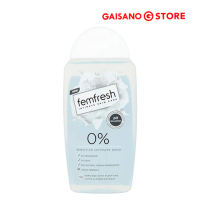
Femfresh 0% Sensitive Intimate Wash 250mL
₱260.00
Buy on Lazada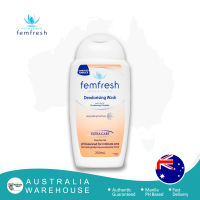
Australian Femfresh Deodorising Wash (250ml)
₱389.00
Buy on Lazada
Femfresh Intimate Hygiene 0% Sentitive Wash 250ml/Femfresh Intimate Hygiene Daily Wash
₱547.80₱851.00
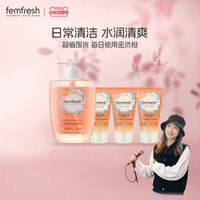
Femfresh | Daily Intimate Wash 600ml
₱1,608.00₱4,174.00
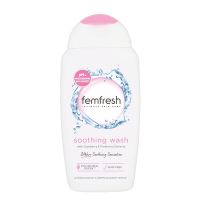
Femfresh Ultimate Care Wash 250ml - Soothing/Active
₱532.58₱700.00
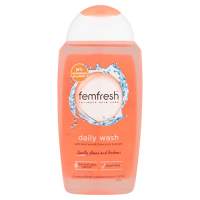
Femfresh Intimate Hygiene Daily Intimate Wash 250ml
₱419.00₱450.00
![[Quality Guaranteed] Pleasure Essential: Female Tightening Gel (50 ML) for Enhanced Intimacy](https://ph-live.slatic.net/p/ec95708fece9ee98969f7433caebe414.jpg_200x200q80.jpg)
[Quality Guaranteed] Pleasure Essential: Female Tightening Gel (50 ML) for Enhanced Intimacy
₱688.51₱899.00
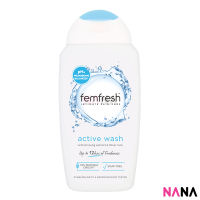
Femfresh Active Wash 250ml
₱600.00₱760.00
About Femfresh
Femfresh is a British-origin feminine intimate care brand specialising in products designed for the external intimate area (vulva). Established in the United Kingdom in 1968, the brand has evolved from an early feminine deodorant into a broader personal care range that includes intimate washes, wipes, deodorants, powders, and foaming cleansers. Femfresh is currently part of the international consumer products company Church & Dwight Co., Inc. and sits within its international personal care portfolio.1
Overview
| Category | Information |
|---|---|
| Brand name | Femfresh / FemFresh™ |
| Origin | United Kingdom |
| Founded | 1968 |
| Industry | Personal care / feminine intimate hygiene |
| Parent company | Church & Dwight Co., Inc. |
| Main category | Feminine intimate care |
| Core products | Intimate washes, foams, wipes, deodorants, and powders |
| Primary use | External intimate-area cleansing and freshness |
| Brand positioning | Everyday intimate hygiene, freshness, and intimate-skin care |
| Current reach | International/global markets |
Femfresh states that it was launched in the UK in 1968 and has since developed into a global feminine intimate hygiene brand.1
History
Origins: 1960s–1970s
Femfresh emerged in Britain during a period when a new market for feminine deodorants and intimate freshness products was developing. Academic research into the history of feminine hygiene advertising identifies Femfresh among the brands that appeared in the UK market during the 1960s. The brand cites 1968 as its UK launch date.1
In its early decades, Femfresh was strongly associated with feminine deodorants, including sprays, powders, and wipes. Its advertising addressed concerns about intimate odour and freshness, reflecting social attitudes towards women’s bodies and hygiene common at the time. By the early 1970s, Femfresh had become a leading brand in Britain’s feminine deodorant market.
This early positioning remains a controversial aspect of the brand’s history. Feminist groups and medical commentators criticised feminine deodorant advertising for encouraging women to view normal genital odour as a problem requiring commercial solutions. A 2023 academic study specifically used Femfresh’s advertising campaigns to examine how ideas of femininity, cleanliness, sexuality, and shame were communicated to consumers during this era.
Expansion beyond deodorants
Over time, Femfresh broadened its proposition beyond deodorants. The brand developed products intended for everyday external intimate cleansing and freshness, including washes, wipes, and other personal care formats. This shift helped transition the brand from being primarily associated with feminine deodorant towards the wider category now commonly known as intimate care.
This evolution is significant because modern Femfresh marketing generally emphasises the care of intimate skin, pH balance, and gentle cleansing rather than simply masking odour.1
Church & Dwight acquisition
Femfresh became part of the Church & Dwight portfolio in 2014 according to the company’s historical acquisition timeline. Church & Dwight subsequently positioned Femfresh as one of its internationally oriented personal care brands.
Church & Dwight is a US-based consumer products company whose portfolio includes ARM & HAMMER, Batiste, Waterpik, and TheraBreath. In recent corporate materials, Femfresh is grouped with the company’s international personal care and over-the-counter brands.
Products
The Femfresh range varies by country, but the portfolio broadly falls into several categories.
Intimate washes
These are liquid cleansers designed for the external intimate area. Ingredient disclosures for the Femfresh Daily Intimate Wash list components including water, surfactants, glycerin, calendula extract, aloe vera extract, and lactic acid.2 The inclusion of lactic acid is relevant to the brand’s pH-focused positioning.
Intimate foams
Femfresh also sells foaming intimate cleansers. Examples in Church & Dwight’s ingredient database include Intimate Foam Oat N Shea and Intimate Foam Rose Cotton Flower. The Oat N Shea formulation contains oat extract, shea-derived extract, glycerin, prebiotic ingredients, and lactic acid.2
Sensitive products
The portfolio includes products aimed at consumers who prefer formulations marketed towards sensitive intimate skin, such as Femfresh 0% Sensitive Wash and 0% Sensitive Wipes.2
Wipes
Femfresh wipes serve as a portable option for external intimate freshness and hygiene. Ingredient information for the 0% Sensitive Wipes lists aloe vera, calendula, and lactic acid.2
Deodorants
Deodorants remain part of the current portfolio despite being more closely associated with the brand’s historical identity. Products listed by Church & Dwight include FemFresh Daily Deodorant and Active Fresh Deodorant.2
Powders
The brand offers intimate care powders, including FemFresh Daily Powder. Current ingredient disclosures identify corn starch as the primary absorbent ingredient.2
Brand philosophy and positioning
Modern Femfresh positions itself around the concept that the vulva is sensitive skin requiring appropriate care, rather than treating intimate hygiene merely as an extension of ordinary body washing. The brand emphasises:
- pH-balanced formulations
- Soap-free products
- Gentle cleansing
- Freshness
- Everyday intimate care
- Dermatological and gynaecological testing
- Education about intimate health
Femfresh states that its products are soap-free, pH-balanced, and clinically tested under dermatological and gynaecological controls.1
A key terminological distinction in modern positioning is that Femfresh products are intended for the vulva and external intimate skin, not for internal vaginal washing. The vagina is internally self-cleaning, whereas the vulva refers to the external genital area.
pH positioning
pH balance is a central marketing concept for Femfresh. The brand explains that intimate skin has a different pH environment from much of the body’s skin and therefore promotes specially formulated intimate care products rather than ordinary soaps or shower gels.1
Many Femfresh formulations use lactic acid or sodium lactate as pH-modifying or buffering ingredients. These appear in ingredient disclosures for the Daily Intimate Wash and several intimate foams.2
It is important to distinguish marketing claims from medical interpretation: pH-balanced external cleansing products are not treatments for vaginal infections. Unusual odour, itching, pain, or abnormal discharge should not be masked with intimate deodorants or washes.
Ingredients and formulation
Femfresh formulations differ considerably between products and markets, meaning there is no single universal ingredient list. Common formulation components include:
- Lactic acid: Used for pH adjustment and buffering.
- Glycerin: A humectant and moisturising ingredient.
- Surfactants: Cleansing agents.
- Aloe vera: Used for skin conditioning in some products.
- Calendula extract: Used for skin conditioning in certain formulations.
- Botanical extracts: Such as oat, shea, rose, or cotton flower depending on the product.
- Preservatives: Such as sodium benzoate and potassium sorbate in some washes and foams.
- Fragrance: Present in some, but not all, formulations.2
Descriptions claiming Femfresh is “chemical-free” would be inaccurate. Like other cosmetic and personal care products, its formulations contain functional ingredients that perform specific roles.
Target consumers
The primary audience for Femfresh comprises women seeking products specifically marketed for external intimate hygiene and freshness. The contemporary range attempts to cover various situations and preferences, including:
- Everyday cleansing
- Sensitive-skin care
- Freshness while travelling
- Menstrual-period hygiene
- Post-exercise freshness
- Portable hygiene through wipes
- Deodorising and freshness products
Historically, the target audience was more explicitly tied to ideas of femininity and avoiding intimate odour. Modern branding has shifted towards self-care, intimate health education, and the normalisation of conversations about the vulva. This represents a significant change from the brand’s advertising culture in the 1960s and 1970s.
Marketing and cultural significance
Femfresh is notable from a marketing-history perspective as one of the established brands associated with the development of the modern feminine intimate care category. Its early advertising illustrates how personal care companies historically transformed a normal bodily characteristic—genital odour—into a consumer concern. Academic research has documented how Femfresh advertisements connected “freshness” with femininity, desirability, and social acceptability during the 1960s and 1970s.
Consequently, Femfresh serves as an example of how advertising has influenced cultural ideas about women’s bodies and hygiene. Simultaneously, the brand has adapted to contemporary conversations around intimate health. Its current website focuses more heavily on education about intimate skin and the distinction between different aspects of intimate anatomy.1
Ownership and corporate structure
Femfresh is currently owned by Church & Dwight Co., Inc. Corporate reporting places Femfresh within the Consumer International business division. In 2025, the company reported that growth in Consumer International was driven in part by Femfresh alongside brands such as HERO and THERABREATH.3
Corporate presentations continue to identify Femfresh as one of Church & Dwight’s internationally distributed personal care brands. Femfresh is not an independent standalone company but rather a consumer brand within a larger multinational organisation.
International presence
Although Femfresh originated in Britain, it has expanded internationally and is marketed in multiple countries. Church & Dwight describes Femfresh as part of its international brand portfolio, and 2025 reporting specifically identifies the brand as contributing to Consumer International performance.3
The precise product range, packaging, formulation, and product names may vary between markets due to differing cosmetic regulations and consumer preferences.
Sustainability and corporate responsibility
As Femfresh is owned by Church & Dwight, relevant environmental and sourcing policies are often set at the parent-company level. Church & Dwight reported in its 2025 sustainability materials that it had eliminated PVC from packaging for non-pharmaceutical and non-OTC products, with longer-term goals concerning recyclable packaging, virgin plastic reduction, and recycled content.2
The company also reports responsible sourcing policies for palm oil derivatives used across parts of its portfolio, including feminine care products.2 These initiatives should be understood as Church & Dwight corporate sustainability efforts rather than claims that every Femfresh product independently meets a particular environmental certification.
Criticism and controversy
The history of Femfresh is linked to broader criticism of the feminine deodorant industry. During the late 1960s and early 1970s, critics argued that feminine deodorants could reinforce the idea that natural genital odour was dirty, embarrassing, or socially unacceptable. Women’s organisations, including Women in Media, challenged advertising for vaginal deodorants, while medical concerns about irritation and inappropriate use contributed to controversy surrounding the category.
This historical criticism provides context for today’s more health-oriented intimate care marketing. Industry language has shifted from heavily emphasising femininity and odour avoidance towards concepts such as skin care, pH balance, comfort, and education.
Femfresh today
As of 2026, Femfresh remains an active brand within Church & Dwight’s international consumer portfolio. Annual reporting indicates that Femfresh contributed to Consumer International growth in 2025, and strategy materials continue to classify it among the company’s internationally focused personal care brands.3
The modern brand encompasses three major layers:
- Historical identity: A pioneering British feminine deodorant brand dating to 1968.
- Modern product identity: An intimate care brand selling washes, foams, wipes, deodorants, and powders.
- Corporate identity: An international personal care brand owned by Church & Dwight.
Key timeline
- 1968: Femfresh launches in the UK.1
- Early 1970s: Becomes a major brand in Britain’s feminine deodorant market and becomes involved in wider debates about feminine deodorant advertising and intimate hygiene.
- Later decades: Expands beyond deodorants into washes, wipes, and broader intimate care products.
- 2014: Femfresh appears in Church & Dwight’s acquisition timeline.
- 2020s: Positioned as an international personal care and intimate hygiene brand within Church & Dwight.
- 2025–2026: Continues contributing to Church & Dwight’s Consumer International business and remains part of its international personal care strategy.3