Shop on Lazada
Fragment Design products
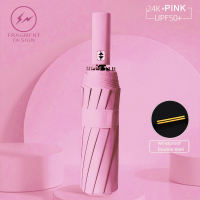
F&D High-Quality 24 Ribs Automatic Umbrella Storm Resistant Large Umbrella For Sun And Rain Umbrella
₱239.00₱599.00
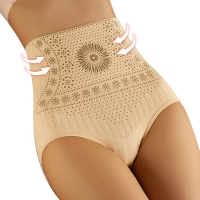
F&D High Waist Tummy Control Pants Womens Lower Abdomen Strong Waist Shaping Postpartum Butt Lifting Tummy Control Body Shaping Pants
₱120.00₱199.00
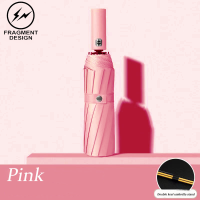
F&D Umbrella Folding Automatic Sunny And Rain Dual-Use Ultra-Light Folding Men Women Design Umbrella Black
₱239.00₱599.00
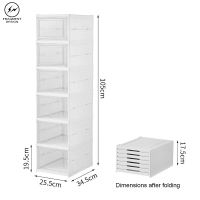
F&D 1/3/6 Layers Foldable Stackable Shoe Box Organizer Plastic Organizer Storage Case Set Dustproof Drawer Shoe Rack Hard Shell Transparency
₱1,199.00₱2,299.00
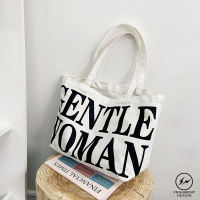
F&D Tote Bag With Zipper Large Capacity Alphabet Canvas Bags For Ladies Gentle Woman Korean Style
₱120.00₱189.00
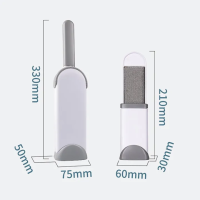
F&D Magic Lint Remover Pet Hair Remover Clothes Lint Roller Reusable Hair Sofa Clothing Clean Static Brush Double-Sided Hair Cleaning Brush
₱176.00₱299.00
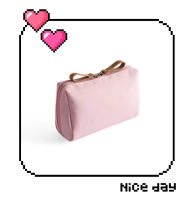
F&D Pouches Bag Organizer Makeup Bag Pouch Organizer Cosmetic Bag Make Up Pouch Bag Wash Pouch Travel Organizer
₱106.00₱199.00
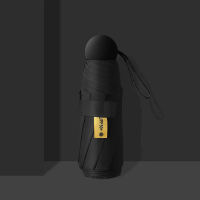
F&D Ultralight Mini Five-fold Umbrella Anti-ultraviolet Folding Sunshade Dual-purpose Sunny Umbrella
₱216.00₱599.00
About Fragment Design
Fragment Design (stylized as fragment design) is a Japanese design label and creative studio founded in 2003 by Hiroshi Fujiwara. Rather than operating as a traditional fashion house with large seasonal collections, Fragment functions primarily as a design consultancy, collaborative brand, and creative platform, working with leading companies across fashion, footwear, technology, furniture, and lifestyle. It is widely regarded as one of the most influential names in modern streetwear despite maintaining a deliberately low-profile public presence. 1
Overview
- Founded: 2003
- Founder: Hiroshi Fujiwara
- Headquarters: Tokyo, Japan
- Industry: Fashion, streetwear, product design, creative consulting
- Known for: Minimalist aesthetics, premium collaborations, lightning bolt logo, limited releases
- Design Philosophy: Simplicity, refinement, subtle branding, and meticulous attention to detail. 2
History
Origins
Fragment Design emerged after Hiroshi Fujiwara spent more than two decades shaping Japanese youth culture.
Born in Ise, Mie Prefecture, Fujiwara moved to Tokyo in the early 1980s and became one of the pioneers of Japan’s hip-hop scene after discovering the genre during trips to New York City. At the same time, he became deeply involved in Harajuku’s emerging street fashion culture. His earlier brands—including GOODENOUGH (1988), Electric Cottage, and other creative ventures—laid much of the foundation for what later became contemporary Japanese streetwear. 1
By 2003, Fujiwara consolidated his design philosophy into Fragment Design. Unlike conventional fashion labels, Fragment was conceived less as a clothing company and more as a creative signature that could enhance products across many industries. 3
Philosophy
Fragment Design is based on the idea that good design should improve existing products rather than reinvent everything from scratch.
Core principles include:
- Minimalism
- Functional improvements
- Timeless design
- Premium materials
- Limited production
- Quiet branding
Instead of loud graphics, Fragment often uses subtle details:
- Tonal colors
- Hidden branding
- Premium fabrics
- Refined construction
- Understated logos
This approach helped establish what many describe as “quiet luxury” within streetwear years before the term became popular. 4
Logo
Fragment’s most recognizable symbol is its double lightning bolt logo.
The logo originally appeared during Fujiwara’s earlier Electric Cottage project before becoming Fragment Design’s official mark.
The lightning bolts symbolize energy, connection, and creative influence rather than a specific product category.
Today the logo is one of the most recognizable symbols in global streetwear. 3
Business Model
Unlike most fashion labels, Fragment rarely produces large standalone collections.
Instead, its output consists mainly of:
- Collaborative sneakers
- Apparel capsules
- Accessories
- Home goods
- Electronics
- Furniture
- Special projects
- Creative direction
- Brand consulting
Its name often functions as a mark of design approval rather than indicating that Fragment manufactured the product itself. 4
Design Style
Fragment Design’s visual language typically includes:
- Black
- White
- Navy
- Grey
- Minimal typography
- Monochrome palettes
- Premium fabrics
- Clean silhouettes
- Hidden technical details
- Functional improvements
Collections often appear understated until examined closely.
Major Collaborations
Fragment Design has collaborated with some of the world’s most recognizable brands, including:
Sportswear
- Nike
- Jordan Brand
- Converse
Its Nike collaborations—particularly Air Jordan 1, Dunk, Air Force 1, Air Trainer, and HTM projects—are among the most sought-after sneakers in the resale market. 5
Luxury Fashion
- Louis Vuitton
- Moncler
- TAG Heuer
These collaborations combine luxury craftsmanship with minimalist streetwear aesthetics. 4
Lifestyle & Technology
- Starbucks
- Pokémon
- Bang & Olufsen
- Medicom Toy
- Red Wing Shoes
These projects extend Fragment’s design philosophy into consumer electronics, collectibles, and everyday objects. 6
Influence on Streetwear
Fragment Design has had an outsized influence on modern fashion despite producing relatively few products.
Its impact includes:
- Popularizing limited-edition collaborations
- Elevating sneaker collaborations into collectible cultural events
- Blending luxury fashion with streetwear
- Inspiring minimalist branding in street fashion
- Demonstrating that design consultation can be as influential as manufacturing
Fujiwara is frequently referred to as the “godfather of streetwear” because of his role in shaping the Harajuku movement and mentoring later designers. 1
Release Strategy
Fragment releases are characterized by:
- Limited production
- Surprise announcements
- Small distribution networks
- Exclusive retailers
- High resale demand
Many collaborations sell out within minutes, contributing to the brand’s reputation for exclusivity. 5
Cultural Significance
Fragment Design is often viewed less as a traditional clothing label and more as a creative endorsement. A collaboration bearing the Fragment lightning bolt signals that the product has been refined through Hiroshi Fujiwara’s minimalist design philosophy. This model—using a designer’s identity to elevate products across multiple industries—has influenced how many brands approach partnerships today. 4
Legacy
More than two decades after its founding, Fragment Design remains one of the most respected names in streetwear. Although it rarely advertises or follows conventional fashion schedules, its collaborations consistently attract global attention and have helped define the modern culture of limited releases and cross-industry partnerships. The brand’s emphasis on subtle design, quality, and creative collaboration continues to influence fashion, sneakers, and product design worldwide. 4
References
- Hiroshi Fujiwara
- Fragment design – brand history – EKICKS
- A Signature Story, Hiroshi Fujiwara: Lost in Creation | Collater.al
- The Quiet Storm: A Look Back at fragment’s Design Legacy – Features
- The story behind Hiroshi Fujiwara’s longstanding Fragment Design x Nik – Kick Game
- Hiroshi Fujiwara’s Fragment Design launches a collaboration with Bang & Olufsen